

 Select Language
The modern industrial and commercial environment is a landscape of constant movement, heavy machinery, and high-intensity human labor. Within these spaces, the floor is more than just a surface; it is a critical component of the facility’s safety and operational efficiency. When a floor fails to provide adequate traction or fails to mitigate the kinetic energy of falling objects and vibrating equipment, the result is a cascade of workplace injuries, equipment damage, and structural fatigue. This is why the integration of a non-slip rubber mat with integrated dampening capabilities is no longer a luxury but a fundamental requirement for facility management. By combining the high-friction properties of specialized elastomers with the internal resilience of a shock absorbing rubber pad, managers can create a workspace that protects both the workforce and the long-term integrity of the building.
The primary challenge in any high-traffic facility is the management of "micro-shocks" and slip hazards. Whether it is a manufacturing plant where oil and coolants may spill, or a commercial gym where heavy weights are frequently dropped, the floor must be able to respond dynamically. A standard concrete or tile floor is rigid and unforgiving; it offers no energy dissipation and can become lethally slick when contaminated. In contrast, a high-quality non-slip rubber mat serves as a functional interface that "grips" the user’s footwear while simultaneously acting as a vibration reduction rubber pad for the heavy equipment operating nearby. This dual-purpose role is the secret to a high-performance facility.
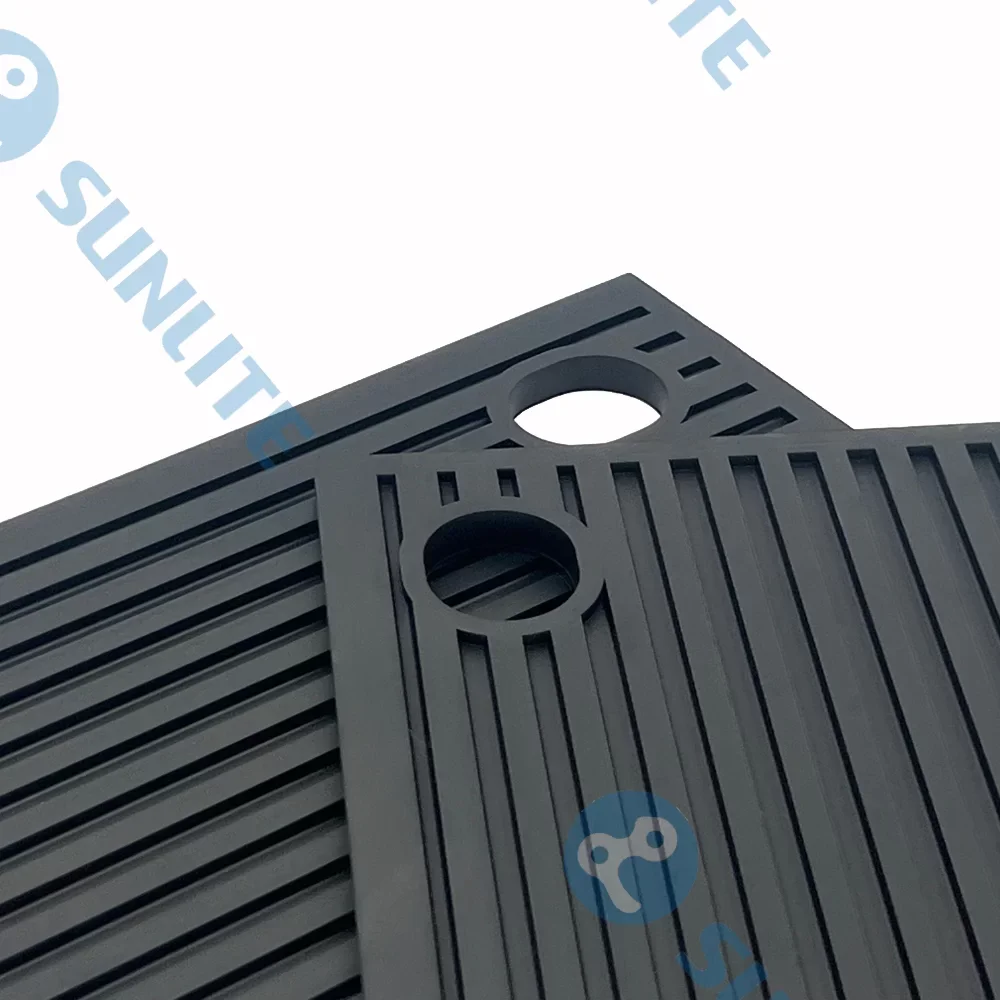
Enhancing Workplace Safety with a High-Traction Non-Slip Rubber Mat
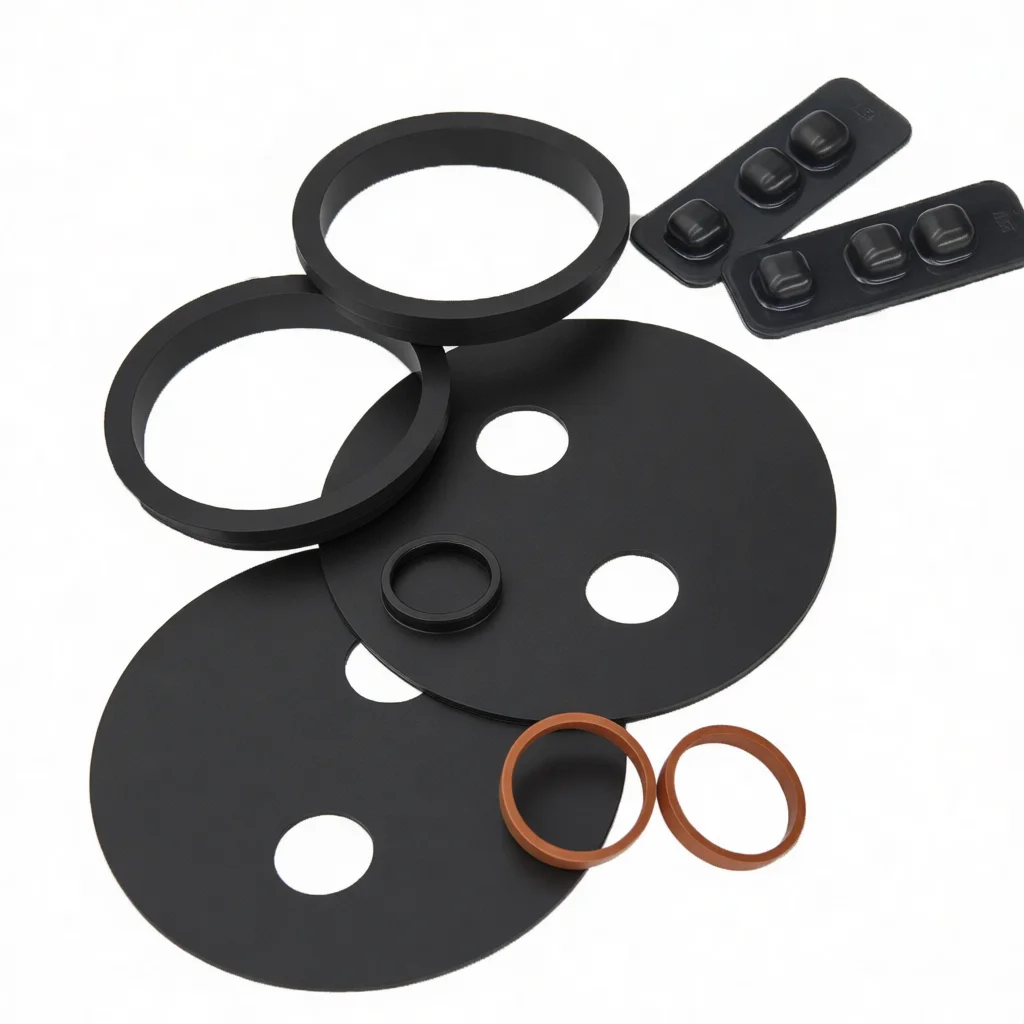
The most immediate benefit of installing a non-slip rubber mat is the drastic reduction in slip-and-fall accidents, which remain one of the leading causes of workplace compensation claims globally. Rubber is inherently a high-friction material, but a professional-grade non-slip rubber mat takes this a step further by incorporating surface textures—such as diamond-plate patterns, raised circular discs, or ribbed grooves—that facilitate the "breakout" of liquids. This ensures that even in the presence of water or industrial lubricants, the user maintains a secure footing.
Beyond the surface texture, the material composition of the mat plays a vital role. Unlike plastic-based mats that can become brittle and slippery in cold environments, a high-quality rubber formulation remains flexible and "tacky" across a wide temperature range. This elasticity allows the non-slip rubber mat to conform slightly to the sole of a shoe, increasing the contact surface area and significantly boosting the coefficient of friction. In a fast-paced facility where employees are constantly pivoting, carrying heavy loads, or operating foot-pedal machinery, this reliable traction is the foundation of a confident and productive workforce.
The Structural Protection of a Shock Absorbing Rubber Pad
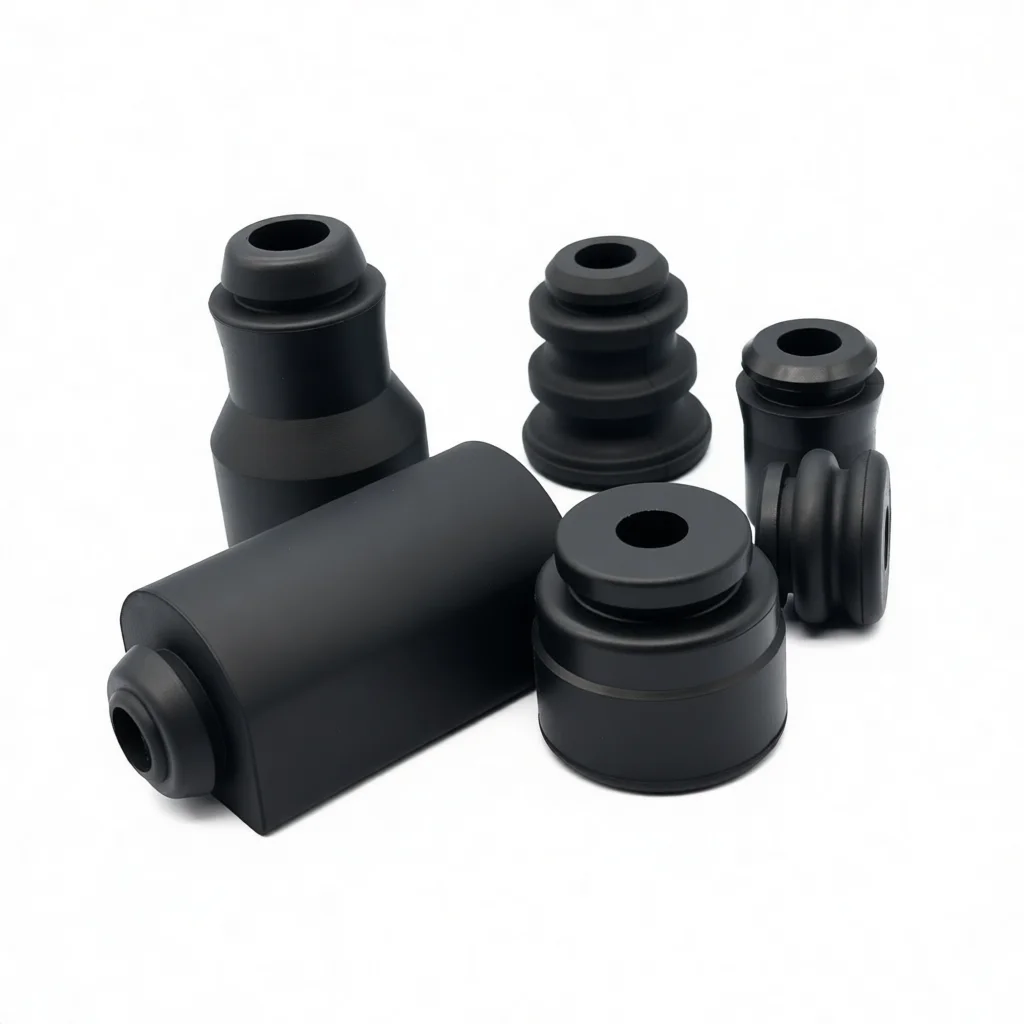
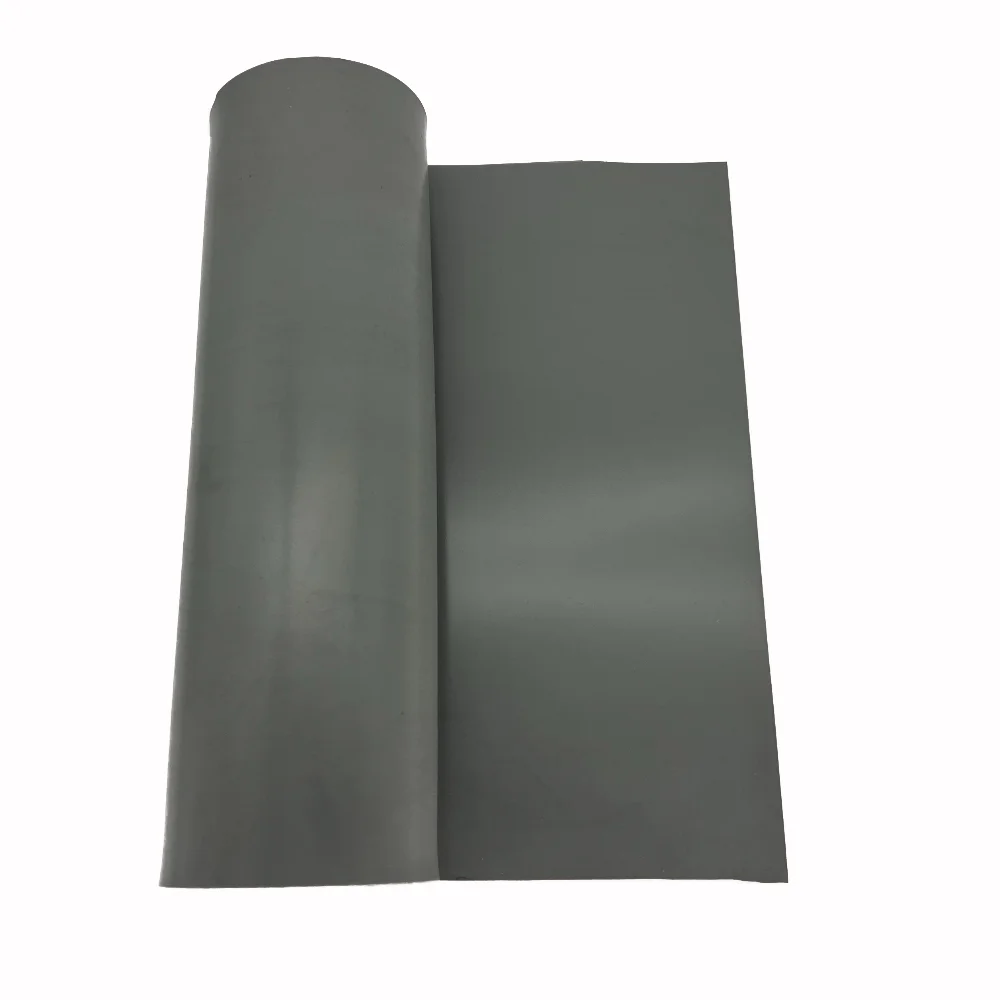
While surface traction protects the person, the underlying shock absorbing rubber pad features protect the facility itself. In environments where heavy tools are used or where pallet jacks and carts are frequently moved, the floor is subjected to constant impact. A rigid floor will eventually develop micro-cracks under this stress, leading to costly structural repairs and the accumulation of dust and debris. By deploying a shock absorbing rubber pad system, the kinetic energy of an impact is not reflected back into the object or transmitted directly into the concrete slab; instead, it is absorbed by the rubber’s molecular structure and dissipated as a negligible amount of heat.
This energy management is particularly critical in facilities that house sensitive electronic equipment or precision calibration tools. A sudden impact on one side of a concrete floor can send a shockwave traveling through the slab, potentially throwing off the accuracy of a CNC machine or a laboratory scale. By using a shock absorbing rubber pad as a buffer, these vibrations are dampened at the source. This ensures that the "footprint" of every impact is localized, preventing the propagation of structural noise and tremors that can disrupt delicate operations elsewhere in the building.
Ergonomic Gains Through a Soft Rubber Protection Mat
Employee fatigue is a silent killer of productivity. When workers are required to stand for eight to twelve hours a day on a hard concrete surface, they experience significant strain on their lower back, knees, and ankles. This is known as "orthopedic stress," and it leads to long-term chronic pain and increased absenteeism. A soft rubber protection mat acts as an anti-fatigue solution by providing a subtle amount of "give." This forces the small muscles in the legs to make microscopic adjustments to maintain balance, which in turn promotes better blood circulation and prevents the pooling of blood in the lower extremities.
The integration of a soft rubber protection mat into workstations is a proactive investment in human capital. By providing a cushioned surface that returns a small amount of energy to the user’s feet, the facility manager reduces the physical "wear and tear" on the staff. This ergonomic benefit is perfectly complemented by the vibration reduction rubber pad features of the matting, which further insulate the worker from the constant, low-frequency hum of industrial machinery. When an employee is not battling joint pain or the numbing effects of structural vibration, they are more focused, more accurate, and less prone to the errors that lead to accidents.
Strategic Isolation Using a Vibration Reduction Rubber Pad
In many facilities, noise pollution is as much of a problem as physical vibration. Large motors, fans, and compressors create a resonant frequency that can travel through the building’s skeleton, turning the entire structure into a giant speaker. A high-density vibration reduction rubber pad is designed to decouple these machines from the floor. By interrupting the rigid path of the vibration, the rubber prevents the "hum" from entering the walls and ceilings. This is essential for facilities located in multi-use buildings or in urban areas where noise ordinances are strictly enforced.
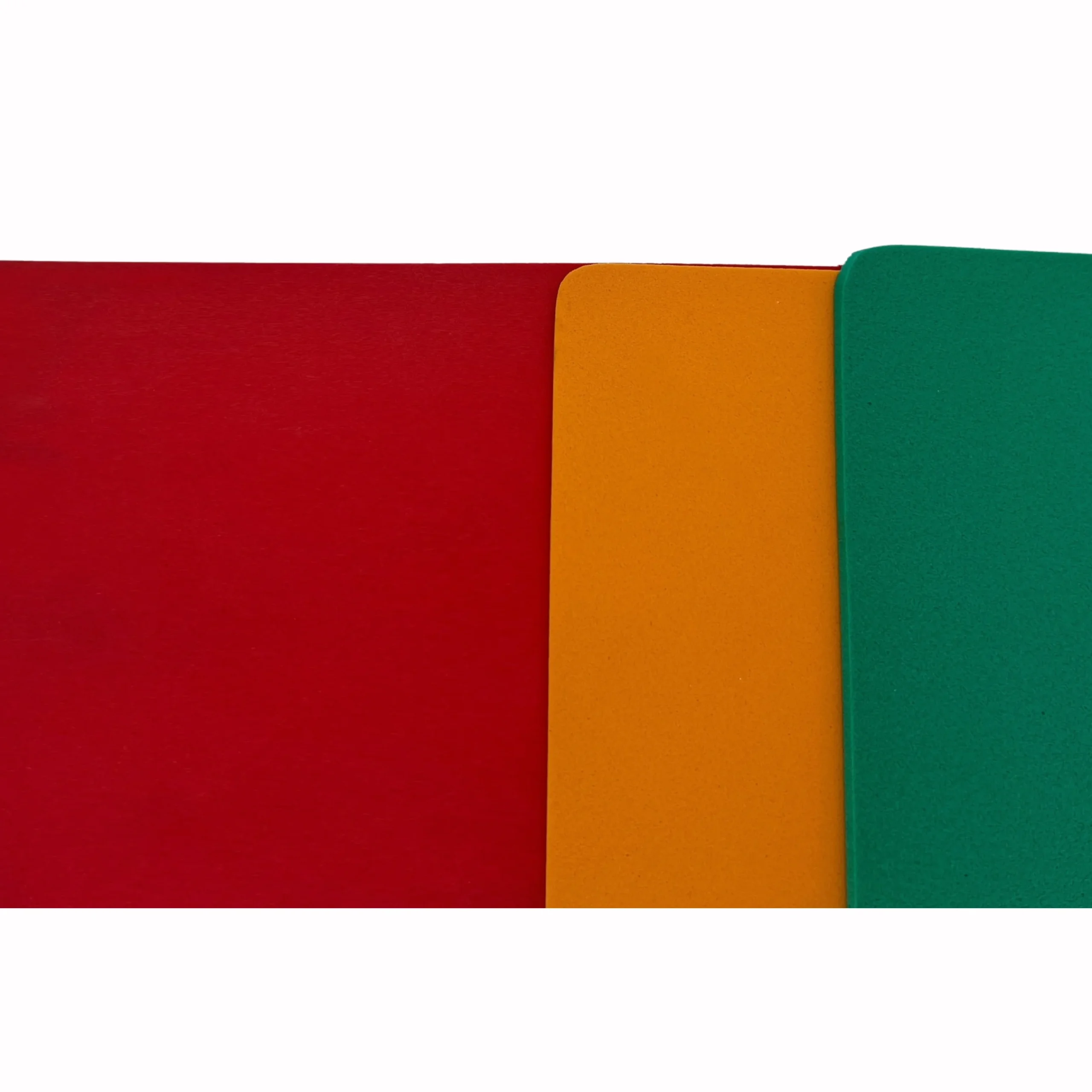
The effectiveness of a vibration reduction rubber pad is determined by its "durometer" or hardness. A professional facility will often use a combination of different rubber densities to target specific frequency ranges. For example, a heavy, slow-moving machine might require a high-density shock absorbing rubber pad, while a high-speed, light-weight motor might be better served by a more compliant soft rubber protection mat. This tailored approach to vibration isolation ensures that the facility remains a quiet, professional environment where communication is easy and the structural components are not being slowly "shaken apart" by mechanical resonance.
The modern industrial and commercial environment is a landscape of constant movement, heavy machinery, and high-intensity human labor.