

 Select Language
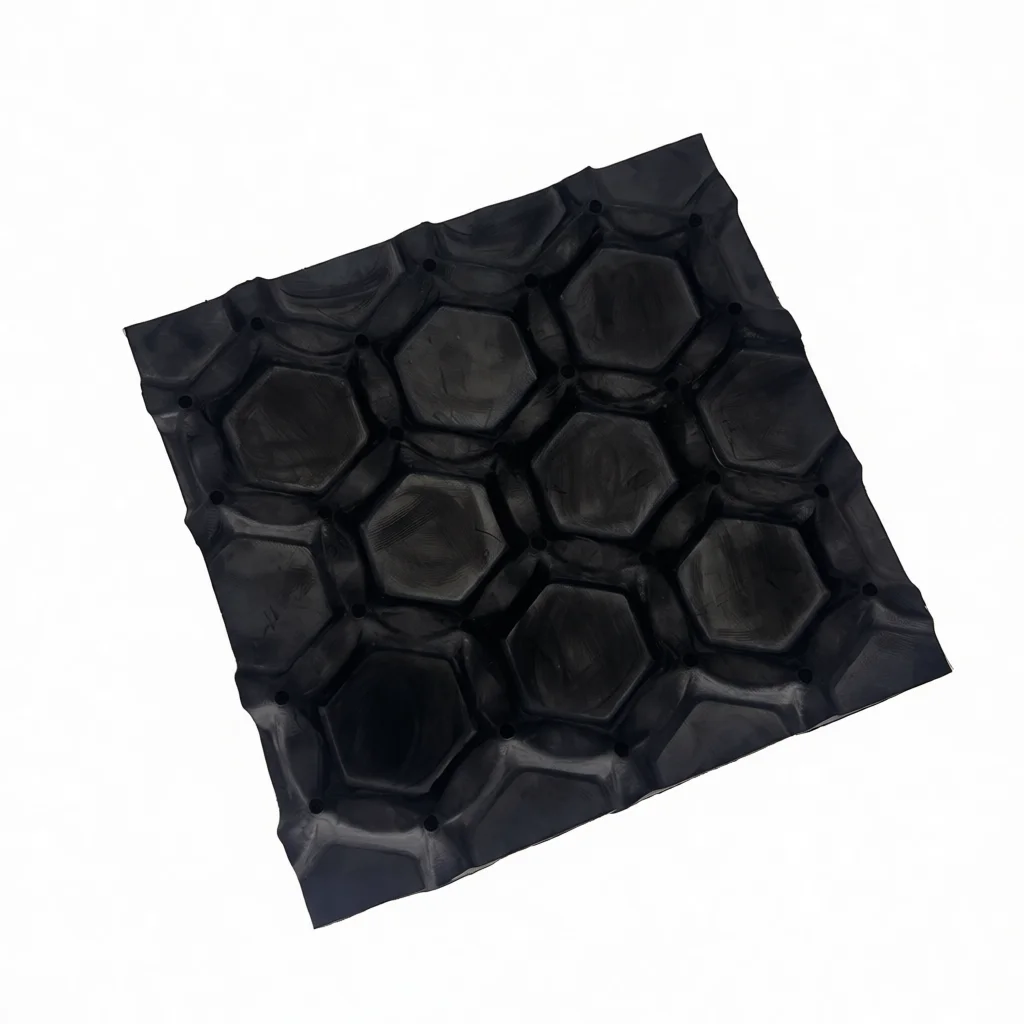
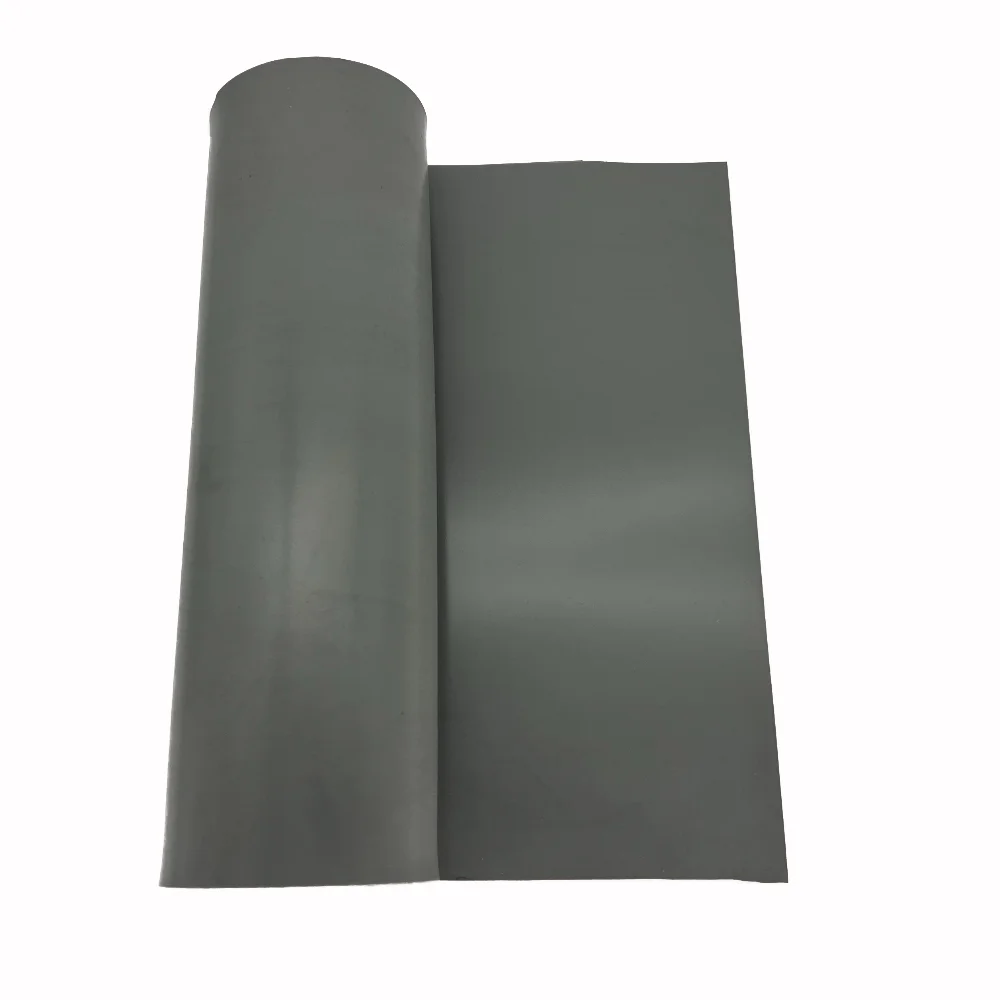
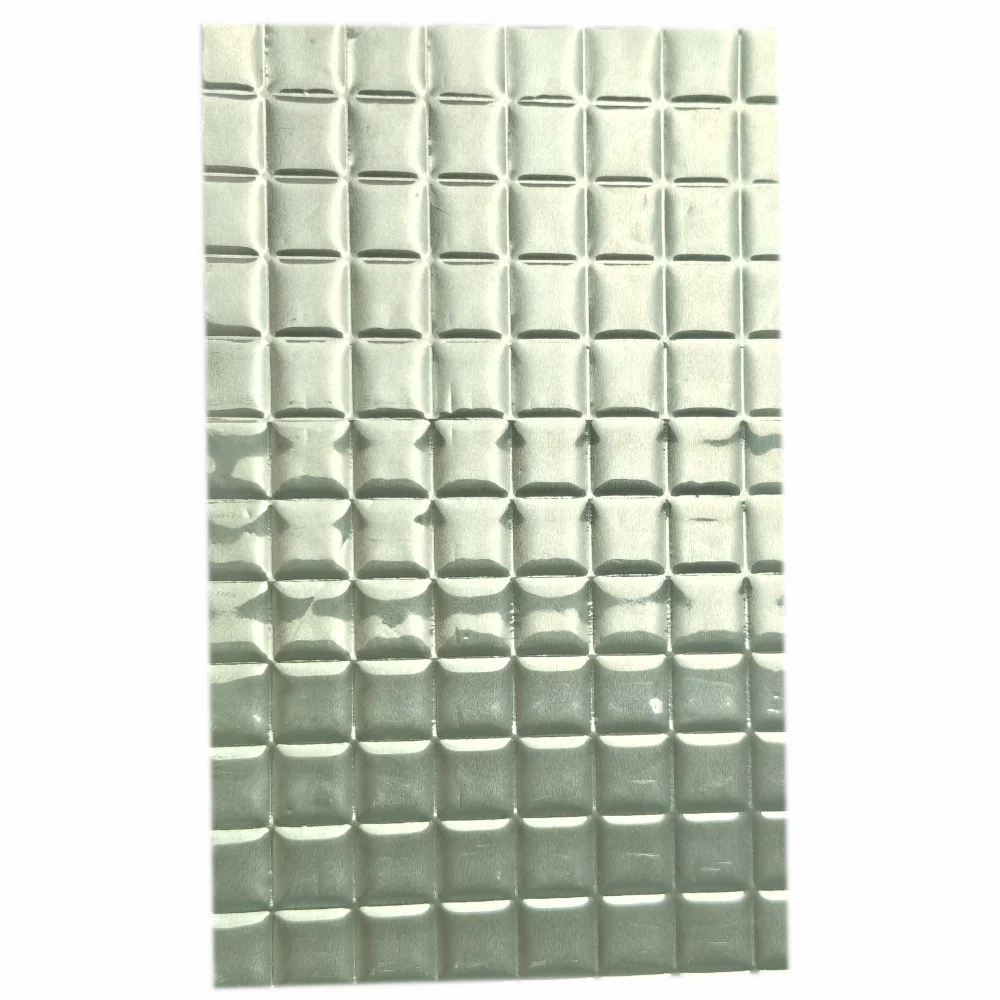
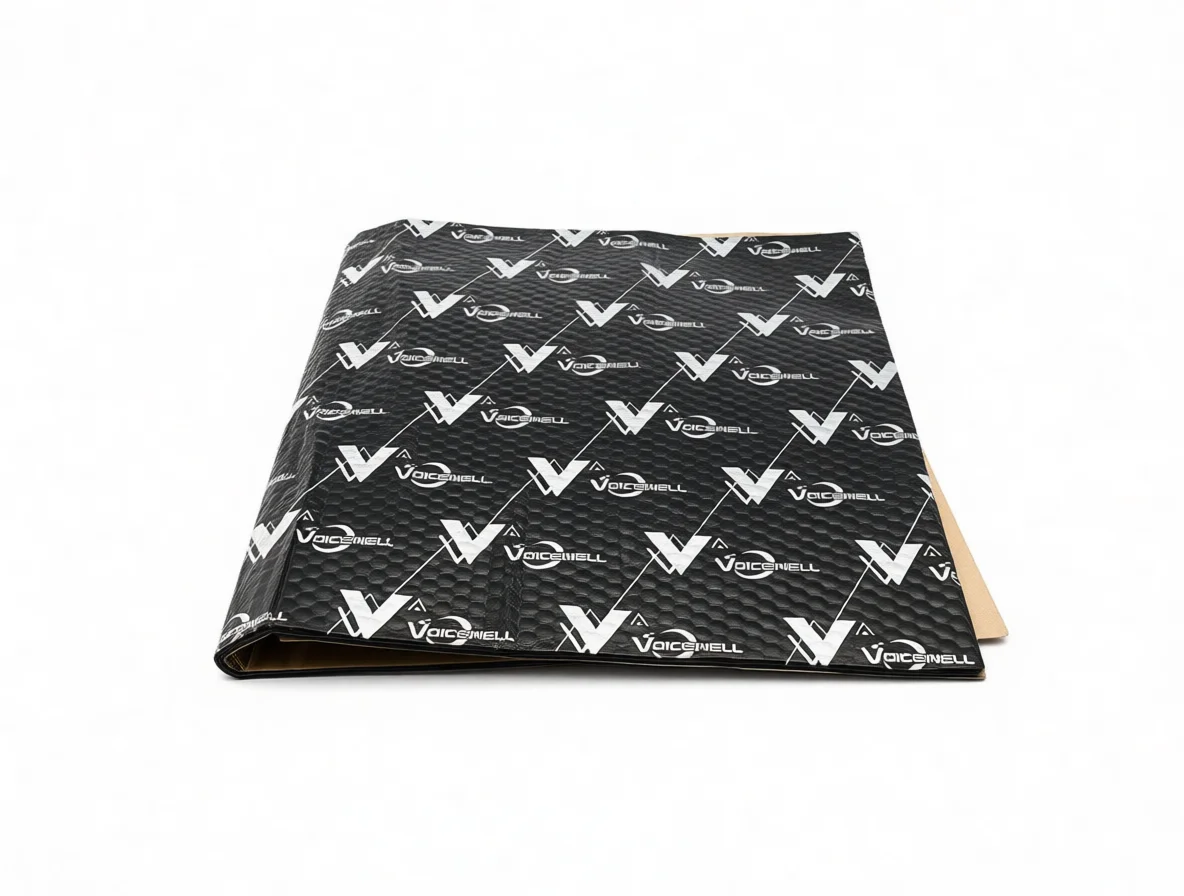
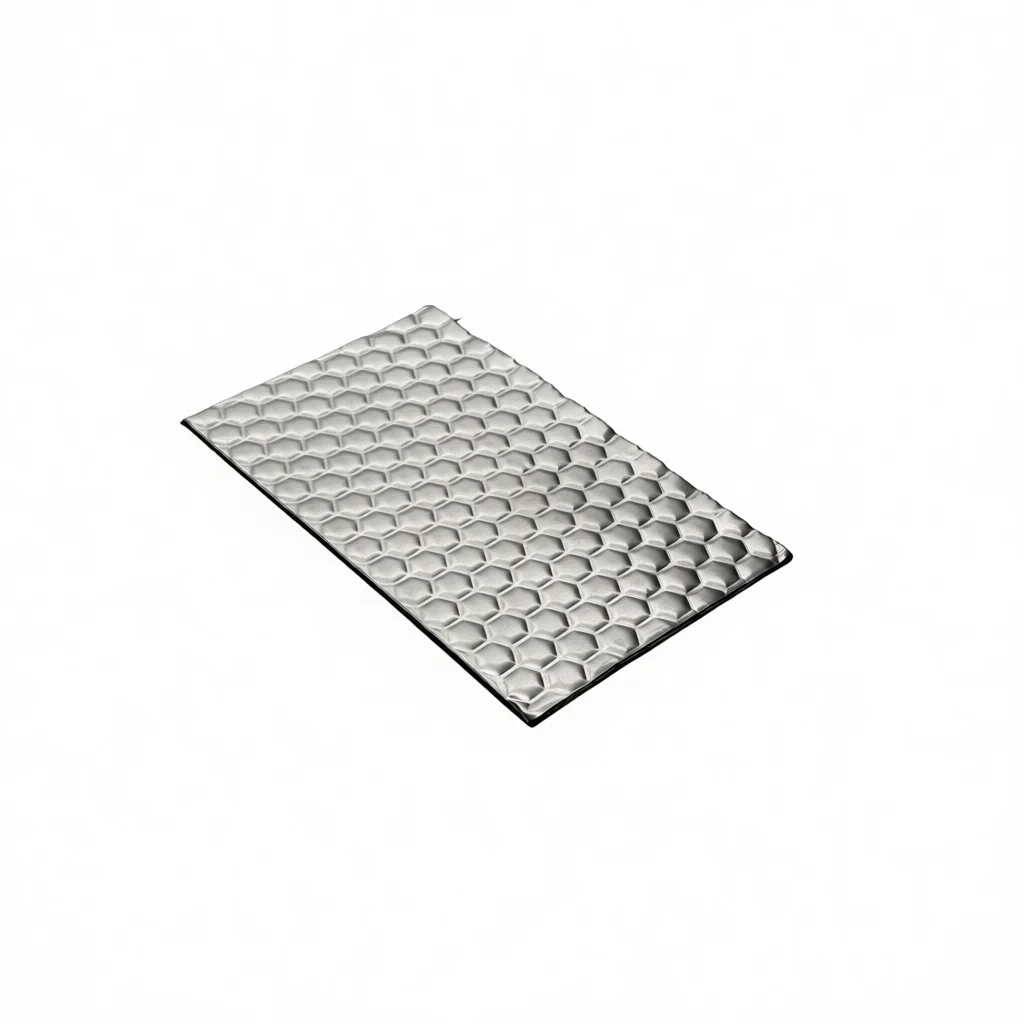
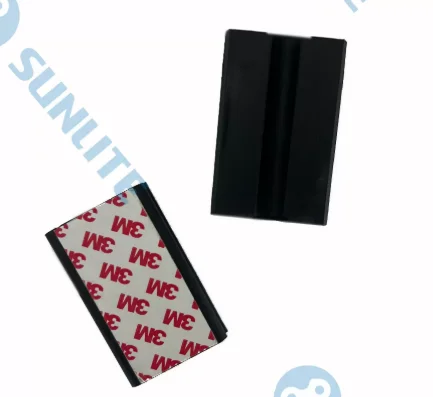
Vibration damping mats are widely used in both industrial and commercial environments where vibration and noise affect daily operation. In real usage scenarios, machines placed directly on concrete or steel floors transmit vibration into the structure, causing noise, floor fatigue, and long-term alignment problems. Vibration damping mats provide a simple buffer layer that absorbs vibration energy before it spreads through the building.
In factories and workshops, vibration damping mats are commonly placed under compressors, stamping machines, pumps, and HVAC systems. These machines operate continuously and generate repetitive impact loads. Without proper isolation, vibration accumulates and gradually damages floors and surrounding equipment. By installing vibration damping mats, operators can noticeably reduce floor vibration and improve working comfort without changing existing layouts.
Another reason vibration damping mats are popular is their ease of installation. They do not require anchors or structural modifications and can be cut to size on site. This makes them suitable for both permanent installations and temporary equipment setups. For businesses that need fast, cost-effective vibration control, vibration damping mats are a practical first choice that delivers immediate results.
Vibration Damping Pads For Heavy Equipment
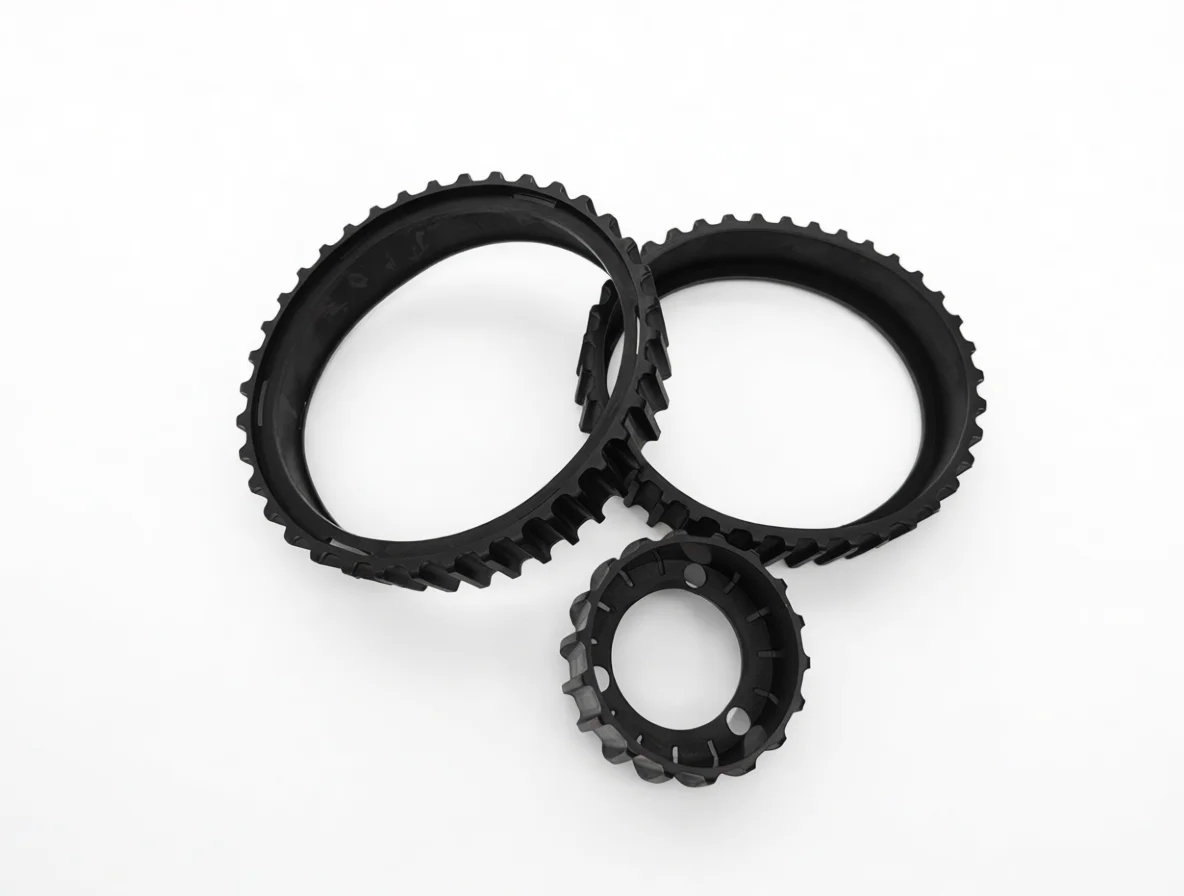
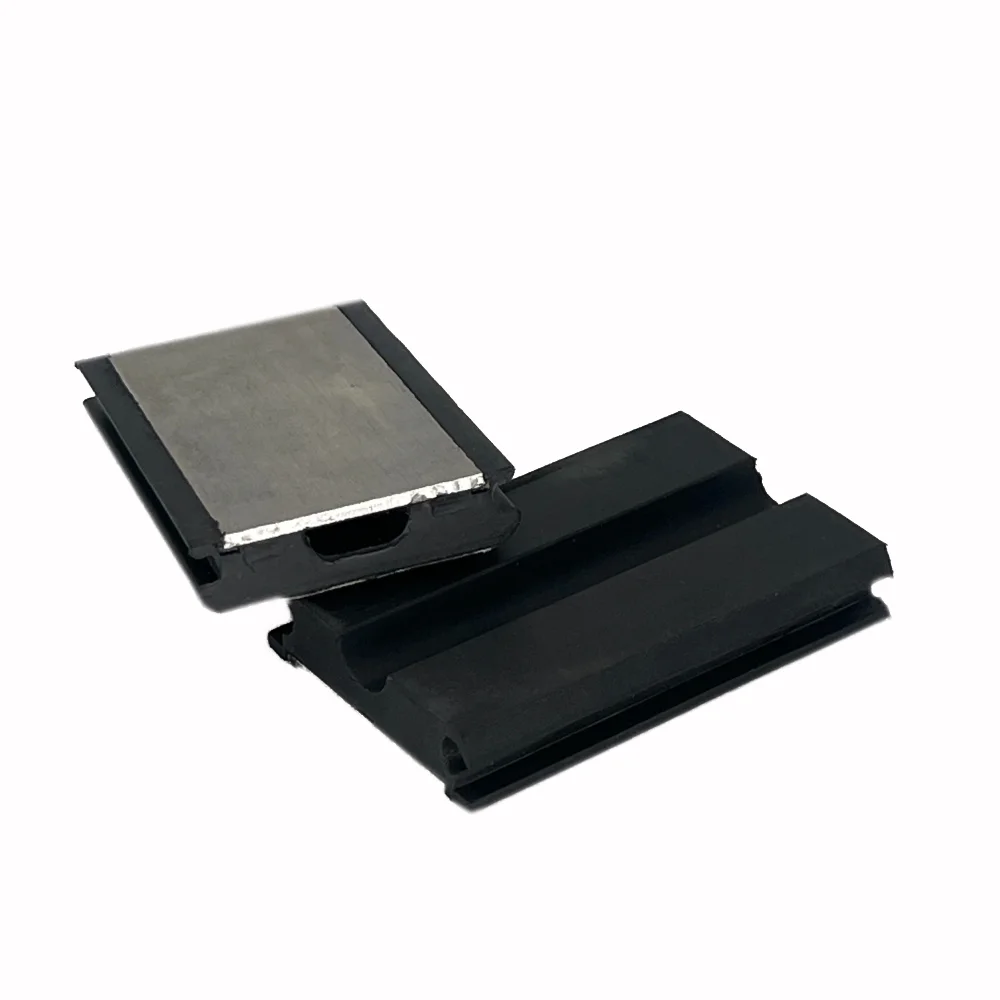
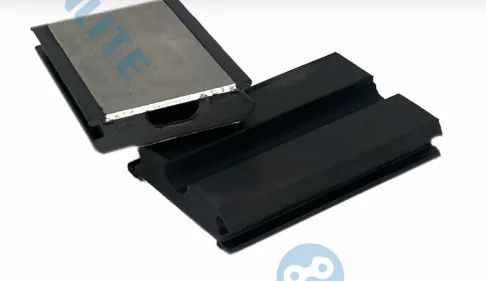
Vibration damping pads are specifically designed to handle higher loads and stronger impact forces generated by heavy machinery. In industrial plants, equipment such as generators, presses, and turbines produce dynamic loads that standard flooring materials cannot absorb effectively. Vibration damping pads work by distributing pressure evenly while isolating vibration at the contact point.
From a performance standpoint, vibration damping pads maintain stable mechanical properties even under long-term compression. With high compressive strength and excellent fatigue resistance, they continue to perform after millions of vibration cycles. This reliability is critical in production lines where downtime caused by vibration-related damage leads to significant losses.
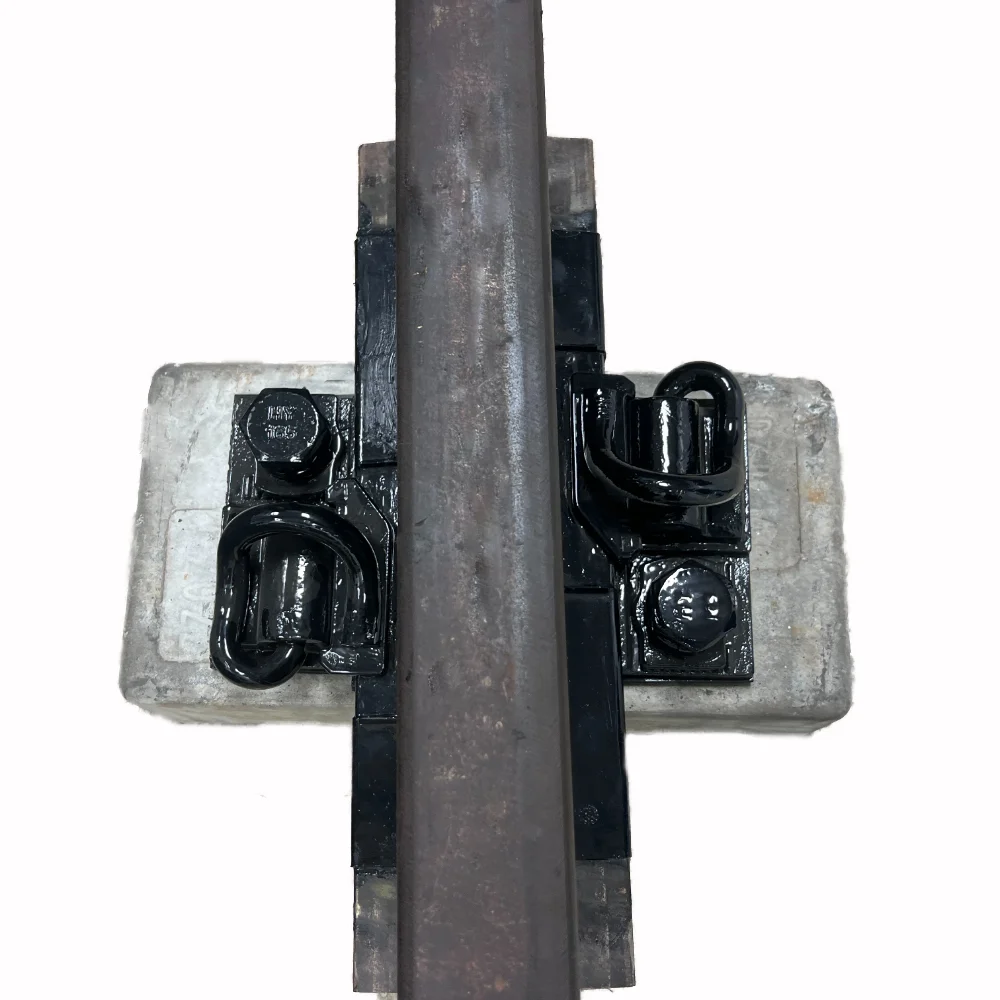
In rail transit and infrastructure projects, vibration damping pads are often used under maintenance trench floors, equipment compartments, and service platforms. These pads reduce structure-borne vibration and protect surrounding concrete from micro-cracking. For engineers and contractors, vibration damping pads offer a balance between load capacity, durability, and installation flexibility.
Rubber Damping Pad For Precision Control
Rubber damping pad plays a crucial role in applications where precision and stability are essential. In high-end manufacturing environments such as semiconductor production or optical inspection rooms, even micro-level vibration can affect accuracy. Rubber damping pad solutions are designed using finite element analysis to control stress distribution and match the vibration spectrum of sensitive equipment.
In practical use, rubber damping pad is installed beneath precision platforms, measuring devices, or isolated floors. The customized stiffness curve helps suppress resonance, significantly improving vibration control performance. This makes rubber damping pad suitable for lithography machines, electron microscopes, and other high-precision instruments.
Another key advantage of rubber damping pad is performance stability under environmental changes. Even across a wide temperature range, the material maintains consistent damping behavior. This ensures long-term reliability in facilities that operate continuously. For users who require stable and predictable vibration isolation, rubber damping pad provides a dependable foundation.
Vibration Damping Rubber Pads For Buildings
Vibration damping rubber pads are increasingly used in modern building projects where noise and vibration control are part of comfort and safety requirements. In commercial buildings, hospitals, and cultural facilities, vibration from equipment, traffic, or nearby infrastructure can interfere with normal operation. Vibration damping rubber pads act as an isolation layer that reduces vibration transmission through floors and structural elements.
In medical buildings, vibration damping rubber pads are commonly applied in MRI rooms, operating theaters, and diagnostic areas. These environments demand strict vibration control to ensure equipment accuracy and patient comfort. By integrating vibration damping rubber pads into floor systems, designers achieve stable performance without bulky mechanical isolation systems.
In public spaces such as concert halls and museums, vibration damping rubber pads support floating floor systems that protect sensitive installations and improve acoustic quality. Their fire resistance and environmental compliance also make them suitable for large-scale public projects. For architects and facility managers, vibration damping rubber pads provide a reliable and regulation-compliant solution.
Vibration Isolation Dampening Pads For Long-Term Use
Vibration isolation dampening pads are engineered for long-term service in demanding environments where performance retention is critical. Unlike simple cushioning materials, vibration isolation dampening pads are developed through advanced simulation and precision manufacturing processes to ensure consistent behavior over time.
In energy facilities and power stations, vibration isolation dampening pads are installed under gas turbines, transformers, and control equipment. These machines generate continuous vibration that can damage sensitive components. The pads isolate vibration at the foundation level, protecting both equipment and structural integrity.
Durability is a defining feature of vibration isolation dampening pads. After millions of dynamic fatigue cycles, performance retention remains high, with minimal permanent deformation. This ensures predictable vibration isolation throughout the product’s service life. For industries seeking long-term stability and reduced maintenance costs, vibration isolation dampening pads represent a smart investment rather than a short-term fix.
This series of products is developed using finite element computational mechanics analysis and manufactured through high-precision injection molding technology. Core rubber materials and performance parameters can be customized based on customer requirements. The products feature compressive strength greater than 12MPa and maintain over 95% performance retention after 5 million dynamic fatigue cycles.
All products comply with EN45545-2 HL3 fire protection standards and TB3139 environmental standards, making them suitable for high-end buildings, rail transit, and industrial equipment. With excellent dimensional accuracy and long-term durability, these vibration damping solutions deliver reliable protection in demanding applications.
Vibration Damping Pads FAQs
What equipment are vibration damping pads suitable for?
Vibration damping pads are suitable for generators, compressors, stamping machines, HVAC systems, and precision equipment.
Can vibration damping mats be used in buildings?
Yes, vibration damping mats are widely used in commercial buildings, hospitals, and public facilities for vibration control.
Are vibration damping rubber pads fire resistant?
Vibration damping rubber pads comply with EN45545-2 HL3 fire protection standards for public and industrial use.
How long do vibration isolation dampening pads last?
Vibration isolation dampening pads maintain stable performance even after millions of dynamic fatigue cycles.
Where can I buy reliable vibration damping pads?
You can explore specifications, request customization, or place orders by visiting our official website or contacting our technical sales team to purchase vibration damping pads tailored to your application.
Vibration damping mats are widely used in both industrial and commercial environments where vibration and noise affect daily operation.