

 Select Language
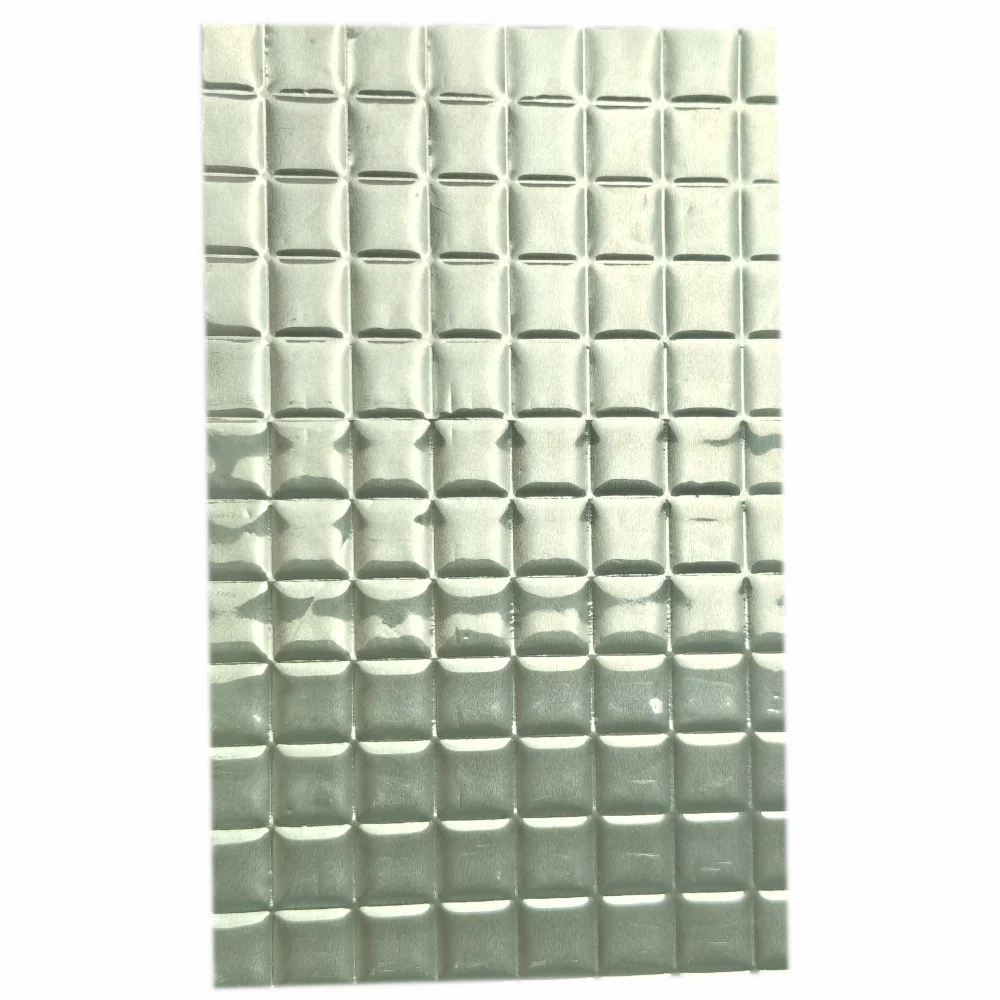
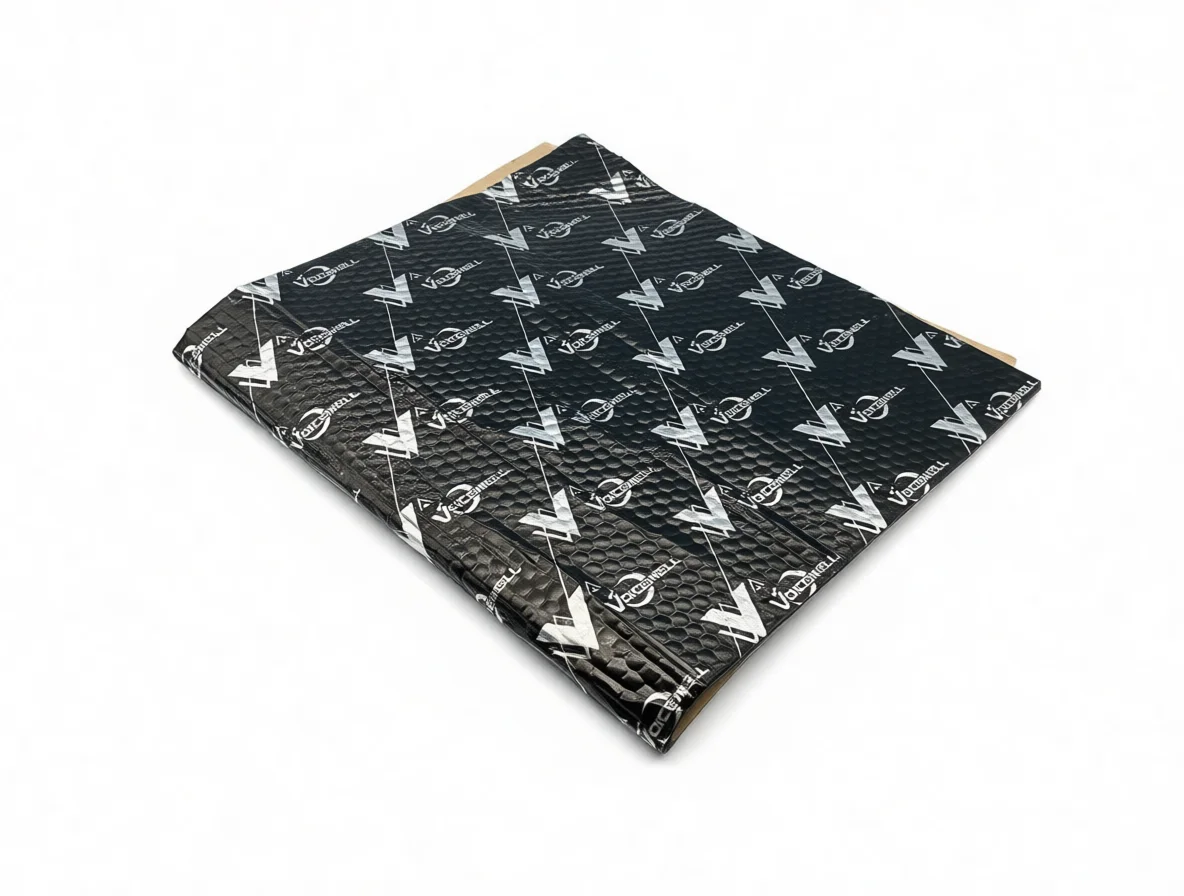
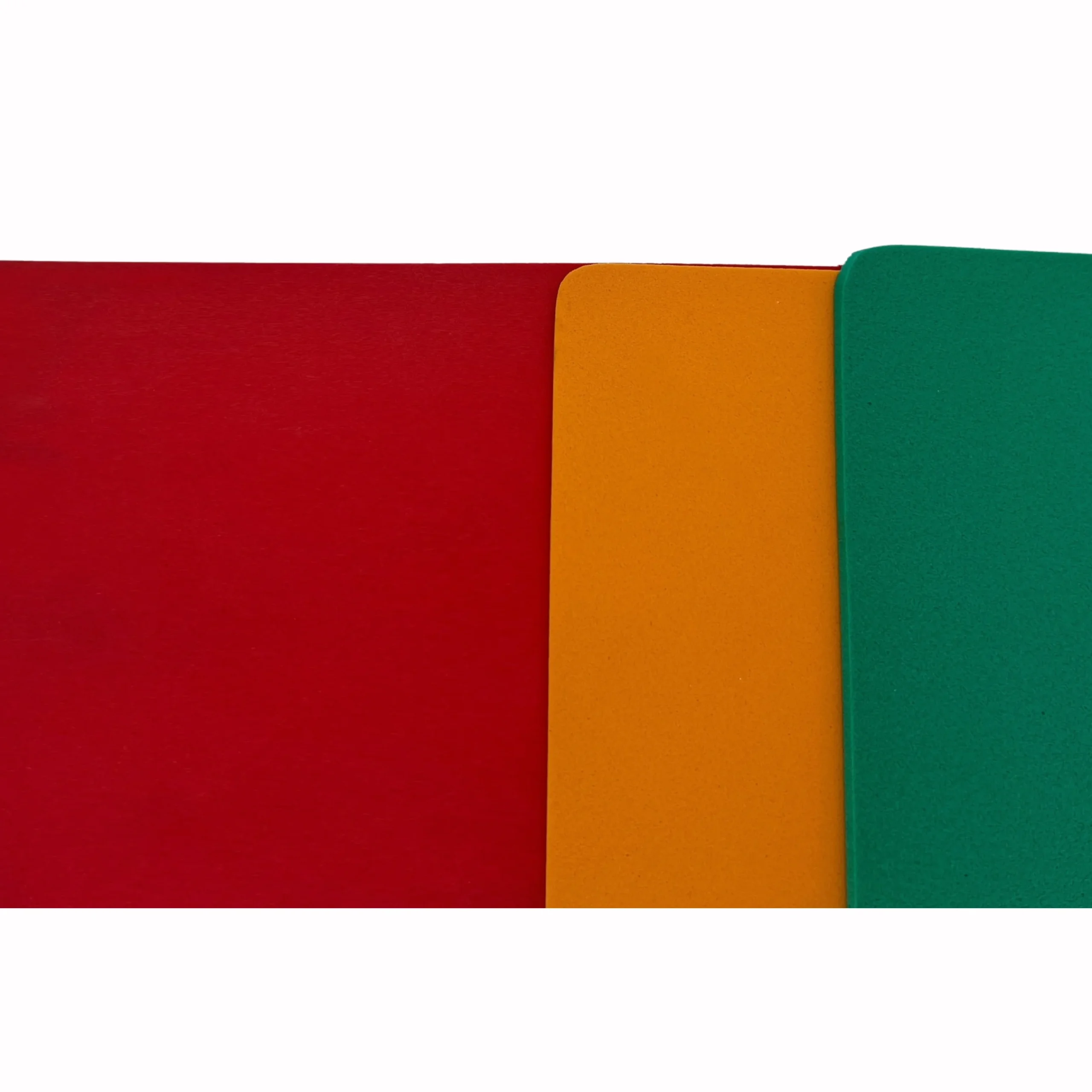
In the daily operation of high-end UAVs and precision robotics, the exterior surfaces of the equipment are often subjected to repeated micro-impacts and abrasive environments. The soft rubber protection mat serves as a primary defense mechanism, engineered through a sophisticated preparation technology that emphasizes both buffering and durability. Unlike standard rubber coverings, these mats are prepared by cleverly optimizing a combination of elastomer materials with varying glass transition temperatures. This ensures that the mat remains pliable and shock-absorbent whether the equipment is operating in sub-zero alpine conditions or the intense heat of an industrial furnace.
The internal viscoelastic properties of a soft rubber protection mat allow it to consume vibration energy that would otherwise travel through the aircraft's shell. When the drone is in flight, the high-frequency "jitter" from the motors is absorbed by the mat's molecular structure and converted into negligible heat. This function not only protects the aesthetic integrity of the hardware but also acts as a secondary damping layer for internal sensors. By meeting the requirements of RoHS 2.0 and REACH, these mats provide a globally compliant solution for operators who require the highest levels of safety and environmental stewardship.
Precision Thermal Stability via the Flexible Silicone Cushioning Pad
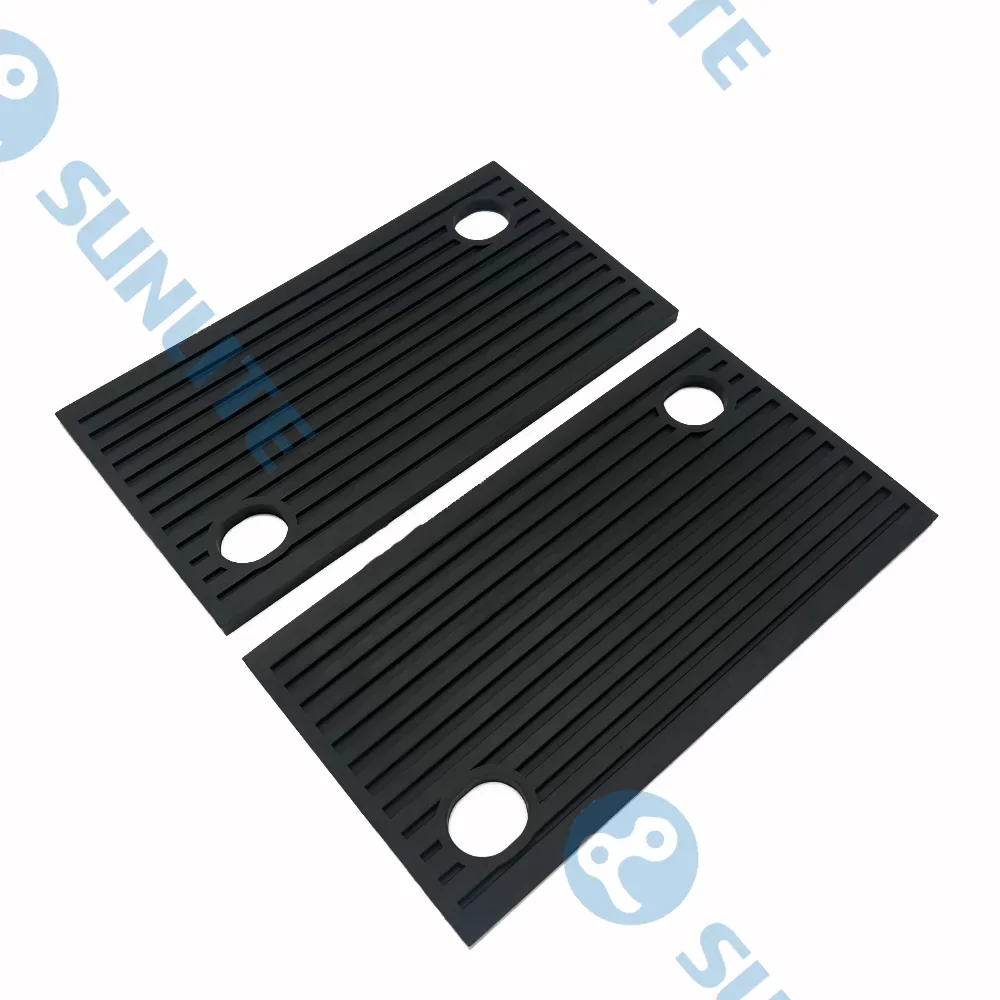
In sensitive electronic environments or medical-grade UAV applications, the flexible silicone cushioning pad offers a specialized alternative to traditional organic rubbers. Silicone is unique because its molecular backbone allows it to maintain consistent damping properties across a staggering temperature gradient. Unlike other elastomers that might become brittle in extreme cold or overly soft in intense heat, the silicone cushioning pad provides a stable "buffer" for delicate hardware.
The preparation of these pads involves tuning the cross-linking density of the silicone to maximize its internal friction. When used as a seat for high-resolution optical sensors or thermal imaging cameras, the flexible silicone cushioning pad effectively filters out the high-frequency noise produced by brushless motors. This rapid attenuation of movement ensures that the camera gimbal remains steady, providing "rock-solid" footage even during aggressive flight maneuvers. Furthermore, because silicone is naturally inert and meets the requirements of REACH and RoHS 2.0, it is the ideal choice for drones operating in food-safe or sterile environments.
System-Wide Protection with the Industrial Rubber Isolation Sheet
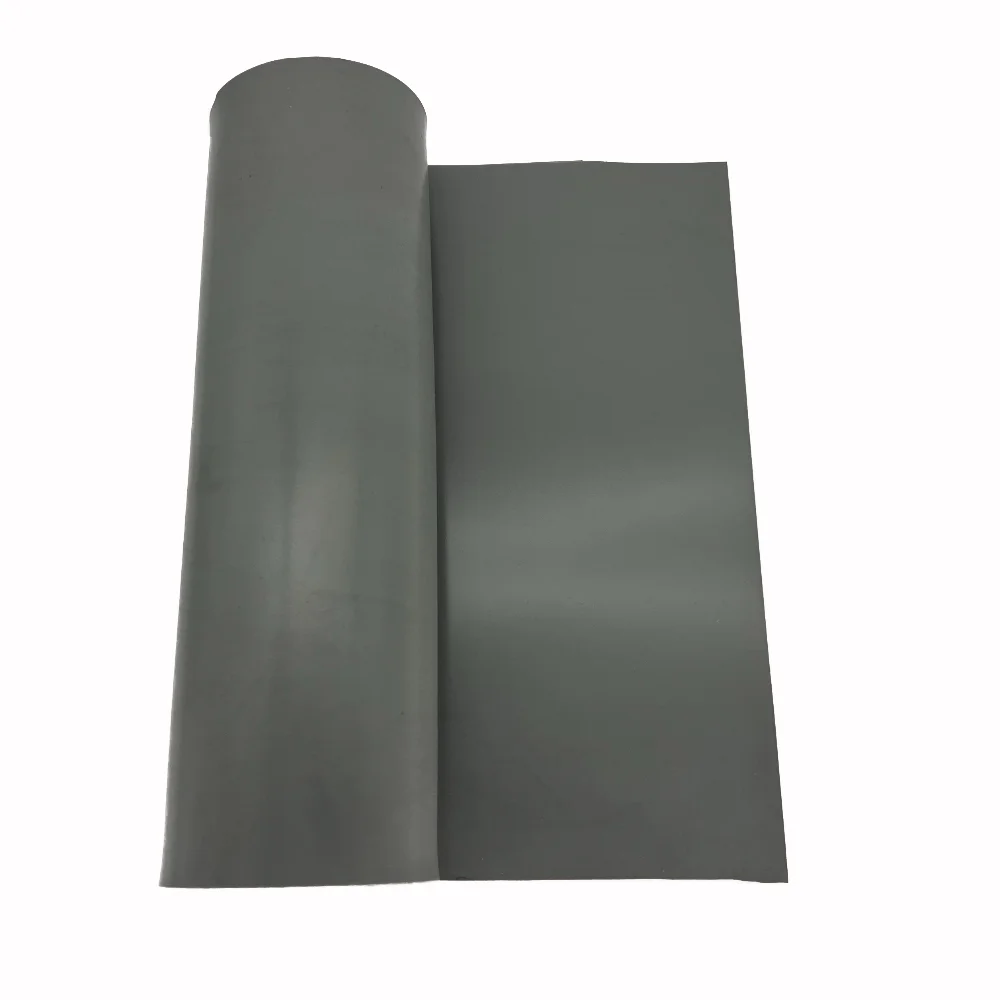
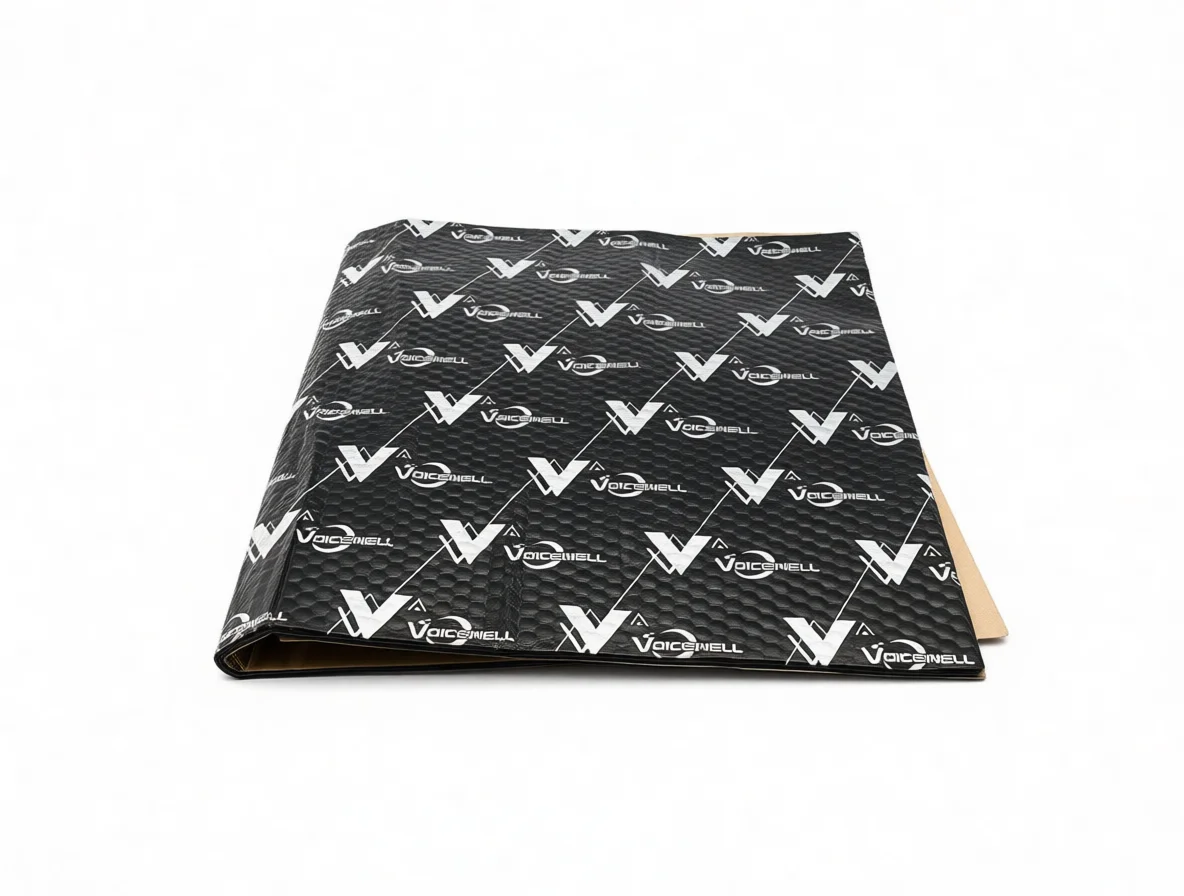
For large-scale industrial deployments—such as ground control stations, heavy-lift landing pads, or laboratory testing benches—the industrial rubber isolation sheet serves as a foundational layer of protection. These sheets are often manufactured in large formats to provide a continuous damping surface that prevents "ground-borne" vibrations from traveling between different pieces of equipment. This is particularly critical in environments where heavy machinery and precision electronics share the same floor space.
The preparation technology for the industrial rubber isolation sheet reaches an advanced level by layering materials with different loss factors. This "laminate" approach allows the sheet to absorb a broader spectrum of kinetic energy. The sheet acts as a passive energy sink; as vibration waves pass through the various layers, the internal viscoelastic resistance converts the waves into heat. This function not only protects the equipment from mechanical wear but also significantly reduces acoustic noise, creating a safer and more comfortable work environment for operators.
Structural Reinforcement via the Elastic Rubber Backing Plate
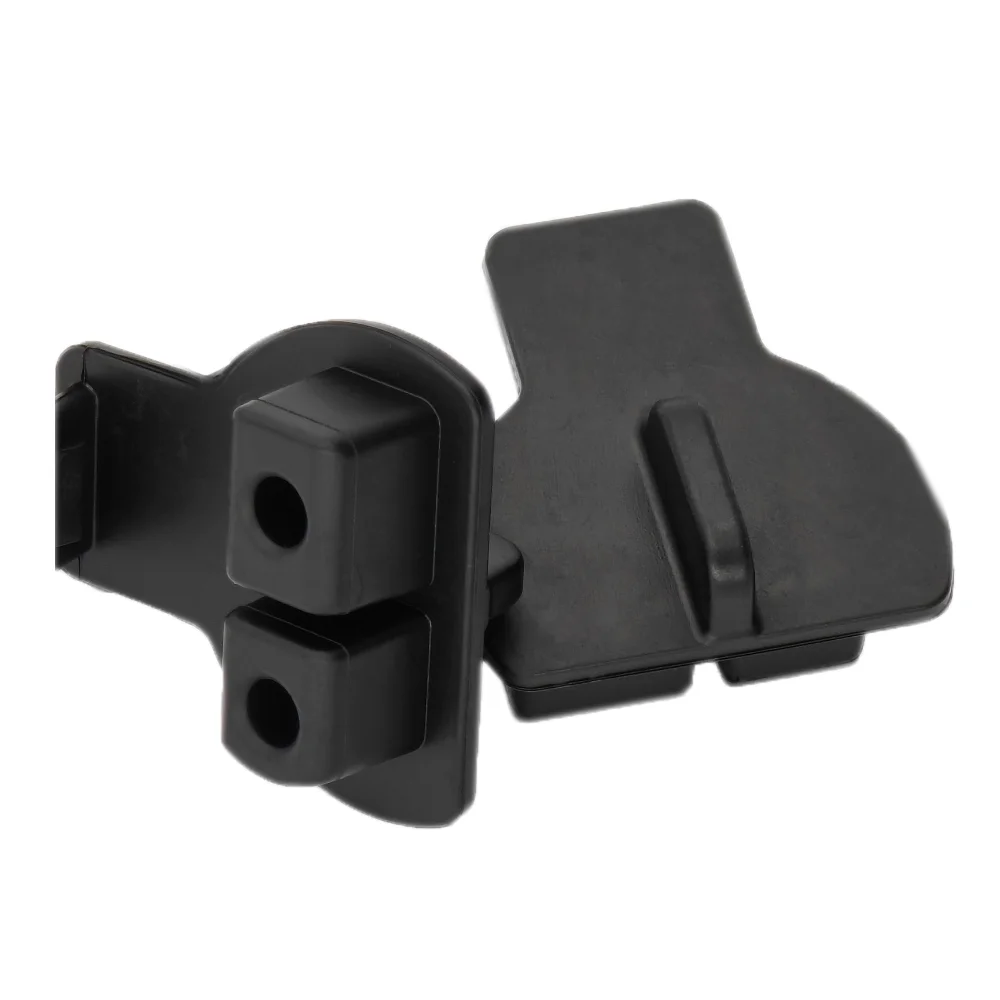
In the structural assembly of an aircraft or an industrial robot, the points where rigid components meet are the most vulnerable to fatigue. The elastic rubber backing plate is engineered to address this specific vulnerability. By placing an elastomer interface between a motor mount and the frame, or between a battery housing and the chassis, engineers can distribute mechanical stress more evenly.
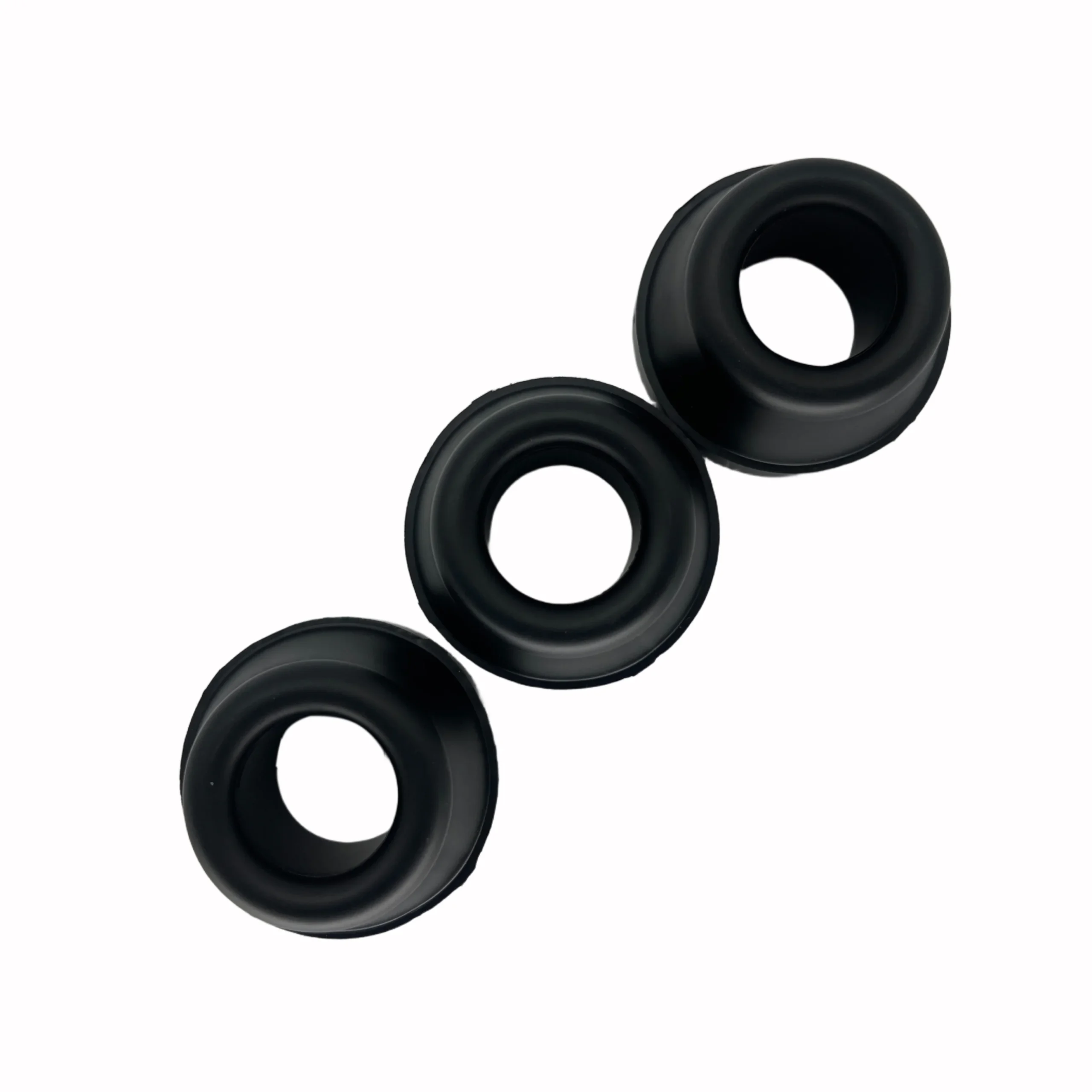
The preparation of an elastic rubber backing plate involves a meticulous molecular design that ensures the material does not lose its "spring" under permanent compression. Because these plates have a larger loss factor across a wider range of frequencies, they are exceptionally good at "tuning out" the resonant frequencies that lead to bolt loosening or frame cracking. This precise regulation of the material’s resistance ensures that the backing plate remains a functional part of the aircraft’s safety system for its entire service life. Through continuous research and improvement, these plates have been optimized to resist chemical exposure and environmental degradation, making them fit for the needs of different fields in practical applications.
Resilience and Heavy-Duty Damping of the NR rubber Pad
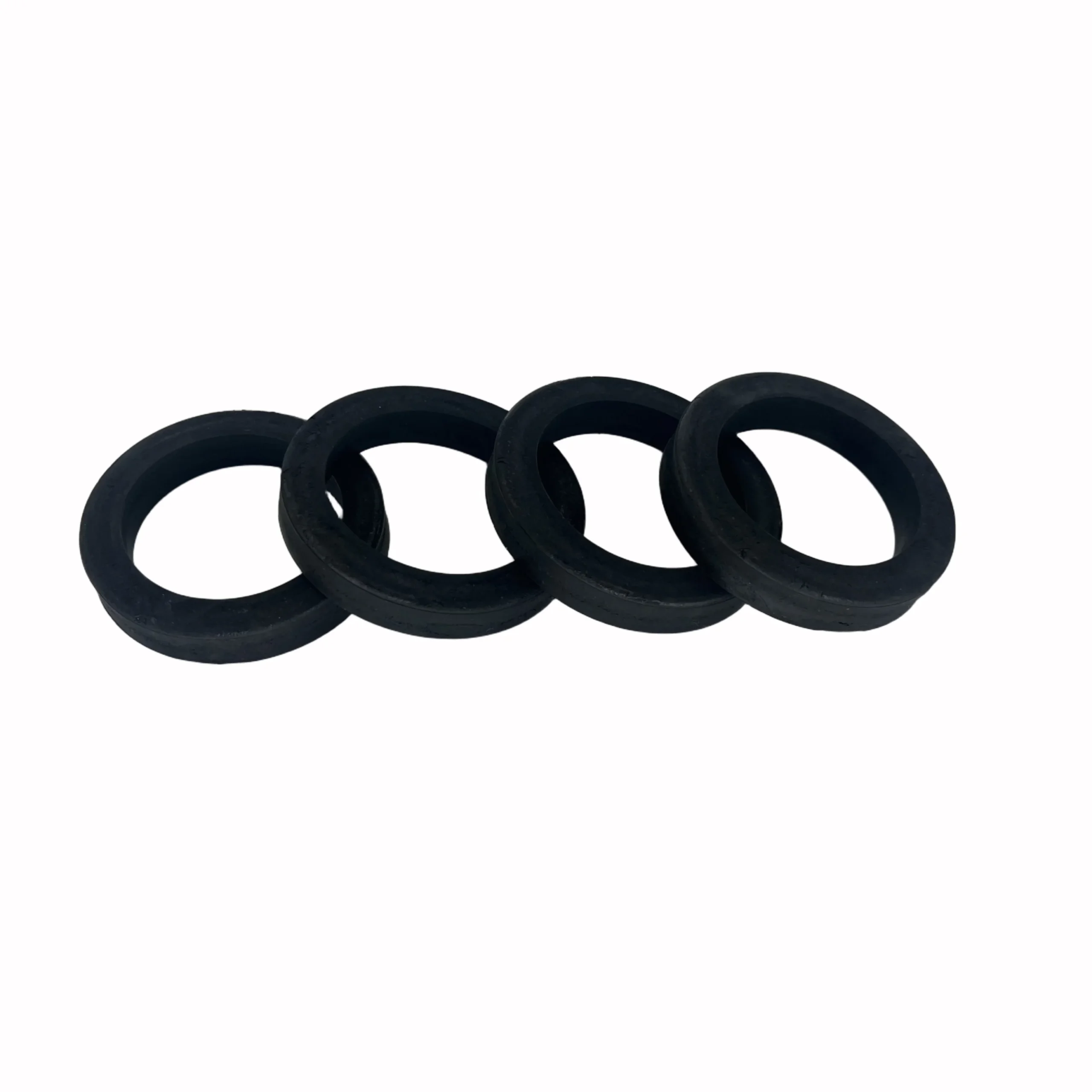
Natural Rubber (NR) remains a cornerstone of the damping industry due to its unparalleled rebound resilience and tensile strength. An NR rubber pad is the preferred choice for heavy-lift UAVs and industrial pumps that require significant load-bearing capacity. The unique molecular structure of natural rubber allows it to store and dissipate energy more efficiently than many synthetic counterparts.
Through advanced process control, the NR rubber pad is optimized to have a high loss factor while maintaining its basic mechanical properties. This means it can support a heavy payload without becoming "set" in a deformed shape. In the field, this translates to a drone landing gear that can absorb the shock of a hard landing and immediately return to its original geometry, ready for the next mission. By realizing the precise regulation of properties, manufacturers ensure that the NR pad provides consistent cushioning, preventing safety accidents caused by mechanical failure.
The evolution of these specialized elastomers—from the soft rubber protection mat to the NR rubber pad—reflects a broader trend in engineering: the shift toward "functional" materials that do more than just exist. They actively protect, stabilize, and enhance the technology they support. As we look toward the future of autonomous flight and industrial automation, the commitment to transforming kinetic energy into thermal energy remains the most effective path to reliability.
In the daily operation of high-end UAVs and precision robotics, the exterior surfaces of the equipment are often subjected to repeated micro-impacts and abrasive environments.