

 Select Language
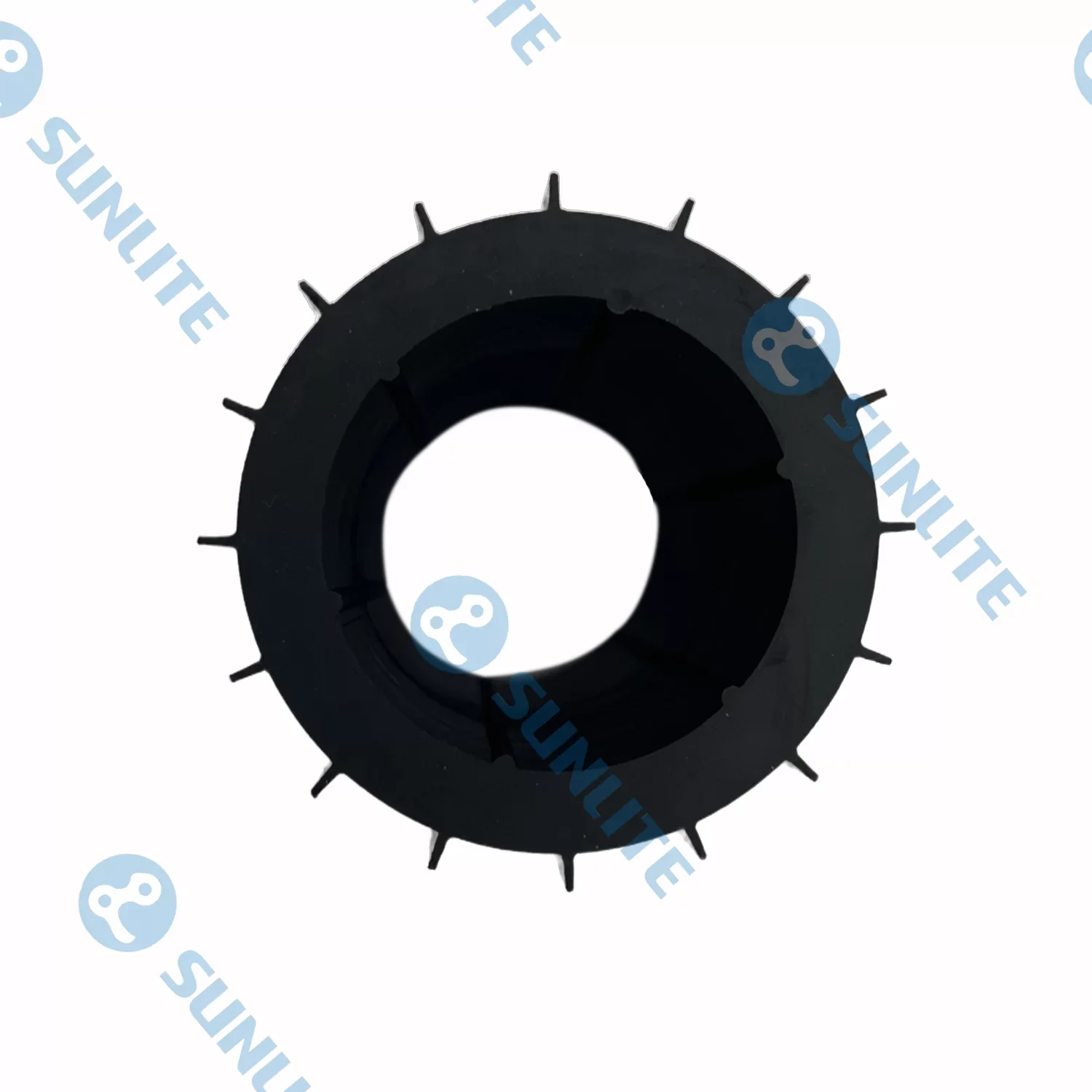
The demanding nature of industrial power tools requires an internal structural integrity that can withstand high-frequency vibrations and intense thermal cycles. At the center of this engineering challenge is the battery pad, a specialized elastomeric component designed to safeguard the delicate lithium-ion cells from mechanical failure and thermal runaway. These pads serve as more than just simple spacers; they are multifunctional barriers that integrate flame retardancy with phase-change energy storage. By utilizing a high-performance rubber matrix, manufacturers can create a stabilized environment that maintains the precise positioning of internal components. This is especially critical in high-drain applications where the rapid movement of electrical energy generates significant heat, requiring a material that can absorb thermal energy while maintaining its structural elasticity over thousands of operating hours.
Advanced Thermal Management and the Specialized EPDM Pad
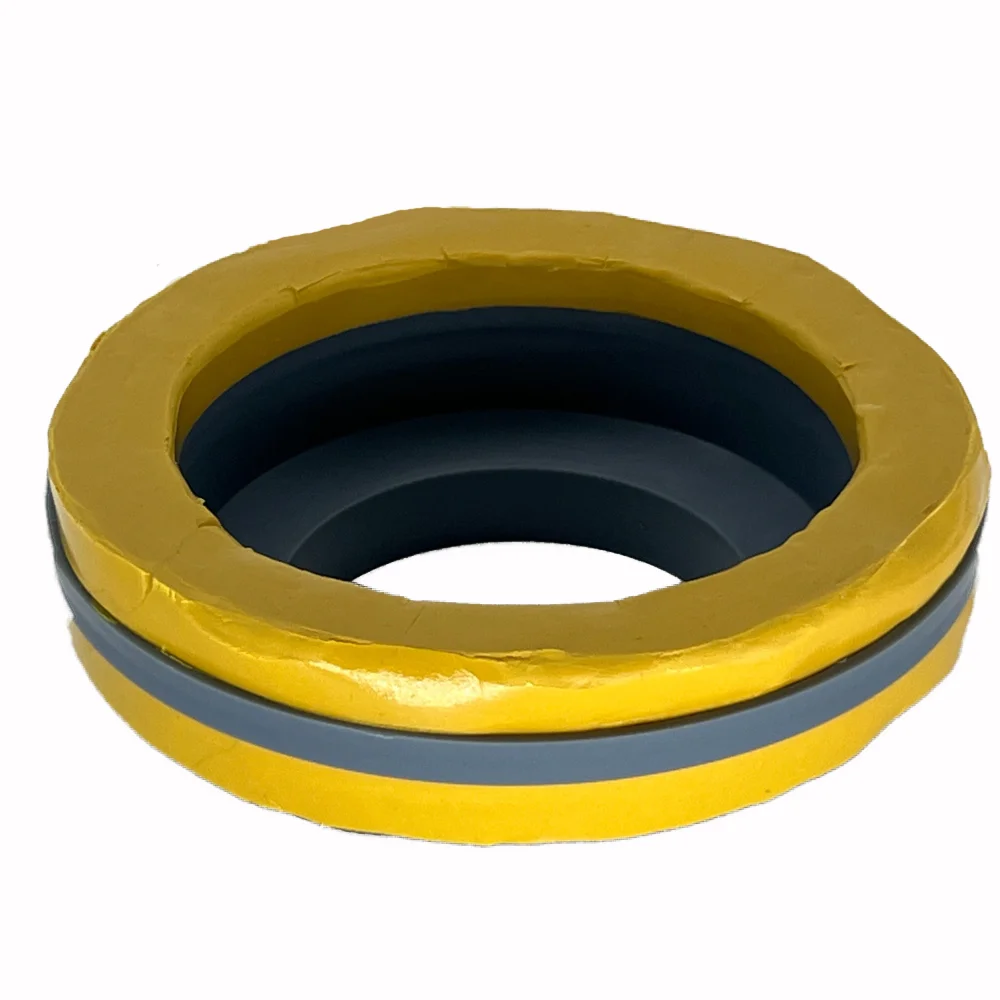
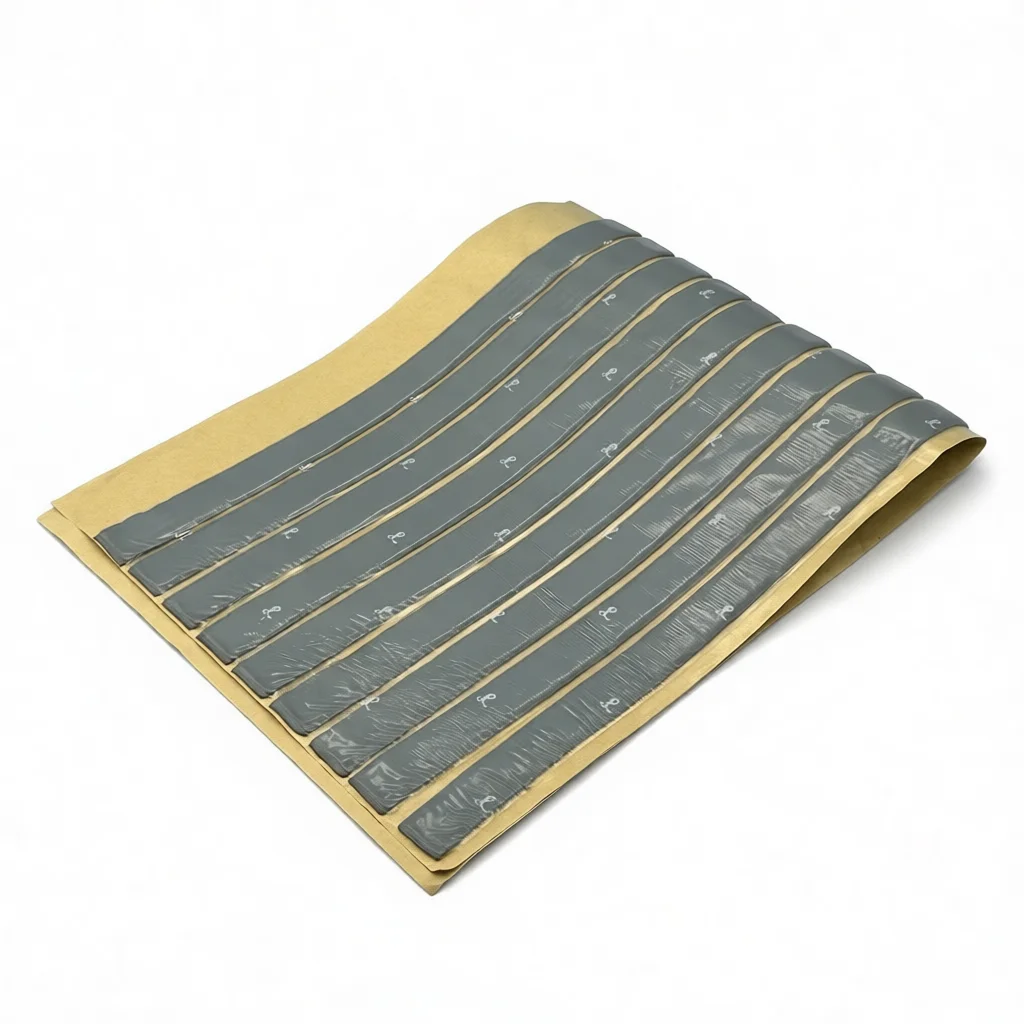
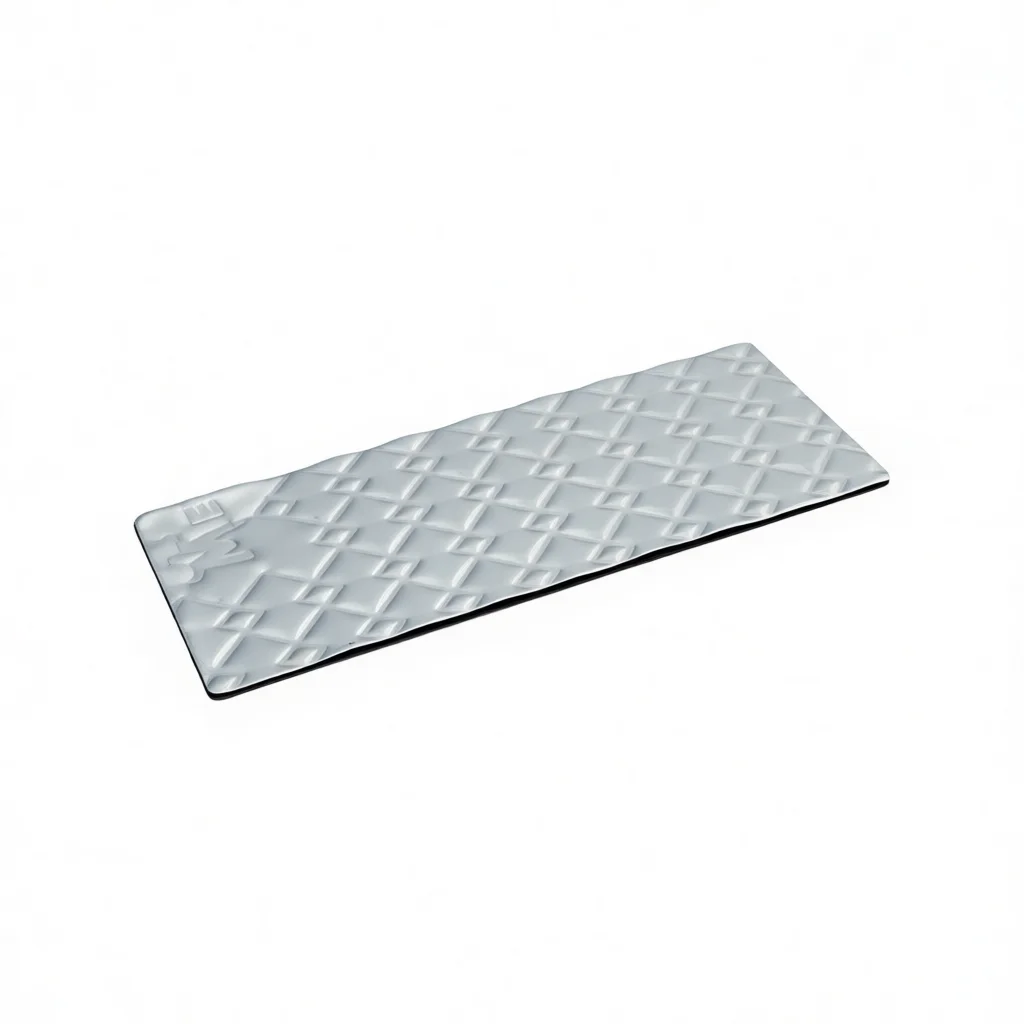
Thermal stability is the primary concern when designing energy storage systems for heavy-duty tools. The development of a high-performance epdm pad involves a sophisticated synthesis process where the ethylene propylene diene monomer is infused with microencapsulated phase-change materials. These agents allow the pad to absorb latent heat during peak operation, effectively acting as a thermal buffer that prevents localized hot spots from damaging adjacent cells. To complement this energy storage capability, the material is also formulated with phosphorus-nitrogen flame retardants, ensuring that the assembly meets stringent safety standards such as UL94 V0. This dual-action protection—absorbing heat while resisting ignition—makes these pads an essential component in the safety architecture of modern high-capacity tool batteries, providing a level of reliability that standard rubber materials cannot achieve.
Structural Integrity of the M18XC Battery Rubber Parts in High Impact Environments
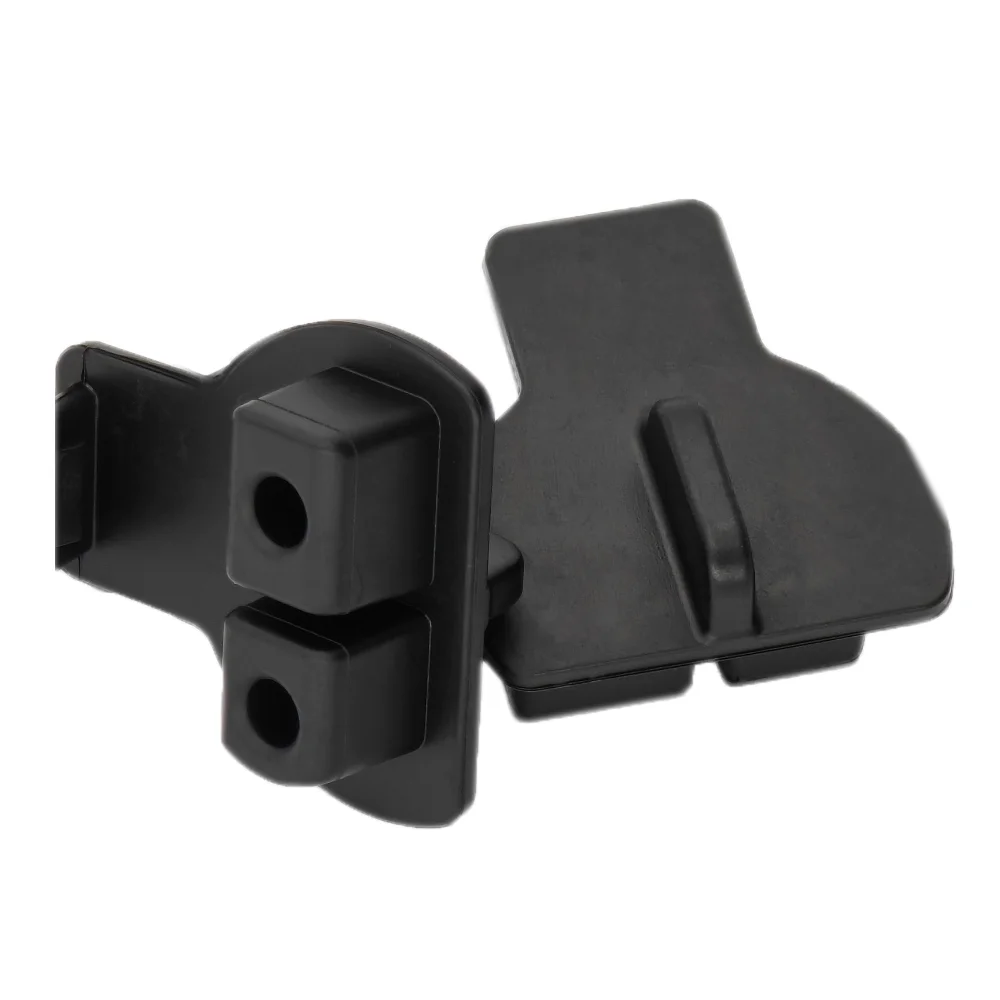
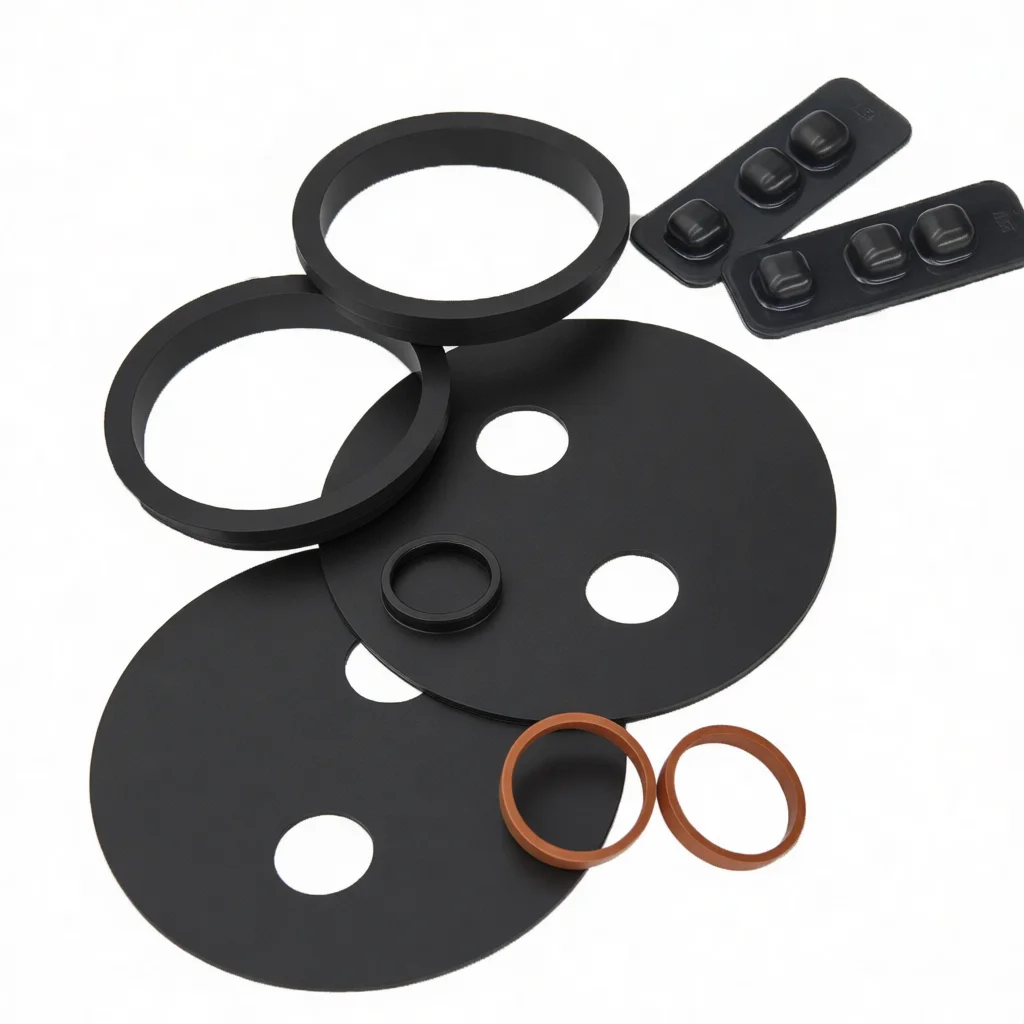
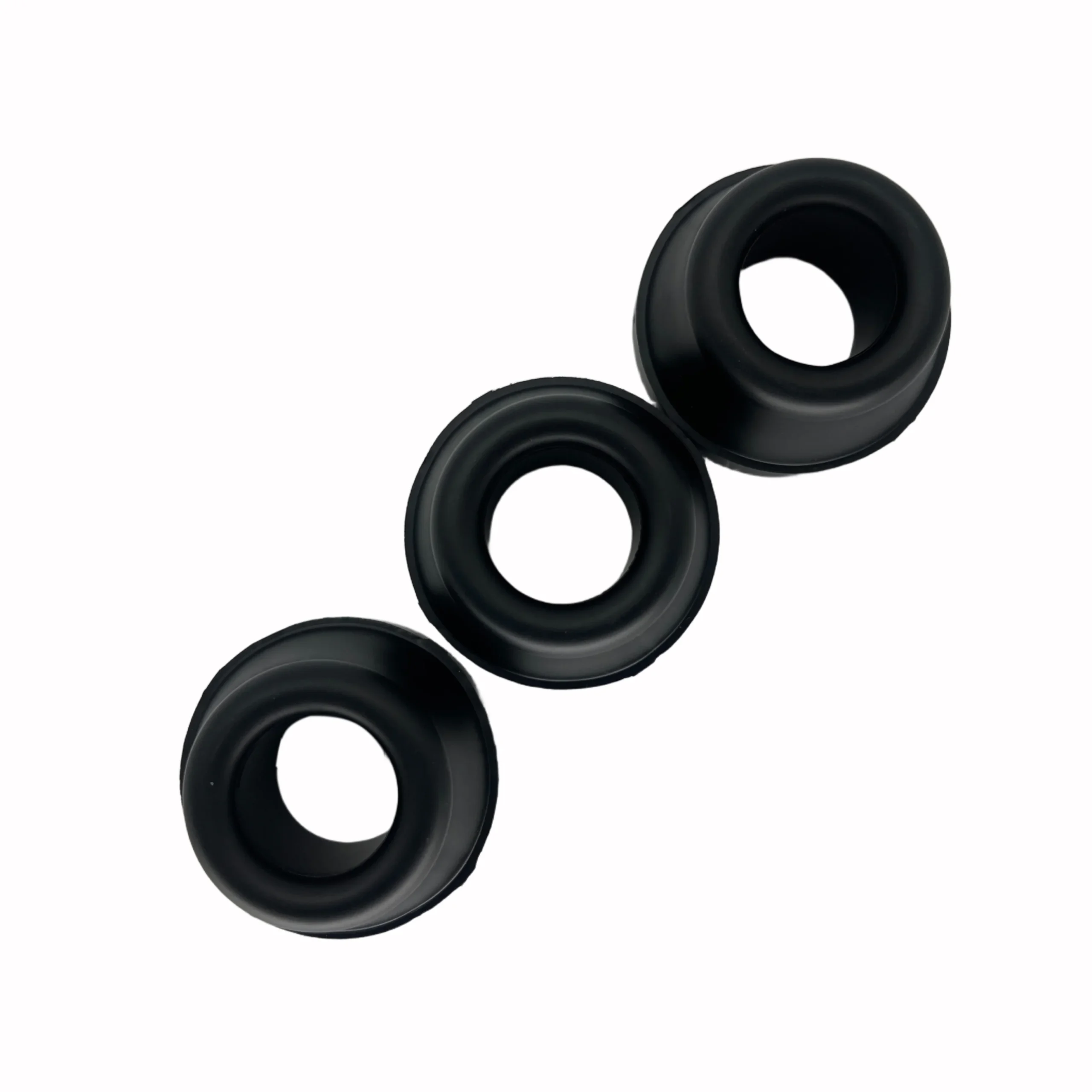
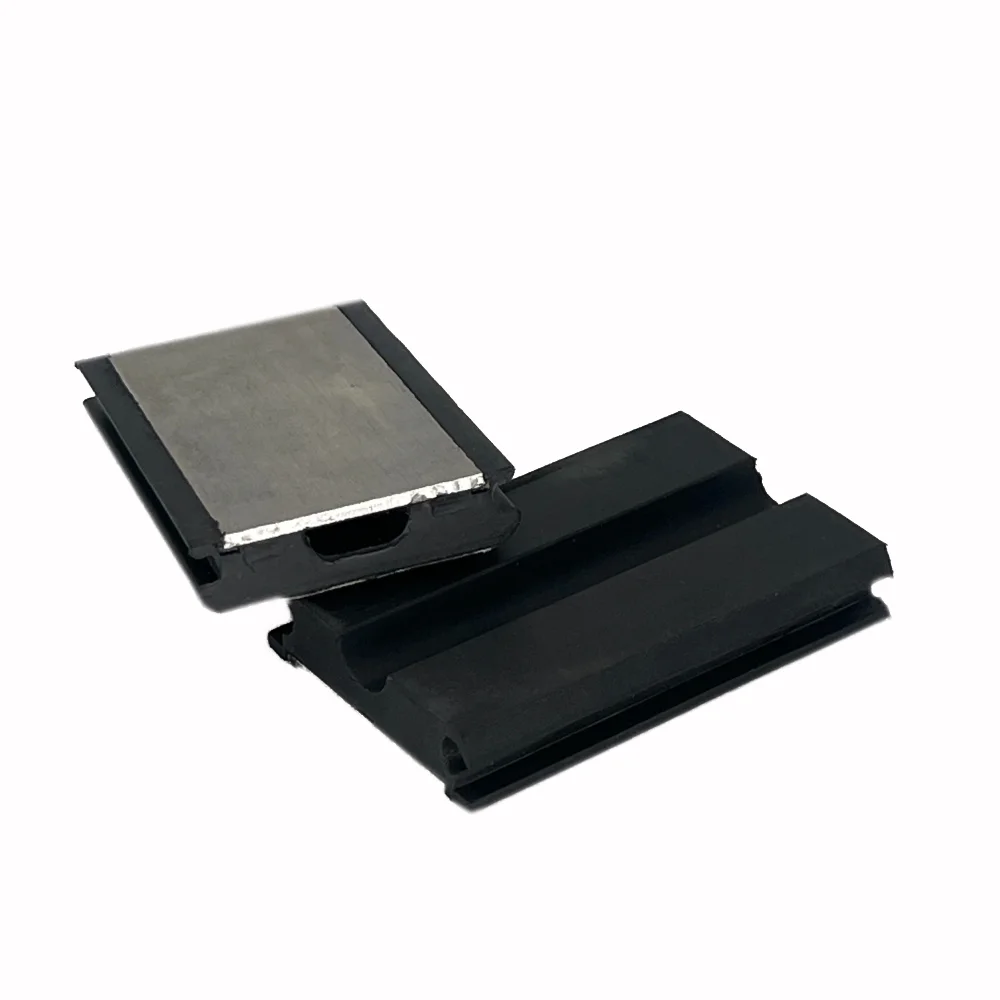
Power tools are frequently subjected to drops, shocks, and the constant mechanical stress of brushless motors. The M18XC battery rubber parts are engineered to address these specific environmental challenges by offering exceptional rebound characteristics and impact resistance. Unlike traditional plastics that may crack under sudden force, these rubber components utilize their inherent elasticity to dampen kinetic energy, protecting the internal cell interconnects and circuit boards. This high-rebound capacity ensures that the battery pack remains tightly assembled even after years of field use. By employing compression molding techniques, these parts are fabricated to maintain their structural tension without loosening, which is vital for preventing the mechanical wear that often leads to internal short circuits in high-voltage industrial equipment.
Enhancing Grip and Vibration Dampening with Quality Battery Rubber
Beyond the internal protection of the cells, the external and interfacial use of battery rubber provides critical tactile and mechanical benefits. In high-torque applications, the vibration generated by the tool can lead to hand fatigue for the operator and mechanical fatigue for the battery interface. High-quality elastomeric pads placed between the battery and the tool body act as shock absorbers, isolating the energy storage unit from the tool’s motor vibrations. This separation not only increases the comfort of the user but also prevents the pins and connectors from vibrating loose over time. The chemical resistance of the EPDM matrix ensures that the rubber does not degrade when exposed to common job site fluids like oils, greases, or cleaning solvents, maintaining its grippy, protective texture throughout the entire lifecycle of the battery pack.
Precision Fit and Electrical Isolation of the M12 Battery Pad
Compact battery systems present unique spatial constraints where every millimeter of material must perform multiple functions. The M12 battery pad is a prime example of high-precision engineering in a small footprint. Despite its smaller size, this component must provide the same level of electrical isolation and flame retardancy as its larger counterparts. The insulator properties of the EPDM matrix are crucial here, preventing any potential arcing between tightly packed cells or adjacent wiring. Because the M12 series often powers precision tools, the pad must also ensure perfect cell positioning to maintain the balance of the tool. The use of microencapsulation technology allows for the uniform dispersion of functional additives within these smaller pads, ensuring that even a thin layer of rubber provides comprehensive protection against thermal events and mechanical shifts.
Material Science and the Durability of EPDM Rubber Pads
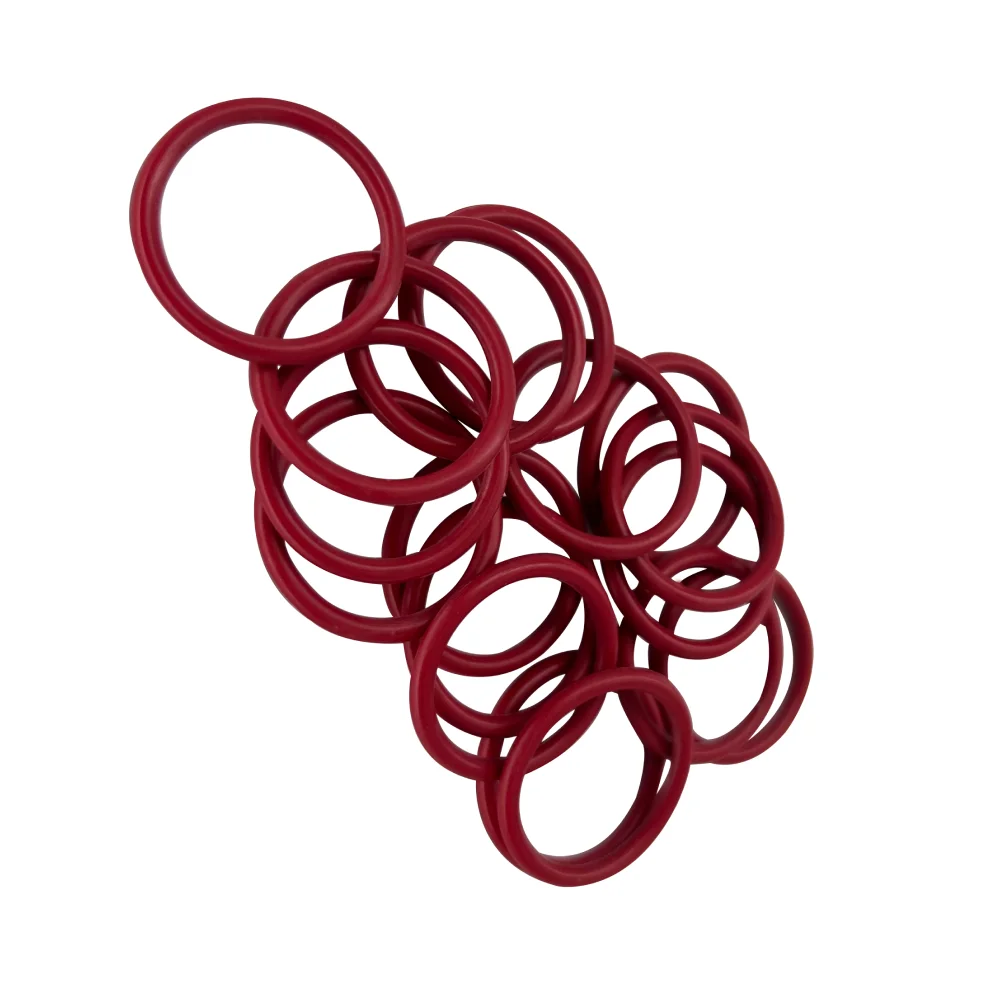
The transition toward high-voltage systems has shifted the focus toward the long-term durability of epdm rubber pads. As energy storage densities increase, the internal temperatures of battery packs can reach levels that cause standard elastomers to become brittle or lose their shape. However, the EPDM-based composites used in modern tool batteries are designed to resist this oxidative aging. By utilizing a rubber-based matrix that is cross-linked for high thermal stability, these pads can endure years of continuous charge and discharge cycles without losing their rebound capacity. This durability ensures that the cells remain securely positioned for the life of the battery, which is a critical factor in maintaining the warranty and safety ratings of professional-grade power tool systems used in construction and automotive manufacturing.
Mechanical Stability and the Long Term Rebound of Battery Rubber Parts
The ability of a material to return to its original shape after a compressive load is known as its rebound capacity, and it is perhaps the most important mechanical trait of M18XC battery rubber parts. In a battery pack, the cells slightly expand and contract during thermal cycles. A pad with poor rebound would eventually lose contact with the cells, leading to gaps that allow for vibration and mechanical wear. By contrast, a high-quality EPDM composite maintains constant pressure against the cell walls, ensuring that the thermal and mechanical interface remains perfectly intact. This constant tension is what allows the battery to remain secure for over eight years of intensive use, preventing the "loosening" effect that can lead to catastrophic failure in high-output energy modules.
Preparation Technology for Multifunctional Energy Storage Materials
The creation of these advanced rubber components requires a sophisticated multifunctional integration of materials. The process begins with the selection of a high-purity rubber matrix, which is then combined with flame retardants and phase-change energy storage agents. The use of microencapsulation is a critical technological step, as it protects the phase-change agents from reacting prematurely during the mixing process. Once the compounds are uniformly dispersed, compression molding is applied to create the final battery pad shape. This method ensures that the flame retardancy and thermal stability are balanced with the mechanical requirements of the tool. The result is a high-performance material that not only cushions the battery but actively participates in its thermal management, representing a significant advancement over traditional passive insulation materials.
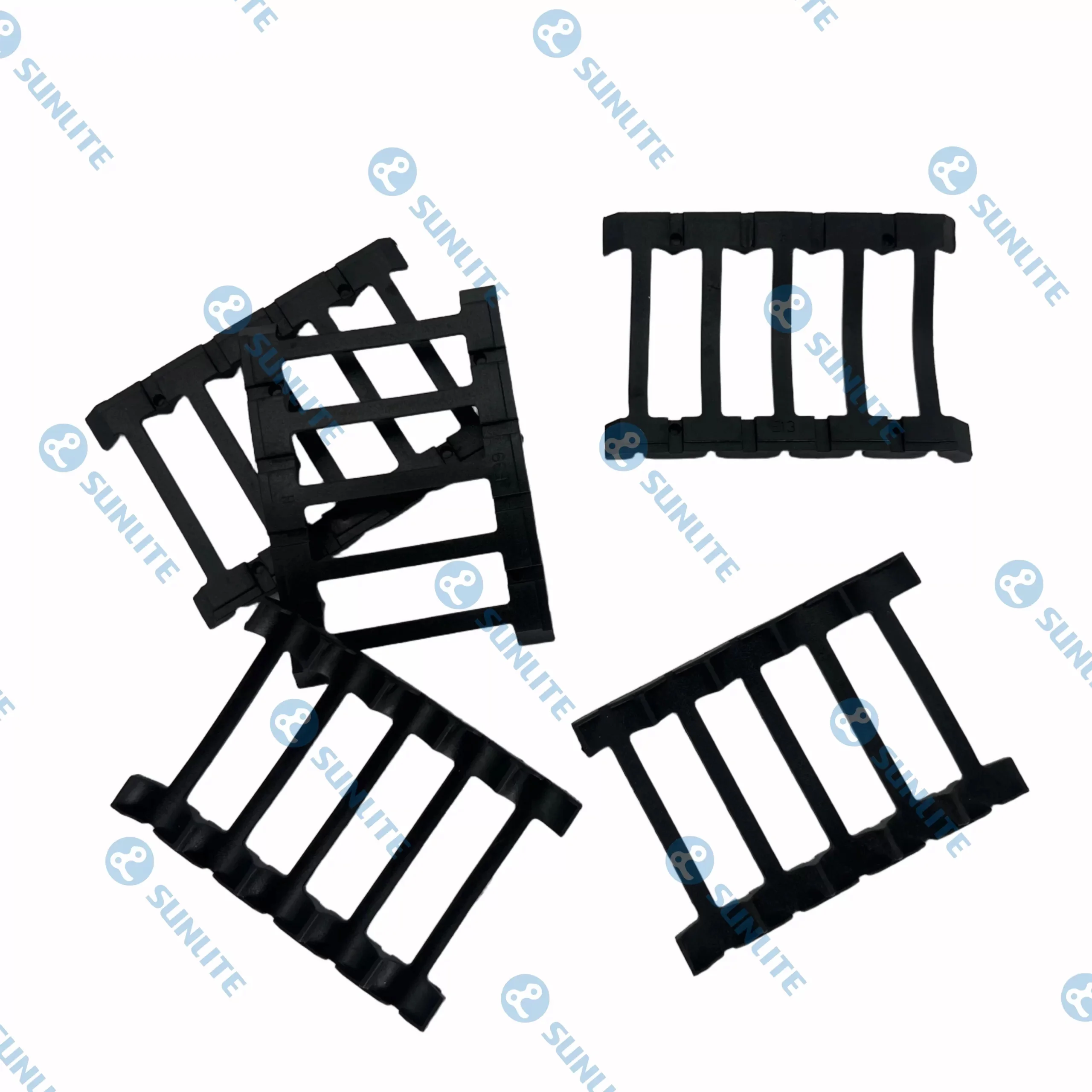
The demanding nature of industrial power tools requires an internal structural integrity that can withstand high-frequency vibrations and intense thermal cycles.