

 Select Language
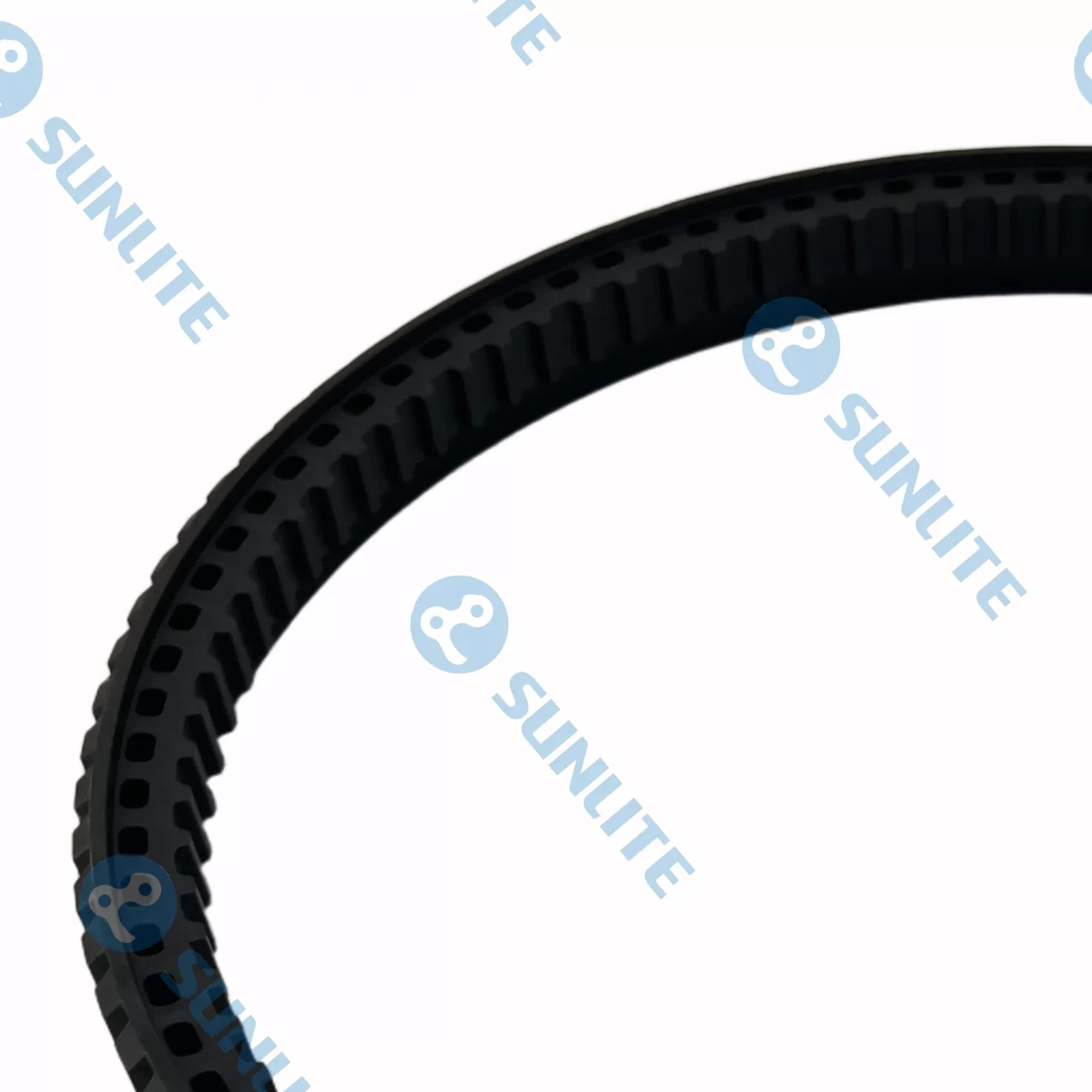
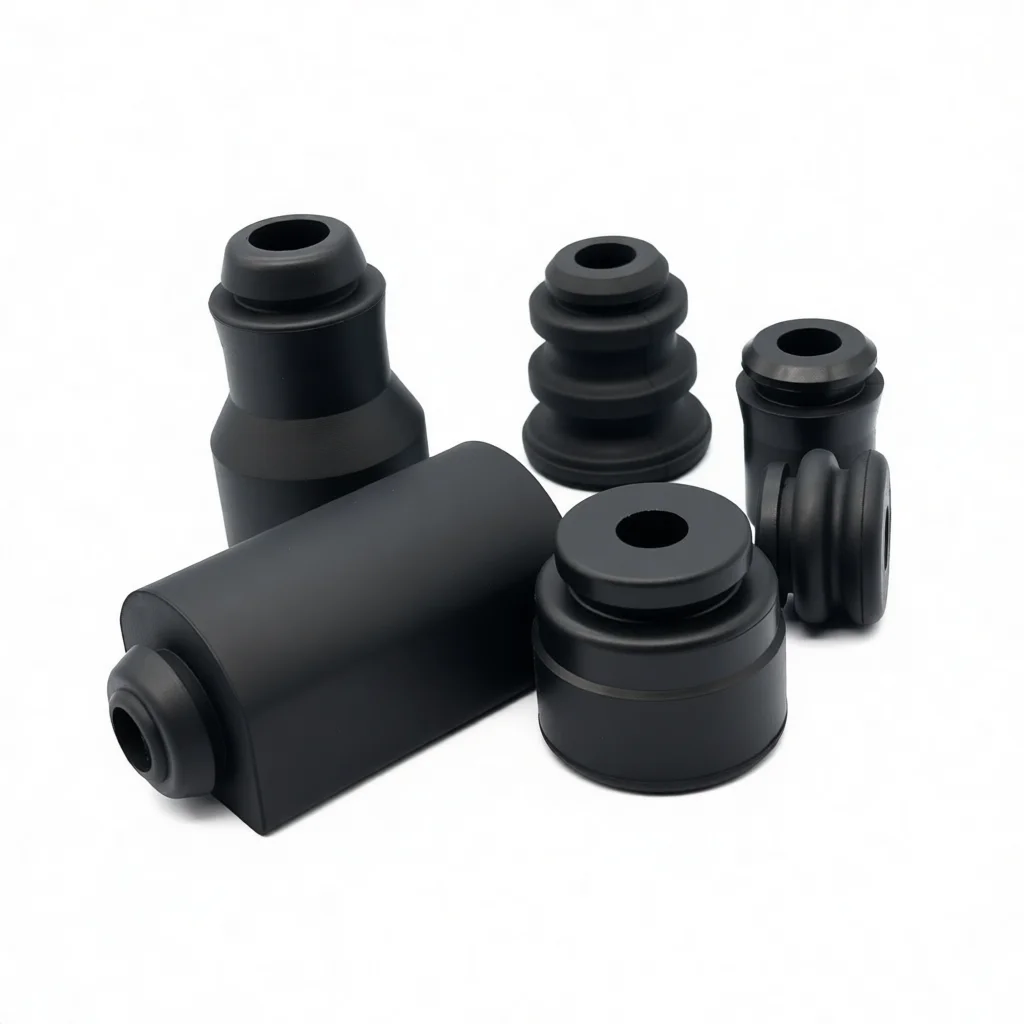
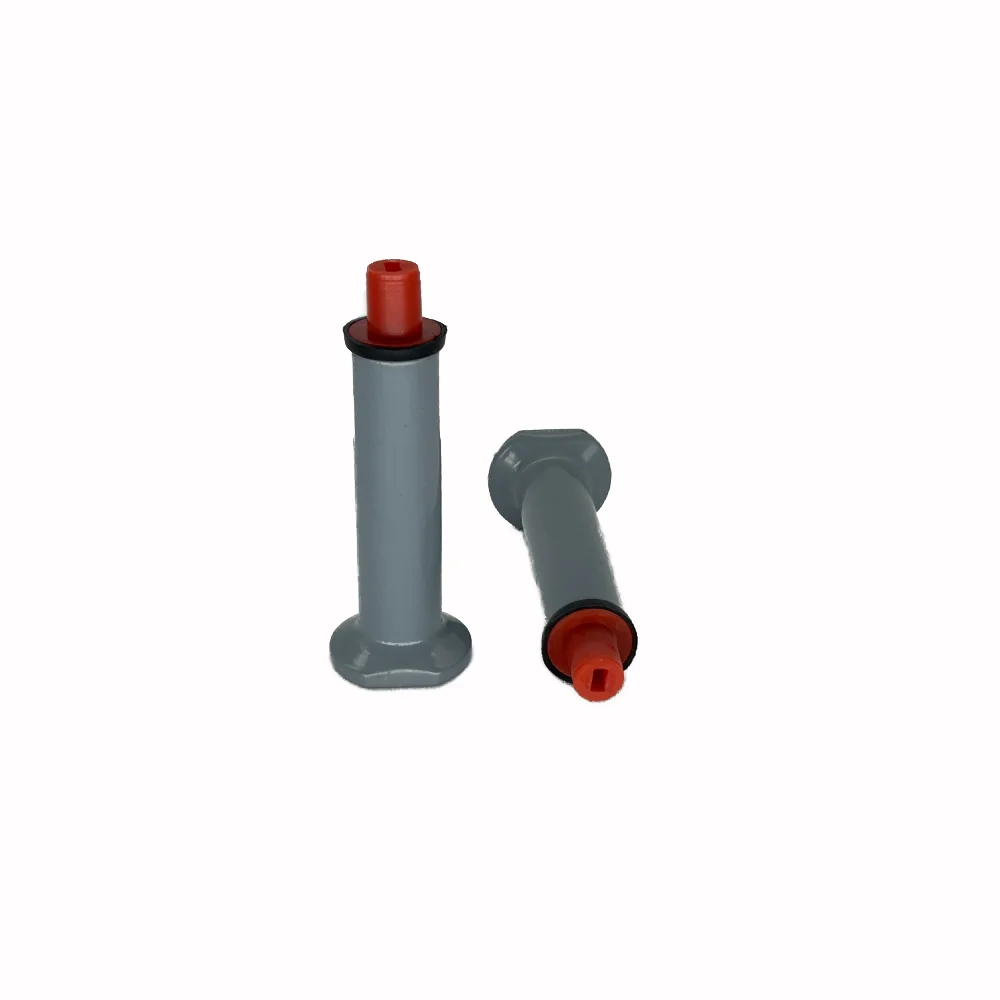
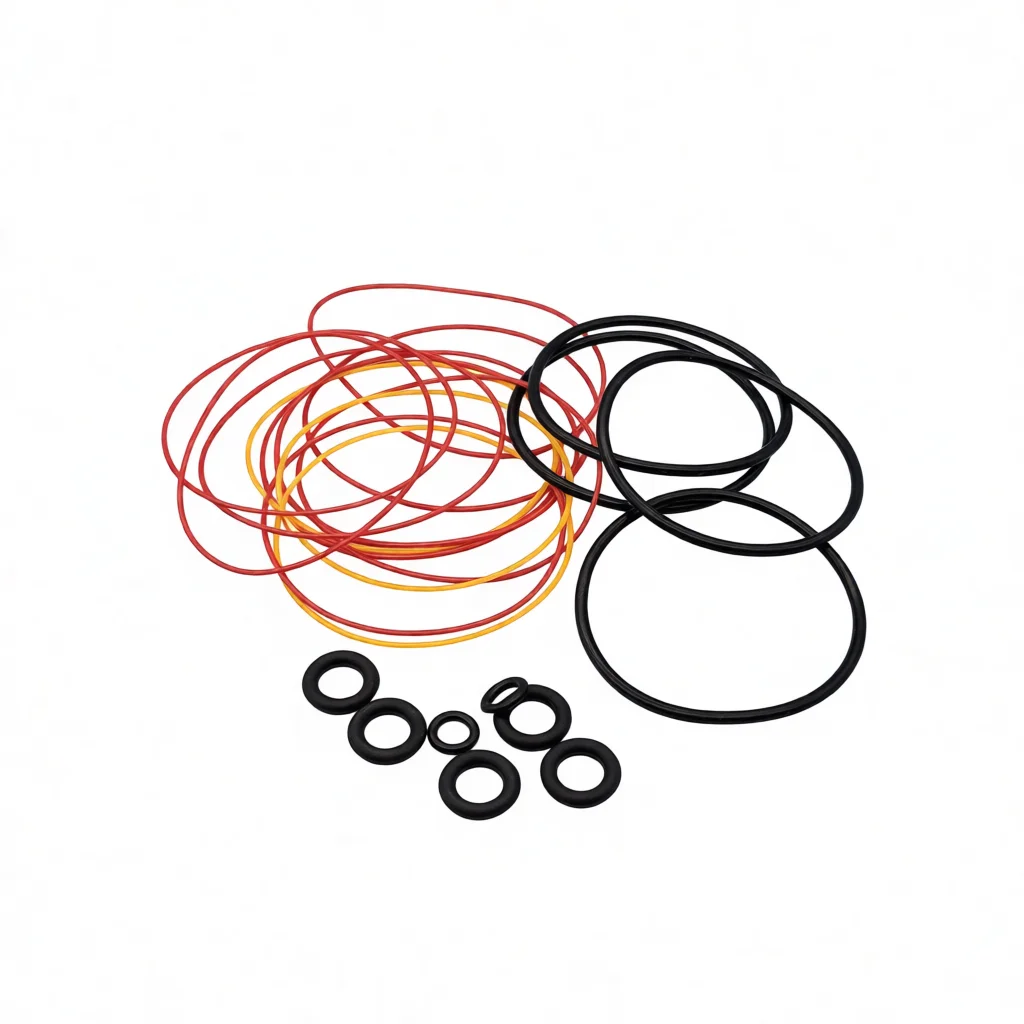
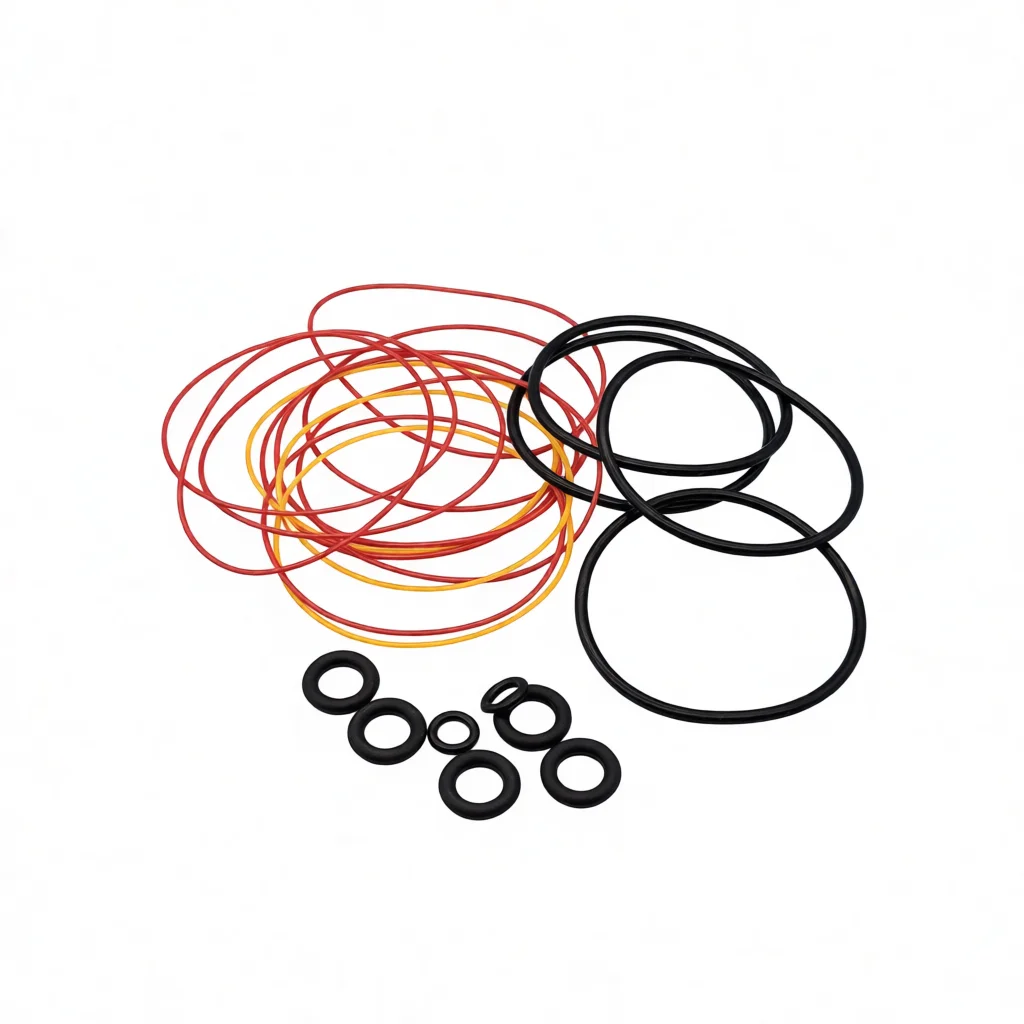
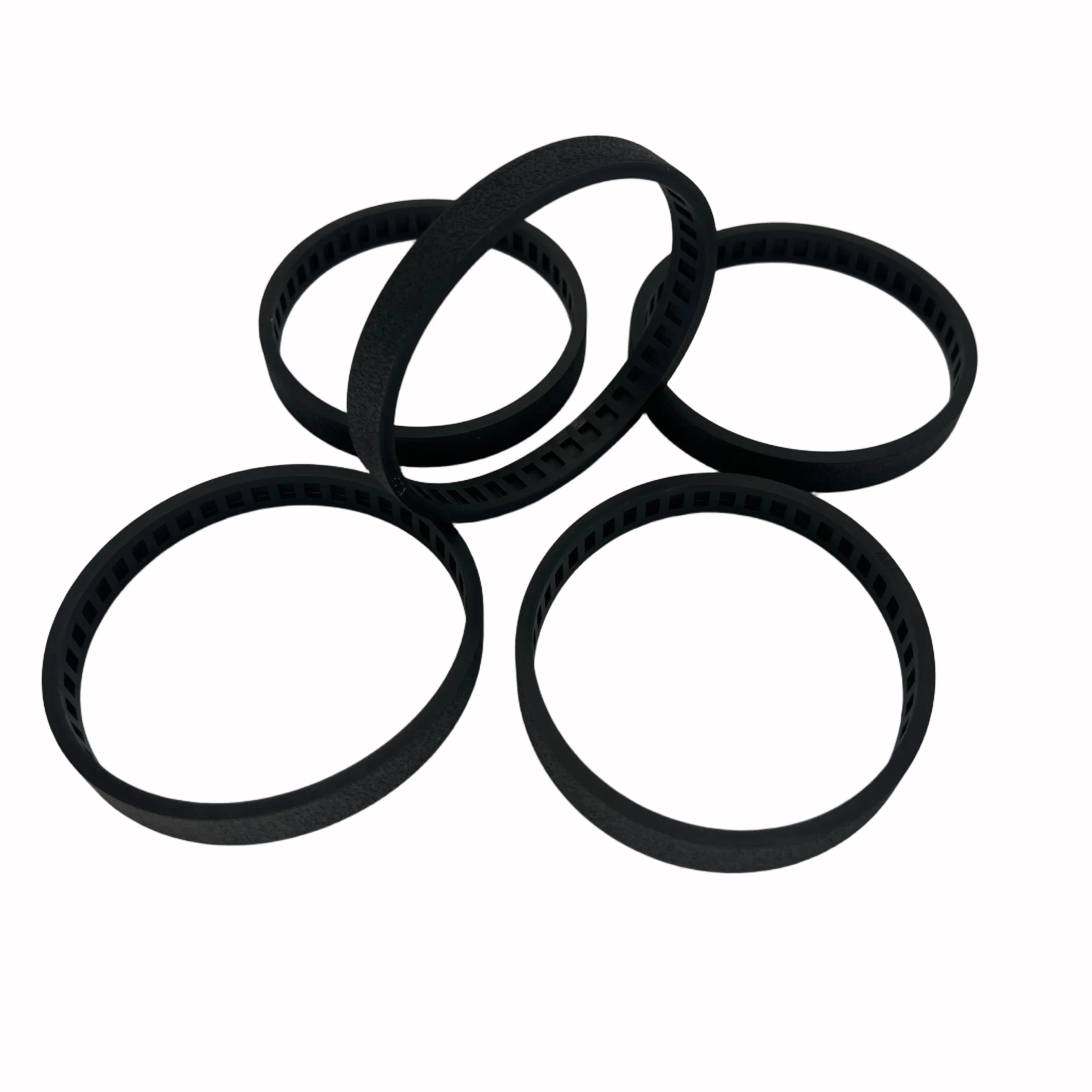
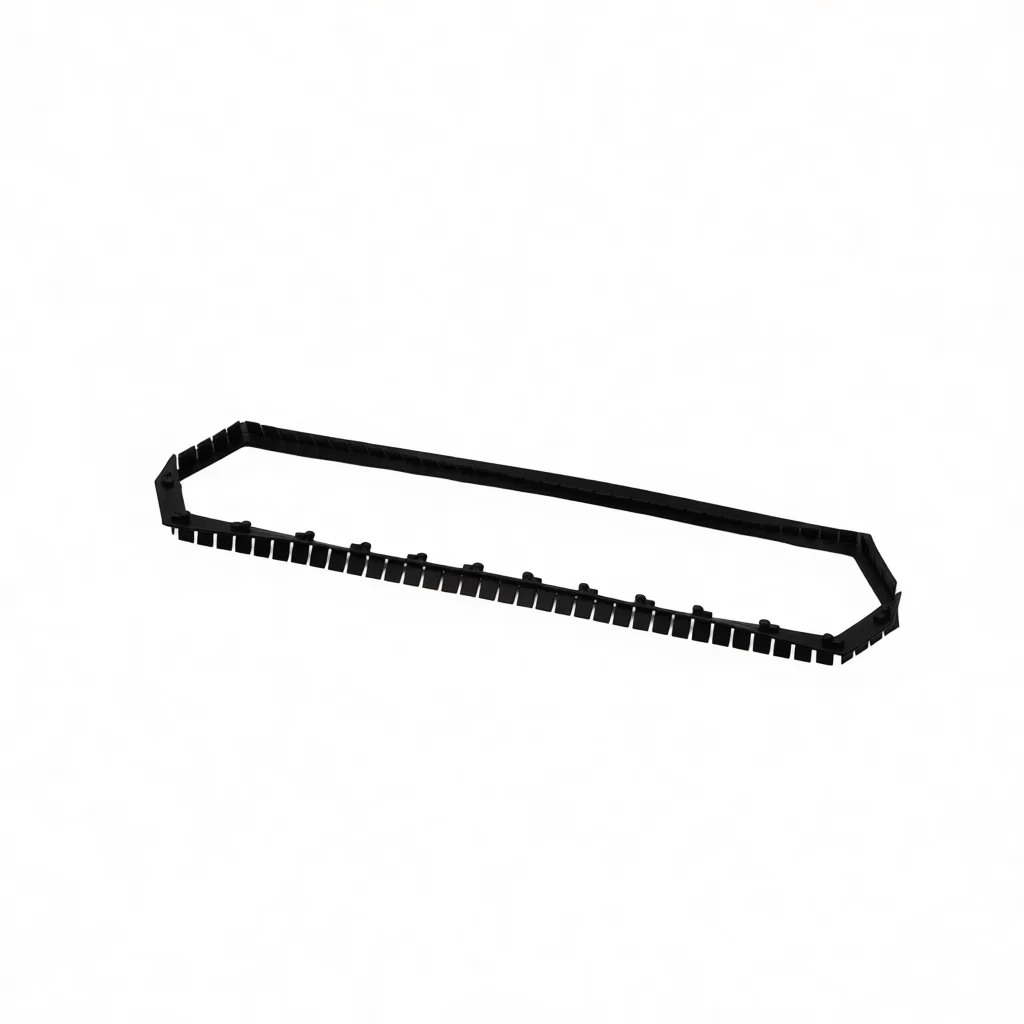
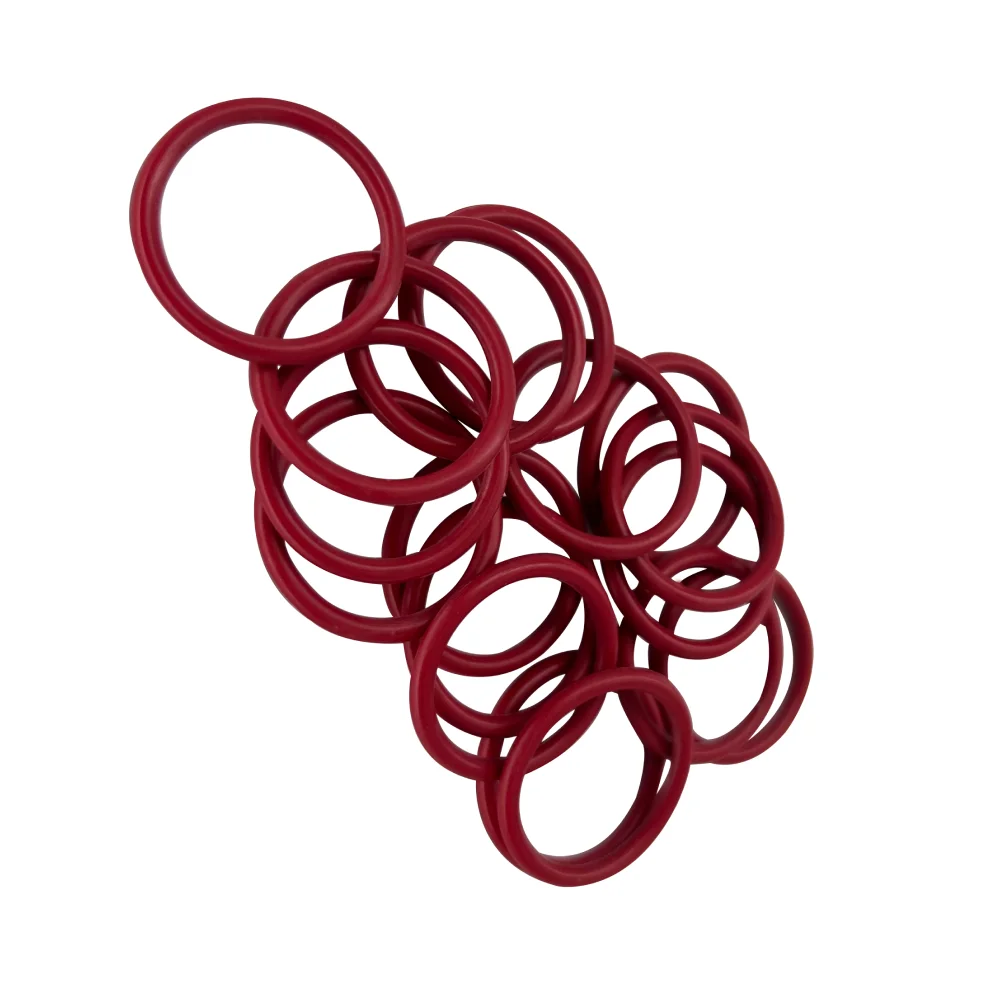
The integration of Fluorocarbon (FKM) elastomers into the drone industry represents a significant leap in chemical and thermal resistance. An fkm drone seal is specifically designed for aircraft that must withstand exposure to aggressive fluids, such as the pesticides used in agriculture or the hydraulic oils found in industrial inspection zones. Unlike standard nitriles, FKM maintains its sealing force at temperatures exceeding 200°C, ensuring that motor housings and battery compartments remain hermetically sealed during high-intensity flight cycles.
What sets the modern antistatic FKM seal apart is the sophisticated molecular design used during its preparation. By loading the fluoroelastomer matrix with conductive particles and organic compounds, engineers can precisely regulate the material's resistance. This allows the fkm drone seal to serve as a bridge for electrostatic discharge. In environments where a single spark could lead to a safety accident—such as near fuel vapors or dry crop dust—the ability of the FKM material to dissipate static while maintaining a dustproof and waterproof barrier is indispensable. This dual-functionality ensures that the drone reaches an advanced level of safety that meets global environmental regulations like RoHS 2.0 and REACH.
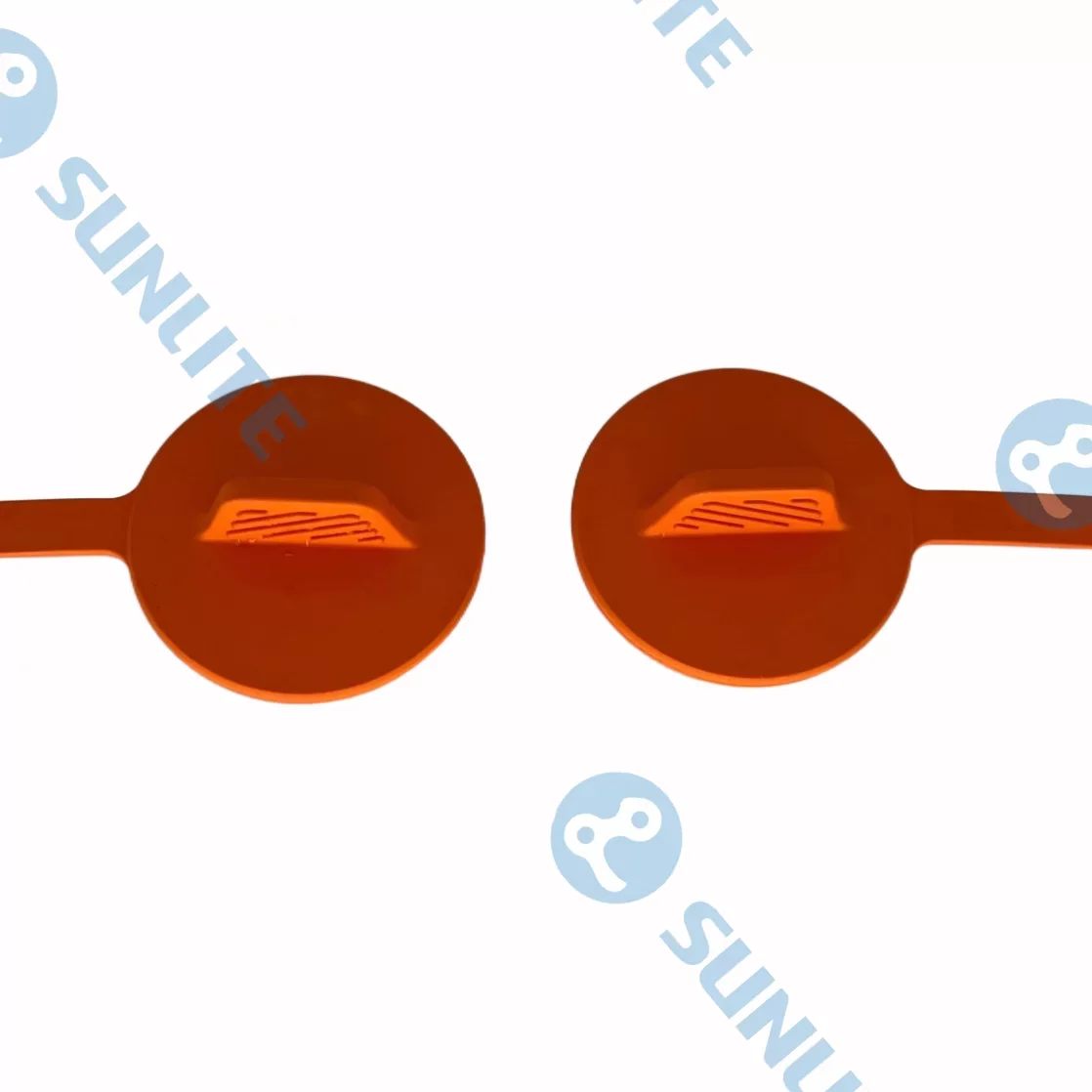
The Mechanical Versatility of the Flexible Impeller in UAV Cooling
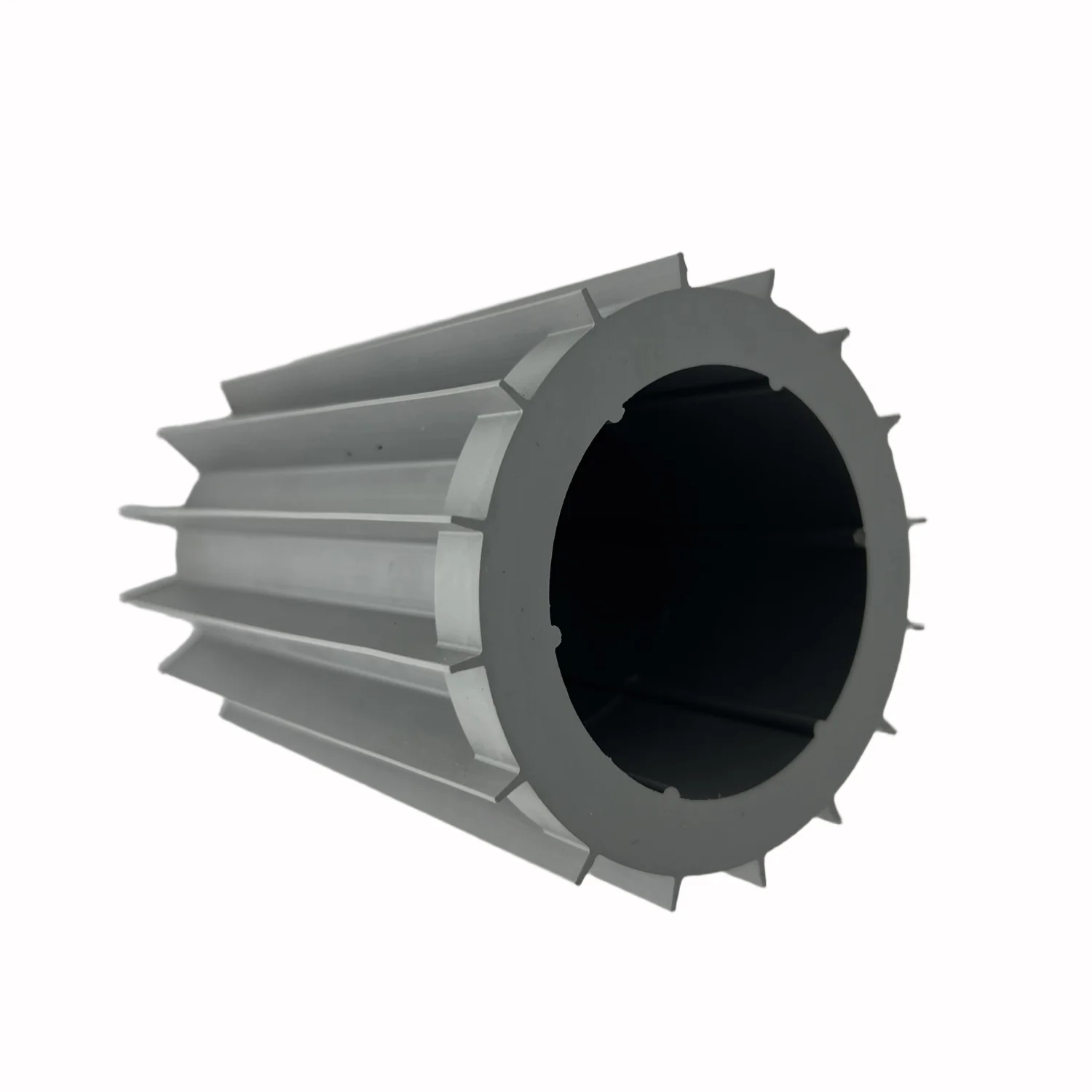
Thermal management is one of the most persistent challenges in drone engineering. As high-output motors and onboard processors generate immense heat, the need for efficient fluid or air movement becomes critical. The flexible impeller made from antistatic elastomer materials offers a unique solution to this problem. Unlike rigid plastic blades, a flexible variant can deform slightly to maintain a constant seal against its housing, maximizing displacement even at varying RPMs.
The use of antistatic elastomers in a flexible impeller prevents the accumulation of fine dust particles that are often attracted to moving parts via static electricity. In traditional cooling systems, dust buildup can unbalance the rotor, leading to vibration and eventual bearing failure. However, the conductive fibers embedded in the elastomer matrix ensure that the impeller remains electrically neutral. This "self-cleaning" property, combined with high elasticity and vibration-damping characteristics, allows the cooling system to operate with much higher reliability. By focusing on the precise regulation of the material’s mechanical and electrical properties, manufacturers can ensure that the cooling system does not interfere with sensitive GPS or telemetry signals.
Optimizing Fluid Transport with the Specialized Rubber Impeller
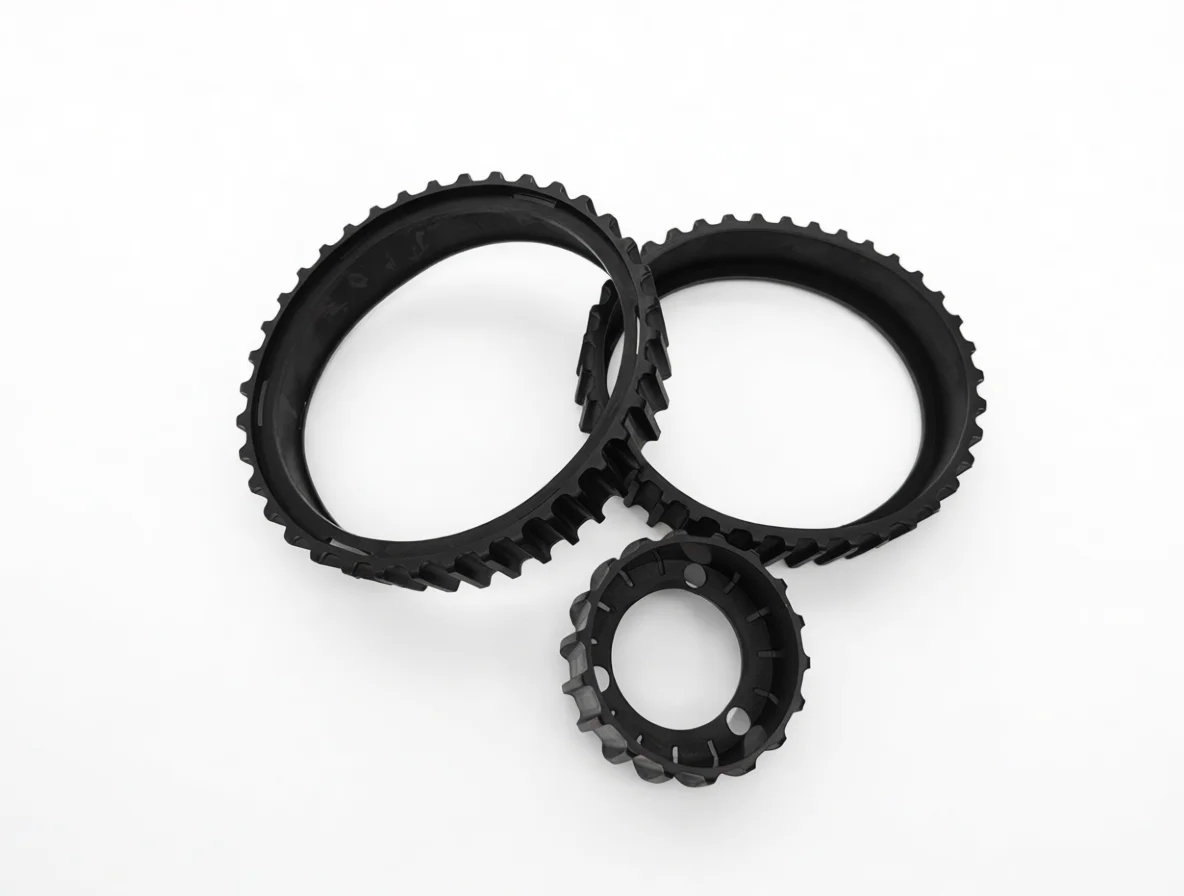
For drones tasked with liquid delivery—such as firefighting UAVs or large-scale agricultural sprayers—the rubber impeller is the heart of the pumping system. These components must be rugged enough to handle high pressures while remaining flexible enough to pass small particulates without clogging. The preparation technology for these impellers involves a complex process control that balances the need for low resistance with the requirement for high tensile strength.
A rubber impeller manufactured from advanced elastomers is characterized by its superior buffering and cushioning effects. When the pump starts or stops suddenly, the elastomer absorbs the hydraulic shock, protecting the motor shaft and the internal plumbing of the drone. Furthermore, the antistatic nature of the material is a critical safety feature when spraying flammable or volatile liquids. By ensuring that the fluid-moving components do not generate a static charge, the risk of a spark at the nozzle or within the pump housing is virtually eliminated. This level of safety is essential for meeting the stringent requirements of the POPs and TSCA environmental regulations, ensuring that the drone is fit for use in regulated international markets.
Enhancing Propulsion Efficiency Through Advanced Impeller Design
The term impeller generally refers to any rotor used to increase the pressure and flow of a fluid. In the context of UAVs, this can range from internal cooling fans to the specialized rotors used in ducted fan propulsion systems. The evolution of the impeller from a simple plastic part to a high-tech elastomer component has changed how we perceive drone durability. By utilizing materials that reach the advanced level of preparation technology, these rotors are now capable of operating in extreme conditions that would shatter traditional composites.
The high elasticity of modern elastomer impellers allows them to survive minor impacts, such as bird strikes or debris ingestion, which would typically result in a catastrophic "in-flight break-up" for rigid props. This molecular-level engineering ensures that the impeller contributes to the drone's overall electromagnetic stability, reducing "noise" in the flight controller and allowing for more precise autonomous navigation. Through continuous research and improvement, these components have become the gold standard for drones operating in the most demanding fields of practical application.
Drone Seal: Material Science as the Foundation of Future UAV Innovation
The transition toward using FKM and other advanced elastomers in drone manufacturing is not merely a trend; it is a fundamental shift in how we approach aircraft longevity. The ability to precisely regulate the resistance, elasticity, and temperature tolerance of a fkm drone seal or a rubber impeller allows engineers to build drones that are lighter, safer, and more efficient. As we look toward the future, the integration of these materials will be the deciding factor in whether a UAV platform can handle the transition from a "fair-weather" tool to an "all-weather" industrial asset.
By adhering to the strict requirements of environmental regulations such as PFAS and PAHs, the industry is ensuring that this progress is sustainable. The combination of antistatic functionality, vibration damping, and chemical resistance creates a synergy that protects the drone from both the internal stresses of flight and the external hazards of the environment. As preparation technology continues to advance, the role of these specialized elastomers will only grow, cementing their place as the most critical components in the modern UAV ecosystem.
The integration of Fluorocarbon (FKM) elastomers into the drone industry represents a significant leap in chemical and thermal resistance.