

 Select Language
Alright, let's talk about electric vehicles. They're undeniably the future, right? But as we push for faster charging, longer ranges, and frankly, a more exhilarating driving experience, we often overlook some of the unsung heroes that make it all possible – and safe. I'm talking about the materials that keep things quiet and, more critically, fire-resistant. It's not just about flashy batteries anymore; it's about the intricate details.
The EV Revolution: Beyond Performance to Protection
The automotive industry, particularly the EV sector, is in constant flux. We've seen incredible advancements in battery technology and motor efficiency. But with these innovations come new challenges. Noise, Vibration, and Harshness (NVH) is a big one – electric motors, while quiet in some respects, introduce high-frequency vibrations that conventional dampeners might not handle well. And then there's the elephant in the room: fire safety. Battery thermal runaway incidents, though rare, underscore the absolute necessity for every component in an EV to contribute to overall safety. Moreover, environmental regulations are tightening, pushing for halogen-free shock absorbers and materials wherever possible. This is where advanced solutions truly shine.
Introducing the Next Generation: Flame-Retardant & Halogen-Free
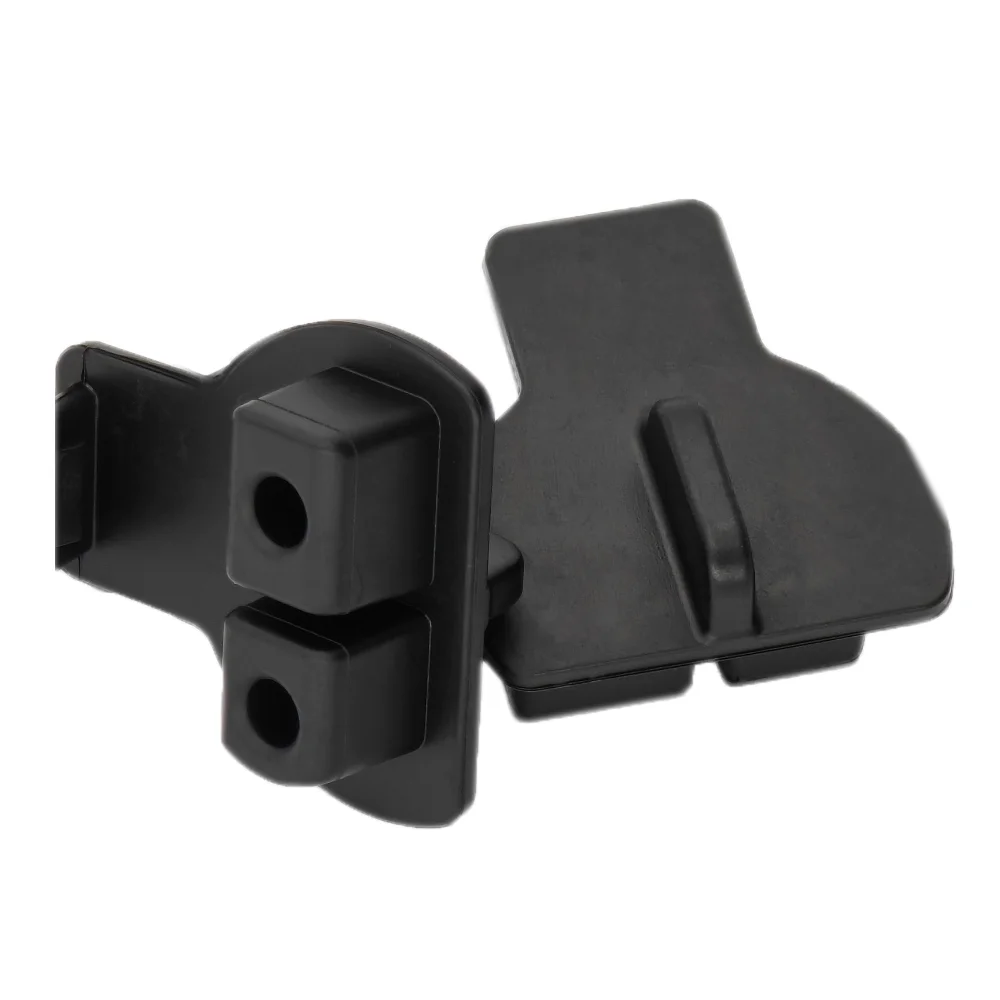
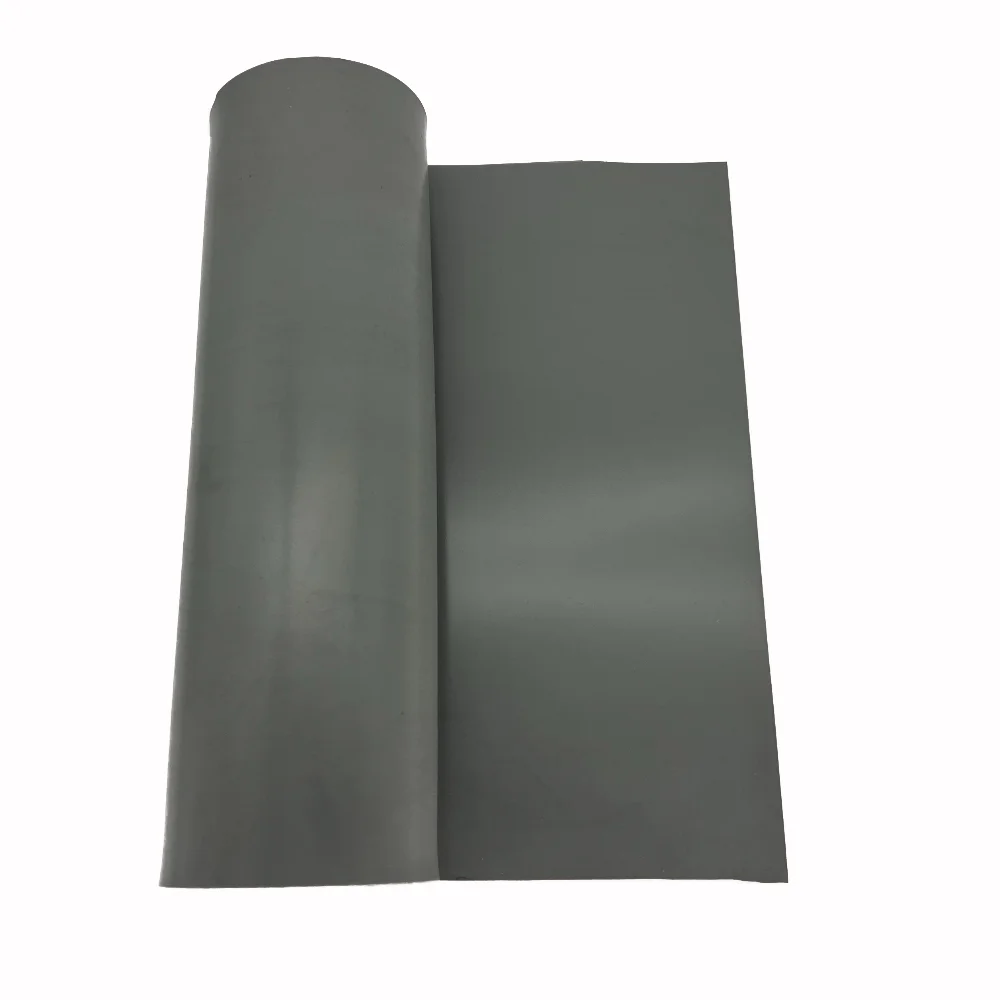
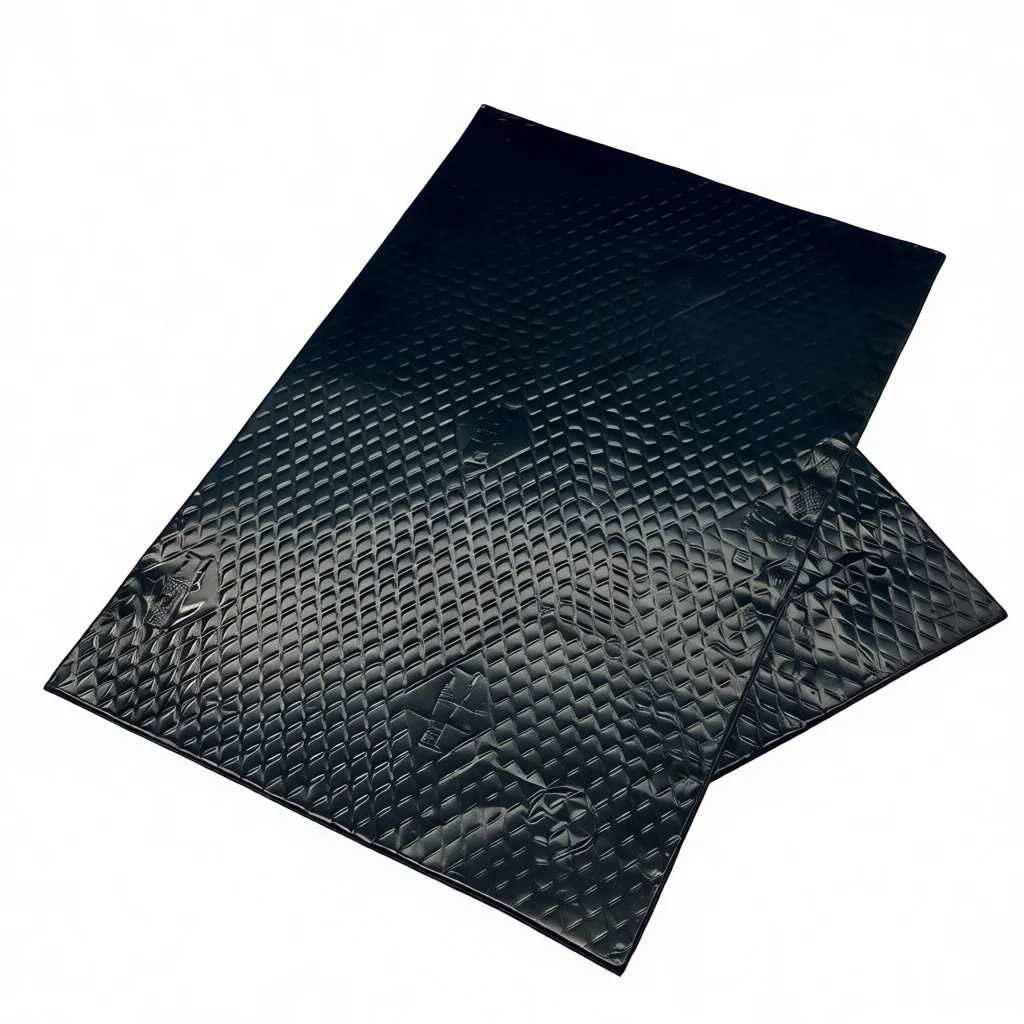
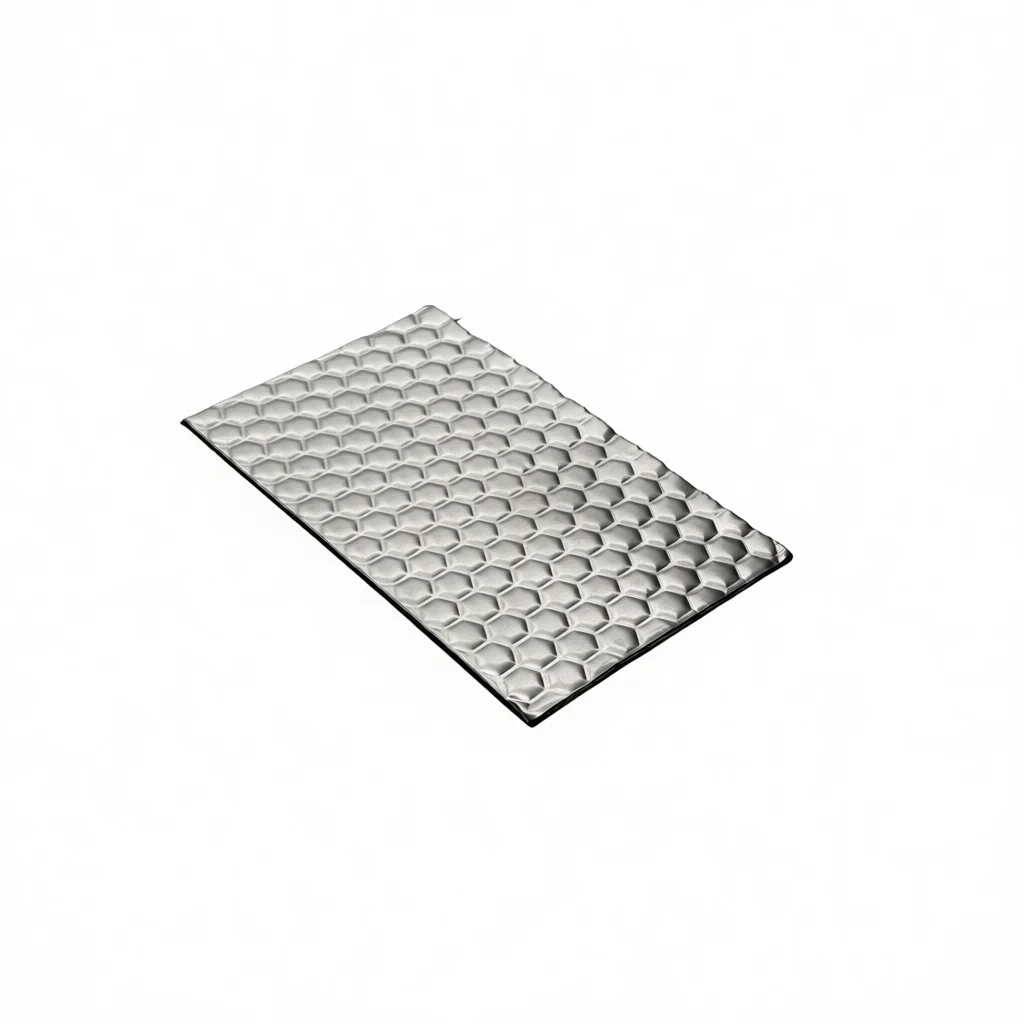
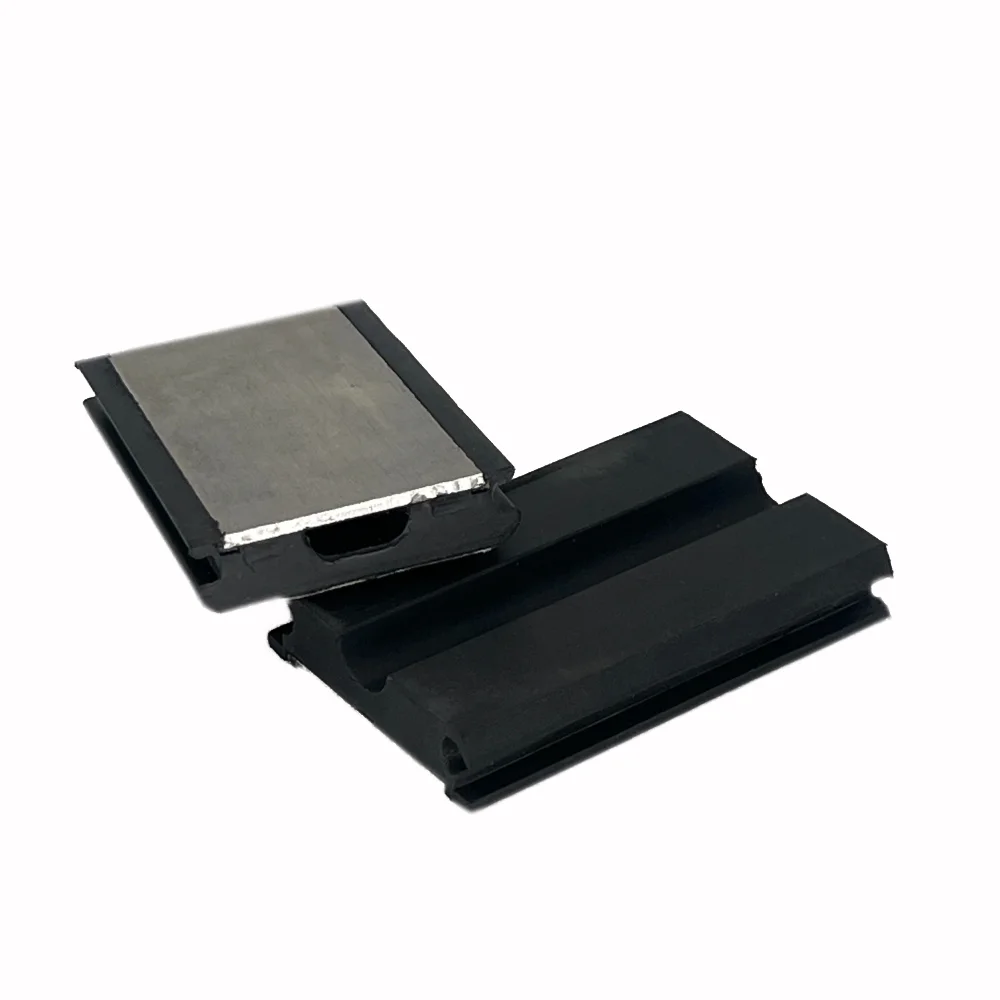
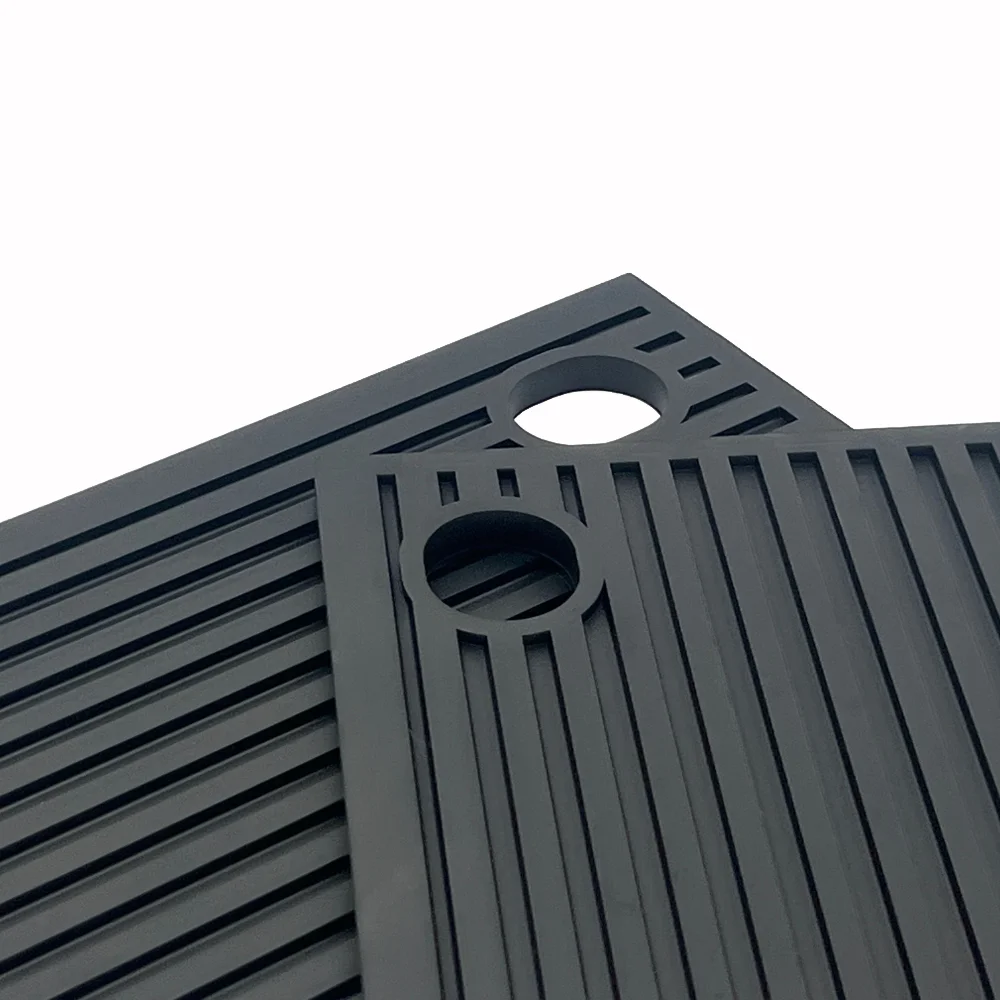
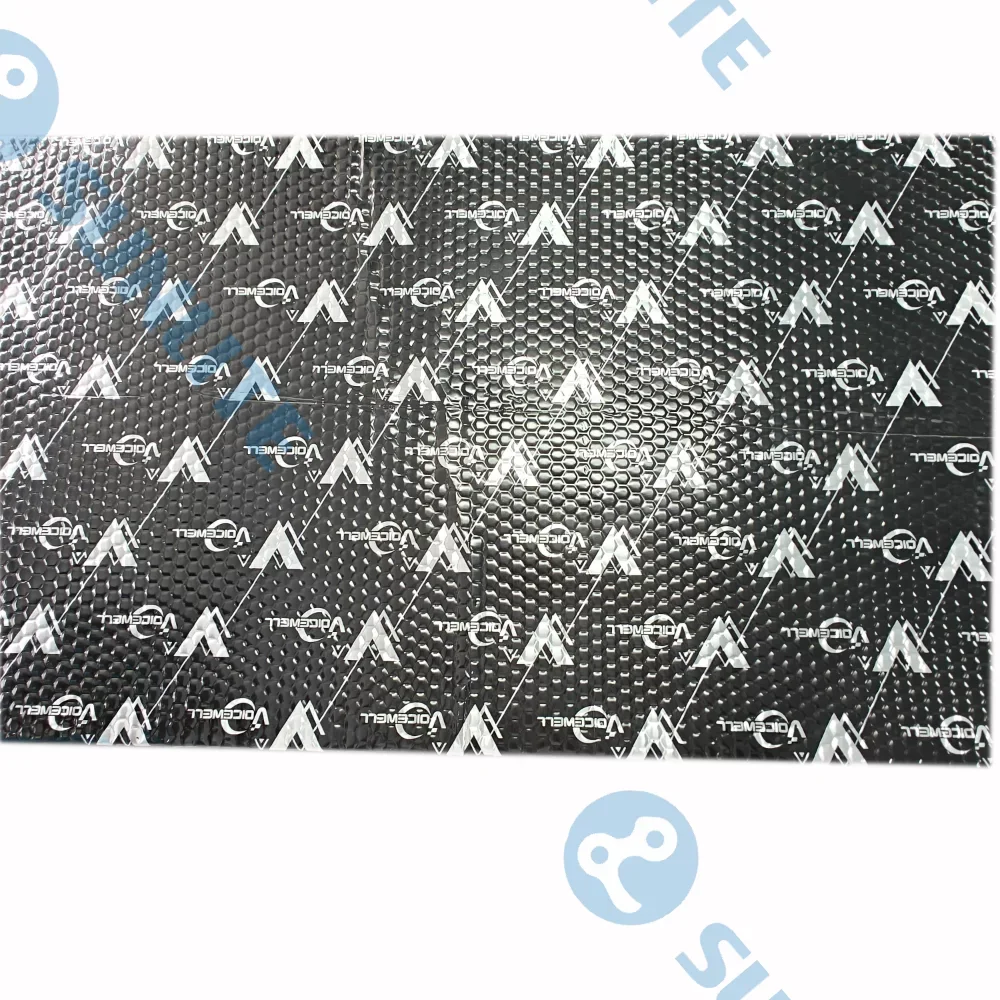
So, what's the answer? Well, a significant piece of the puzzle lies in specialized materials like the flame-retardant EPDM/TPE damping component, halogen-free shock absorber for EV applications. This isn't just some run-of-the-mill rubber pad; we're talking about engineered solutions designed from the ground up to meet the rigorous demands of electric vehicles. Companies are now focusing on materials such as IIR (Isobutylene-Isoprene Rubber, also known as Butyl Rubber) combined with aluminum foil, creating a robust shield against both noise and heat.
Under the Hood: Technical Deep Dive
These advanced damping components are engineered to deliver on multiple fronts. First, they provide superior sound insulation and vibration damping, crucial for that premium, quiet EV cabin experience we all crave. Many customers say it really makes a difference in perceived quality. Secondly, and perhaps most critically, they offer high levels of flame retardancy, typically meeting demanding standards like UL94 V0. And because sustainability is paramount, they are halogen-free, reducing environmental impact.
Take a look at some of the key specifications you'd expect from a top-tier flame-retardant EPDM/TPE damping component, halogen-free shock absorber for EV applications:
Product Specifications: Advanced EV Damping Sheet | |
Feature | Detail / Specification |
Material Composition | IIR (Butyl Rubber) + Aluminum Foil |
Flame Retardancy Standard | UL94 V0 (vertical burn test) |
Halogen Content | Halogen-Free (eco-friendly) |
Damping Coefficient (loss factor) | ≥ 0.2 (typical) |
Adhesion Strength | Strong Adhesion (various substrates) |
Durability | Moisture-Proof & Anti-Aging |
Service Life | Designed for vehicle lifetime; real-world use may vary |
Where Do These Heroes Work? Application Scenarios
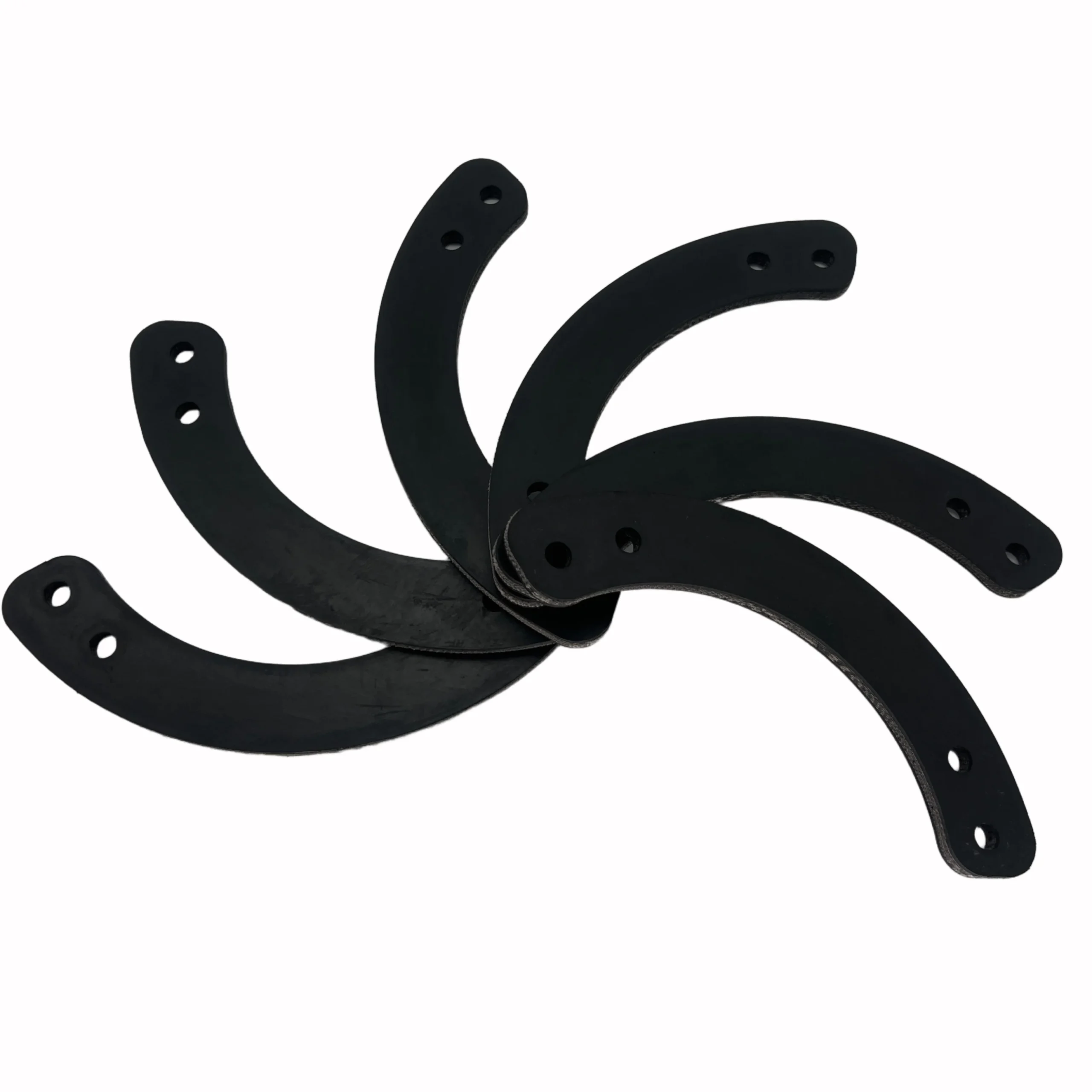
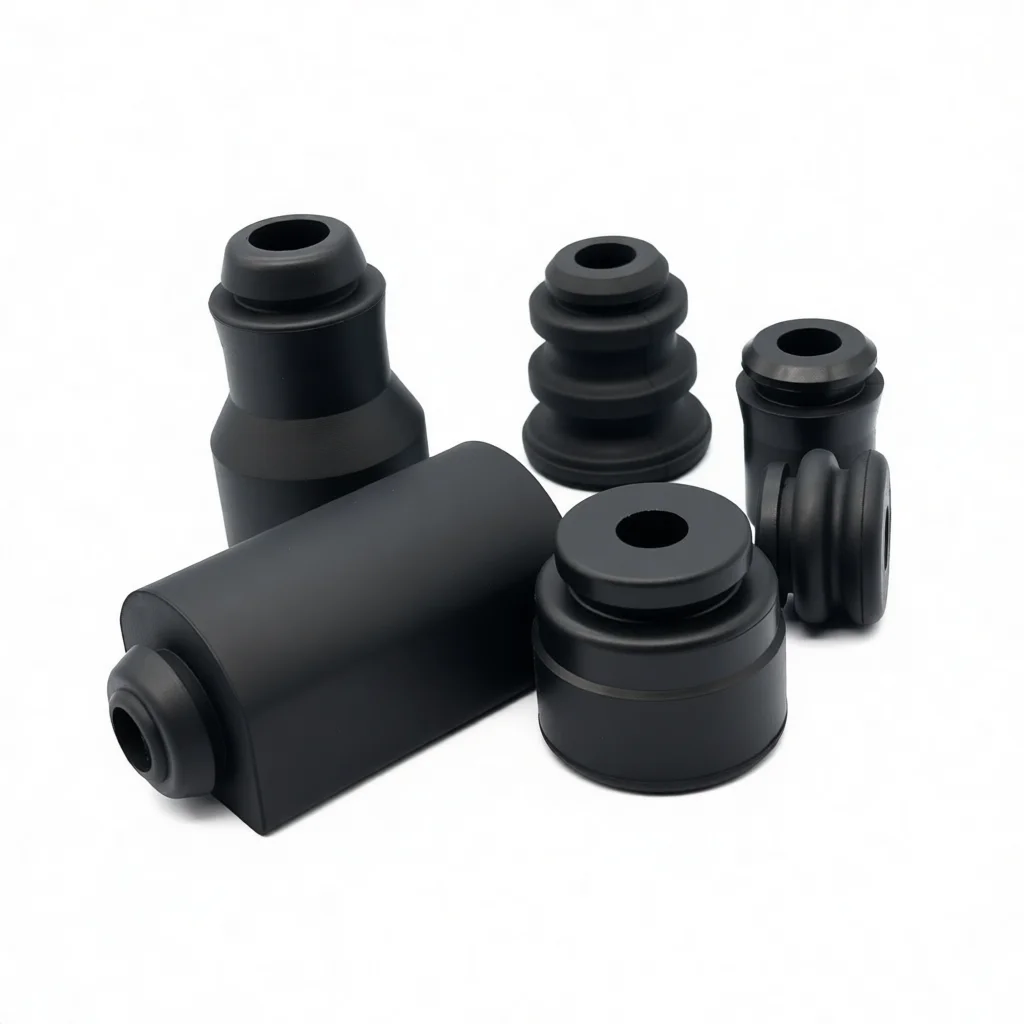
Honestly, the applications are broader than you might initially think. These components are vital in numerous areas of an EV to manage both NVH and thermal events. Imagine them in battery pack enclosures, acting as a crucial barrier. They're also integrated into motor mounts to absorb vibrations, chassis components, and even interior panels to dampen road noise and enhance occupant comfort. Basically, anywhere there's a need to suppress vibration, insulate sound, or add a layer of fire protection, these halogen-free shock absorbers are invaluable.
Behind the Scenes: Materials, Methods & Testing
The process involves selecting premium raw materials, primarily IIR for its excellent damping properties and resistance to heat and aging. This is then often combined with a protective layer like aluminum foil for enhanced thermal management and mechanical integrity. Manufacturing typically involves precise mixing, calendering, and laminating processes to ensure uniform thickness and consistent performance. Testing is rigorous, adhering to standards like UL94 V0, which involves subjecting samples to controlled flame to assess their ability to self-extinguish. It’s a pretty intense process, frankly, but absolutely necessary for automotive safety.
Choosing Your Partner: Vendor Comparison & Customization
When sourcing these specialized components, you can't just pick anyone. The devil, as they say, is in the details. You'll want a vendor with a strong R&D background, proven quality control, and, of course, the necessary certifications. Customization is also huge; every EV platform is unique, requiring tailored solutions for optimal fit and performance.
Vendor Comparison Considerations for Damping Components | |
Criteria | What to Look For |
Certifications & Standards | UL94 V0, RoHS, IATF 16949 (automotive quality) |
R&D Capabilities | Ability to develop new materials, test performance |
Customization Options | Tailored shapes, thicknesses, adhesion levels |
Production Scale | Can they meet your volume requirements? |
Technical Support | Engineering assistance, application guidance |
Cost-Effectiveness | Balancing quality with competitive pricing |
The Real-World Impact
Case studies, although often proprietary, frequently highlight significant reductions in cabin noise and vibration levels, contributing to higher customer satisfaction scores. Furthermore, the enhanced fire safety provided by flame-retardant EPDM/TPE damping component, halogen-free shock absorber for EV applications contributes directly to improved vehicle safety ratings and, crucially, consumer confidence. It’s a win-win, if you ask me.
Looking Ahead
As the EV market continues its explosive growth, the demand for sophisticated, multi-functional components will only intensify. The shift towards materials that are not only performant but also safe and sustainable, like halogen-free shock absorbers with integrated flame retardancy, is a clear indicator of where the industry is heading. These aren't just parts; they're essential contributors to a safer, quieter, and more enjoyable electric driving experience. It's truly exciting to see these innovations take center stage.
Authoritative Citations
1. UL 94, Standard for Safety for Flammability of Plastic Materials for Parts in Devices and Appliances Testing. Underwriters Laboratories.
2. International Automotive Task Force (IATF) 16949:2016. Quality management systems – Particular requirements for the application of ISO 9001:2015 for automotive production and relevant service parts organizations.
3. Wang, S., et al. (2020). Progress in Flame Retardant Technology for Lithium-Ion Battery Enclosures. Journal of Power Sources.
Alright, let's talk about electric vehicles.