

 Select Language
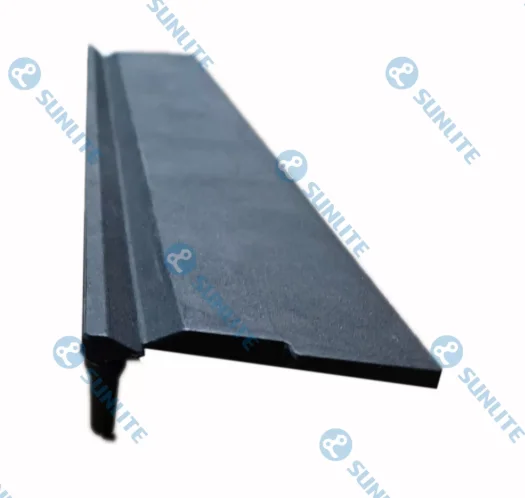
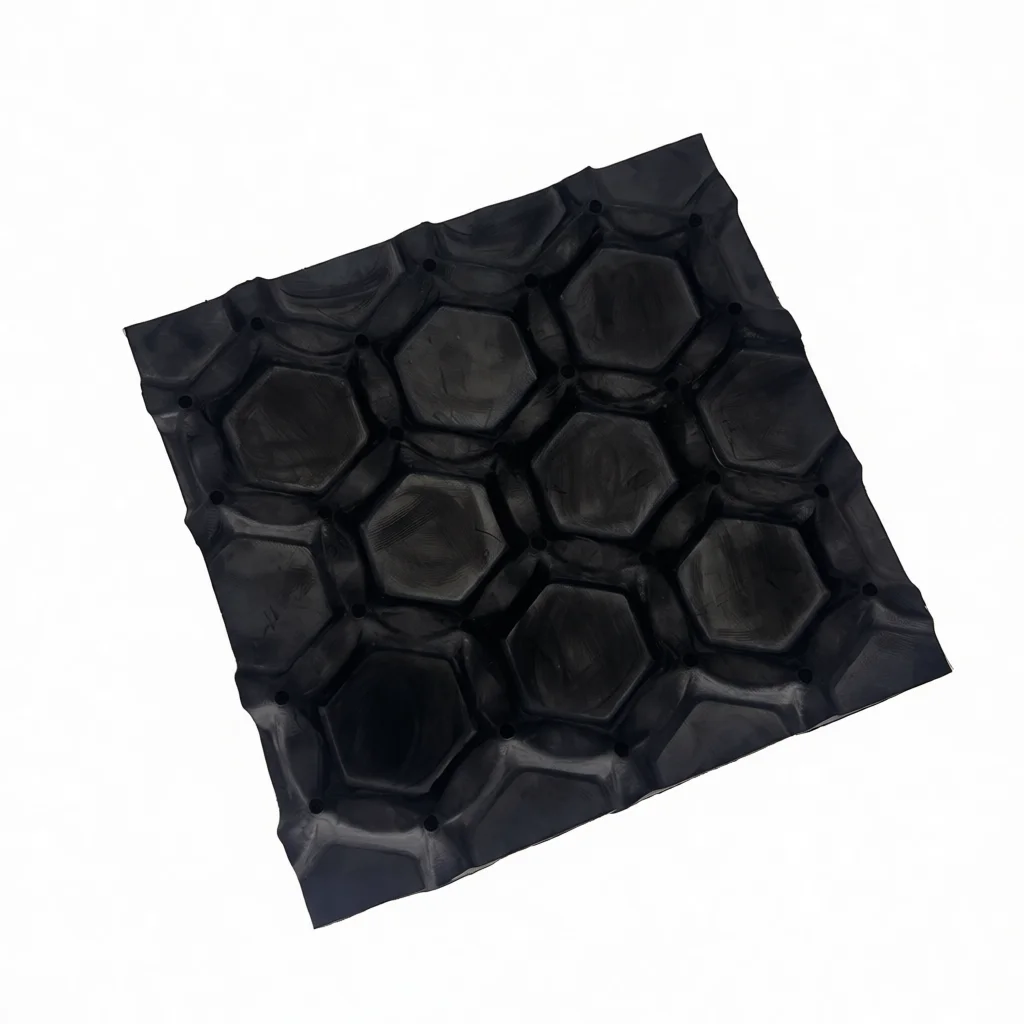
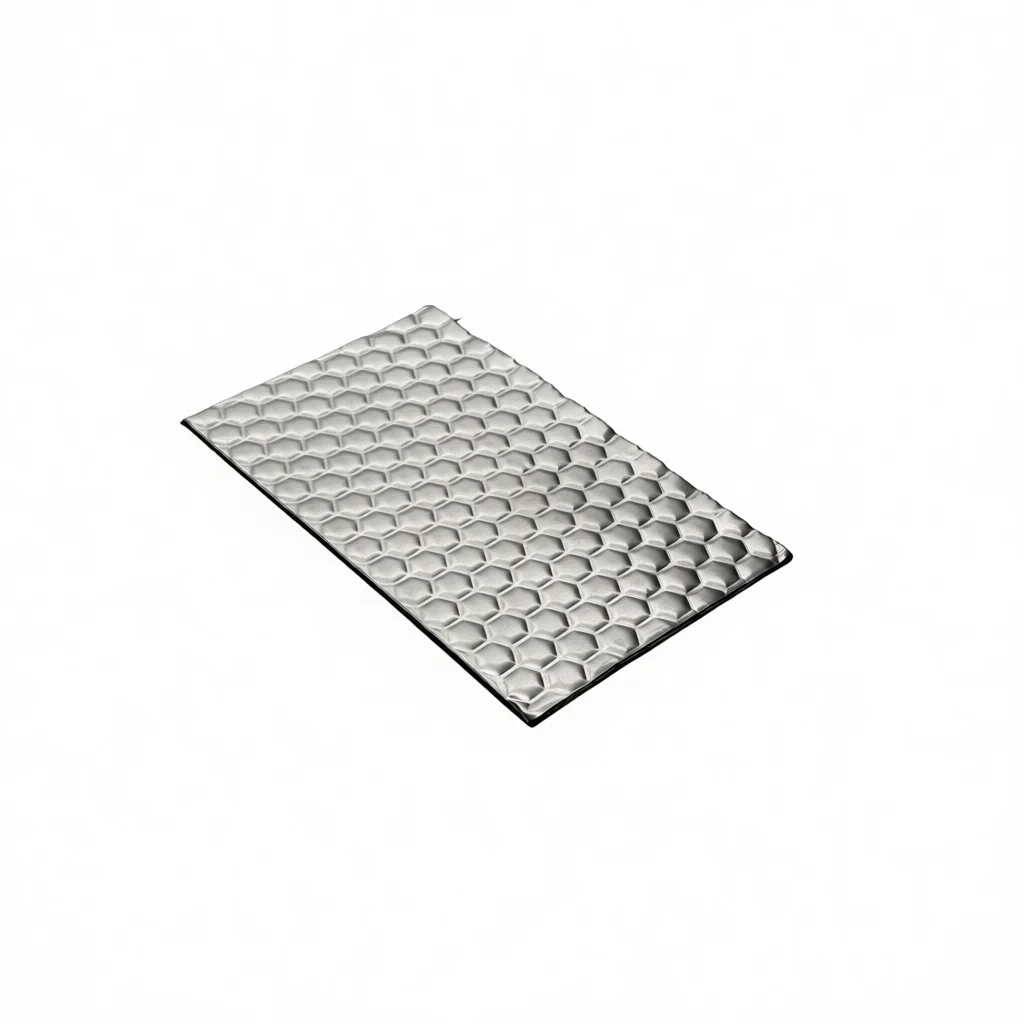
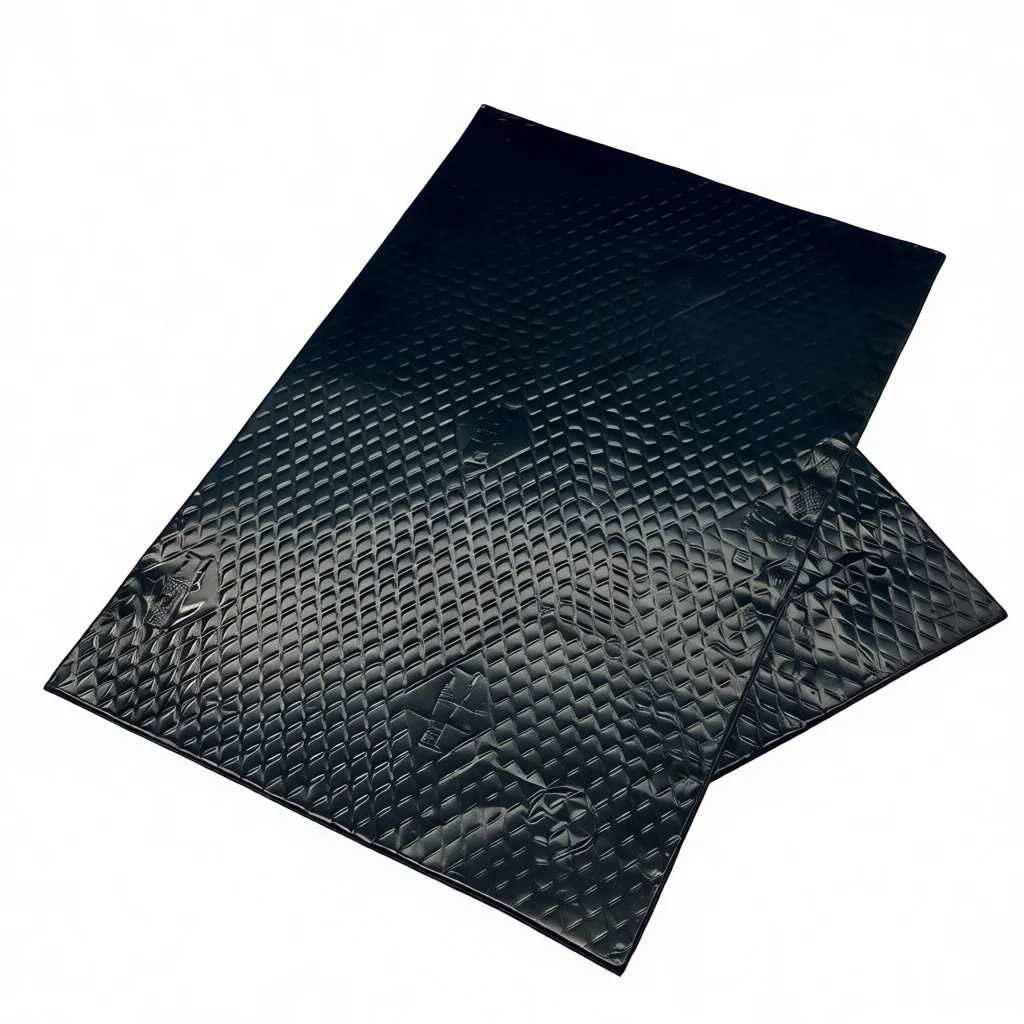
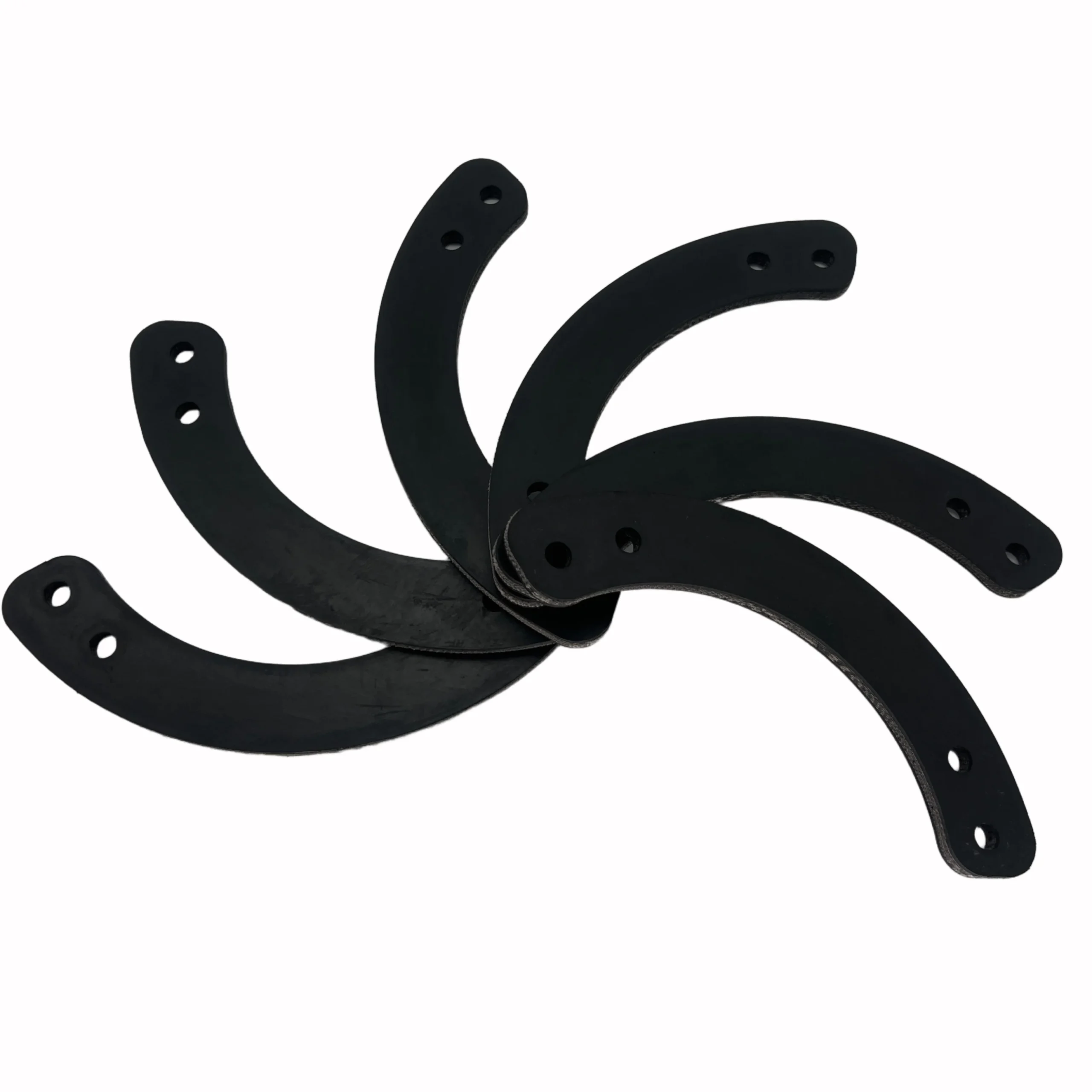
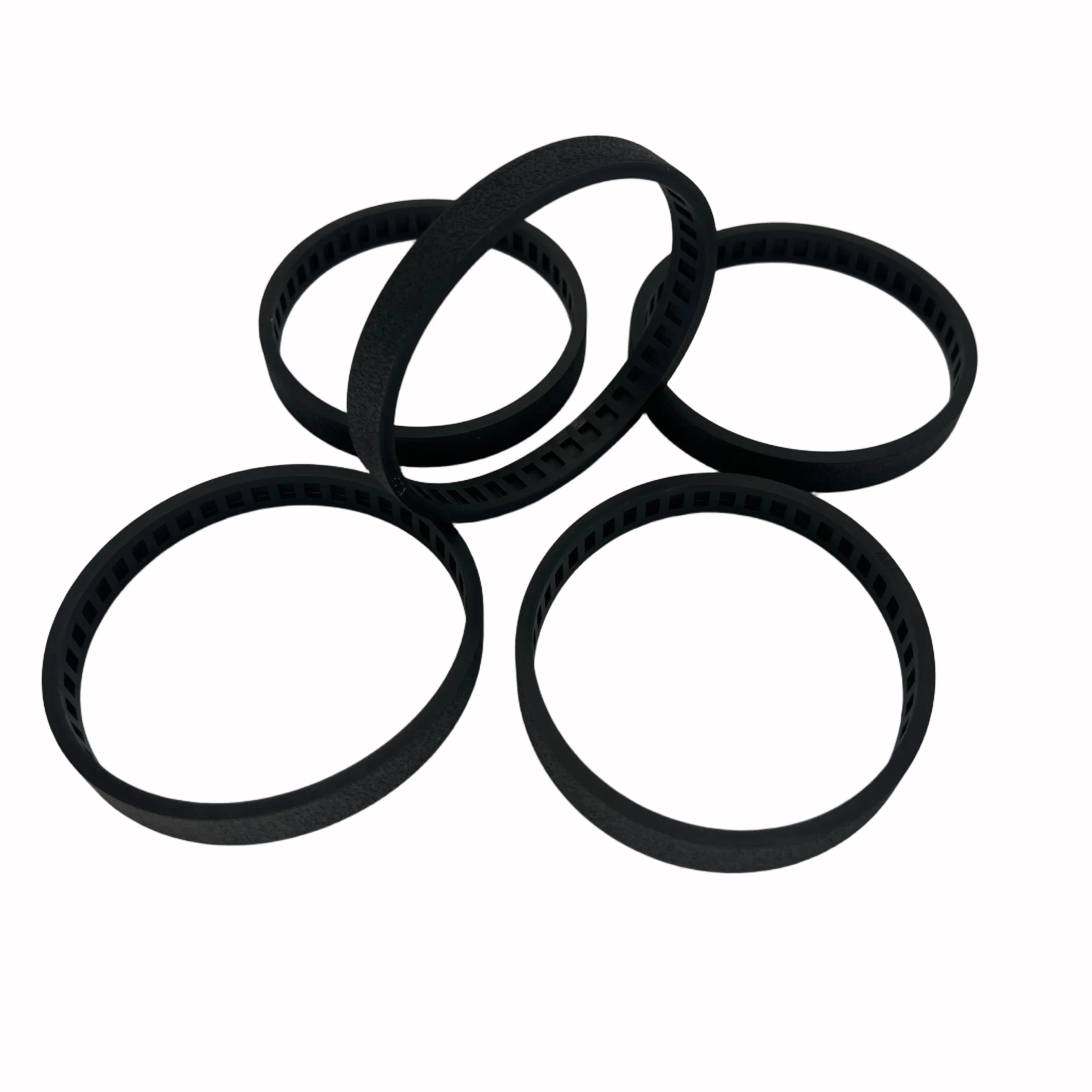
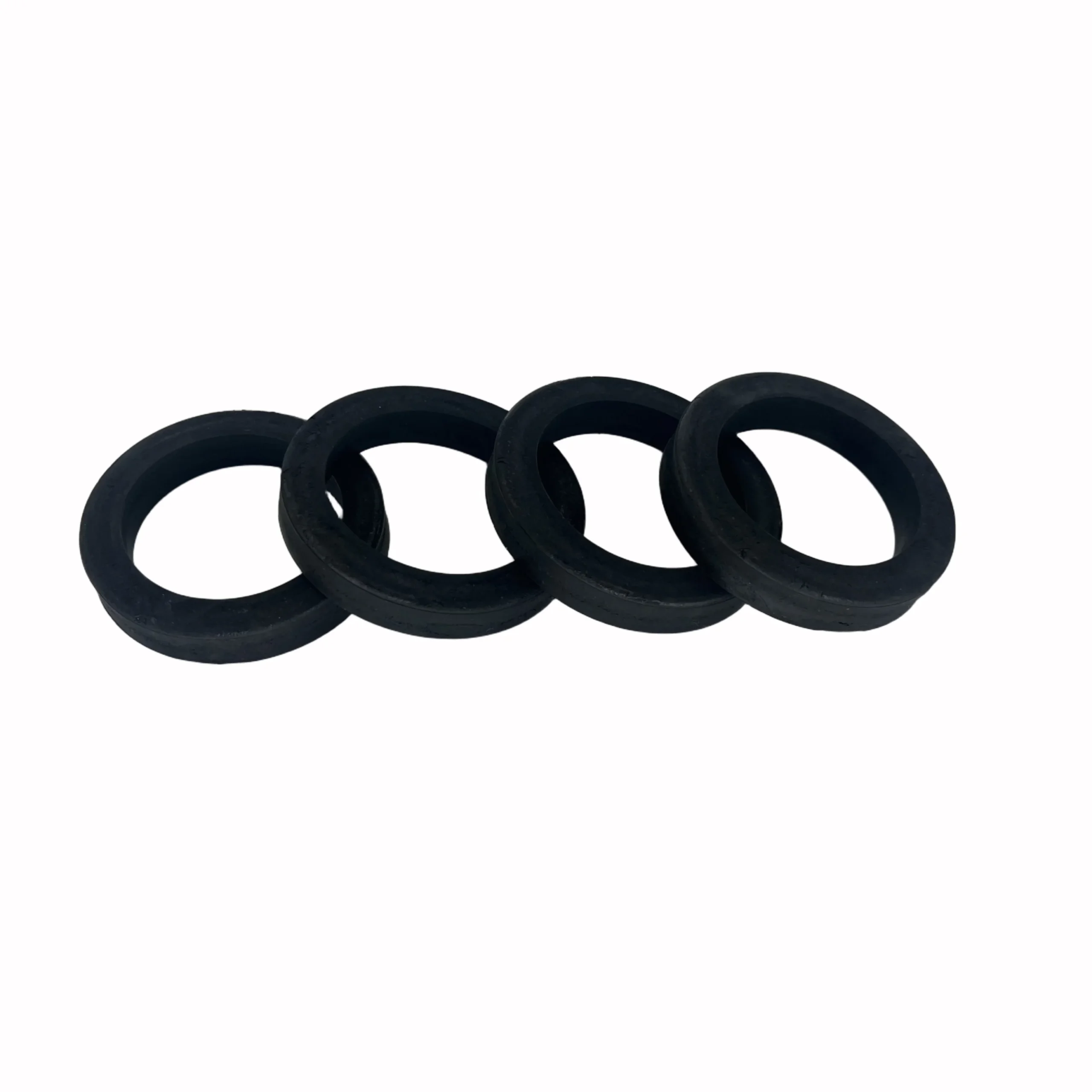
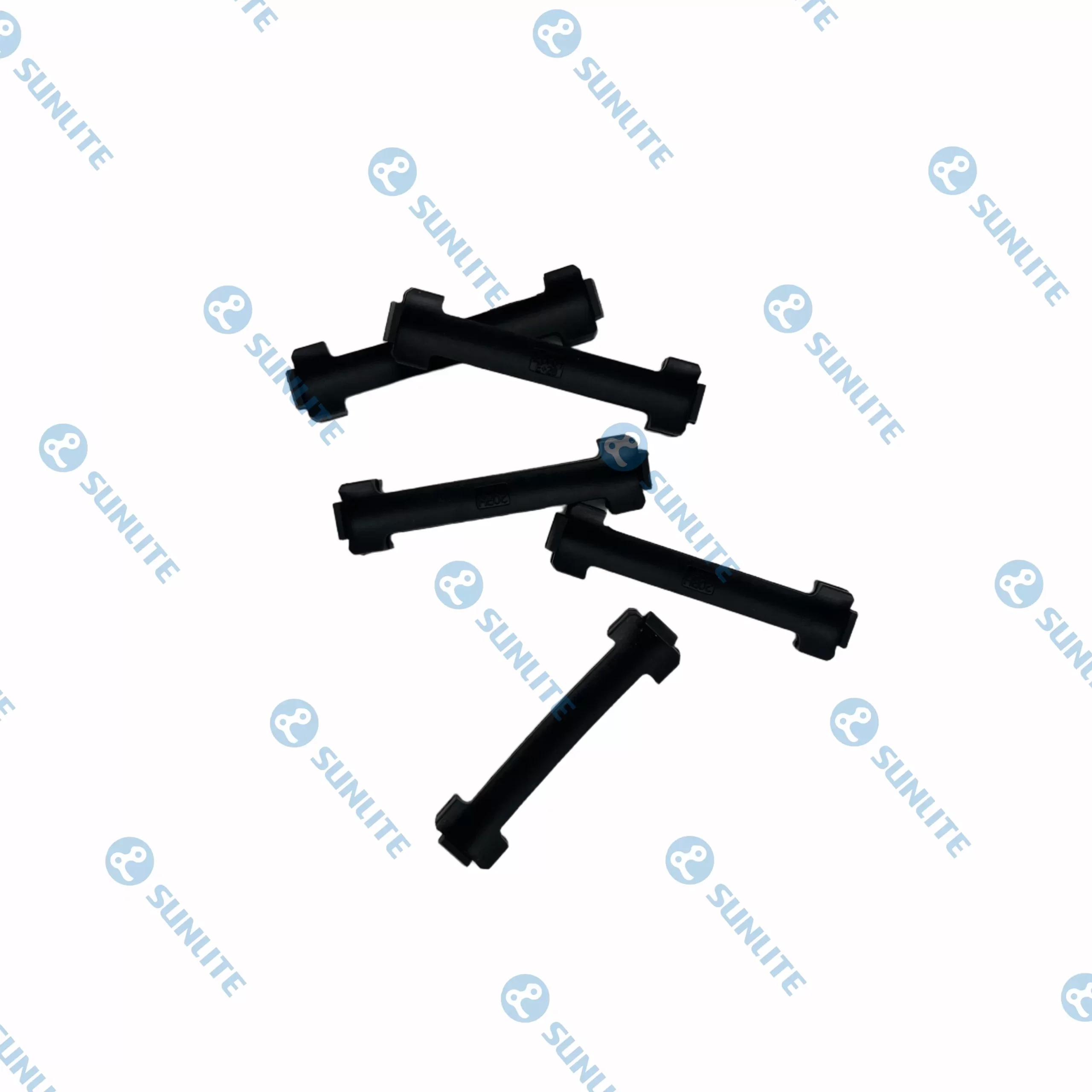
The modern landscape of portable energy and automotive power systems has shifted toward a paradigm where safety and durability are no longer secondary considerations but primary engineering objectives. Central to this evolution is the development of the 12V battery rubber insulation pad, a specialized component designed to provide a multi-layered defense against electrical, thermal, and mechanical failure. Unlike traditional spacing materials, these pads are fabricated from a high-performance elastomer matrix that integrates flame retardants and phase-change energy storage agents. By employing sophisticated microencapsulation technology, these active components are uniformly dispersed within the rubber, allowing the pad to absorb latent heat during rapid discharge cycles. This multifunctional integration ensures that the battery remains within its optimal thermal window while maintaining the necessary dielectric strength to prevent electrical arcing between the cells and the external casing.
The Role of Epdm Rubber Pads in Thermal and Chemical Resilience
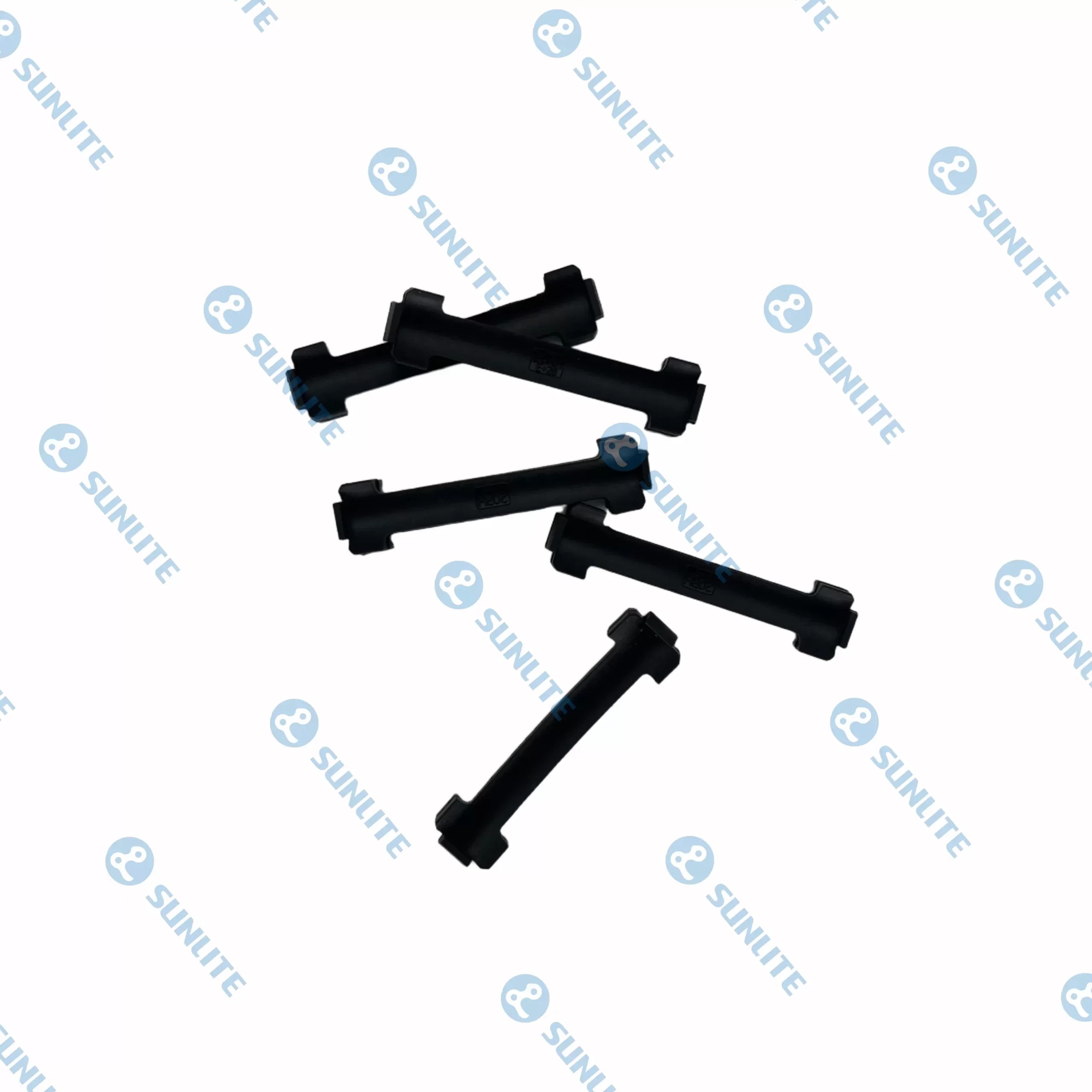
Thermal stability is the cornerstone of energy storage reliability, particularly in environments where ambient temperatures can fluctuate dramatically. The utilization of epdm rubber pads in these systems is a strategic choice driven by the material's inherent resistance to heat, ozone, and oxidative aging. During the preparation phase, the rubber matrix is meticulously blended with phosphorus-nitrogen compounds to achieve a flame retardancy rating of UL94 V0. This ensures that even under extreme conditions, the material acts as a barrier to combustion. Furthermore, the EPDM base is naturally resistant to the various chemical solvents and greases encountered in automotive and industrial settings. This chemical inertness ensures that the pad does not become brittle or lose its volume over time, providing a consistent mechanical interface that supports the battery's structural integrity for over eight years of intensive field use.
Mitigating Kinetic Stress through Specialized Impact Rubber Components
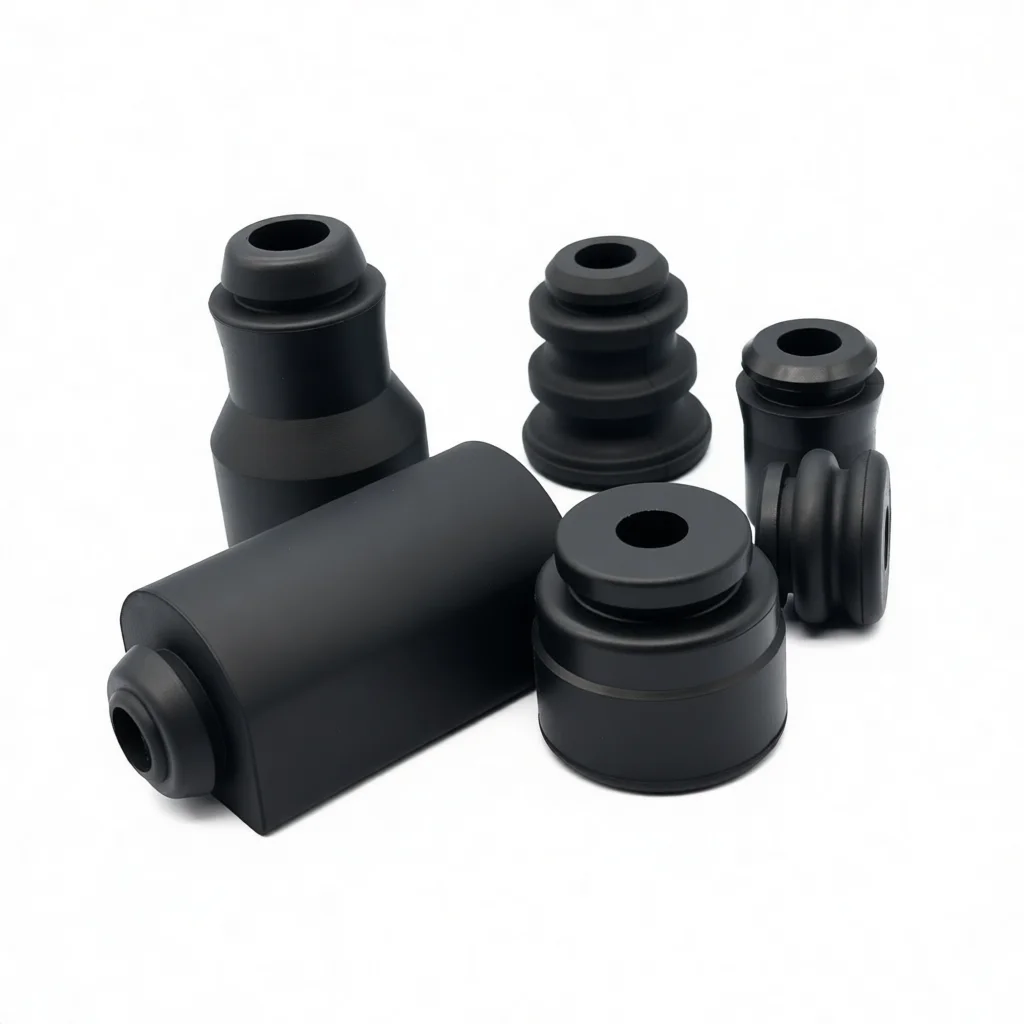
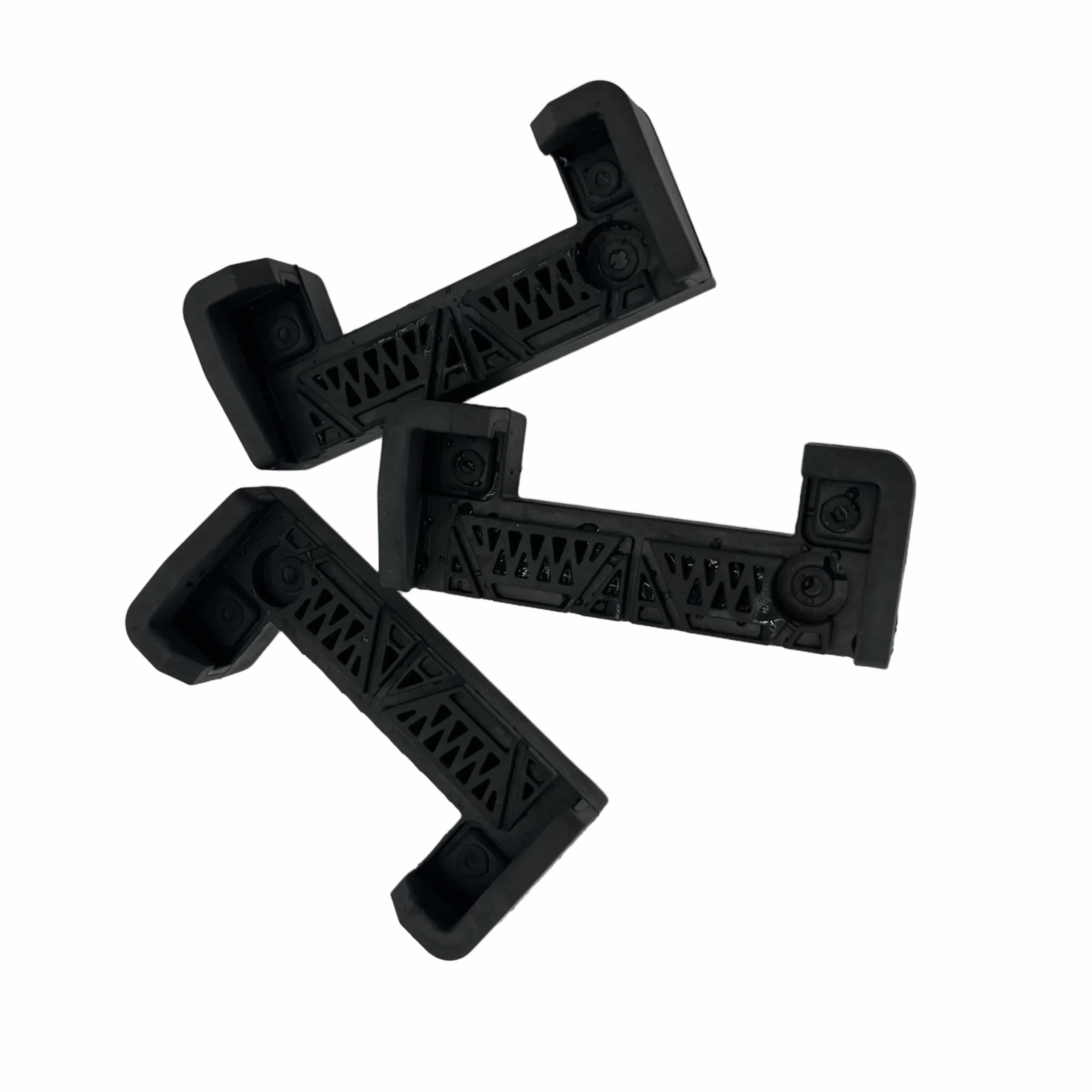
Mechanical shocks and high-frequency vibrations are the silent enemies of lithium-ion battery packs, often leading to internal short circuits or the loosening of electrical interconnects. To counter these forces, manufacturers have turned to the development of high-rebound impact rubber formulations that act as kinetic shock absorbers. These materials are characterized by their ability to undergo significant deformation under load and return instantly to their original shape once the stress is removed. This high-rebound capacity is essential for maintaining a constant compressive force against the battery cells, ensuring they do not shift within their housing during heavy equipment operation. By employing compression molding techniques, these components are shaped to provide a precision fit that isolates the delicate internal chemistry from the jarring impacts common in construction and heavy transport applications.
Enhanced Environmental Protection with the Rubber Sealing Pad Interface
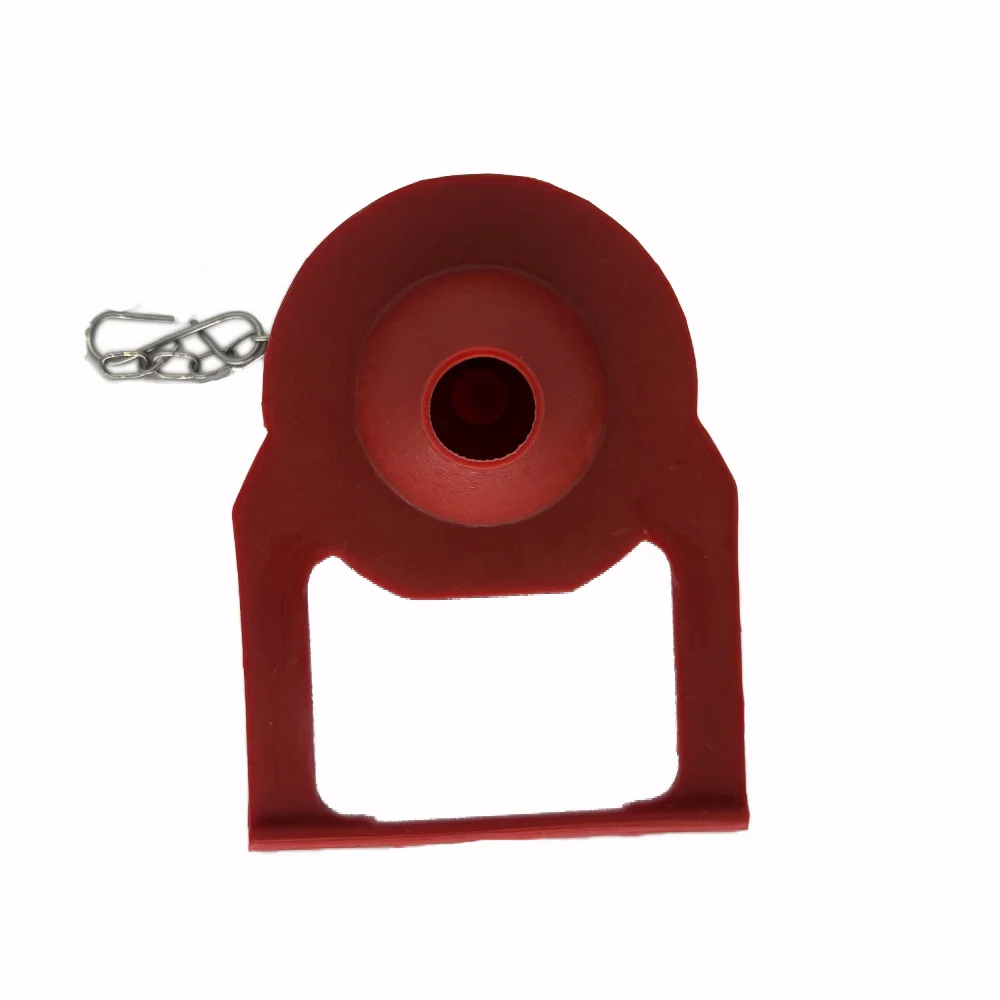
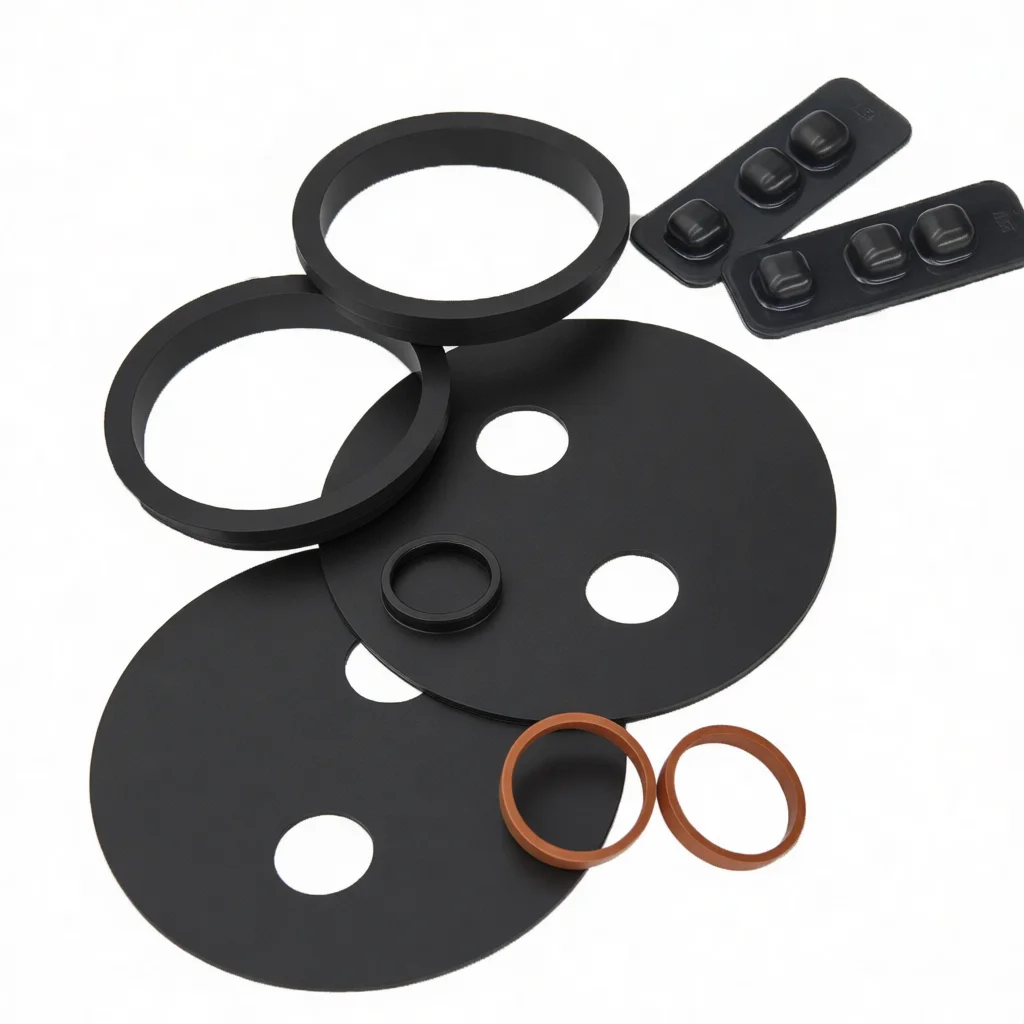
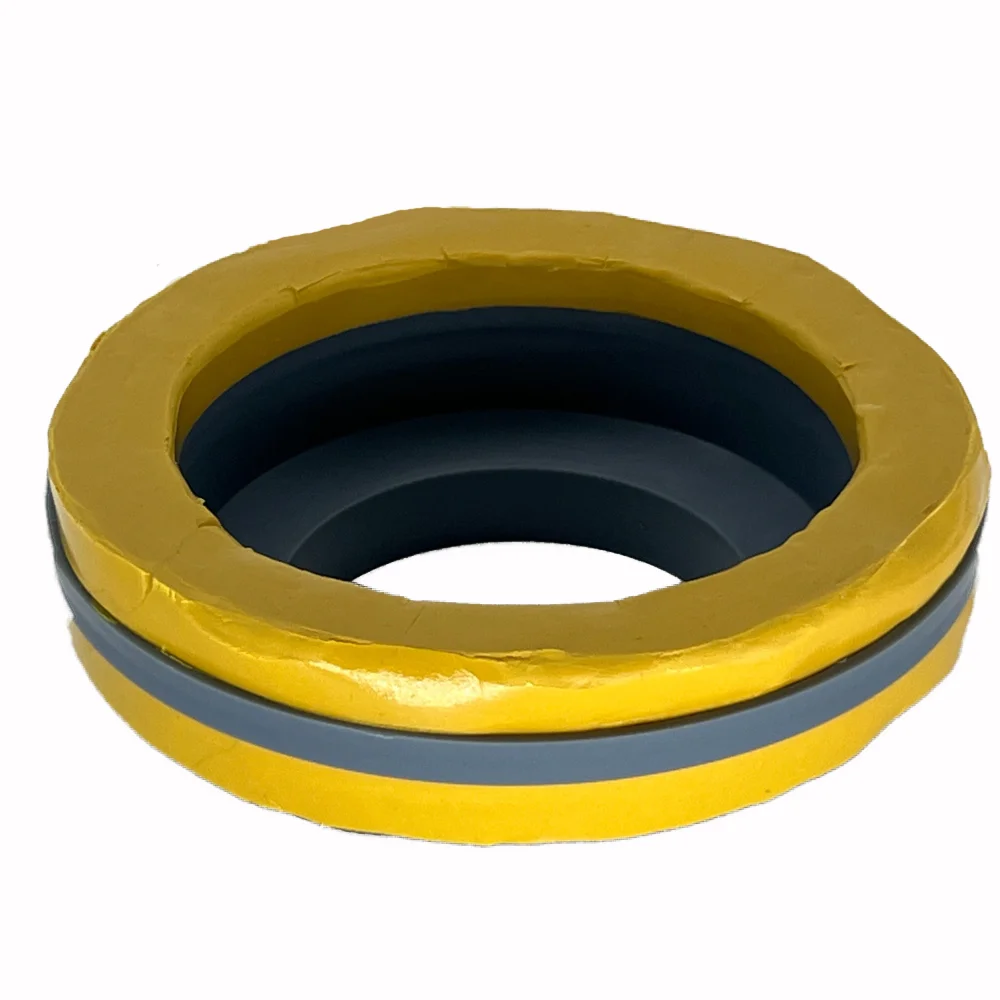
Beyond internal structural support, the protection of energy storage modules from external contaminants is vital for long-term operational success. The rubber sealing pad serves as a secondary environmental barrier that prevents the ingress of moisture, dust, and particulate matter into the sensitive battery enclosure. While the primary housing provides the initial seal, the internal elastomeric padding ensures that any gaps caused by thermal expansion or mechanical contraction are permanently closed. The high elasticity of the EPDM matrix allows the sealing interface to conform to minor surface irregularities, creating a airtight environment that protects the copper busbars and circuit boards from corrosion. This sealing capability is enhanced by the material's compliance with global environmental regulations, ensuring that the pad does not release volatile organic compounds that could interfere with the sensors or cooling systems within the pack.
Structural Dampening and Energy Absorption in Power Tool Applications
In the specific context of handheld power tools and mobile energy units, the mechanical requirements for padding are uniquely demanding. The integration of impact rubber within these compact housings is designed to manage the intense G-forces generated by brushless motors and percussion mechanisms. Because these tools are frequently dropped or subjected to rough handling on job sites, the rubber components must provide a high degree of energy dissipation. This is achieved through a balanced formulation where the phase-change materials within the rubber matrix also contribute to mechanical dampening. By absorbing the energy of an impact, the pad prevents the transmission of stress to the cell tabs and the plastic housing, significantly reducing the likelihood of catastrophic casing failure or internal electrical disconnects that could render the tool inoperable.
Preparation Technology and the Synthesis of Advanced Elastomers
The manufacturing of a high-performance 12V battery rubber insulation pad represents a significant leap in preparation technology. The process is not a simple mixing of ingredients but a highly controlled synthesis where flame retardants and phase-change materials are microencapsulated before being introduced to the rubber matrix. This encapsulation ensures that the active agents do not react prematurely during the high-heat mixing process, preserving their energy storage and fire-suppression capabilities for the final product. Following the dispersion phase, the composite material is subjected to precision compression molding, which allows for the creation of complex geometries that match the specific cell positioning requirements of a battery pack. This meticulous approach results in a finished product that offers a unique combination of high rebound, impact resistance, and thermal stability, meeting the needs of the most advanced energy storage architectures.
Longevity and Rebound Performance of Epdm Rubber Pads
One of the most frequent points of failure in low-grade battery padding is "compression set," a condition where the material loses its ability to spring back after being squeezed. High-quality epdm rubber pads are specifically engineered to resist this phenomenon, ensuring that they do not loosen over the course of their eight-year service life. This long-term rebound performance is critical because as battery cells heat up and expand, they exert significant pressure on the surrounding padding. When the cells cool down, the pad must return to its original thickness to maintain a secure fit. If the pad becomes permanently flattened, the cells are allowed to vibrate, which can lead to mechanical wear on the thermal management interface and the electrical terminals. The resilience of the EPDM matrix ensures that this "loosening" never occurs, maintaining the safety and efficiency of the battery pack throughout its entire lifecycle.
The modern landscape of portable energy and automotive power systems has shifted toward a paradigm where safety and durability are no longer secondary considerations but primary engineering objectives.