Select Language
The modern industrial landscape is currently defined by two major imperatives: the enhancement of mechanical reliability and the absolute commitment to environmental stewardship. As engineering systems become more complex and power-dense, the demand for materials that can mitigate mechanical noise and vibration while simultaneously resisting fire has skyrocketed. Central to this technological shift is the development of halogen-free flame-retarded elastomer materials. These advanced polymers have transitioned from specialized niche products to essential components across the automotive, aerospace, and energy sectors. By integrating safety and performance into a single molecular framework, these materials provide a robust answer to the challenges of modern infrastructure.

Engineering Mechanical Stability with the Halogen-Free Flame-Retardant Vibration Damper
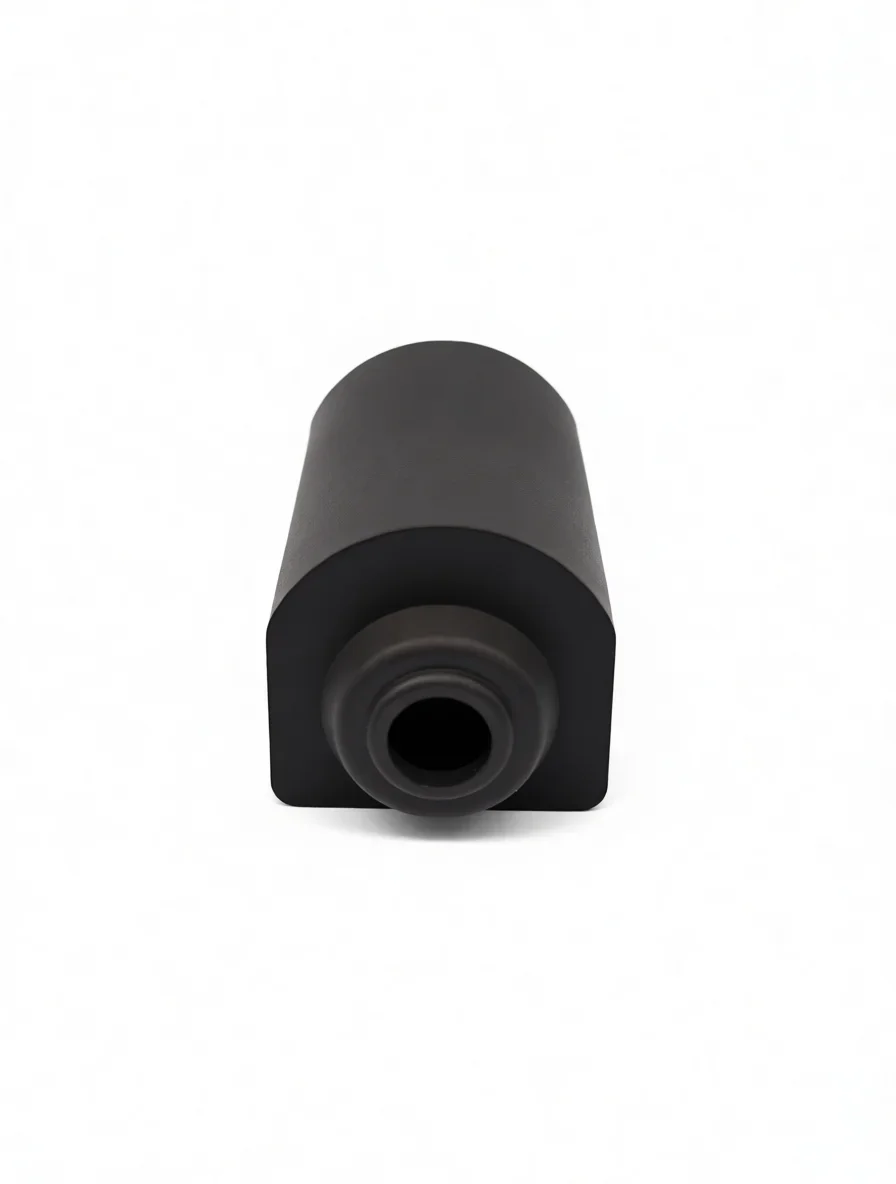
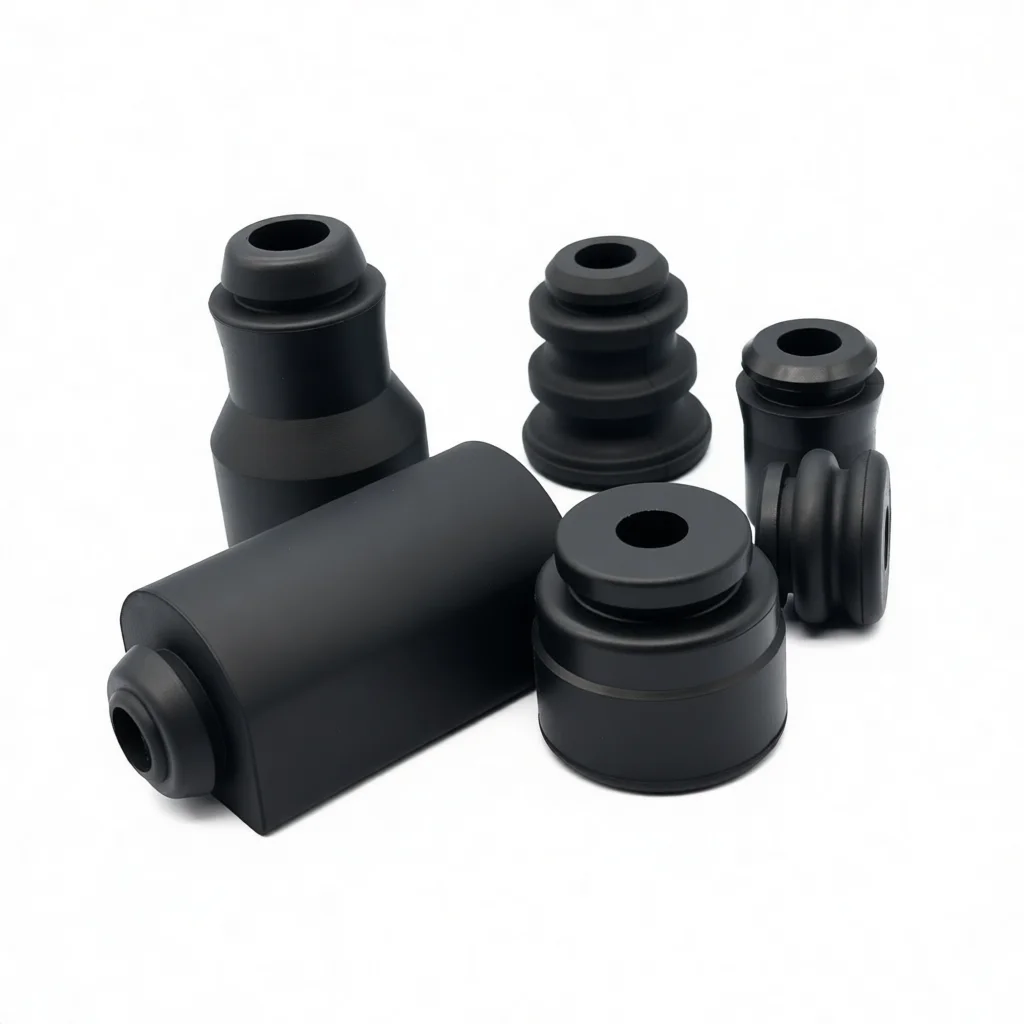
Vibration management is a critical factor in the lifespan of any mechanical assembly. Unchecked resonance can lead to structural fatigue, noise pollution, and the eventual failure of sensitive electronic components. However, in environments such as high-speed rail, heavy machinery, or power stations, a vibration control component must do more than just absorb energy; it must be inherently safe against fire hazards. This is where the halogen-free flame-retardant vibration damper becomes indispensable. These dampers are designed to provide a high loss factor, converting kinetic energy into negligible heat while remaining completely stable under thermal stress.
The strategic advantage of using a halogen-free flame-retardant vibration damper lies in its unique "low-smoke" characteristic. In the event of an electrical short or external fire, the damper will not contribute to the opacity of the atmosphere, which is vital for maintaining visibility in emergency evacuation routes. Furthermore, the absence of halogens means that no corrosive acid rain is produced within the machinery, protecting expensive circuitry and metal housings from secondary chemical damage. For B2B procurement managers, this represents a significant reduction in the total risk profile of their equipment, ensuring that a minor thermal event does not escalate into a catastrophic total loss of infrastructure.
Achieving Global Compliance with the Non-Halogen Fire-Resistant Damping Pad
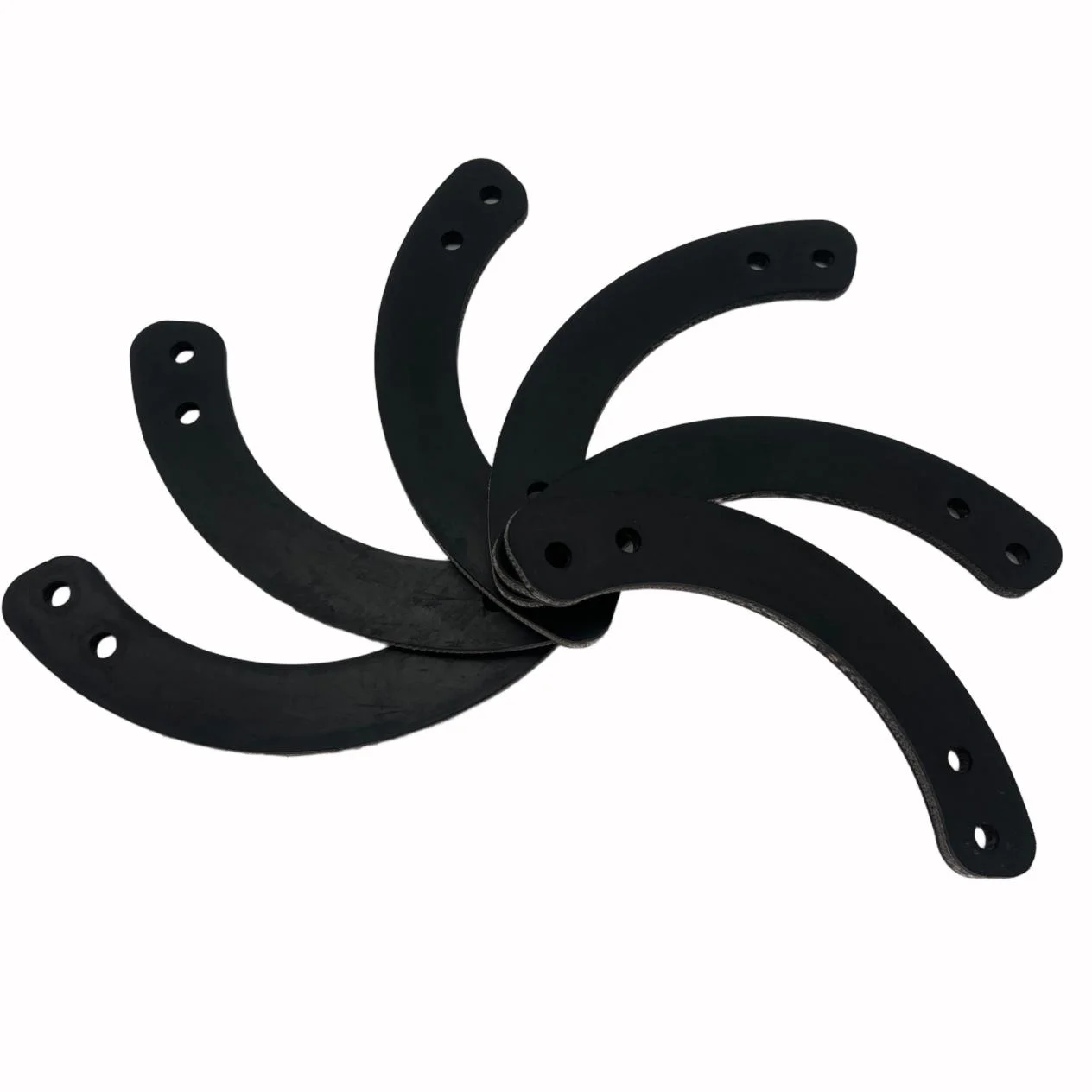
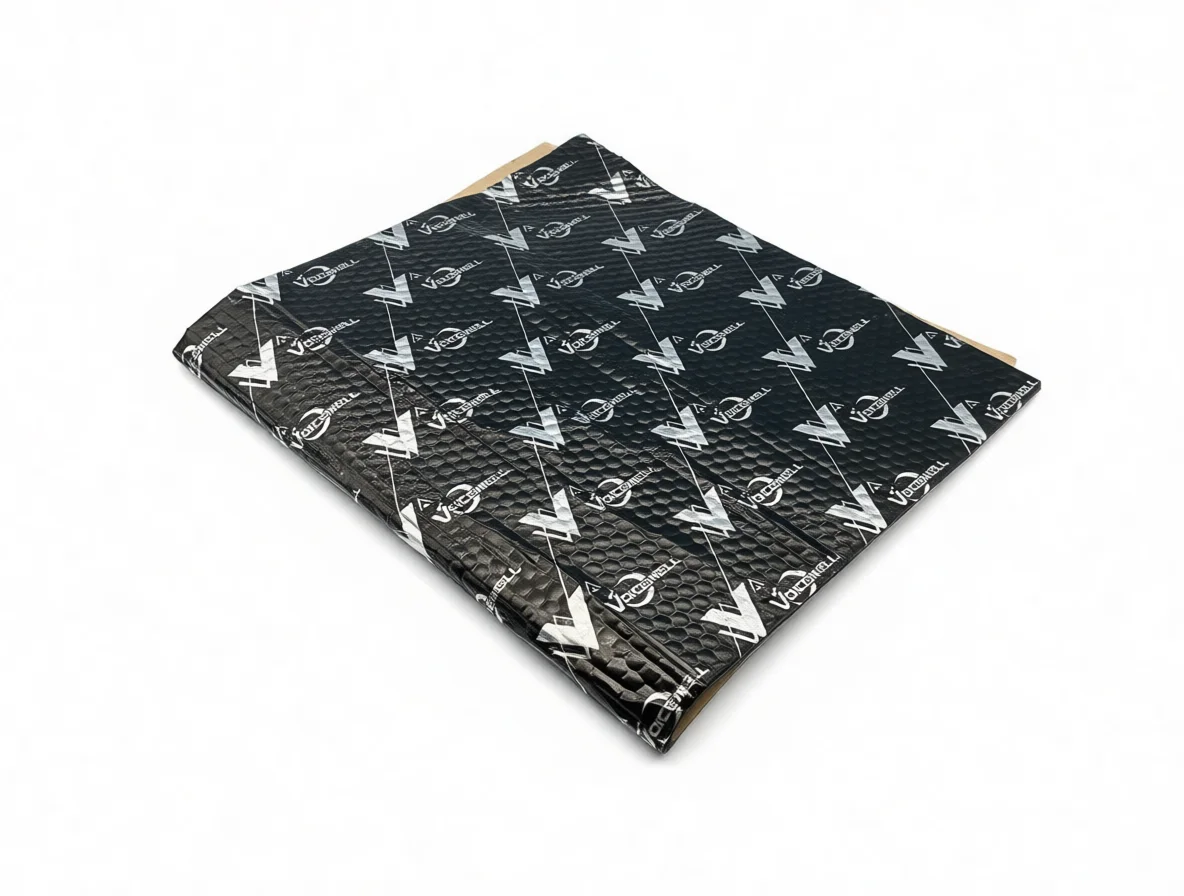
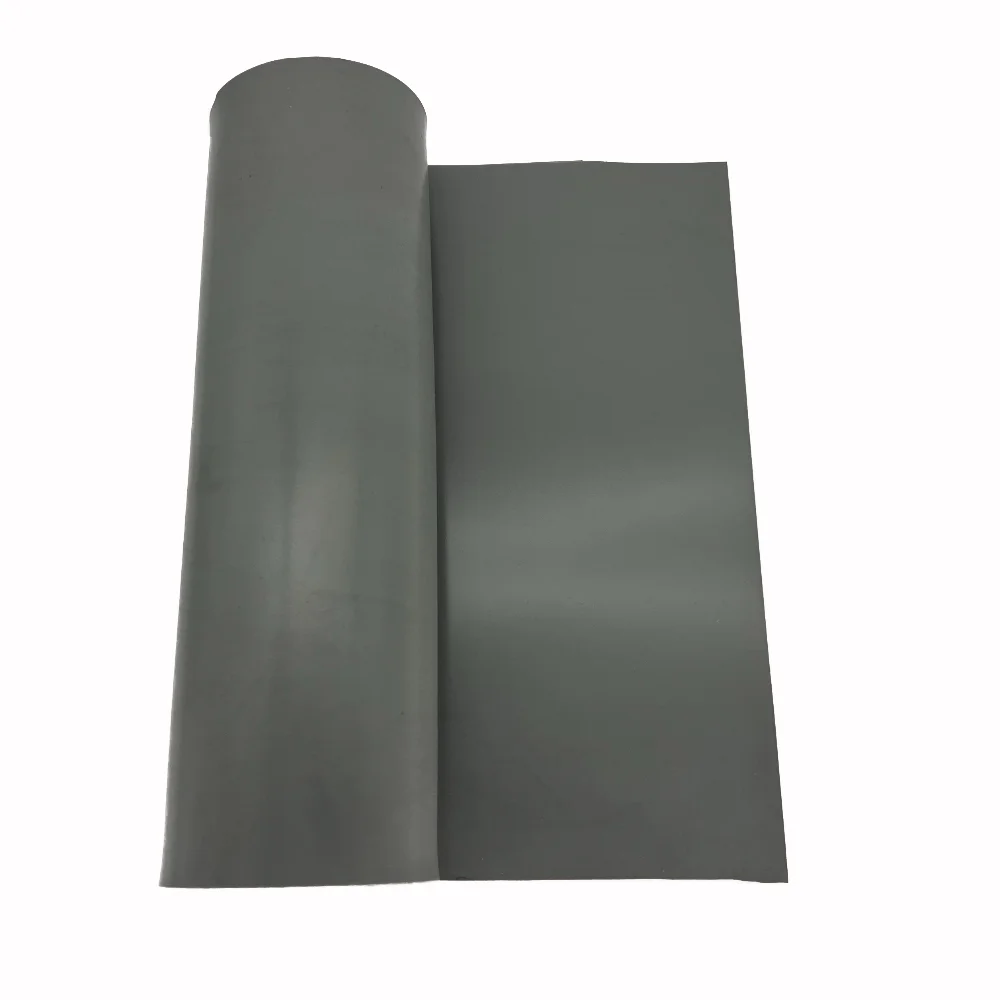
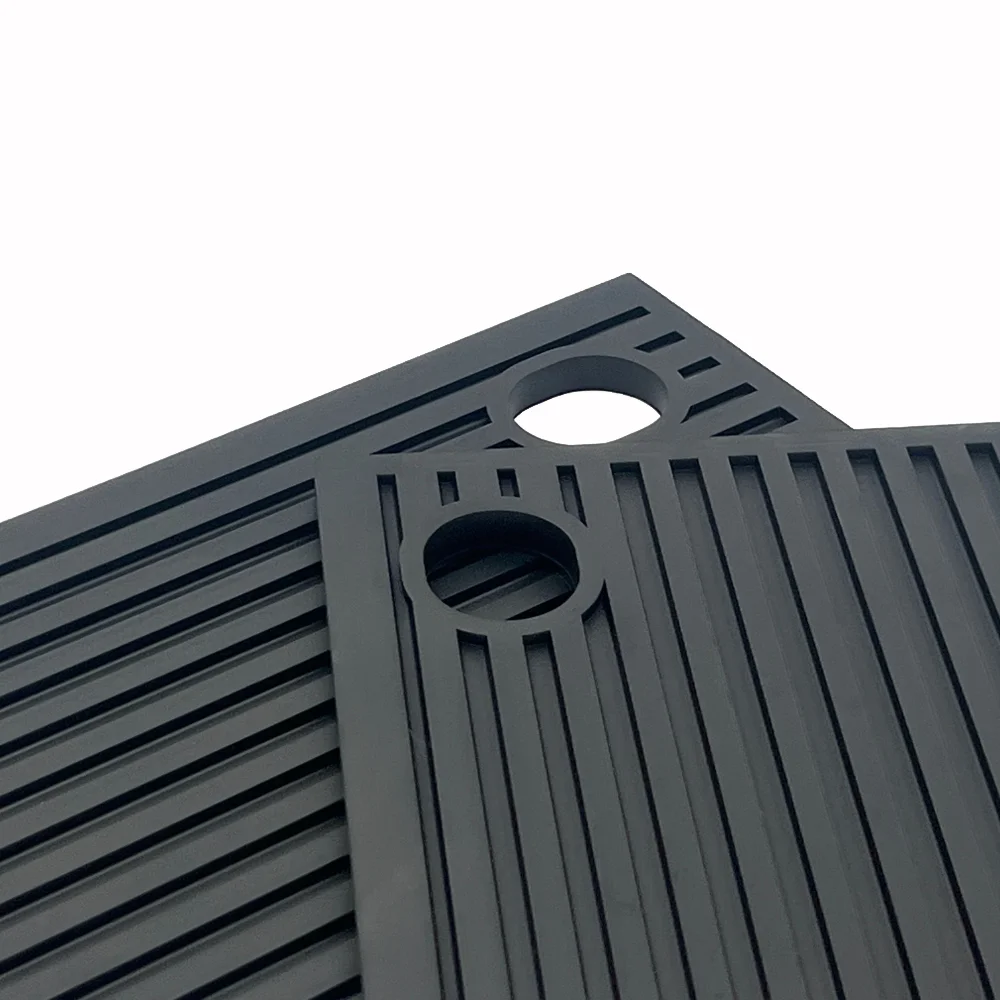
As global environmental standards such as RoHS 2.0, REACH, and PFAS restrictions become more stringent, manufacturers are under pressure to source components that are universally compliant. The non-halogen fire-resistant damping pad has emerged as the gold standard for acoustic and vibration insulation in green building and public transportation. These pads are frequently used in flooring systems, wall panels, and engine compartments to dampen sound and isolate vibrations. Because they are free from restricted chemicals, they allow manufacturers to bypass the complex regulatory hurdles of international trade, providing a "future-proof" solution for global supply chains.
The functionality of a non-halogen fire-resistant damping pad extends beyond its fire-retardant properties. These pads are engineered to offer superior aging resistance and vibration attenuation over long service lives. Unlike traditional rubber pads that may become brittle or lose their elasticity when exposed to heat, these advanced elastomers maintain their damping profile across a wide temperature range. This durability is coupled with the fact that the material is non-toxic, making it safe for use in confined spaces like passenger cabins or pharmaceutical laboratories. By selecting a non-halogen solution, engineers are not only protecting their equipment but also the health and safety of the end-users.
Enhancing Electrical Vehicle Safety with the Halogen-Free Shock Absorber for EV Applications
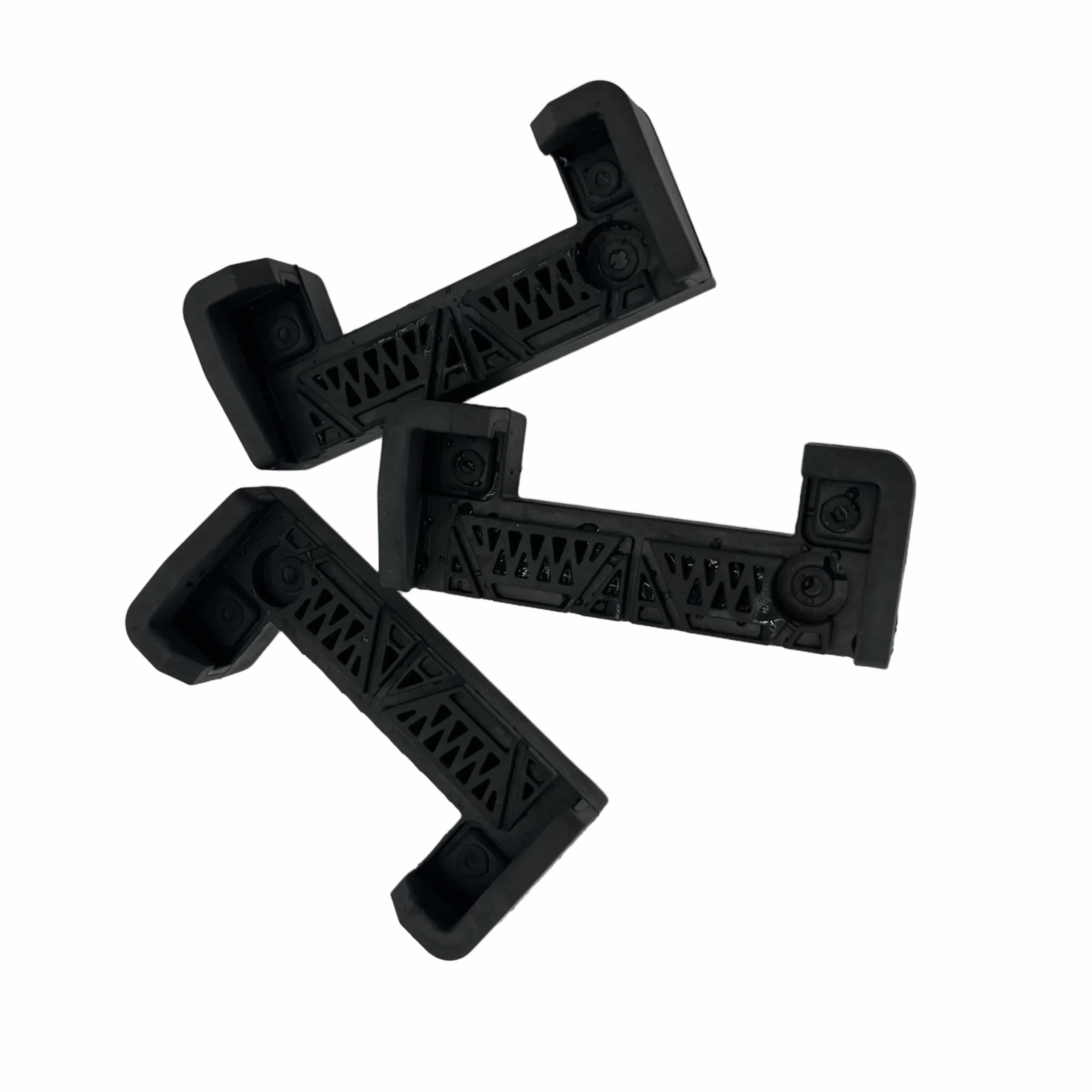
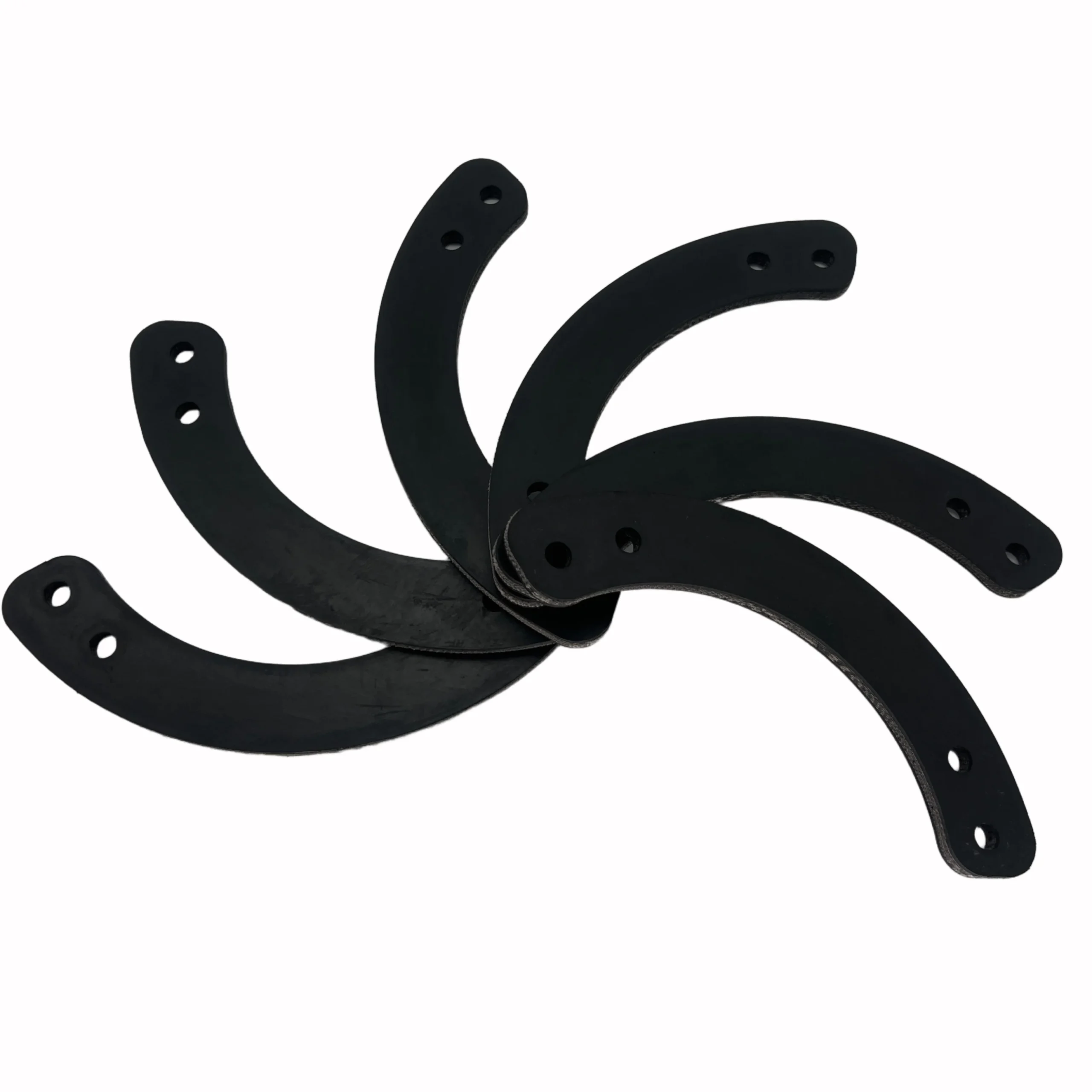
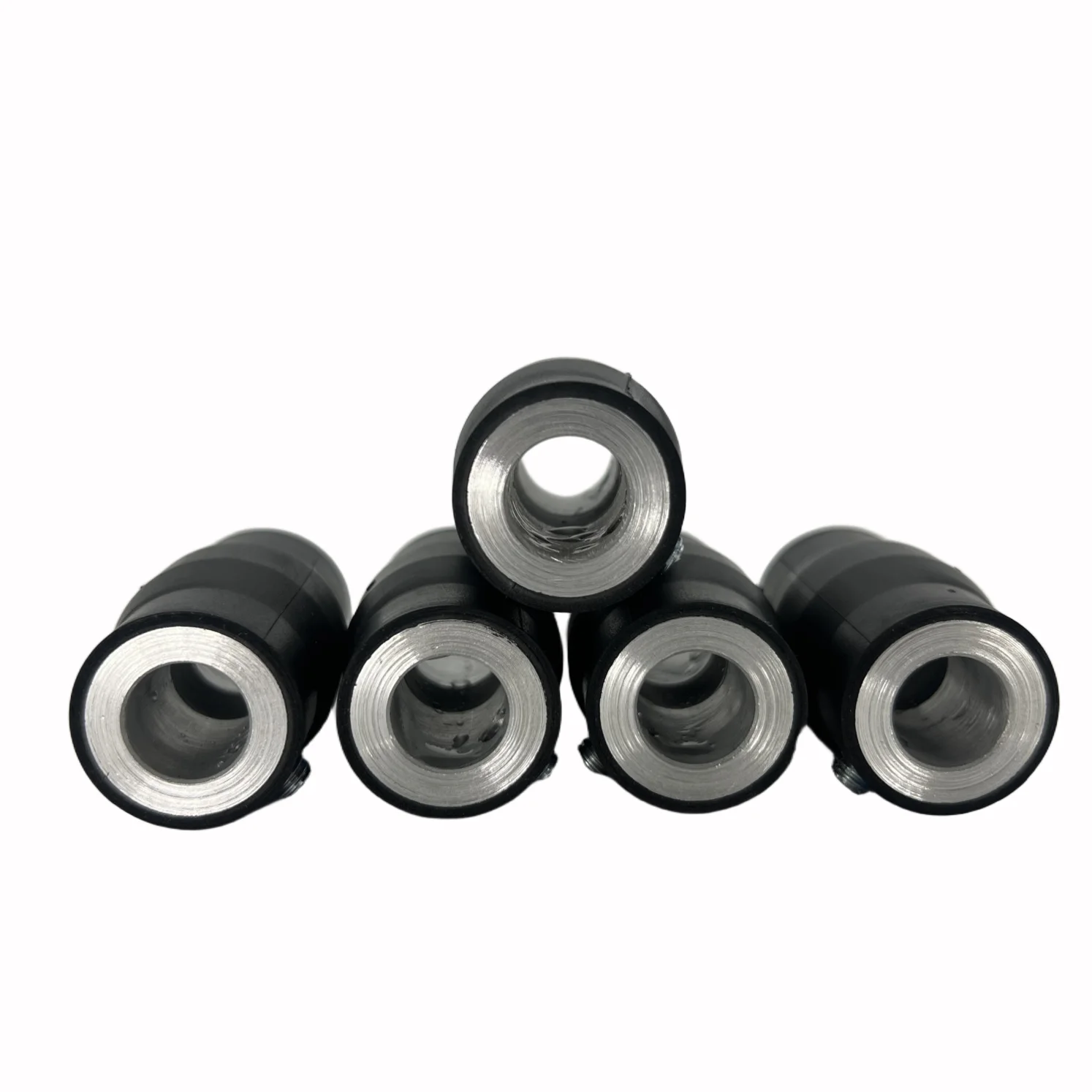
The rapid electrification of the global transport sector has introduced a new set of safety parameters. Electric vehicle (EV) battery packs are susceptible to thermal runaway, a condition where internal heat can lead to fire. Consequently, every component within the battery enclosure—including the supports that protect the cells from road shock—must be flame-retardant. The halogen-free shock absorber for EV applications is a specialized elastomer component designed to meet this exact need. These absorbers provide the necessary mechanical cushioning to protect fragile battery cells from impact while acting as a fire-stop within the enclosure.
In an EV, weight is as important as safety. Halogen-free elastomers are often lighter than their halogenated predecessors, helping to improve the overall energy efficiency and range of the vehicle. Furthermore, the halogen-free shock absorber for EV applications must comply with the strictest fire safety ratings, such as UL94 V0, ensuring that any localized fire is self-extinguished almost immediately. This characteristic is vital for the brand reputation of EV manufacturers, as it provides a critical layer of defense against high-profile thermal incidents. As the industry moves toward higher voltage systems and faster charging speeds, the role of these non-conductive, fire-resistant vibration isolators will only become more central to vehicle architecture.
Reliability and Resilience in the Fire-Retardant Rubber Damper RoHS Compliant
For heavy industrial applications where machinery is exposed to oils, moisture, and extreme mechanical loads, the material of choice is often a fire-retardant rubber damper RoHS compliant. These components are essential for the vibration isolation of pumps, compressors, and industrial fans. The "RoHS compliant" designation is a crucial indicator for B2B buyers, signifying that the product is free from hazardous substances like lead, mercury, and polybrominated biphenyls. This makes the dampers safe for global use and simplifies the waste management and recycling processes at the end of the machine’s lifecycle.
The preparation of a fire-retardant rubber damper RoHS compliant involves a meticulous balancing act. The manufacturer must add enough flame retardant to meet safety standards without compromising the inherent "rebound" and tensile strength of the rubber. When successful, the result is a material that features excellent vibration attenuation and high sound insulation. In a factory setting, this reduces noise levels for workers while ensuring that the equipment is protected from the damaging effects of constant resonance. The non-toxic nature of the smoke emitted during a fire event further ensures that the factory environment remains as safe as possible for personnel during an emergency.

The modern industrial landscape is currently defined by two major imperatives: the enhancement of mechanical reliability and the absolute commitment to environmental stewardship.