

 Select Language
The modern industrial landscape is currently defined by a dual pursuit: the enhancement of mechanical performance and the strict adherence to global environmental safety standards. As infrastructure becomes more complex and the electrification of transport accelerates, the demand for specialized materials that can mitigate mechanical stress while resisting fire has reached an all-time high. Central to this evolution is the development of halogen-free flame-retarded elastomer materials. These advanced polymers are no longer mere commodities; they are essential engineering solutions that provide a critical line of defense in high-stakes environments. By integrating flame retardancy directly into the elastomer’s molecular matrix during melt processing, manufacturers have created a new class of materials that prioritize human safety and ecological health without compromising on functionality.
Engineering Safety with the Halogen-Free Flame-Retardant Vibration Damper
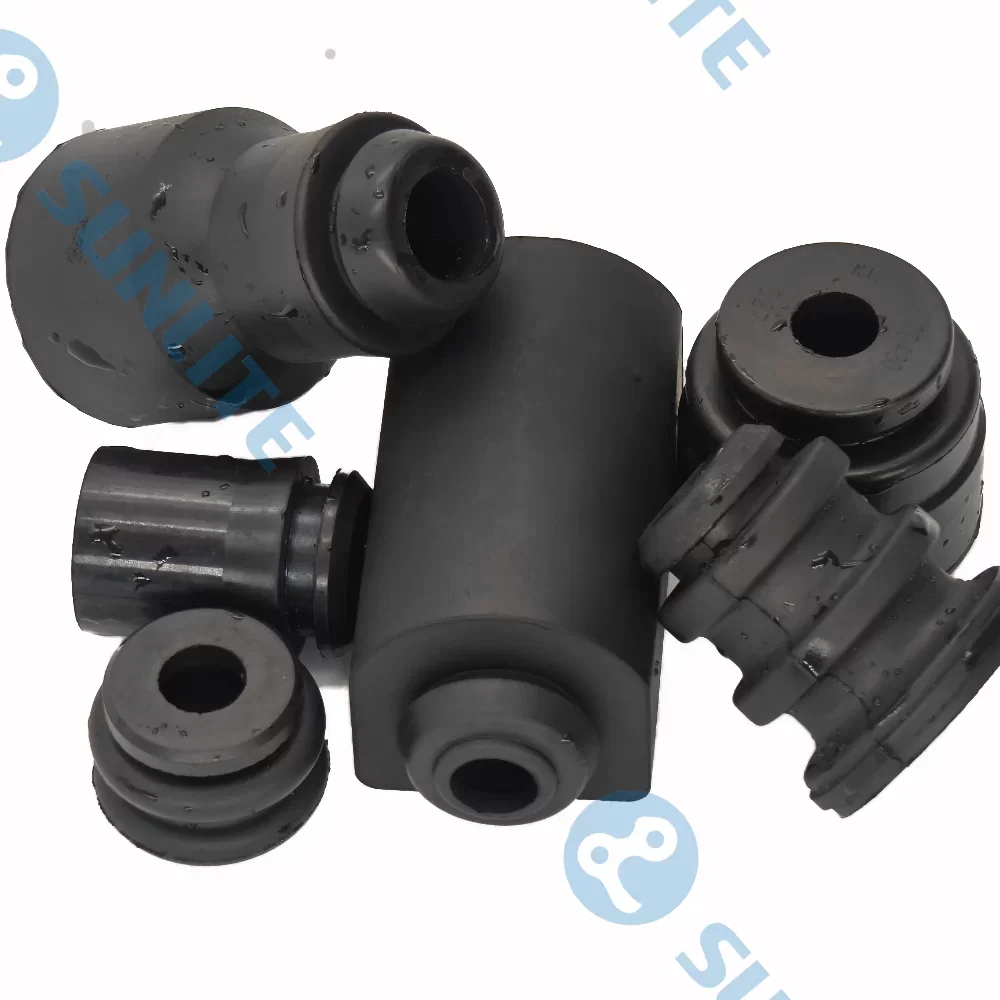
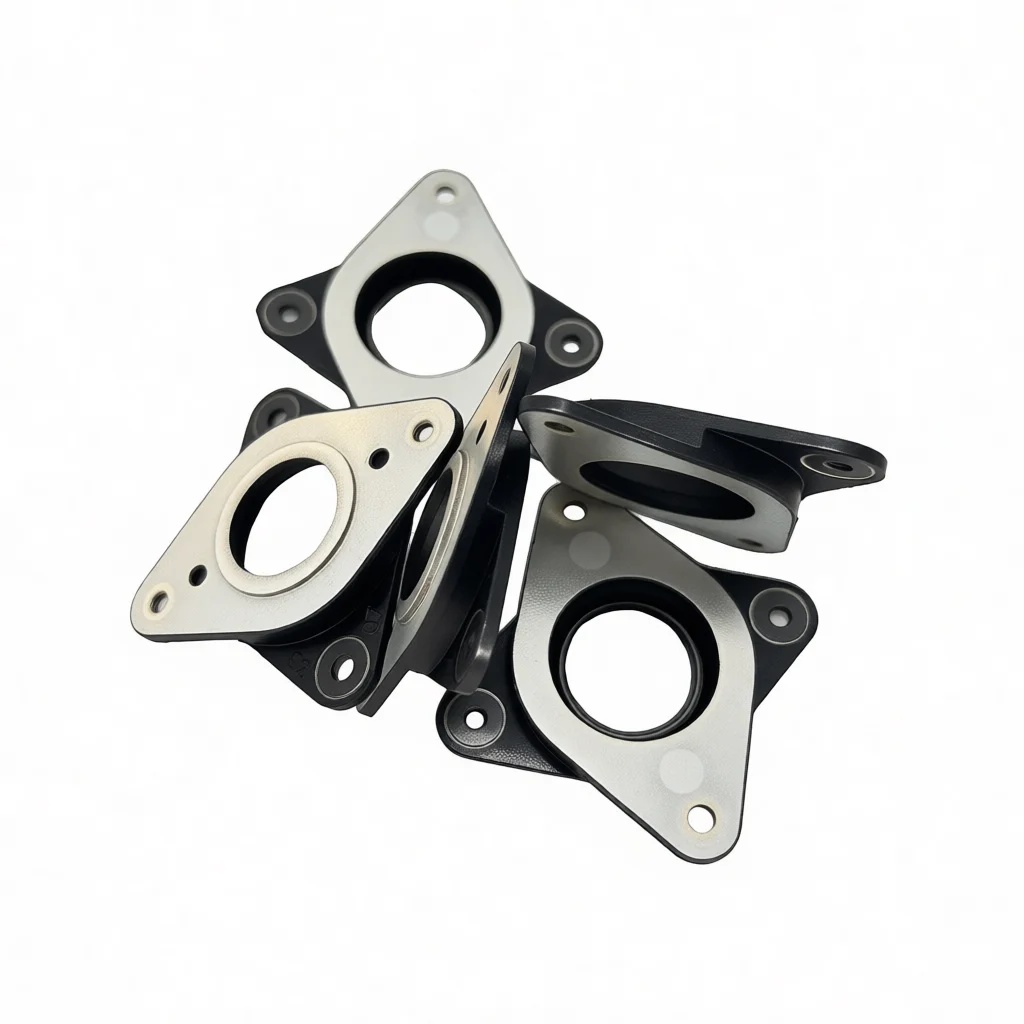
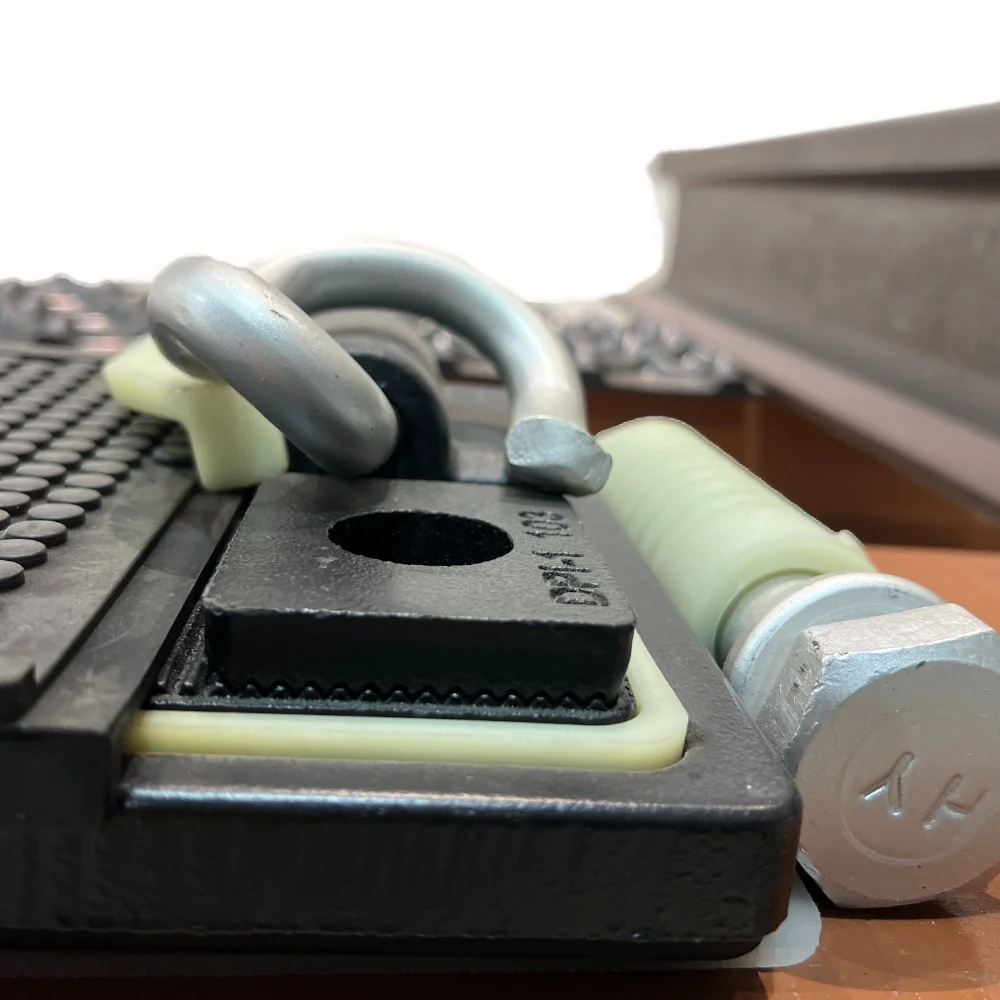
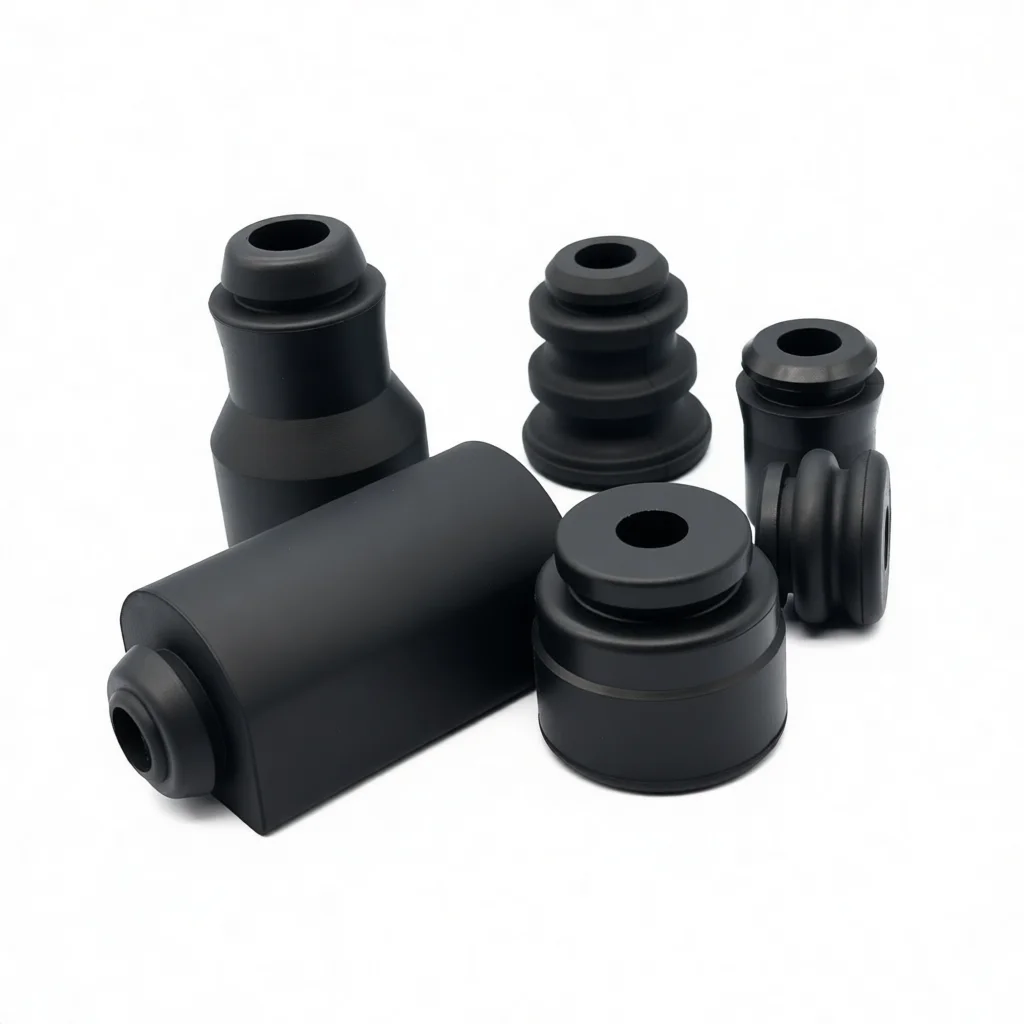
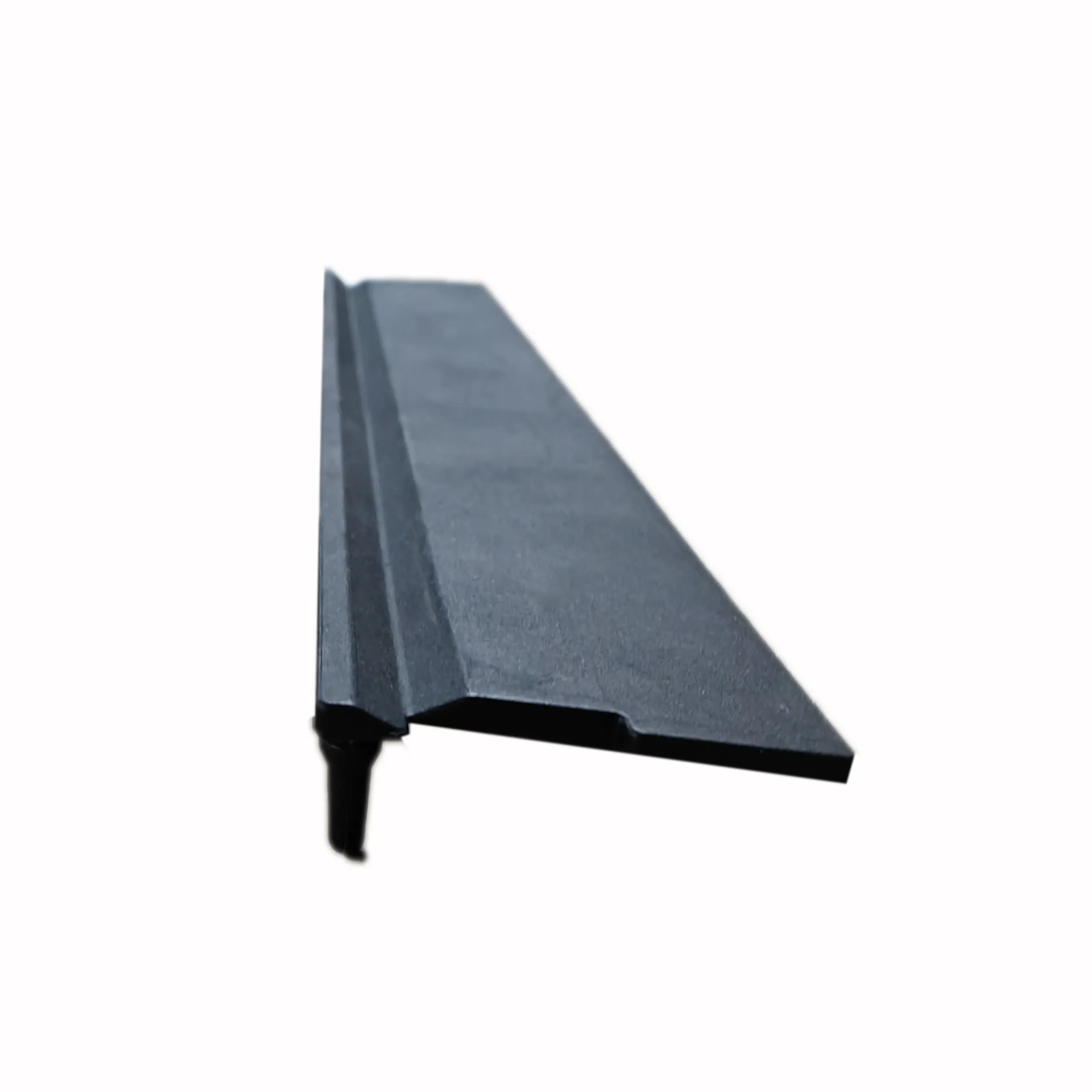
Vibration management is a fundamental requirement in almost every mechanical system, from heavy industrial machinery to delicate consumer electronics. However, in enclosed or high-risk environments, a standard damper is insufficient if it poses a fire hazard. This is where the halogen-free flame-retardant vibration damper has become an industry benchmark. These components are designed to absorb and dissipate kinetic energy, preventing mechanical resonance that can lead to structural fatigue or noise pollution. What sets them apart is their ability to perform this mechanical task while remaining completely non-toxic and low-smoke in the event of a fire.
The strategic implementation of a halogen-free flame-retardant vibration damper provides plant managers and engineers with peace of mind. In facilities where fire safety regulations are stringent, such as data centers or oil and gas refineries, the use of halogen-free materials is often mandatory. The "low smoke" characteristic is particularly vital; in a fire emergency, the primary cause of casualty is often the inhalation of thick, toxic smoke rather than the flames themselves. By utilizing elastomers that produce minimal, non-acidic smoke, these dampers ensure that visibility remains clear for evacuation and that sensitive electronic equipment is not destroyed by corrosive gas byproducts.
Achieving Global Compliance with the Non-Halogen Fire-Resistant Damping Pad
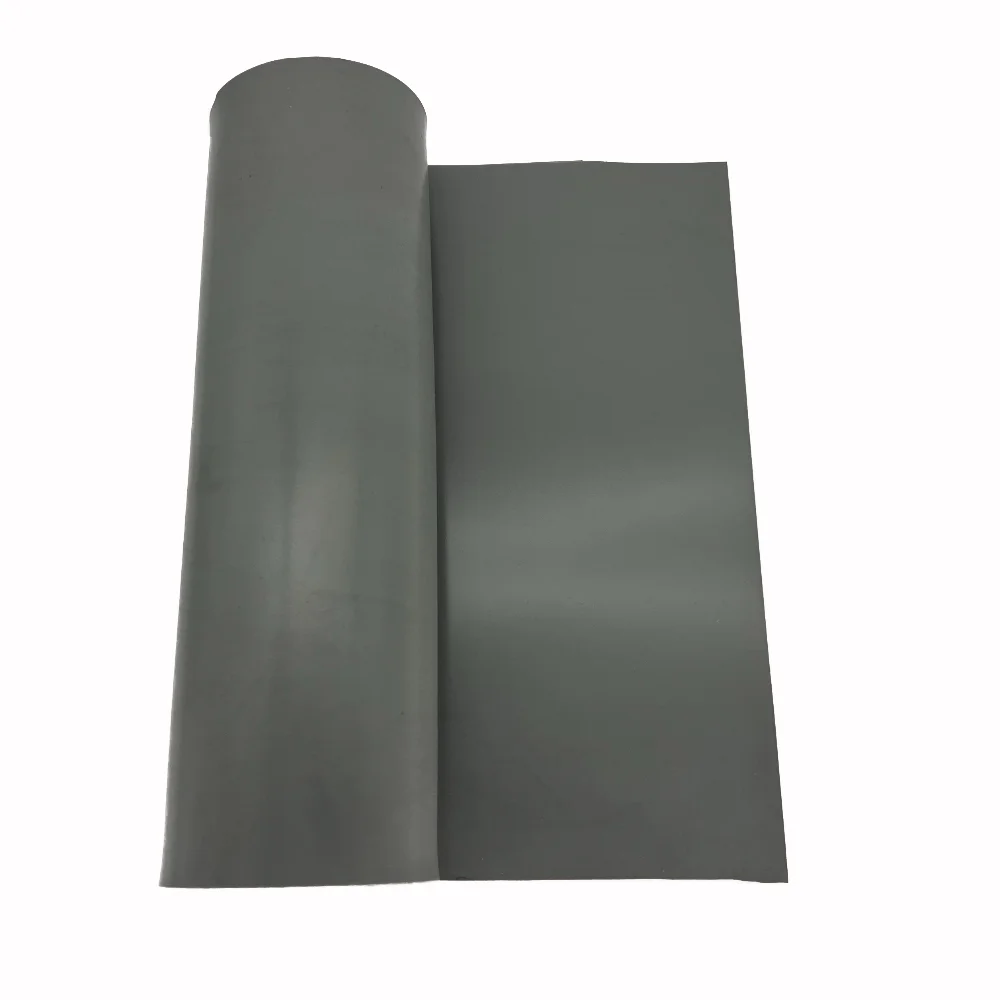
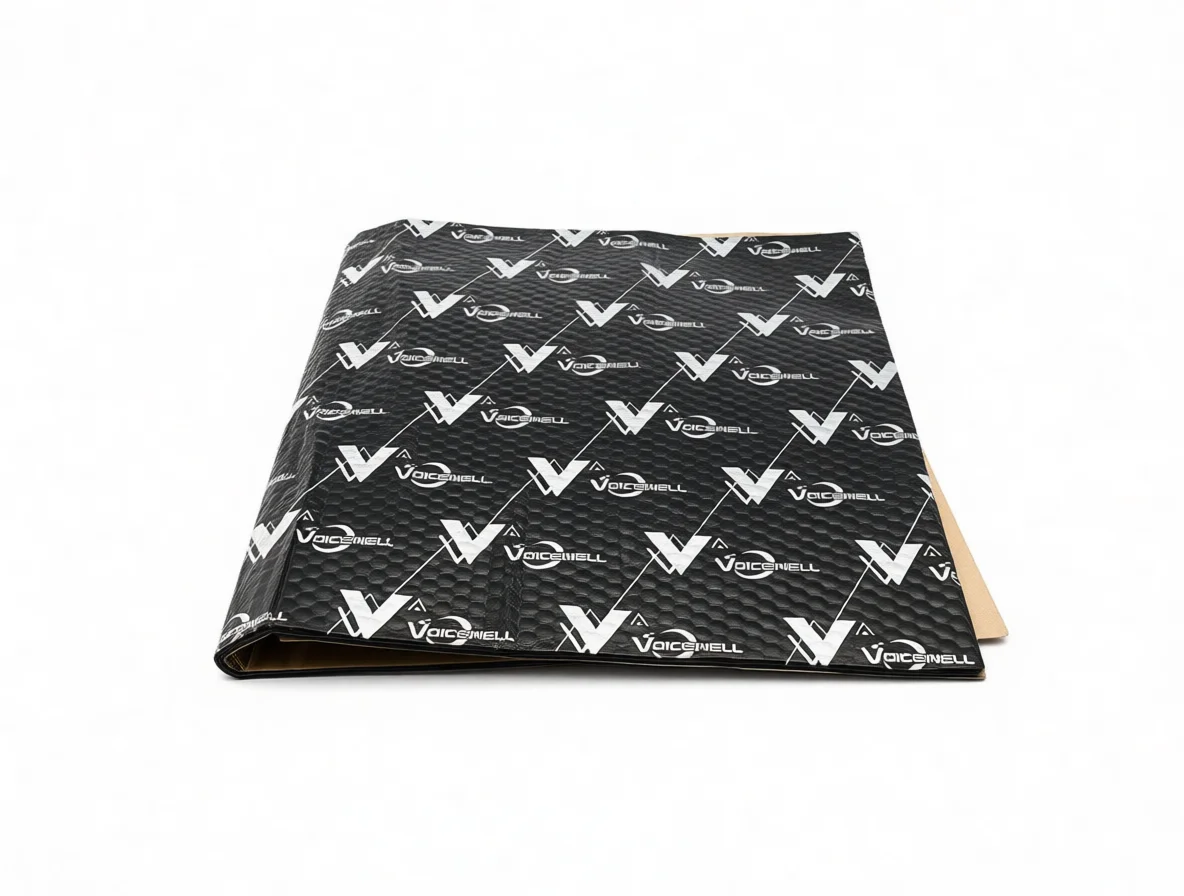
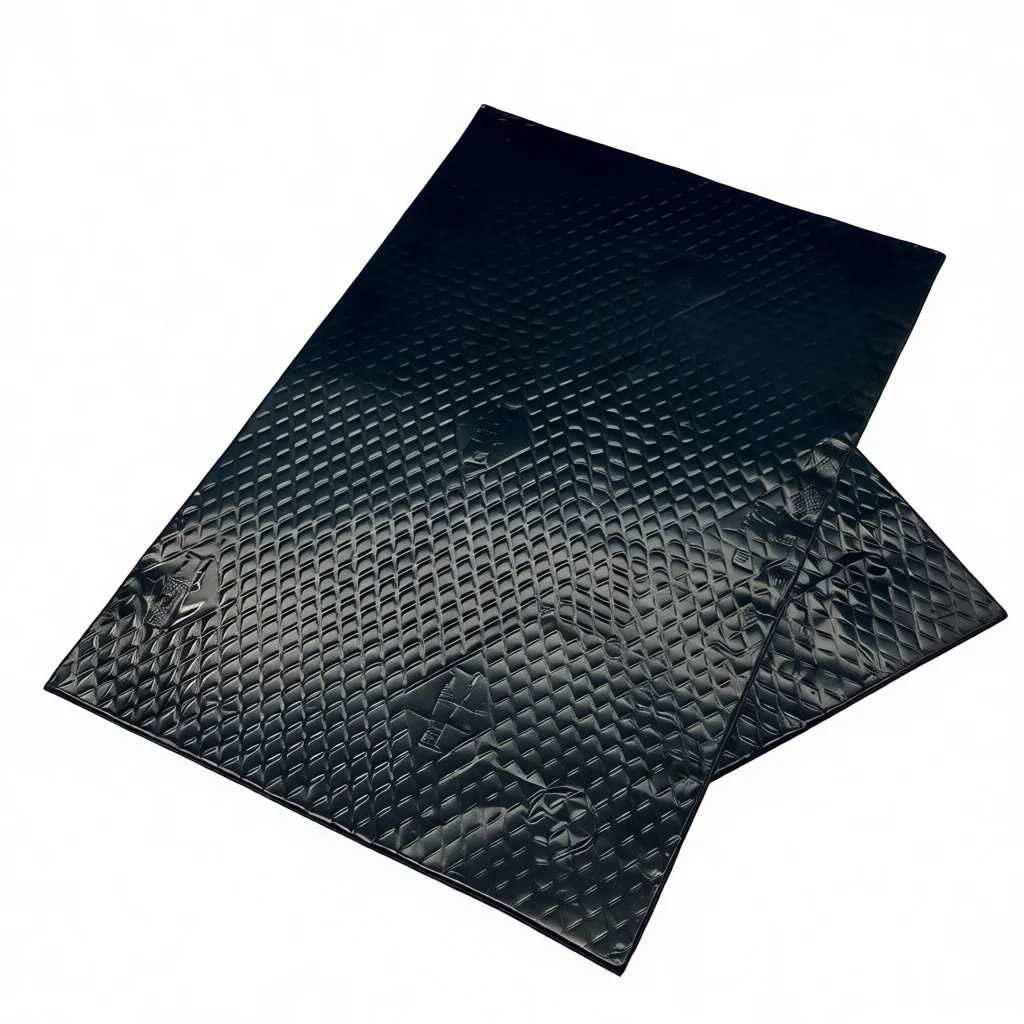
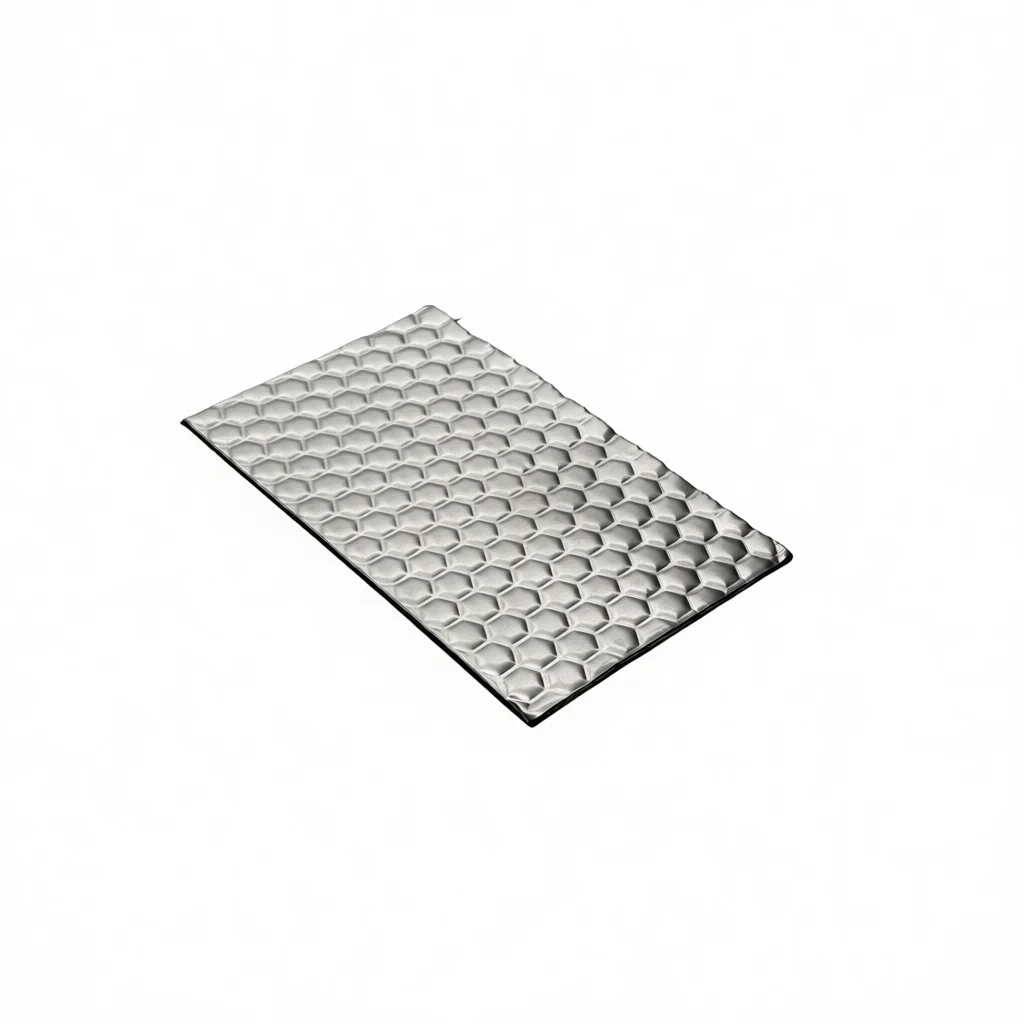
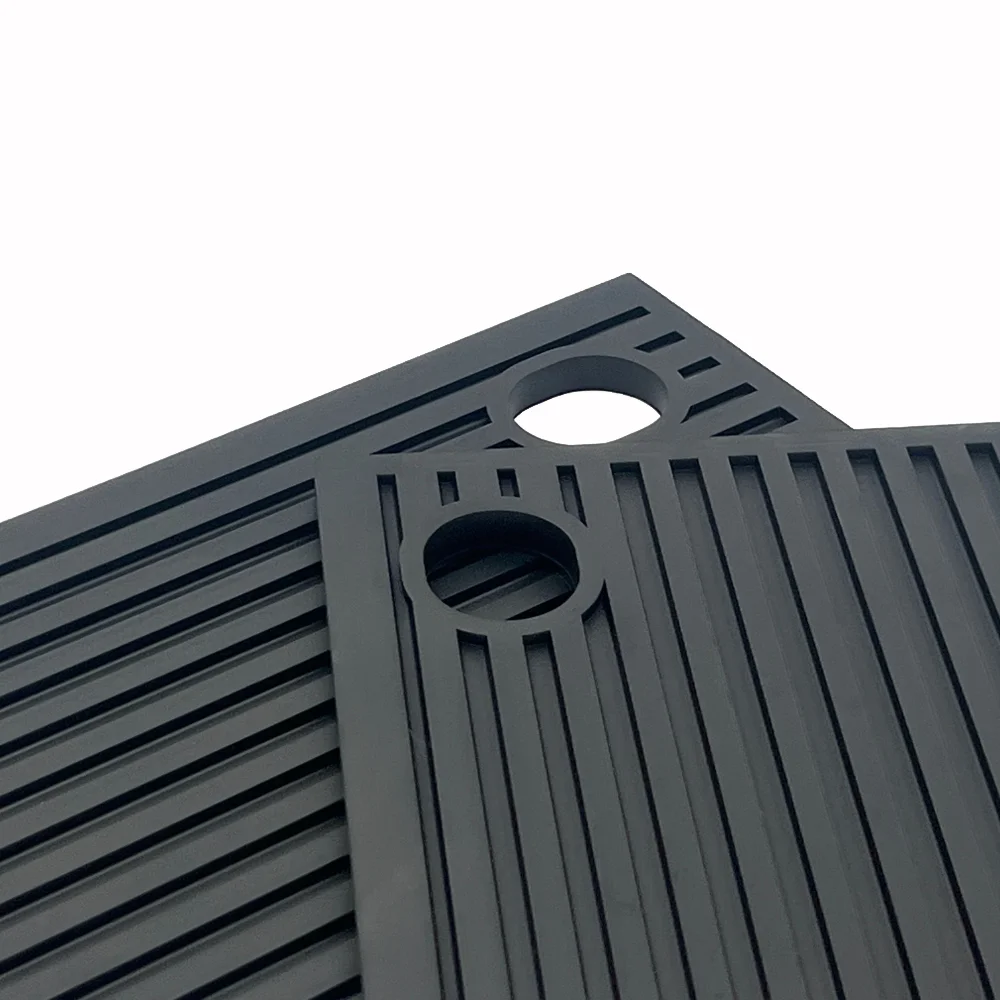
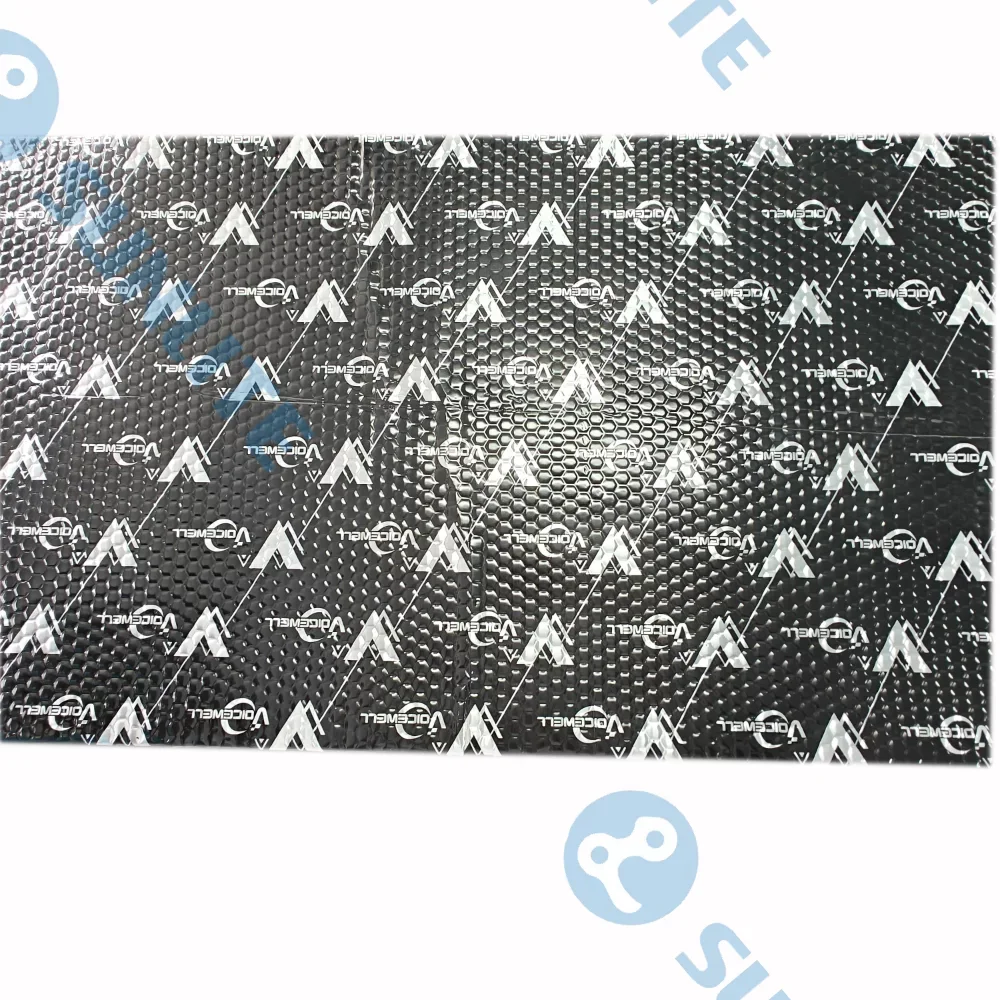
As the regulatory net tightens across Europe, North America, and Asia, B2B procurement teams are increasingly seeking components that meet a dizzying array of environmental standards, including RoHS 2.0, REACH, and PFAS restrictions. The non-halogen fire-resistant damping pad has emerged as a key solution for companies looking to future-proof their supply chains. These pads are widely used in the construction and transportation sectors to provide acoustic insulation and vibration isolation. Because they are free from restricted substances like polybrominated biphenyls (PBBs) and per- and polyfluoroalkyl substances (PFAS), they can be traded globally without the risk of non-compliance.
The function of a non-halogen fire-resistant damping pad extends beyond mere compliance. These pads offer exceptional aging resistance and thermal stability. In high-traffic environments like subway systems or commercial aircraft, the material must withstand millions of cycles of mechanical stress while being exposed to varying temperatures. The organic combination of the flame retardant and the elastomer ensures that the material does not become brittle or lose its damping properties over time. This longevity translates to lower maintenance costs and a reduced environmental footprint, as the frequency of replacement is significantly diminished compared to traditional rubber or foam alternatives.
Specialized Protection with the Halogen-Free Shock Absorber for EV Applications
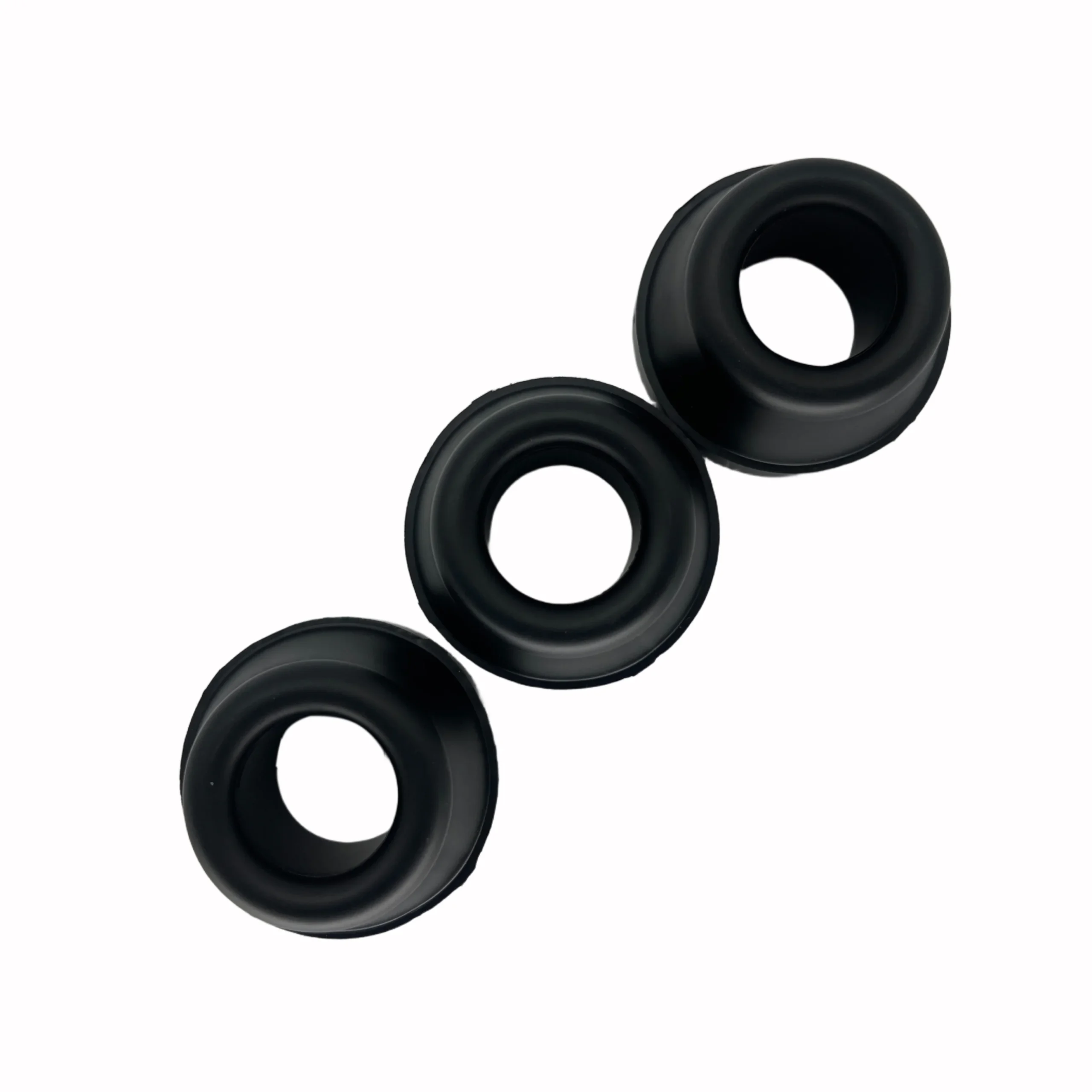
The global shift toward electric mobility has introduced a new set of safety challenges, specifically regarding battery thermal management. Electric vehicle (EV) batteries are susceptible to thermal runaway, and the components surrounding the battery pack must be capable of preventing fire propagation while protecting the cells from road-induced shocks. The halogen-free shock absorber for EV applications is a specialized category of elastomer designed for this exact purpose. These absorbers provide the critical mechanical cushioning required to protect fragile battery architectures while acting as a fire-resistant barrier within the battery enclosure.
In an EV, every gram of weight matters for maximizing range, and the use of halogen-free elastomers often allows for lighter designs compared to heavy, halogen-loaded compounds. Furthermore, the halogen-free shock absorber for EV applications must comply with the strictest fire safety ratings, such as UL94 V0. This rating ensures that the material will self-extinguish within seconds after the removal of a flame source. By integrating these advanced shock absorbers, automotive manufacturers can meet the dual goals of vehicle safety and sustainability, ensuring that their products comply with the latest TSCA and POPs regulations while providing a superior driving experience.
Reliability and Resilience in the Fire-Retardant Rubber Damper RoHS Compliant
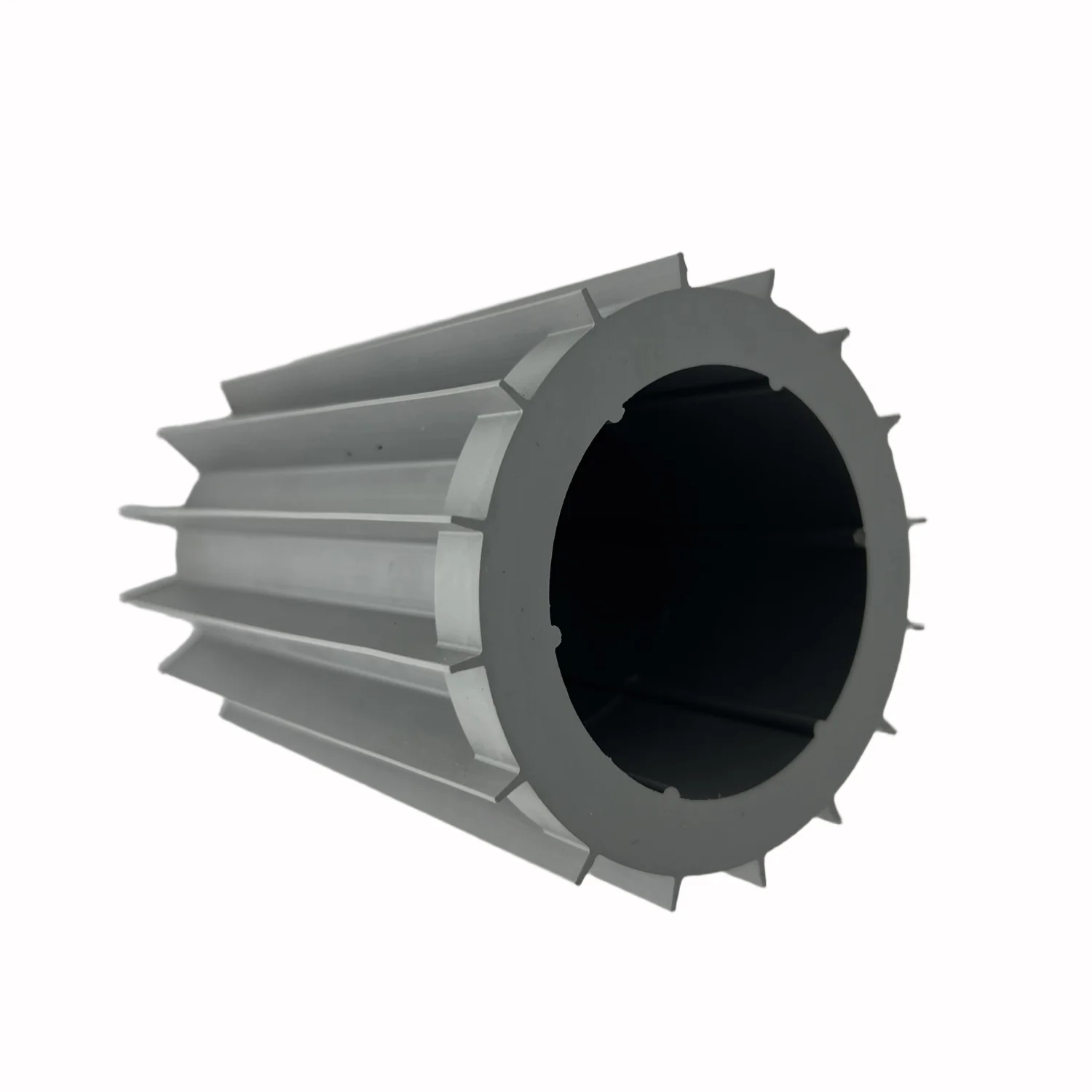
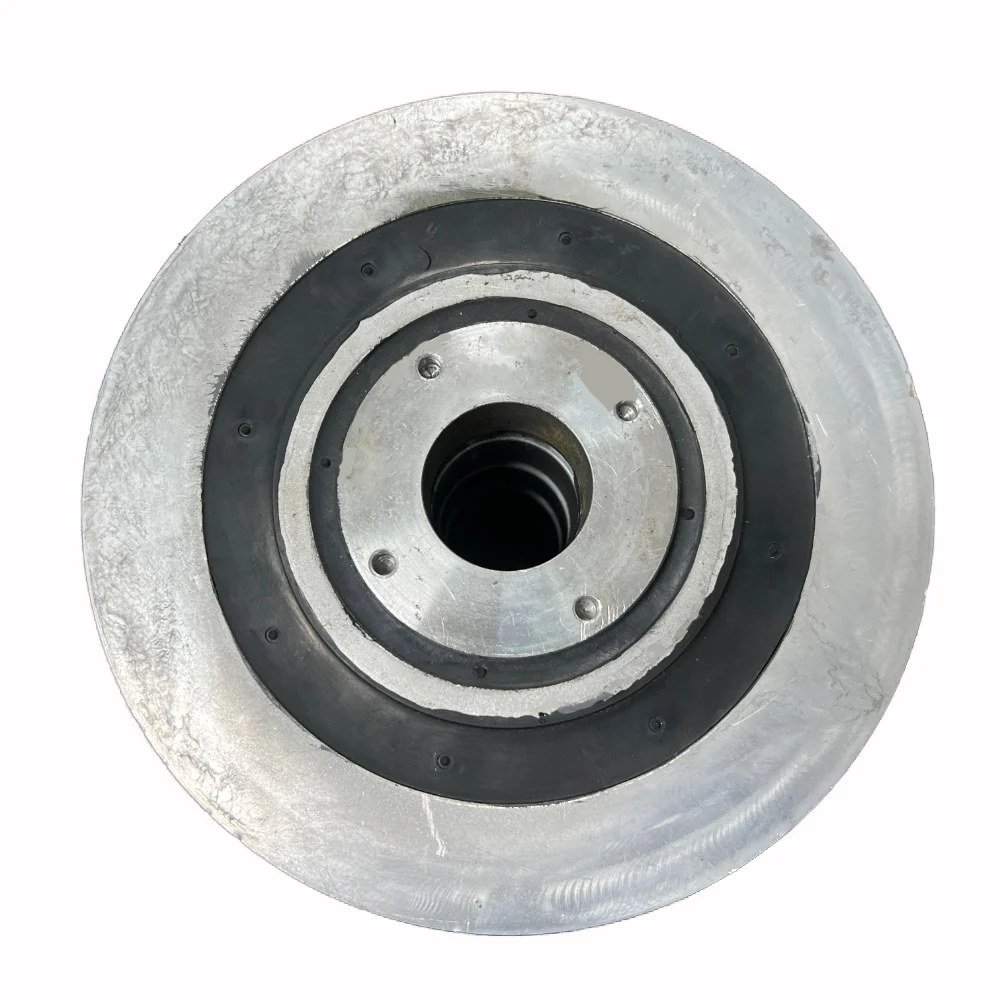
For heavy-duty industrial applications where machinery is exposed to oils, moisture, and high mechanical loads, the fire-retardant rubber damper RoHS compliant remains the preferred choice for engineers. These dampers play a main role in vibration attenuation, heat insulation, and sound deadening in pumps, compressors, and power generators. The "RoHS compliant" designation is a crucial indicator for B2B buyers, signifying that the product is free from hazardous heavy metals and flame retardants that could leach into the environment or harm workers during the manufacturing process.
The technical advantage of a fire-retardant rubber damper RoHS compliant lies in its non-toxicity and high loss factor. When the damper is subjected to high-frequency vibrations, it converts that energy into negligible heat without degrading the polymer structure. In the event of an external fire, the rapid carbonization of the surface ensures that the internal structural integrity of the damper is maintained for as long as possible, providing a "fail-safe" mechanism for the machinery. This combination of mechanical toughness and chemical safety makes it an indispensable component in the modern industrial arsenal, aligning operational efficiency with the highest standards of corporate environmental responsibility.
The modern industrial landscape is currently defined by a dual pursuit: the enhancement of mechanical performance and the strict adherence to global environmental safety standards.