

 Select Language
Agricultural drones operate in some of the most demanding environments on Earth. They are constantly exposed to dust, moisture, and chemical fertilizers, all while moving at high speeds that generate significant friction with the air. This friction can lead to the buildup of static electricity. If not managed, a static discharge can fry sensitive sensors or, in the worst-case scenario, ignite flammable chemicals being sprayed.
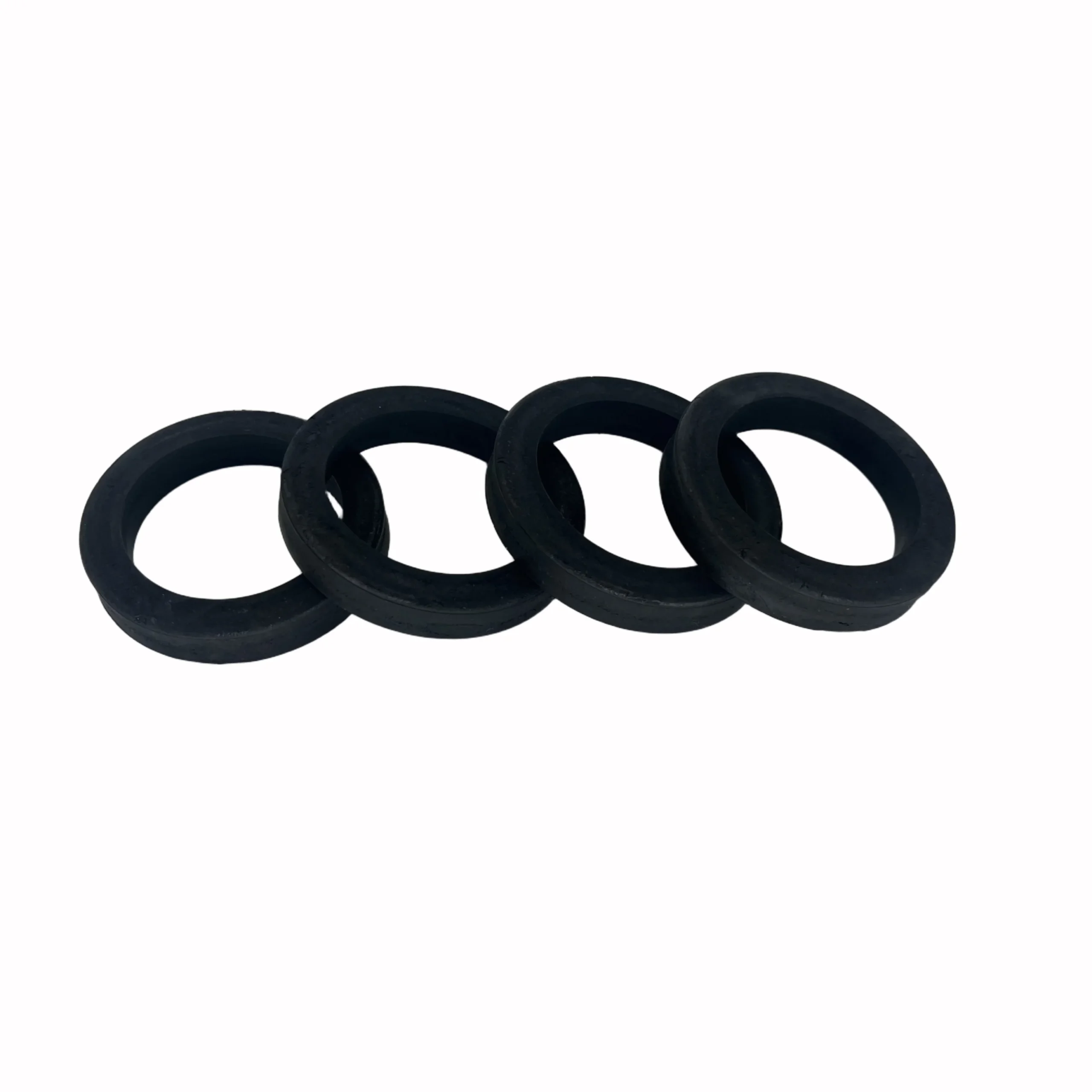
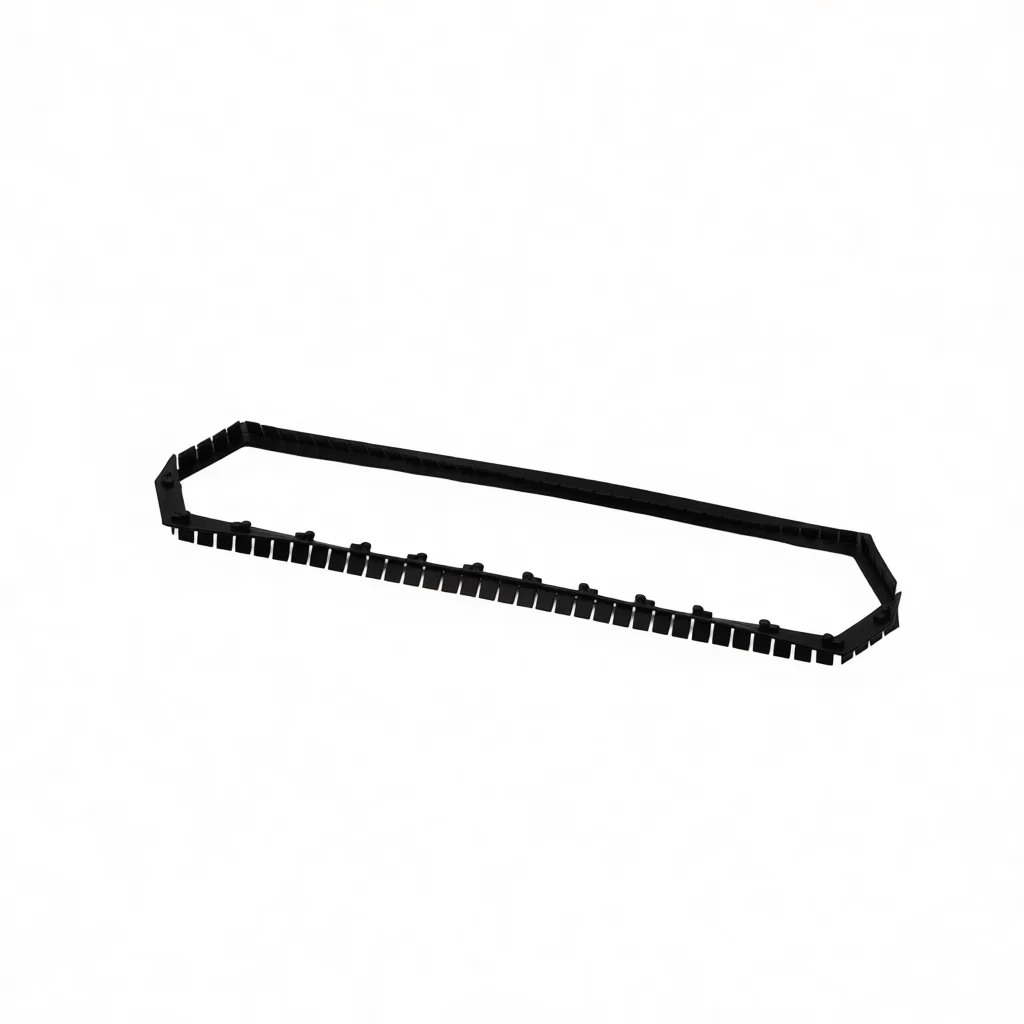
The preparation of antistatic elastomer materials involves a sophisticated loading process where conductive fibers and organic compounds are integrated into a standard rubber or polymer matrix. The goal is to achieve a surface resistance of less than 10^6Ω. By maintaining this specific threshold, the material ensures that static charges are dissipated across the surface rather than accumulating at a single point. This molecular precision is what separates high-quality agricultural drone parts from generic alternatives. When these elastomers are used in seals and gaskets, they provide a dual-purpose benefit: they protect the internal electronics from environmental debris while simultaneously serving as a grounding path for static electricity.
Enhancing Reliability with Premium Drone Accessories for Sale
When pilots look for drone accessories for sale, they are often searching for upgrades that enhance the reliability of their fleet. Antistatic elastomers have become a hallmark of "advanced level" accessories because they address the hidden threat of electromagnetic interference (EMI). A drone’s performance is only as good as the signals it receives. Static buildup can create "noise" that interferes with GPS modules and internal compasses.
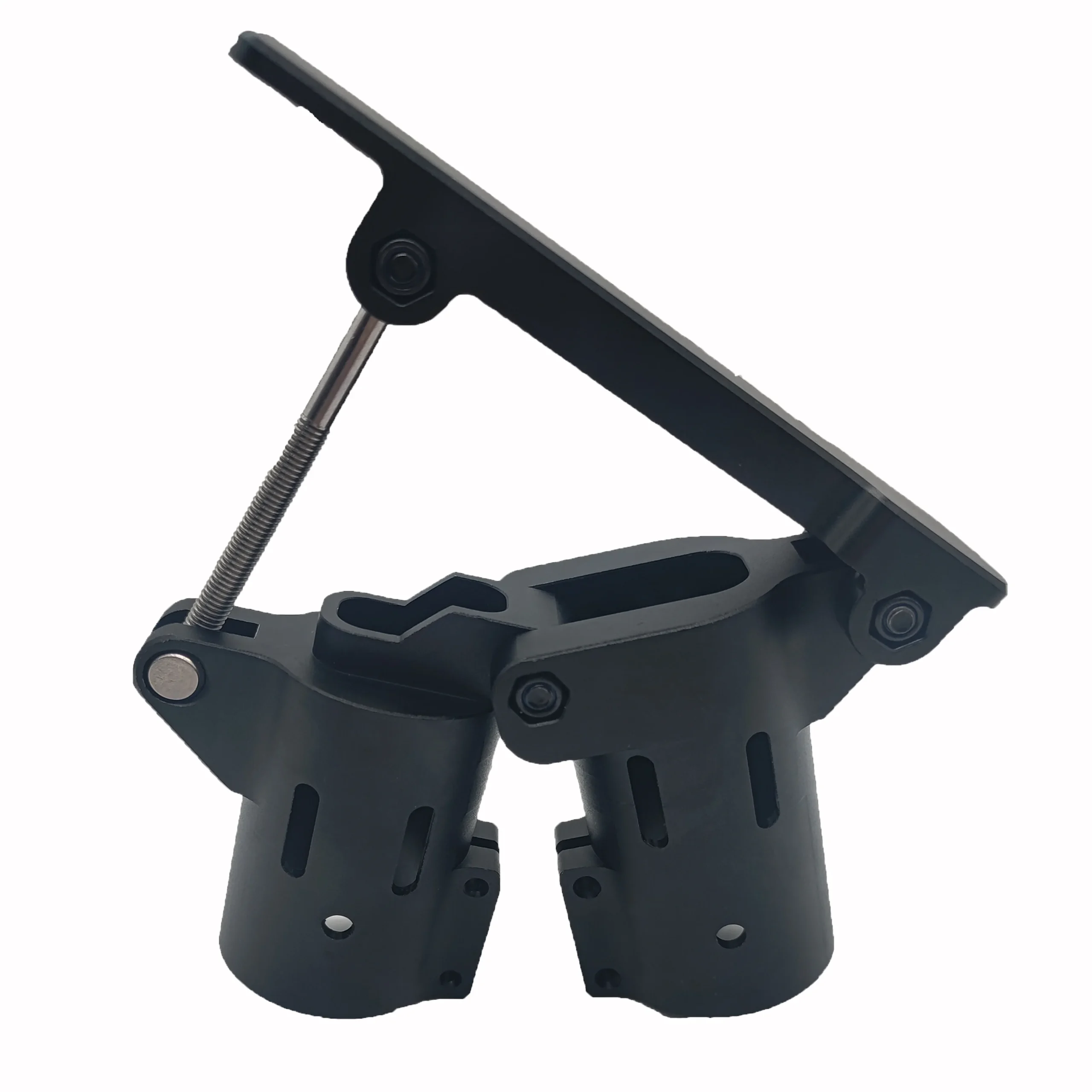
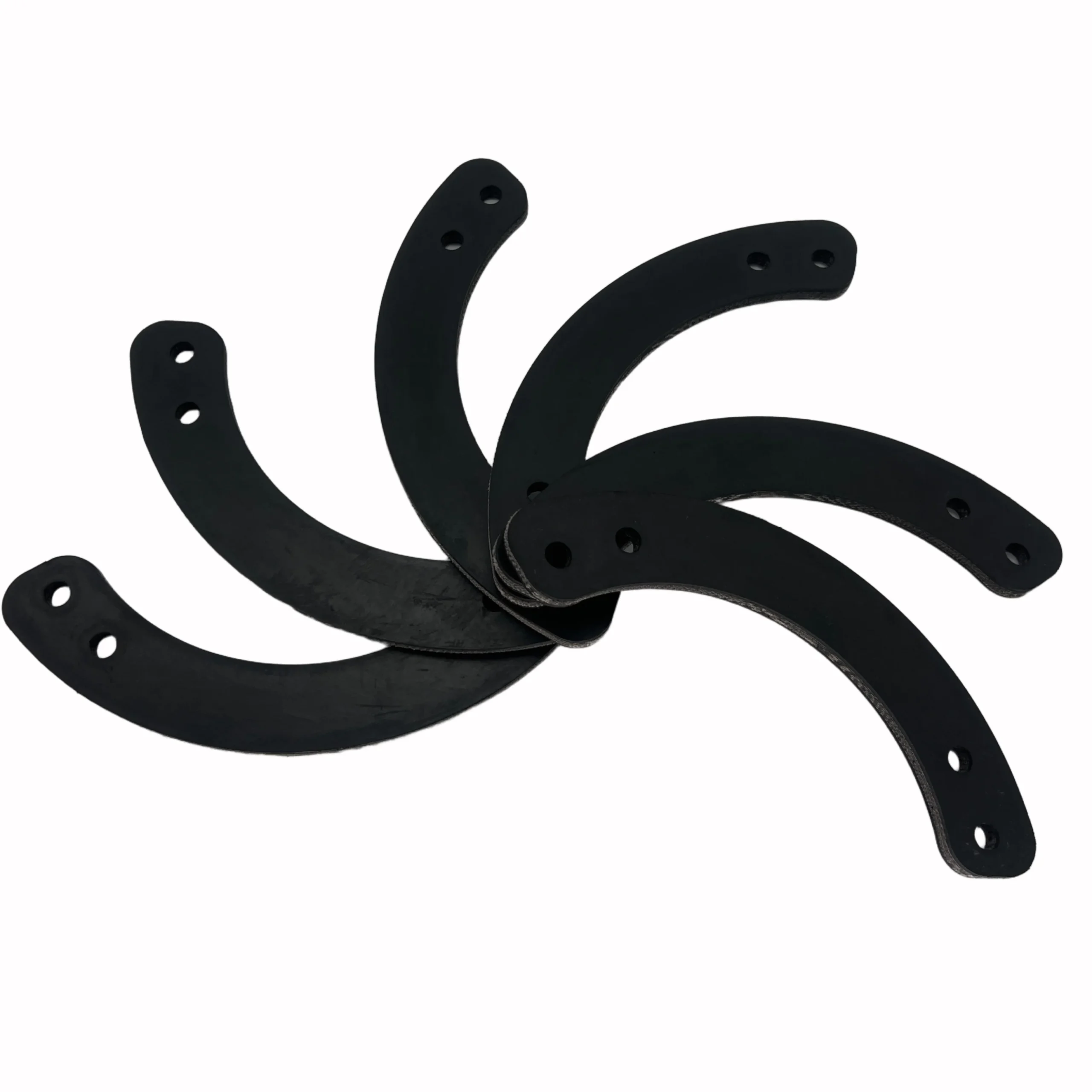
By utilizing antistatic materials in external accessories—such as landing gear pads, protective bumpers, and vibration dampeners—manufacturers can significantly reduce the risk of signal degradation. These materials are engineered to remain flexible across a wide range of temperatures, ensuring that the drone remains stable whether it is flying in the freezing altitudes of a mountain range or the humid heat of a tropical plantation. This temperature resistance, combined with high elasticity, ensures that the accessory does not become brittle or fail under the mechanical stress of repetitive flights.
The Critical Role of Antistatic Drone Plugs in System Integrity
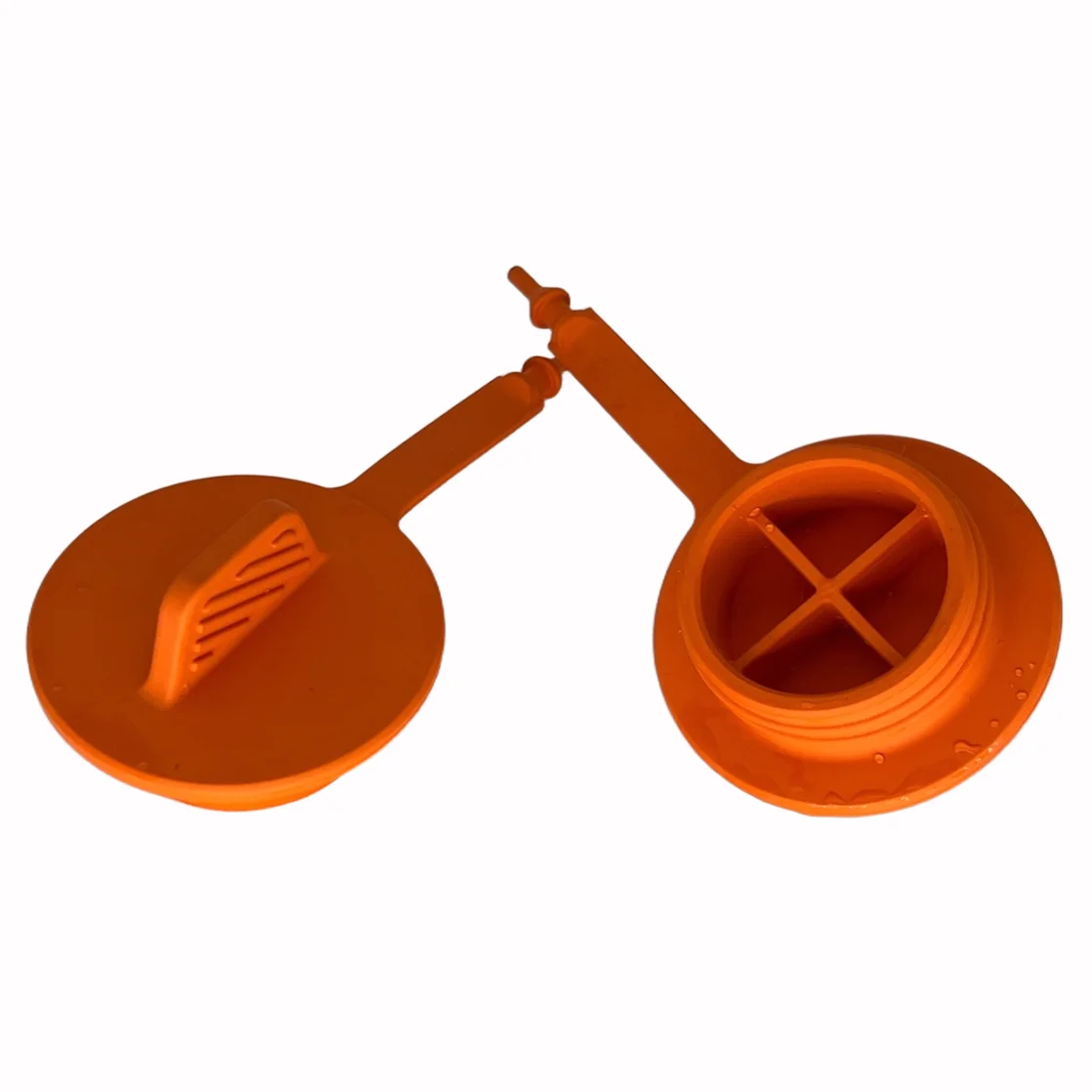
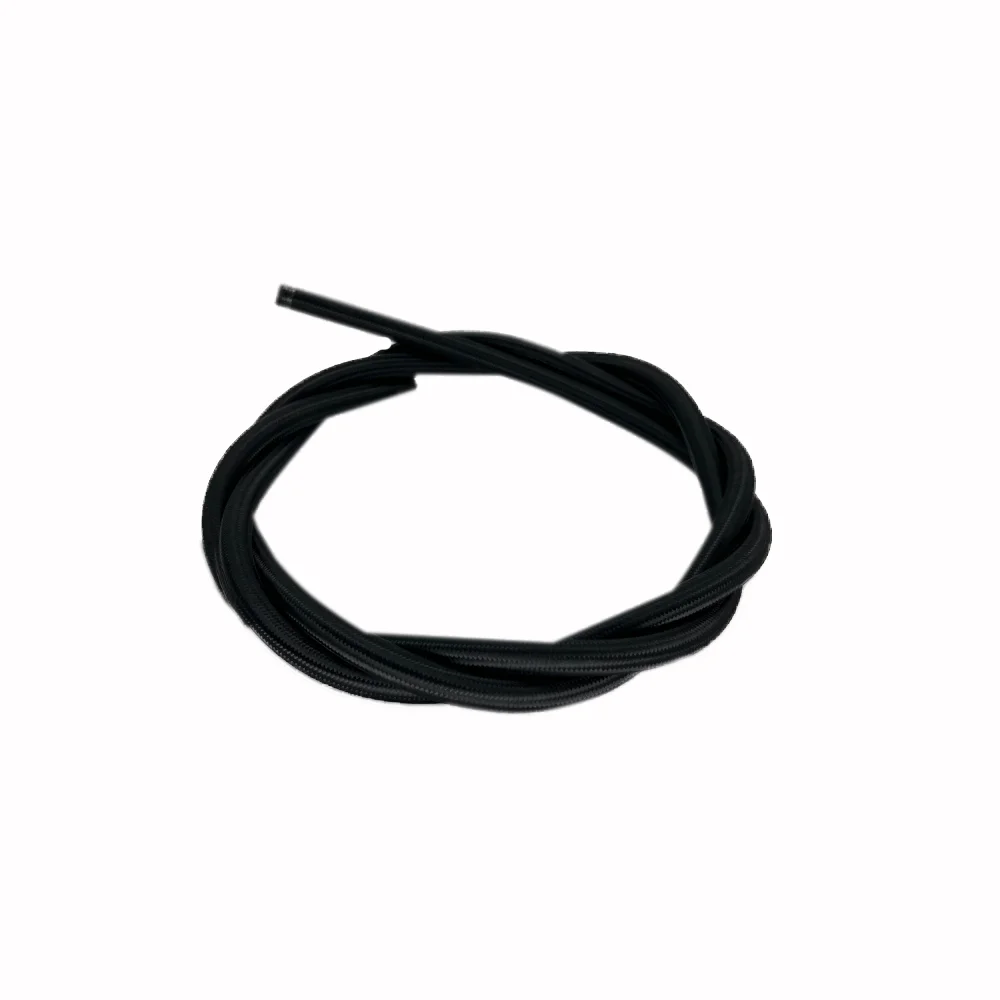
Every connection point on a drone is a potential point of failure. The power and data ports are particularly vulnerable to static discharge, which can occur simply by plugging in a battery or a data cable. This is where drone plugs manufactured from antistatic elastomers become indispensable.
Unlike standard plastic or rubber plugs, antistatic versions are designed with a controlled resistance that prevents the rapid transfer of electrons. This "soft" discharge prevents sparks that could damage the delicate gold-plated pins within the port. Furthermore, because these materials meet stringent environmental regulations like RoHS 2.0 and REACH, they ensure that the hardware is safe for global distribution and use. The precise regulation of resistance in these plugs means that they provide a consistent seal that is both dustproof and electrically inert, safeguarding the drone’s central nervous system during both operation and storage.
Maximizing Longevity with the Correct Drone Stopper and Sealing Solutions
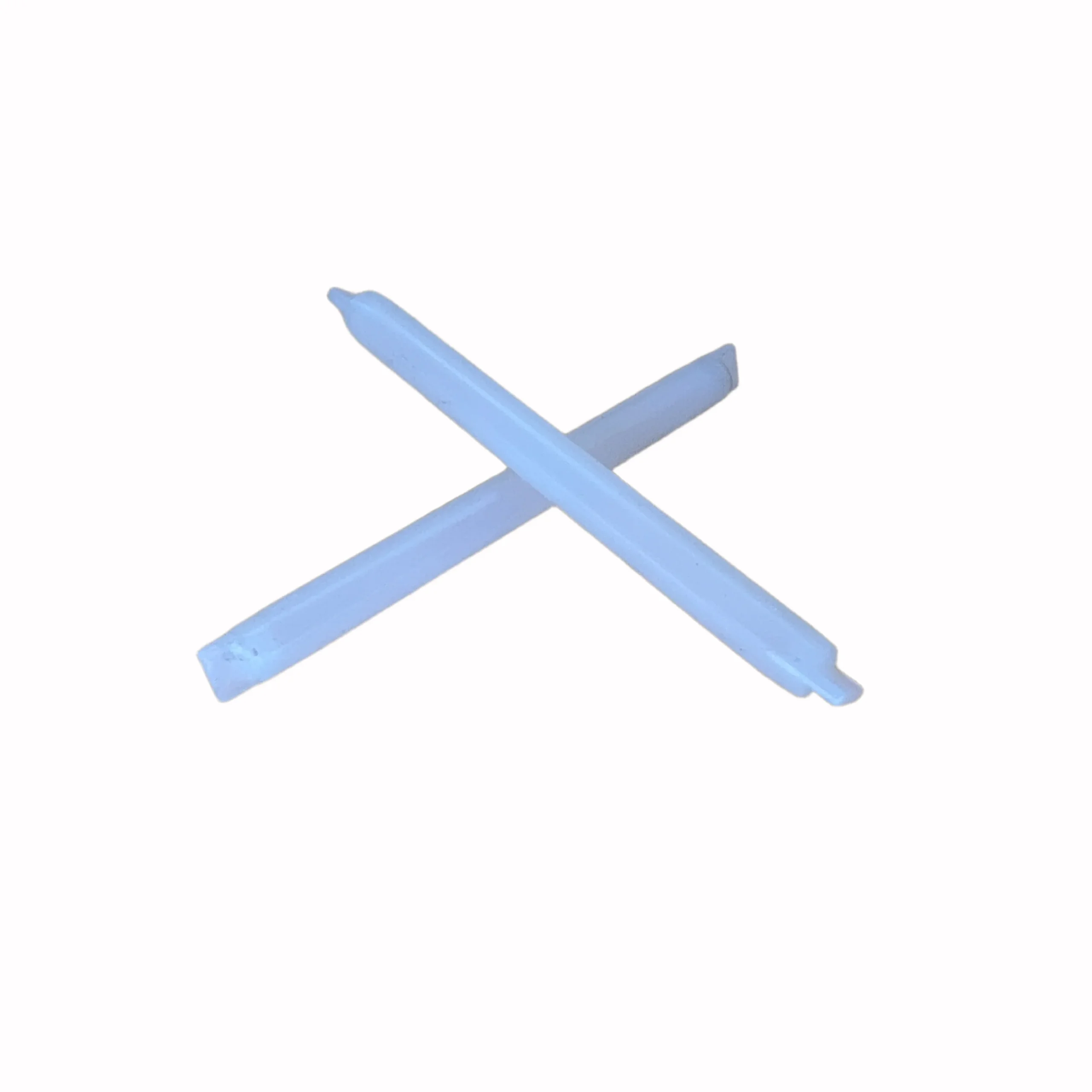
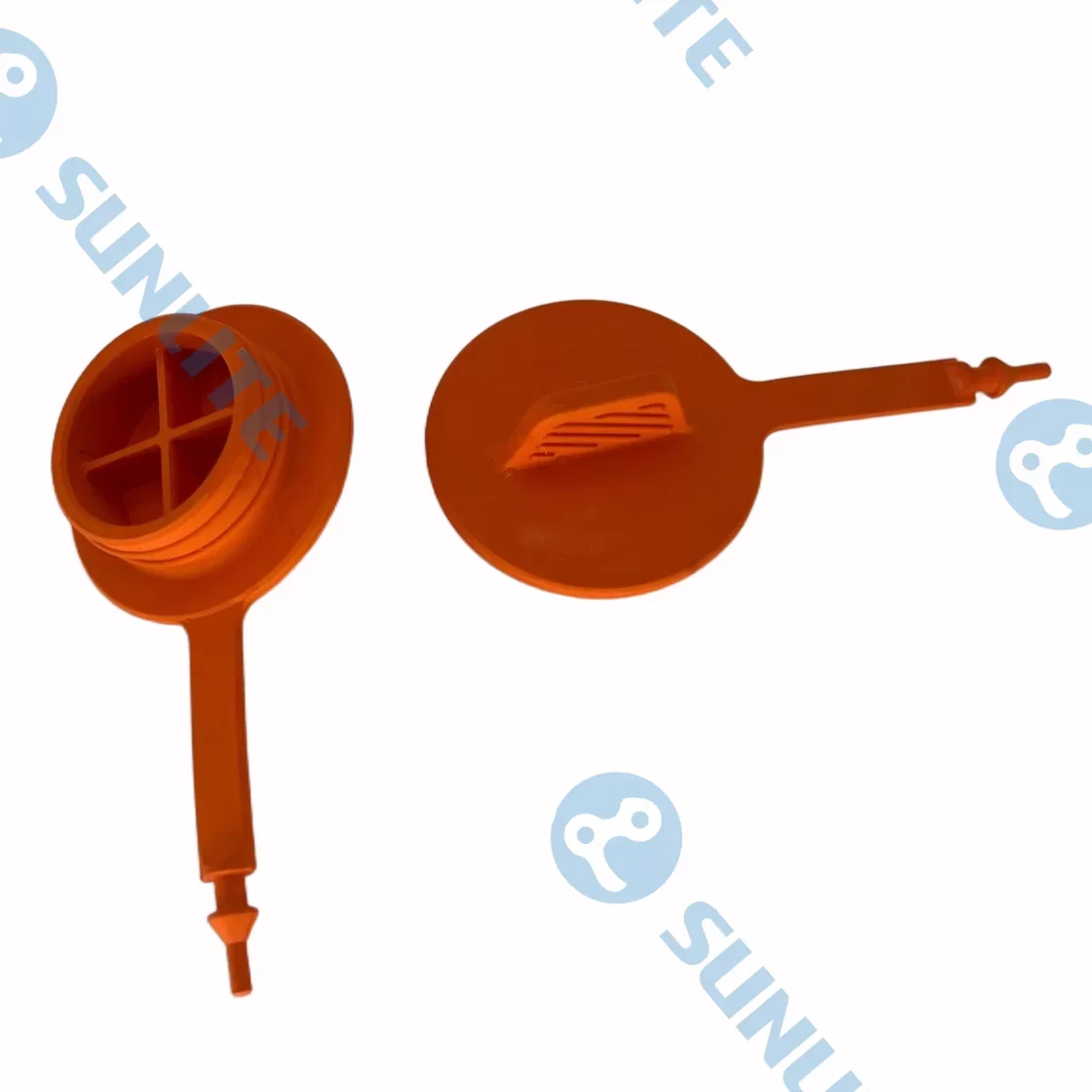
In the maintenance of a professional UAV, the smallest components often provide the most significant protection. A drone stopper, used to seal unused ports or to dampen the movement of folding arms, must do more than just fit into a hole. It must act as a barrier against the elements while ensuring it doesn't contribute to the static profile of the aircraft.
Antistatic elastomers are ideal for these components because of their buffering and vibration-damping characteristics. When a drone is in flight, the motors generate high-frequency vibrations that can wear down structural components over time. An antistatic stopper made from advanced elastomers absorbs this energy, preventing it from vibrating through the frame. This dampening effect not only extends the life of the airframe but also protects the optical sensors from the "jello effect" often seen in high-speed footage. By choosing parts that prioritize these advanced material sciences, operators ensure that their equipment remains at the "advanced level" of performance, reducing downtime and maintenance costs.
Drone Parts: Material Innovation and the Future of UAV Safety
The transition from ordinary elastomers to antistatic, conductive-fiber-loaded materials represents a paradigm shift in drone manufacturing. As the industry moves toward more autonomous operations, the margin for error shrinks. A single static spark in a sensitive environment could lead to the loss of expensive equipment or cause safety accidents.
Through continuous research and molecular design, the industry has realized a level of process control that allows for the "precise regulation" of material properties. This means that a component can be engineered to be exactly as conductive or as flexible as the specific application requires. Whether it is a seal for a high-voltage battery or a dampener for a high-precision camera gimbal, the material is tailored to the task. This level of customization ensures that the drone can meet the rigorous needs of diverse fields, from industrial inspection to emergency response.
As you look to maintain or upgrade your fleet, focusing on the material composition of your components is the best way to future-proof your investment. The integration of antistatic technology is not just an "extra feature"—it is a fundamental requirement for any serious operator in the modern era of flight.
Agricultural drones operate in some of the most demanding environments on Earth.