

 Select Language
You know, when I first started in this industry, waterproofing felt like a dark art. Tar, torches, the whole nine yards – messy, often hazardous, and to be honest, not always as reliable as we'd hoped. But things have changed, dramatically. Nowadays, we're seeing incredible innovations, and one product that’s genuinely making waves – literally, by keeping them out – is the modern IIR Waterproofing Membrane, specifically the aluminum foil butyl waterproof roll.
It’s not just about stopping leaks anymore; it's about long-term structural integrity, ease of application, and even environmental considerations. The market, I've observed, is definitely shifting towards high-performance, self-adhesive solutions that cut down on labor and boost safety. This particular type of roll, combining Isoprene Isobutylene Rubber (IIR) with an aluminum foil surface, really exemplifies that trend. It’s a game-changer for everything from a leaky roof to critical infrastructure projects.
Understanding the Tech: What Makes an IIR Waterproofing Membrane So Special?
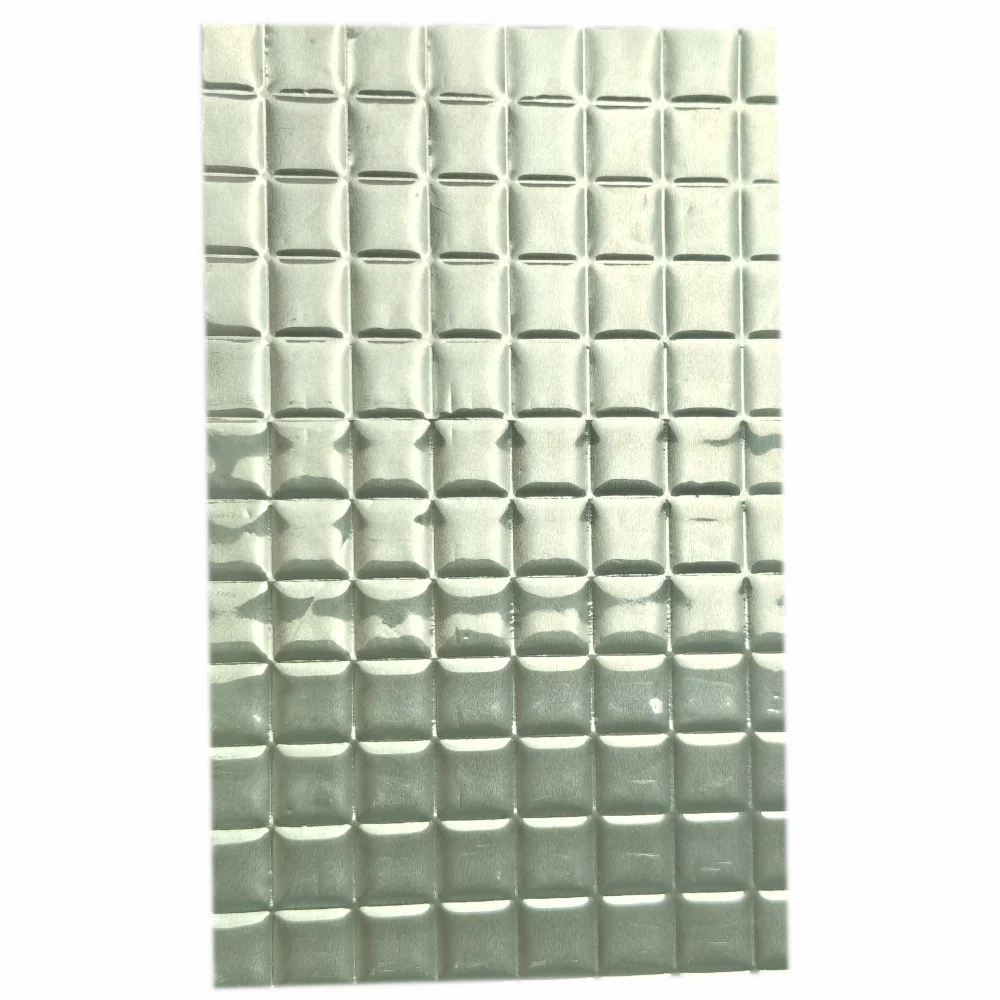
At its core, this isn't just any old tape. We're talking about a sophisticated composite material. The main player here is the butyl rubber, known for its incredible long-lasting adhesiveness and elasticity. It’s fantastic for filling joints, sealing, and, naturally, waterproofing. What really elevates it is the integration with a high-reflectivity aluminum foil surface layer. This isn't just for show; it's critical for blocking harmful UV rays, which, as we all know, are the enemy of most outdoor materials. This design significantly delays material aging, extending service life quite remarkably.
Perhaps the biggest practical advantage, for installers especially, is the cold self-adhesive construction process. No heating, no open flames, just peel and stick. Trust me, after years of watching guys struggle with torches on a windy roof, this is a breath of fresh air. It’s safer, faster, and frankly, makes a lot of people's lives easier on site.
Key Technical Specifications
Let's get into the nitty-gritty. When you're picking a material like this, the specs really matter. Here’s a typical breakdown of what you’d expect from a high-quality IIR Waterproofing Membrane:
Parameter | Value / Description |
Substrate Structure | Aluminum foil + butyl rubber composite layer |
Aluminum Foil Reflectivity | ≥90% (crucial for UV protection) |
Initial Adhesion Strength | ≥20N/25mm (for various substrates; real-world use may vary slightly) |
Water Impermeability | No leakage at 0.3MPa for 30min |
Elongation | ≥300% (indicates excellent flexibility) |
Operating Temp. Range | -30℃~+80℃ |
Anti-aging Performance | Performance retention rate ≥80% after 168 hours UV irradiation (impressive, I'd say) |
Application Scenarios & Why This Matters to You
Honestly, the versatility of these IIR Waterproofing Membrane rolls is what really sells them. They bond firmly to just about anything: color steel, concrete, wood, glass – you name it. This broad compatibility is a huge plus, simplifying material selection on complex projects.
· Building Roof Waterproofing: From industrial color steel tiles to residential concrete roofs, these rolls are perfect for anti-seepage sealing, especially around tricky joints.
· Underground Structure Protection: Think basement exterior walls and foundations. Blocking groundwater infiltration here is non-negotiable, and this material excels at it.
· Wet Area Waterproofing: Bathrooms, kitchens – anywhere with high humidity needs reliable waterproof layers.
· Transportation Infrastructure: Bridges, tunnels, underground passages – these critical structures demand long-term, robust protection.
· Temporary Repair & Reinforcement: Got a sudden leak? These rolls are fantastic for emergency sealing.
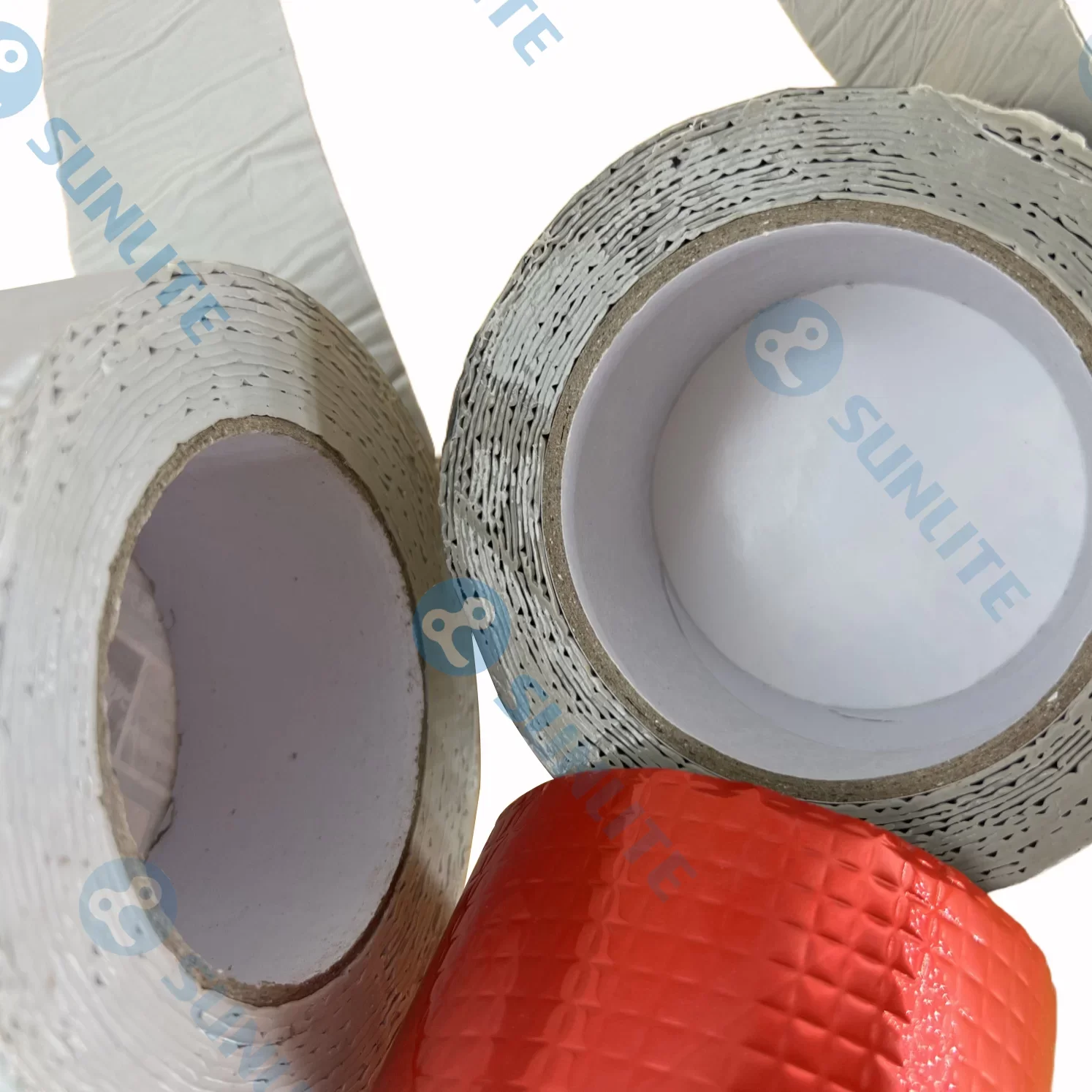
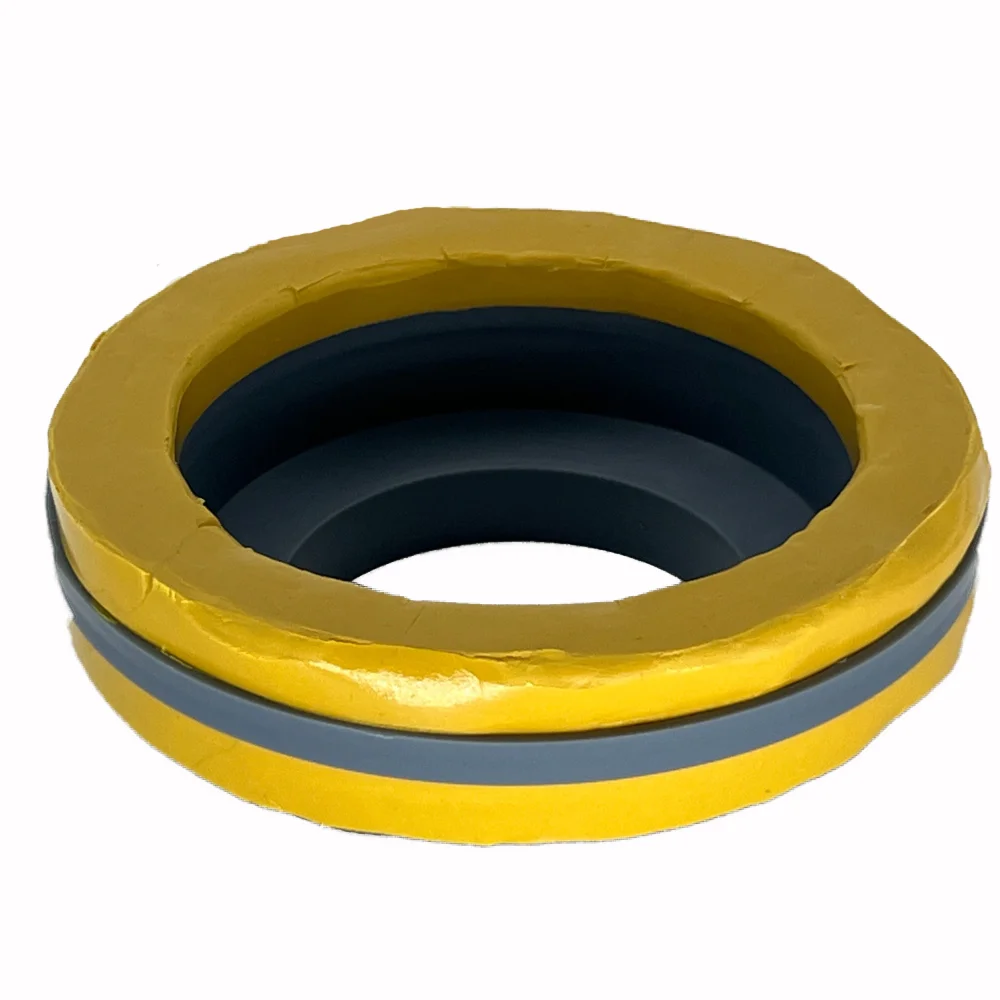
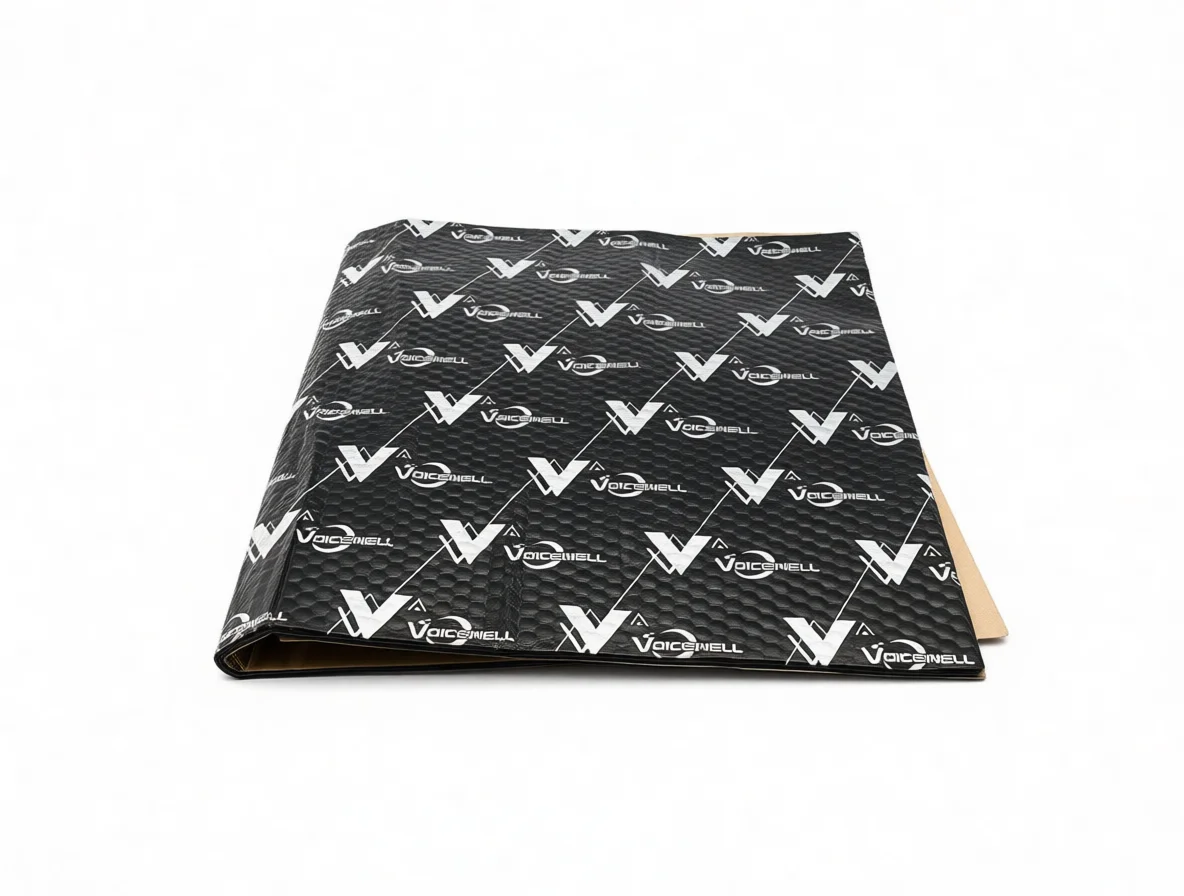
A robust IIR Waterproofing Membrane ready for application.
A Quick Look at Vendor Considerations (Because Customization Matters)
While many manufacturers offer butyl-based waterproofing, the real difference often lies in the quality of the butyl compound, the aluminum foil's reflectivity, and crucially, the customization options. Good vendors understand that not every project is the same. They should offer variations in width, thickness, and even specific adhesive properties for unique substrates.
Feature | Standard Offerings | Premium / Custom Options |
Butyl Rubber Quality | Good adhesion, elasticity | Enhanced formulation for extreme temps, higher tack |
Aluminum Foil | ≥90% reflectivity, standard thickness | Higher gauge foil for puncture resistance, specialized coatings |
Roll Dimensions | Common widths (e.g., 5cm, 10cm, 15cm) | Specific custom widths and lengths available for large projects |
Certifications | Basic material safety & performance | Industry-specific standards (e.g., ASTM, ISO, CE) |
Many customers I’ve spoken with really value the long-term stability these membranes offer. They're acid and alkali resistant, moisture and heat resistant, and you generally won't see cracking, peeling, or bulging, which is a common headache with lesser materials. It’s a testament to the rigorous testing and material science behind them.
The Bottom Line: A Smarter Way to Waterproof
In an industry constantly striving for better performance and efficiency, the IIR Waterproofing Membrane stands out. It's not just a product; it’s a solution that addresses many of the long-standing challenges in waterproofing – from application safety to enduring material performance. If you're looking for a dependable, high-tech approach to keep water out, whether for a small repair or a major construction, I'd say this is definitely one to put at the top of your list. It's smart, robust, and frankly, a lot less headache-inducing.
Authoritative Citations:
1. ASTM International. (2020). ASTM D412 - Standard Test Methods for Vulcanized Rubber and Thermoplastic Elastomers—Tension.
2. ISO (International Organization for Standardization). (2018). ISO 1183 - Plastics — Methods for determining the density of non-cellular plastics.
3. The Roofing Industry Committee on Weather Issues (RICOWI). (2021). Best Practices for Membrane Waterproofing Installation.
4. Butyl Rubber Manufacturers Association. (2019). Characteristics and Applications of Butyl Rubber in Construction.
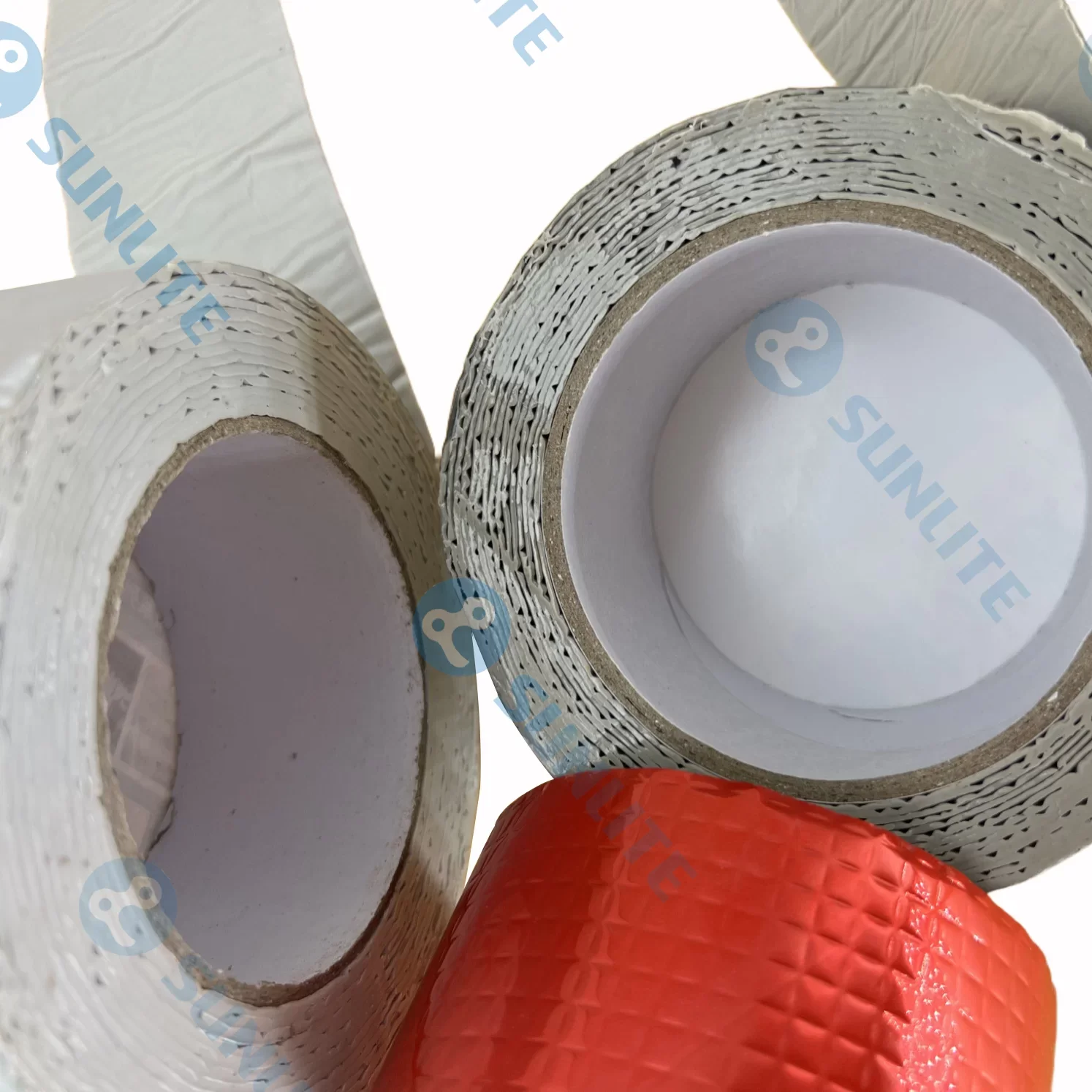
You know, when I first started in this industry, waterproofing felt like a dark art.