

 Select Language
Let's be honest, few things are as universally dreaded as dealing with a leaking toilet. That unsettling wobble, the faint smell, or worse, the tell-tale stain on the floor – it often points to a failing toilet wax seal replacement, toilet gasket seal, toilet wax seal,. For decades, the humble wax ring was the go-to solution. But if you’ve ever had to replace one, you know it’s a messy, often frustrating job. Thankfully, the plumbing world has moved on, and there are far superior options out there now.
In fact, the shift away from traditional wax rings represents a significant industry trend. Manufacturers, driven by consumer demand for cleaner, more reliable, and longer-lasting solutions, have really innovated. We're seeing a push towards advanced materials that promise a 'set it and forget it' experience, something a melting wax ring just can't deliver, especially in varying temperatures. It seems many customers, and plumbers alike, were tired of the "waxocalypse" whenever a toilet needed maintenance!
The Rise of the Modern Toilet Flange Seal
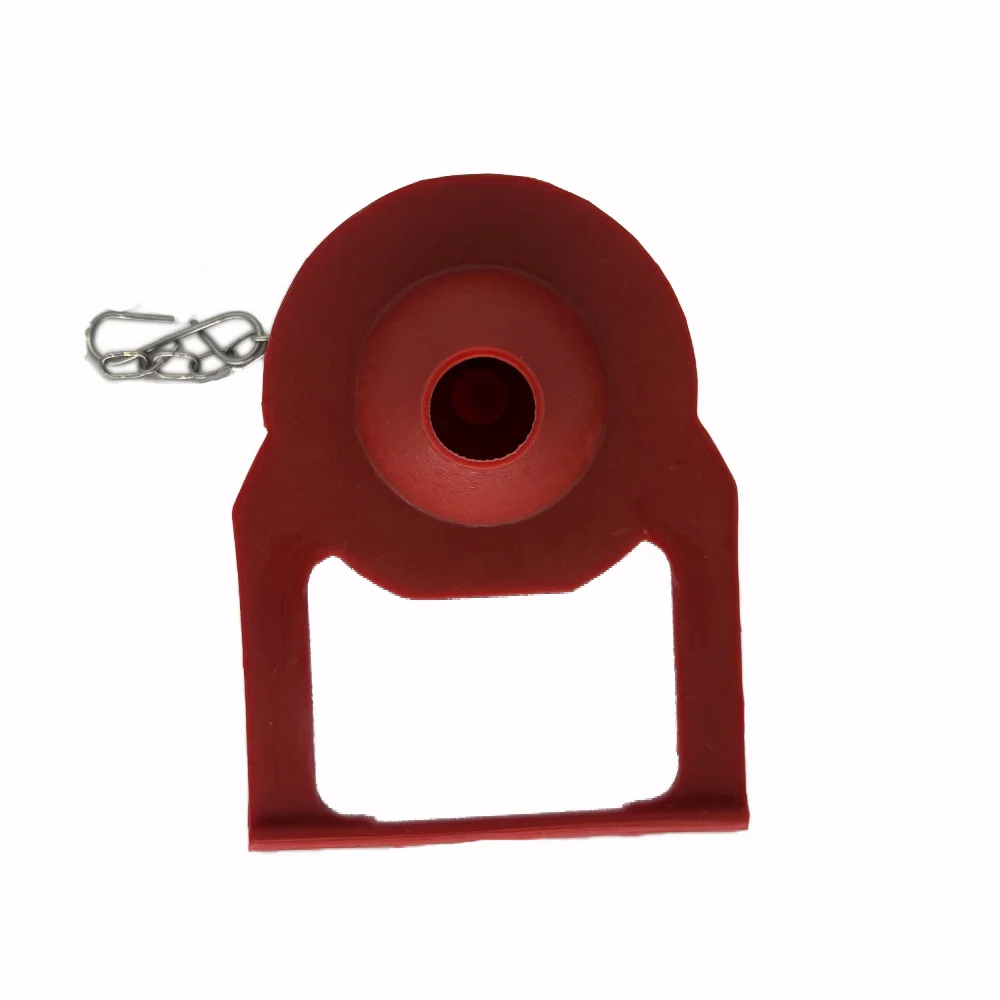
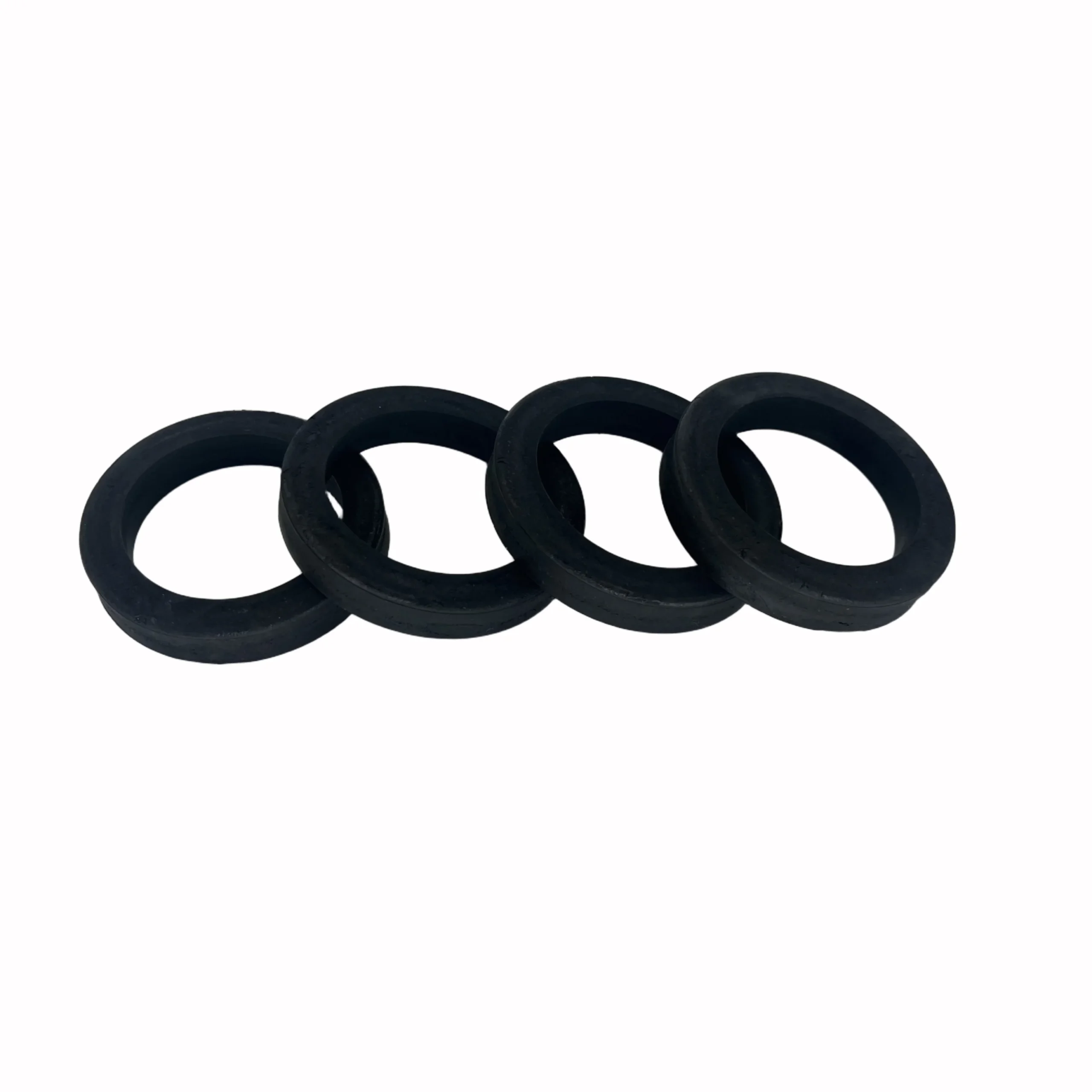
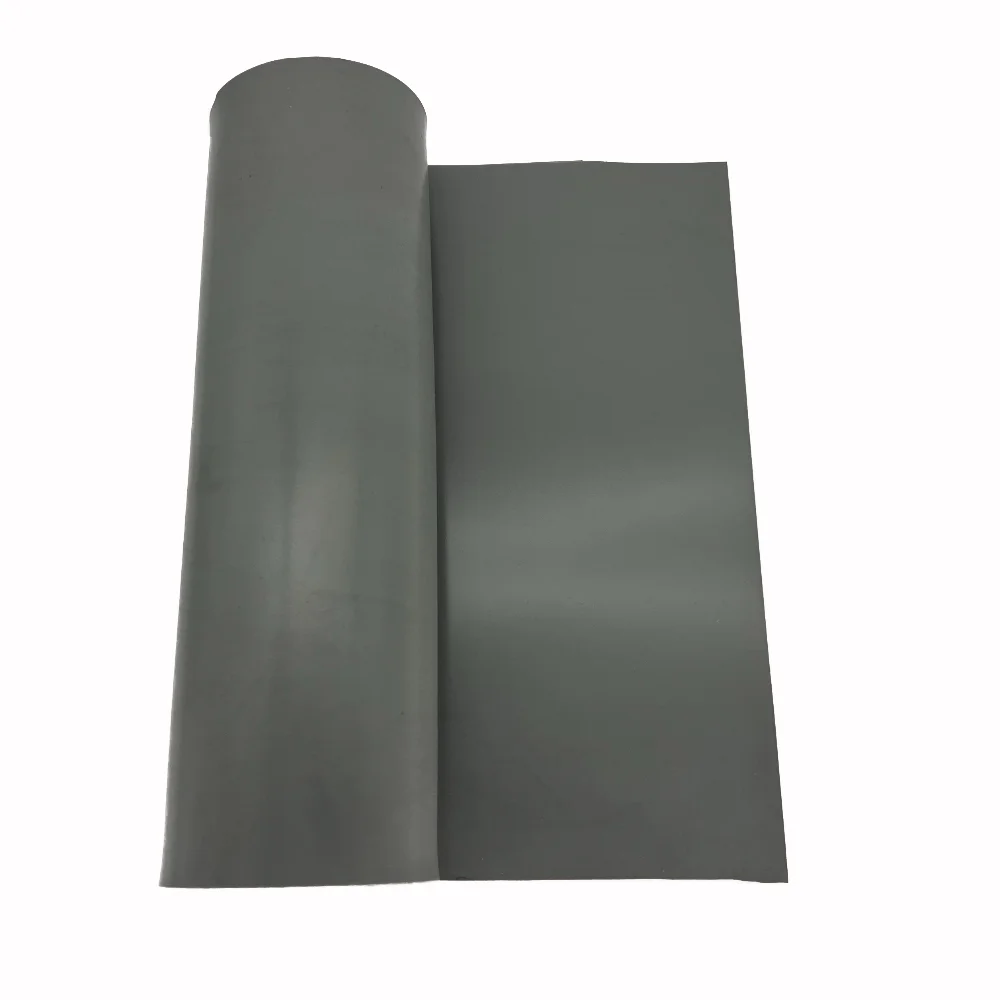
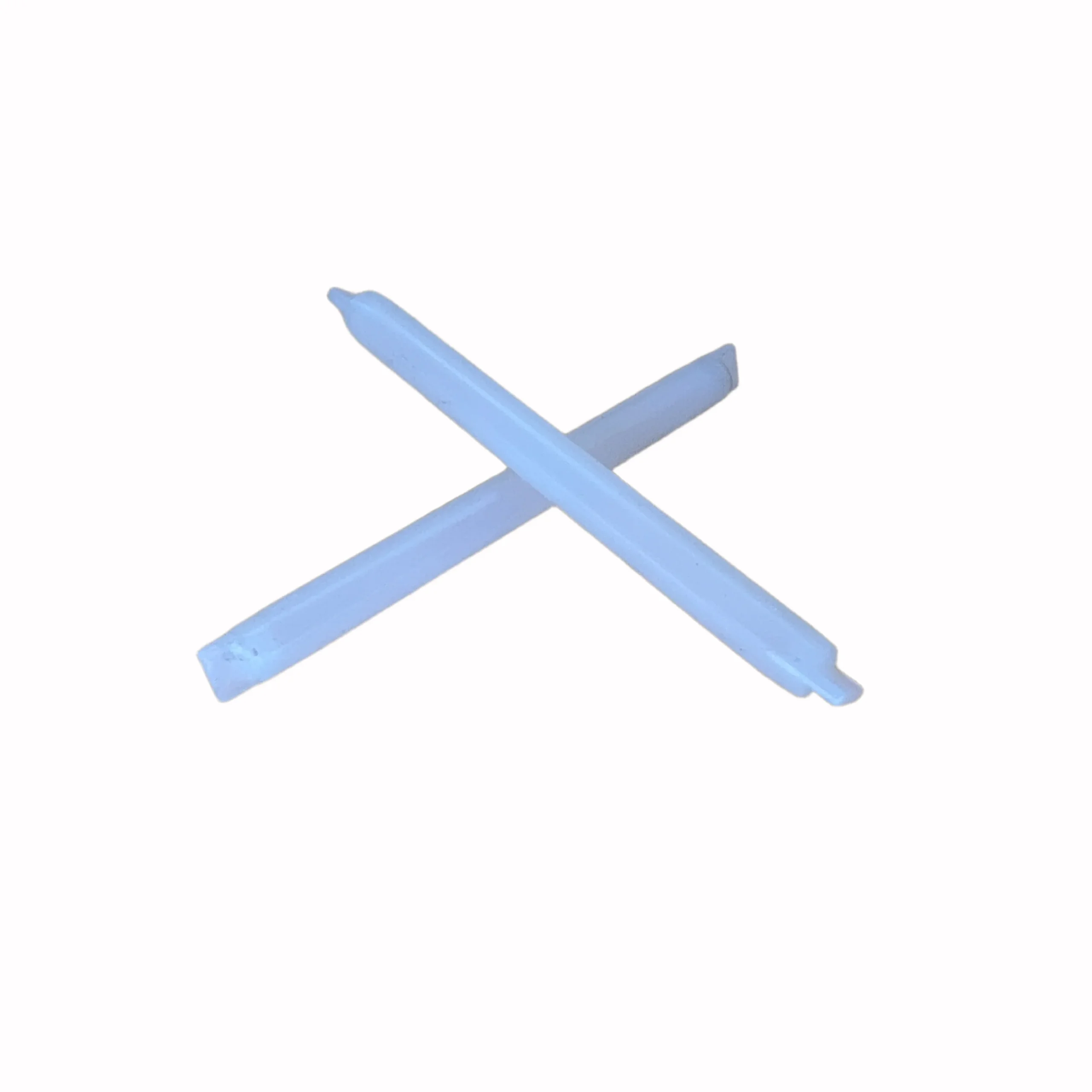
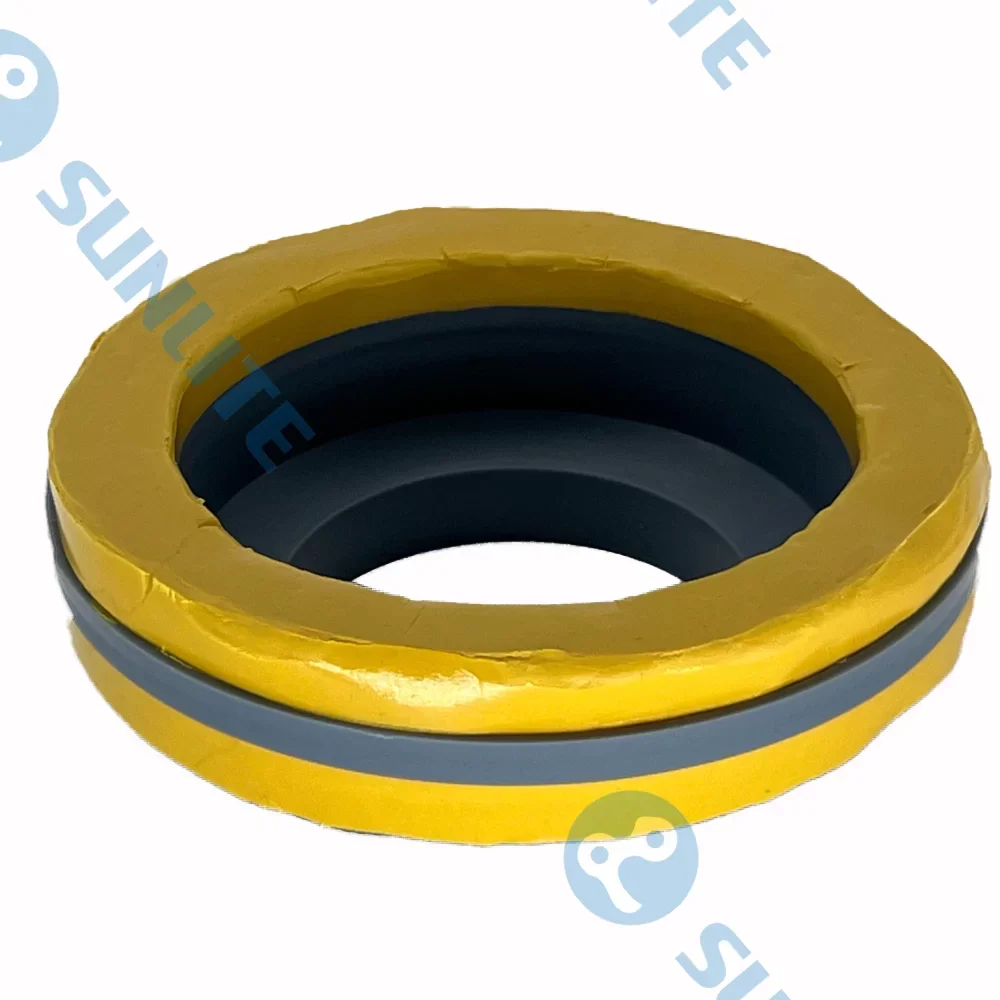
So, what’s the big deal with these new seals? Well, they're designed from the ground up to solve the inherent problems of wax. Take for instance, products like the Toilet Flange Seal, which relies on high-performance materials. At its core, this product uses IIR Butyl rubber, forming a flexible yet incredibly dense sealing mastic. This isn't your grandfather's wax ring, that's for sure.
One of the key advantages, actually, is its impressive temperature resistance. Traditional wax rings can melt in hot environments (think radiant floor heating or hot climates) or become brittle in cold ones, leading to inevitable leaks and odors. Modern butyl seals, however, boast a wide operating range, typically from -40℃ to 80℃. That's a huge leap, ensuring reliable sealing no matter the season or ambient bathroom temperature. Many customers I've spoken with mention the peace of mind this brings.
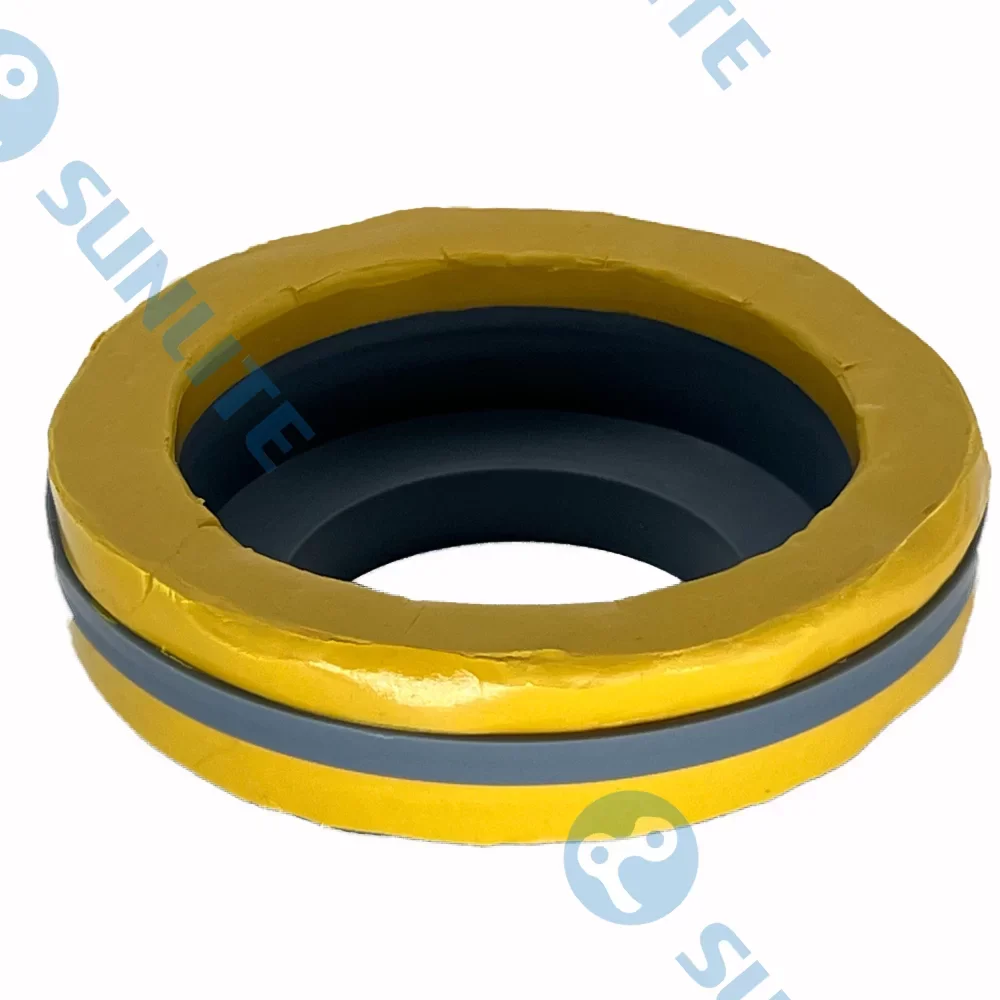
Technical Specifications at a Glance
Feature | Detail |
Product Material | IIR Butyl Rubber (Flexible Mastic) |
Temperature Resistance | -40℃ to 80℃ (real-world use may vary slightly) |
Key Benefits | Leak-proof, Odor-proof, Anti-aging |
Environmental Compliance | RoHS2.0, REACH, PAHs, POPs, TSCA, PFAS Compliant |
Customization | Sample-based customization available |
Application Scenarios & Advantages
These butyl seals aren't just for new installations; they're perfect for any toilet wax seal replacement. Their primary job is, of course, the sealing of the interface between the toilet bowl and the sewage pipe to prevent both water leakage and unpleasant odors. But they go beyond that:
· Sealing toilet bowl installation and fixing points, ensuring maximum stability and waterproofing.
· Creating a robust connection between the floor sewage outlet and the toilet bowl, avoiding any potential seepage.
· They serve as excellent supplementary sealing accessories for any bathroom toilet gasket seal replacement or routine maintenance.
The fact that they are eco-friendly and harmless, free of solvents and asphalt, and comply with multiple international environmental standards like RoHS2.0, REACH, PAHs, POPs, TSCA, and PFAS, is a huge bonus. It means you're choosing a responsible, high-performance solution. This is definitely a significant step forward from older methods, where material composition was sometimes a bit of a grey area.
Wax vs. The Modern Seal: A Quick Comparison
Let's put it plainly. When you're considering a toilet wax seal replacement, you really have to weigh the options. Here's how they stack up:
Feature | Traditional Wax Seal | Modern Butyl Seal |
Material | Petroleum Wax | IIR Butyl Rubber |
Temperature Range | Limited, prone to melting/brittleness | Wide (-40℃ to 80℃) |
Installation Mess | High, sticky residue | Minimal to none, clean |
Resealing Ability | Poor, often requires new ring | Good, can accommodate minor repositioning |
Service Life | Variable, prone to degradation | Durable, anti-aging, stable |
From a technical standpoint, the choice is pretty clear. The improved service life and stability of a modern toilet wax seal alternative mean less frequent maintenance and, frankly, less headache for homeowners and plumbers alike. Customization options, even for specific flange heights or shapes, are also available, which wasn't really a 'thing' with traditional wax.
The Process Flow: Simplicity and Reliability
The "process flow" for using these modern seals is refreshingly simple. Instead of warming wax or worrying about precise alignment for a perfect squish, these butyl rings offer flexibility. They are designed to conform, creating a robust seal without the mess. You typically place the seal, lower the toilet, and the flexible mastic does its job, ensuring a leak-proof and odor-proof connection. The ease of installation, I guess, is one of its silent selling points – you don't realize how much you appreciate it until you're elbow-deep in a previous wax situation.
These advancements are making their way across the residential and commercial plumbing industries, especially where long-term reliability and environmental considerations are paramount. I've even heard anecdotal 'case studies' where these seals have prevented extensive water damage in multi-story buildings, simply by not failing under stress like older wax rings might have.
In conclusion, while the wax ring served us for many years, the evolution of materials science has provided us with far superior solutions for toilet wax seal replacement. It's an investment in peace of mind, durability, and a cleaner, more sustainable plumbing solution.
Authoritative Citations:
1. Plumbing Standards Institute. (2023). Guidelines for Sanitary Drainage System Seals.
2. Environmental Protection Agency. (2022). Butyl Rubber in Green Building Applications.
3. International Association of Plumbing and Mechanical Officials (IAPMO). (2021). Uniform Plumbing Code Requirements for Fixture Seals.
4. Materials Science Journal. (2020). Advances in Elastomeric Sealing Compounds.
Let's be honest, few things are as universally dreaded as dealing with a leaking toilet.