

 Select Language
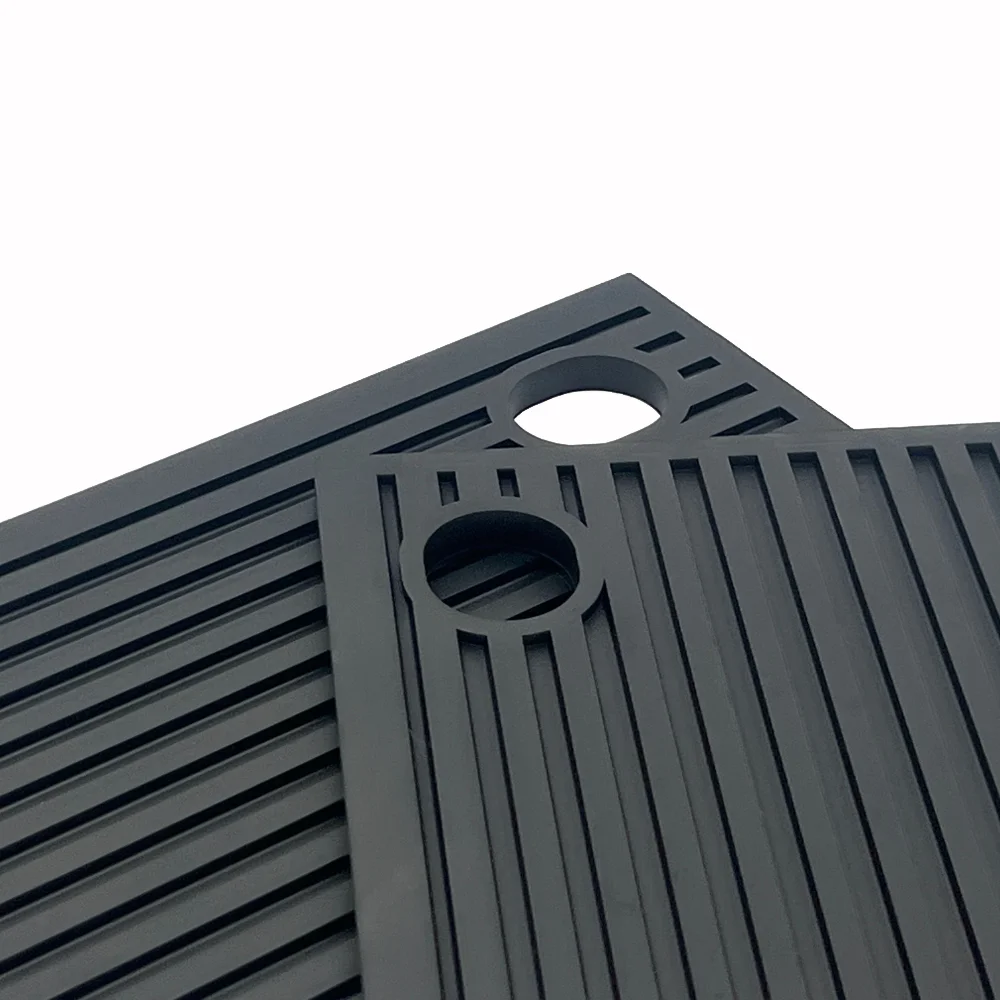
Since 1769, when the first steam-powered automobile was built in France, the automotive industry has evolved for more than two centuries. As society progresses and technology advances, the demand for automotive performance—including speed, safety, comfort, energy efficiency, and environmental protection—continues to rise. The realization of these goals depends heavily on the extensive use of rubber components in vehicles. Although not visually prominent, these rubber parts play critical roles in sealing, vibration damping, power transmission, noise reduction, and driving stability.
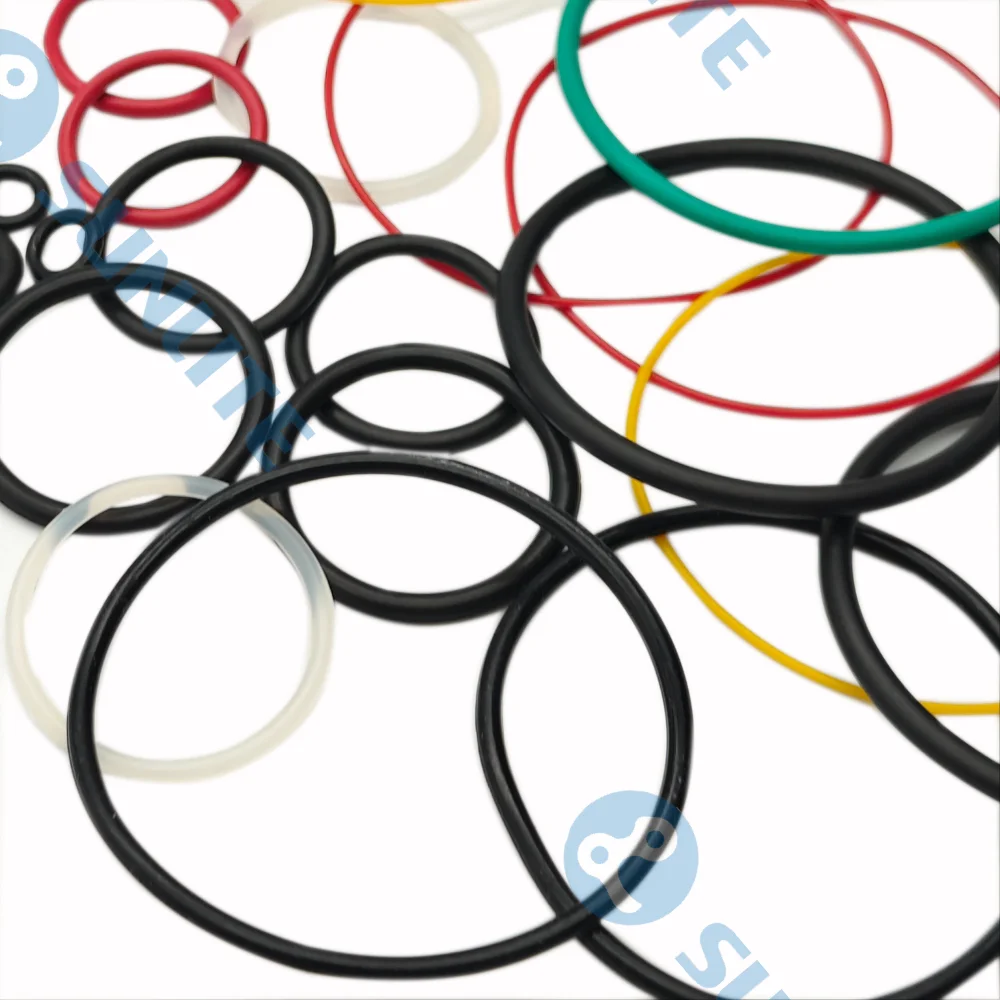
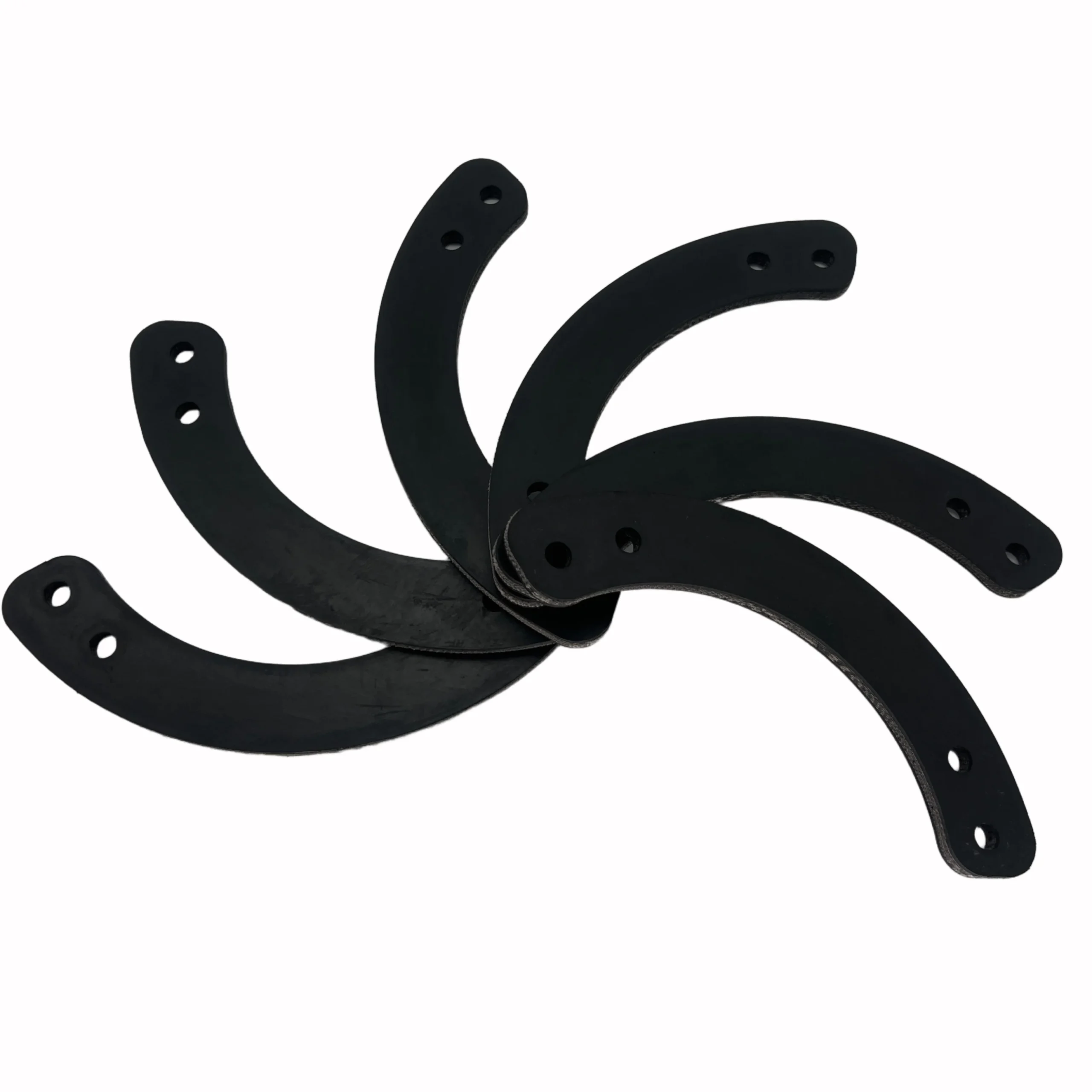
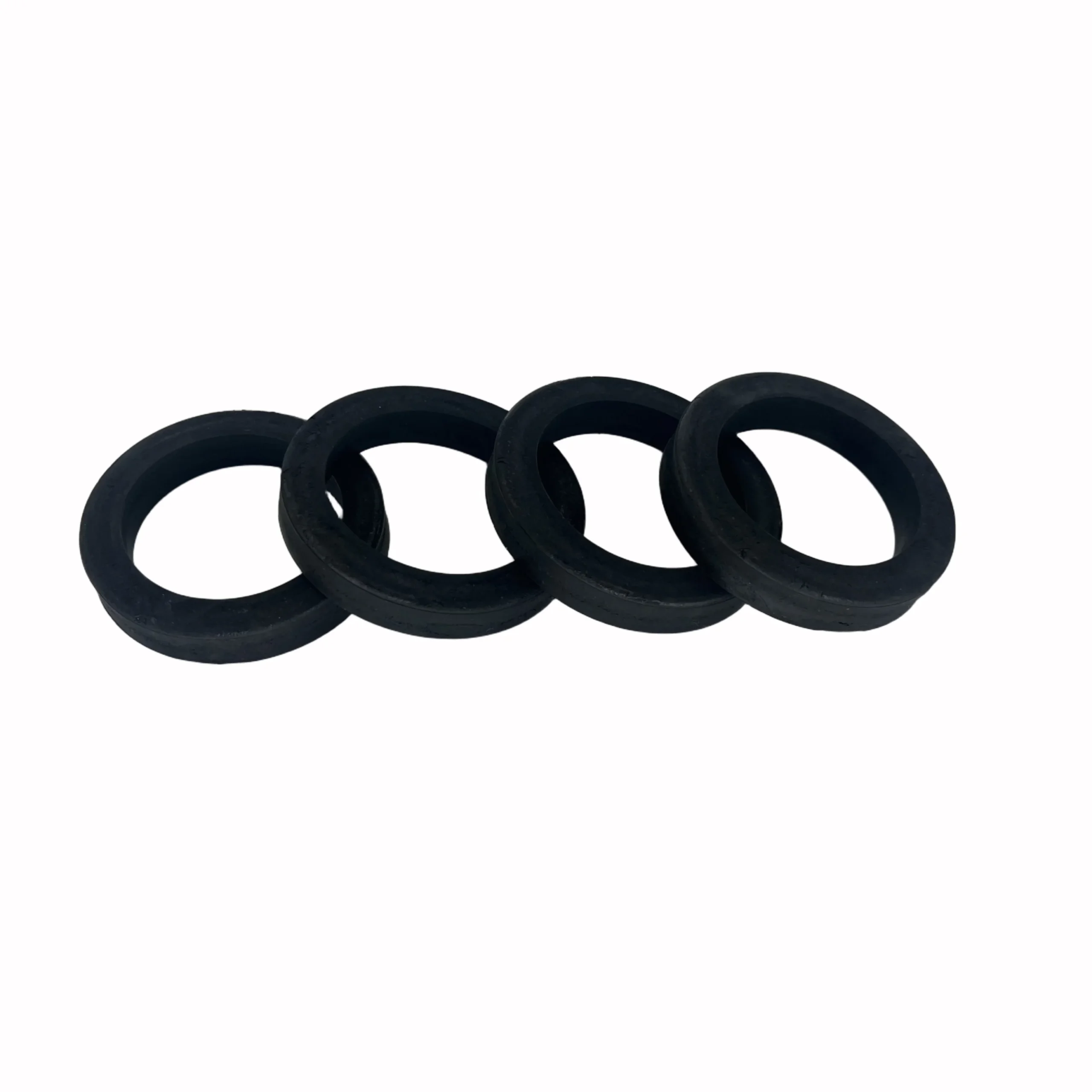
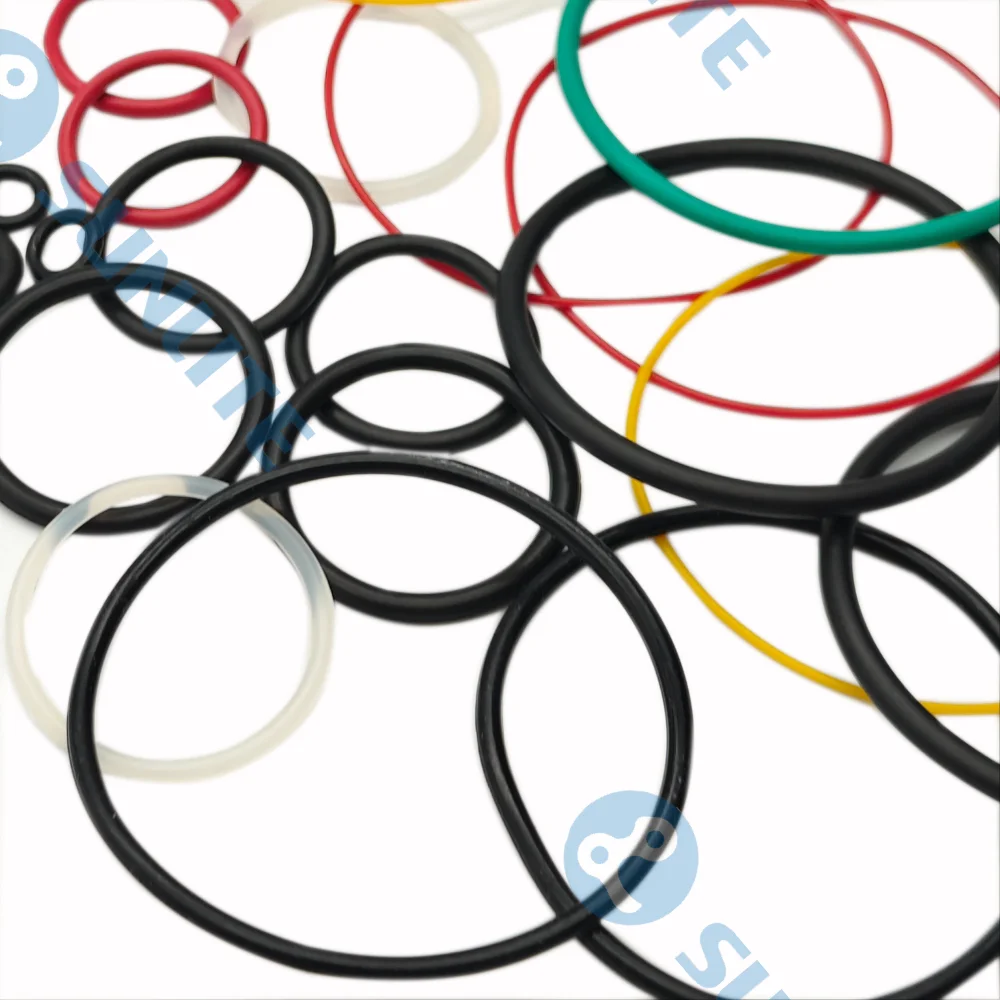
A standard automobile contains 300–400 different rubber components, such as sealing strips, oil seals, O-rings, anti vibration plates, and machinery vibration control plates. Despite their small size, these components directly impact the vehicle’s operational reliability and safety. Sealing components, in particular, are regarded as the core of automotive design. Modern passenger cars contain more than 240 rubber sealing elements, seemingly insignificant but essential to system safety. For example, leakage caused by a faulty rubber O-ring or oil seal within a pipeline may lead to severe consequences.
With industrial upgrades, the innovation of rubber sealing components and vibration-damping parts (such as damping plates and vibration control plates) continues to drive improvements in overall vehicle performance. The importance of sealing technology is not limited to the automotive sector. In 2013, an EVA mission aboard the International Space Station was terminated due to water leakage in an astronaut’s helmet; China’s Shenzhou-10 mission also conducted specific inspections and replacement of rubber sealing components within its docking mechanism. These incidents show that sealing technology is not merely an industrial requirement—it is a crucial safeguard of human life.
As automotive manufacturing becomes increasingly sophisticated, the rubber sealing and vibration-damping component industry is also advancing toward higher precision. However, the industry faces dual pressures: rising raw material and labor costs, while automobile manufacturers continue to push strict quality management systems alongside price reductions. Many medium-sized suppliers operate with minimal profit margins and heavy quality burdens, which contributes to performance gaps between domestic and foreign automobiles.
Although often hidden inside the vehicle, rubber sealing and damping components are key indicators of automotive quality. Ultimately, the sealing and damping performance of a vehicle relies on the reliable quality of each O-ring, oil seal, sealing strip, damping plate, and vibration control plate. Small as they are, they carry the responsibility of ensuring driving safety and comfort.
Automotive Rubber Sealing Products – Classification
Automotive rubber sealing products are generally divided into six major categories:
Various types of sealing strips
Oil seals
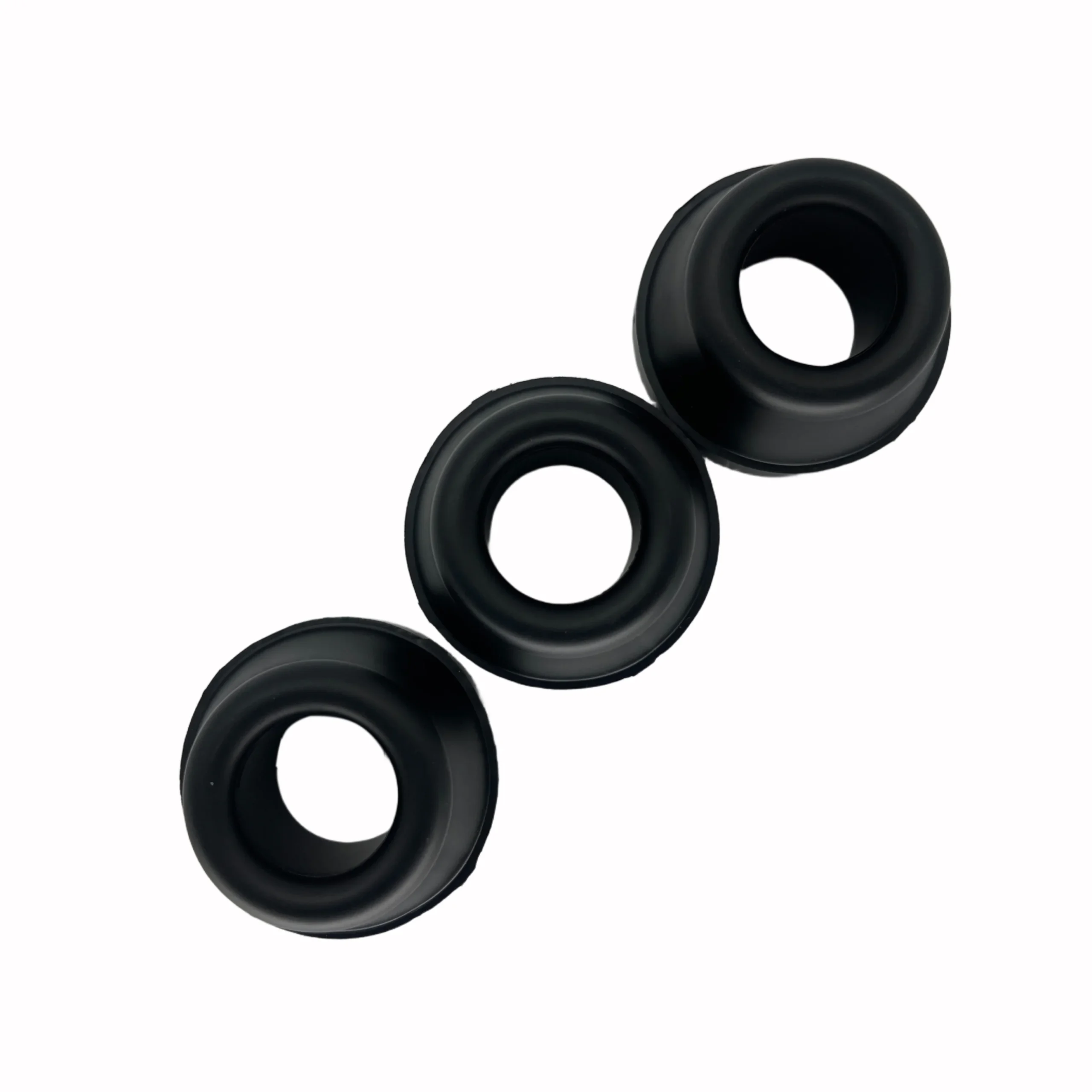
Brake cups
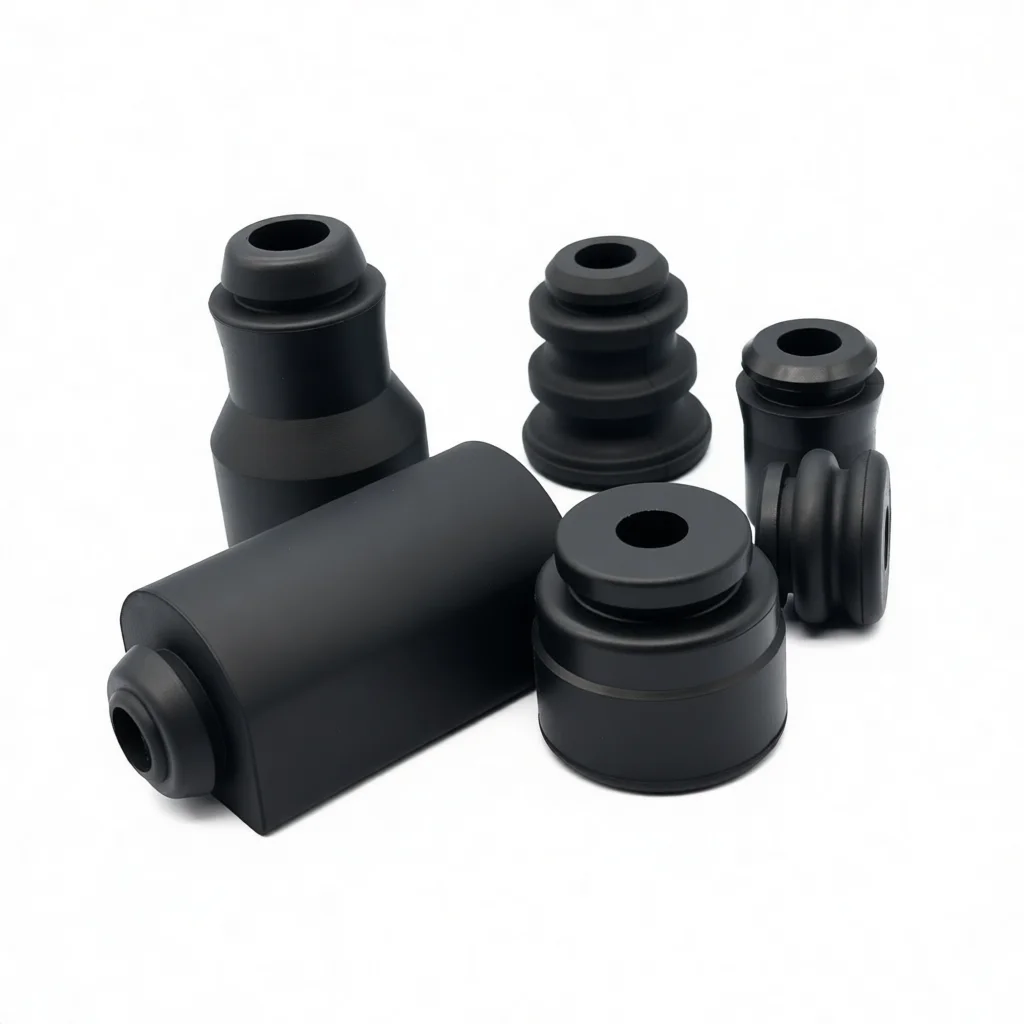
Dust boots
Brake diaphragms
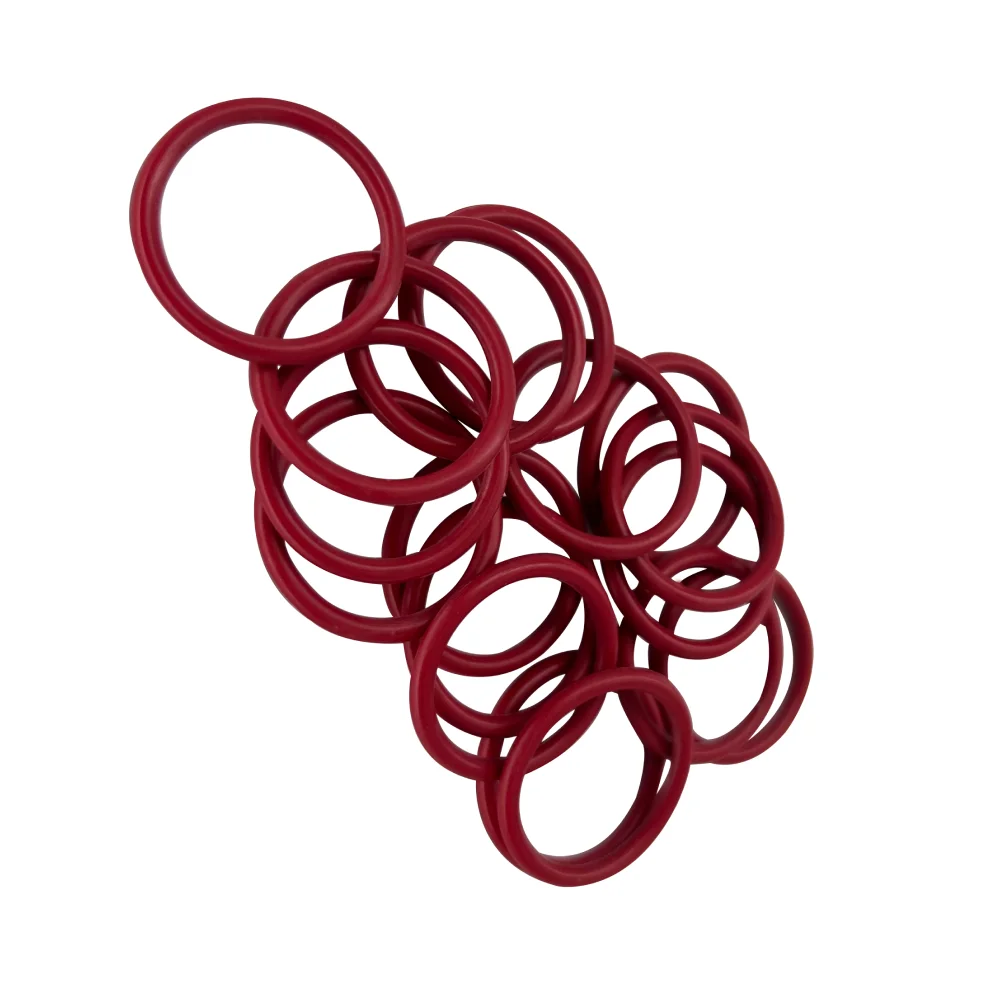
O-rings
I. Sealing Strips
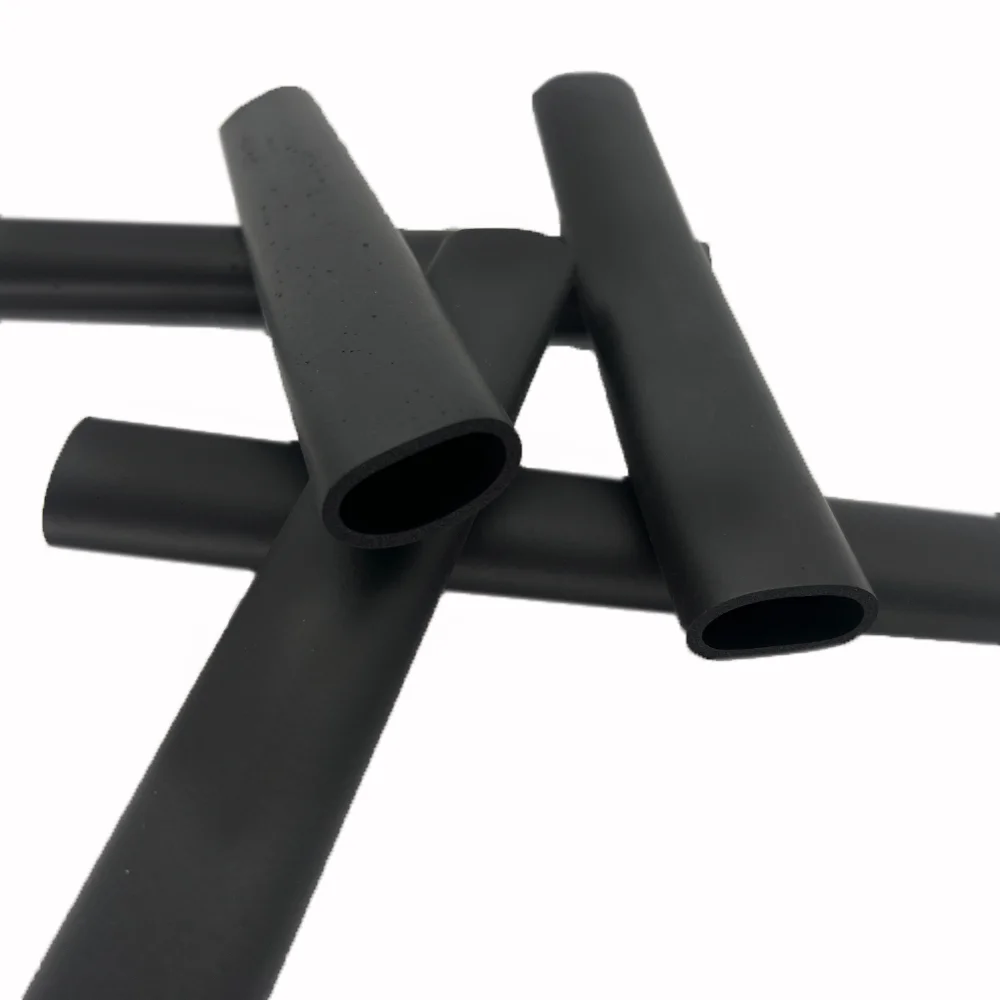
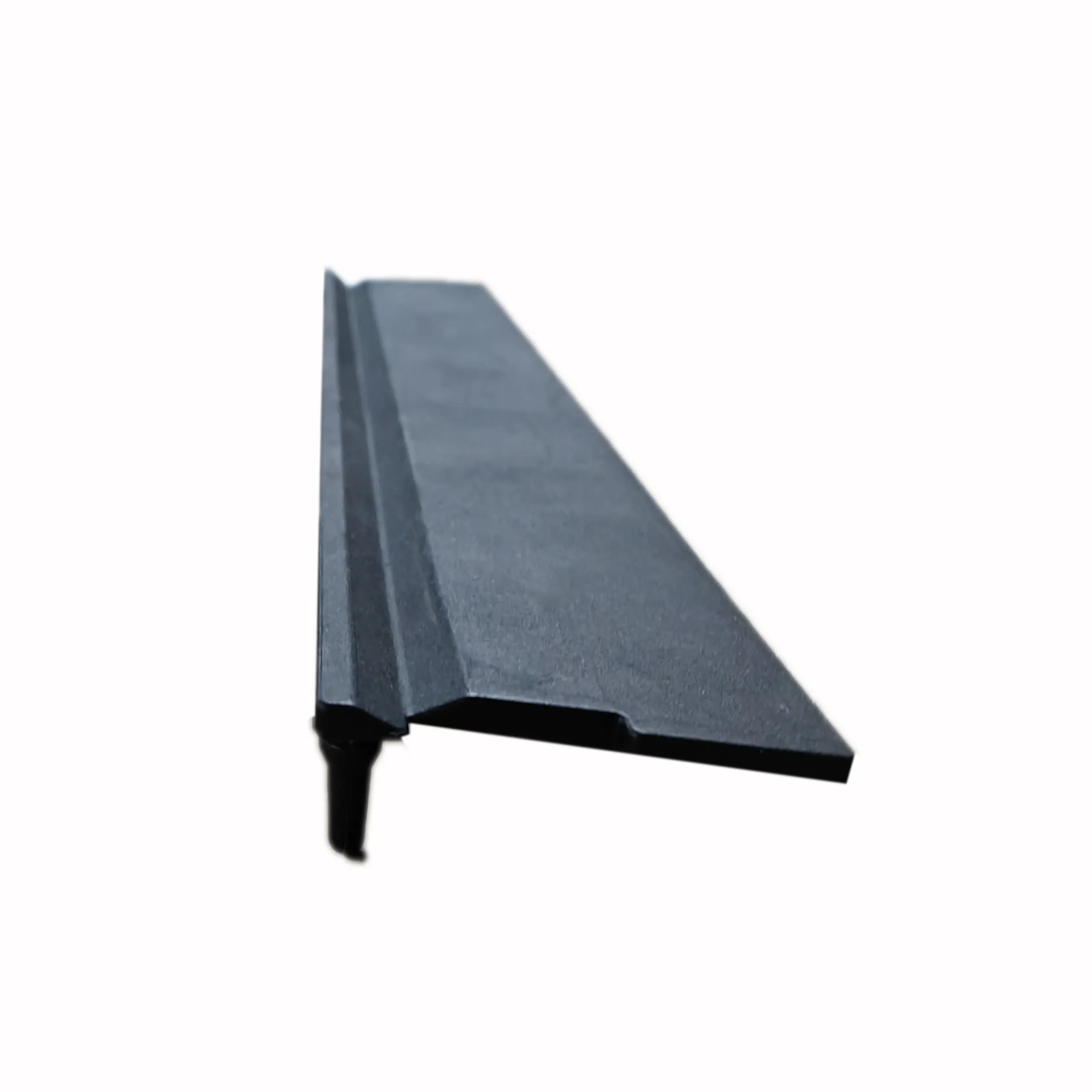
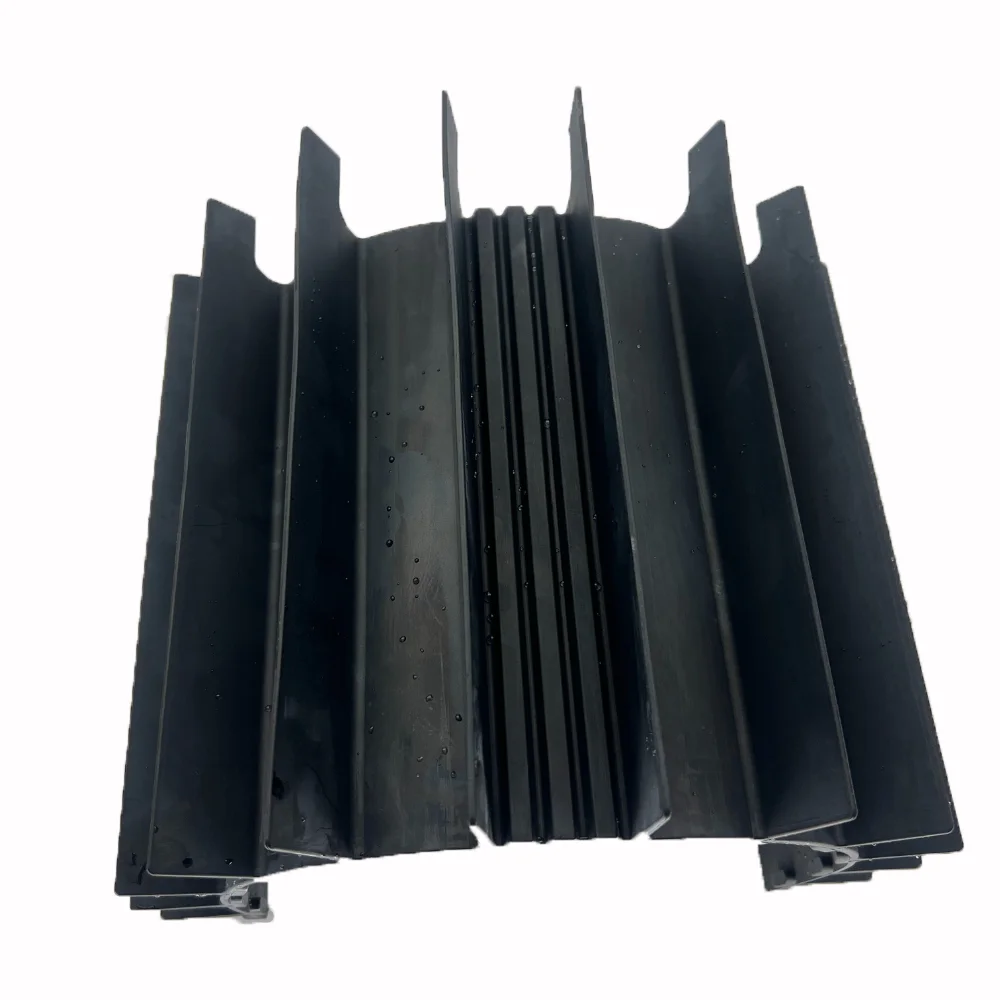
Sealing strips include window, door, roof, trim, embedded, flocked, and coated types. They are mainly made from polyolefin elastomers such as EPDM rubber, blended rubbers, and TPE thermoplastic elastomers. Their advantages include excellent wear resistance, weather resistance, low friction coefficient, and relatively simple processing. Some sealing strips contain reinforcement structures, available in various forms including steel strips, braided steel wire strips, and aluminum strips.
Automotive sealing strips are categorized by:
1. Types
Door sealing strips
Glass run sealing strips
Outer door sealing strips
Radiator sealing strips
Engine hood sealing strips
Trunk lid sealing strips
Water channel sealing strips
Interior trim sealing strips
2. Structures
a. Solid rubber sealing strips (including sponge foam types)
b. Composite rubber sealing strips (foam + dense rubber)
c. Rubber–metal composite sealing strips
d. Flocked or surface-treated sealing strips
e. Multi-layer composite sealing strips (rubber + foam + metal)
II. Oil Seals
Automotive oil seals are primarily used to seal rotating or reciprocating shafts. They can withstand high rotational speeds, offer excellent self-sealing, and provide long service life. They are precision rubber components, especially in engines and gearboxes.
Function
Thanks to their flexibility and supported metal framework, oil seals apply radial force through their sealing lip to prevent lubricant leakage while blocking contaminants from entering.
Materials
Selection depends on working temperature and fluid compatibility:
NBR (Nitrile Rubber)
Temperature range: –40°C to 120°C
Good oil resistance
Cost-effective and widely used for standard-grade oil seals
HNBR (Hydrogenated Nitrile Rubber)
Temperature range: –40°C to 175°C
Superior heat, acid, gasoline, and ozone resistance
Oil resistance comparable to FKM
Used for high-performance oil seals such as crankshaft and gear seals
Development Trends
Higher performance to support automotive needs in energy saving, environmental protection, comfort, and reliability
Longer service life (non-leakage up to 150,000 km)
Compliance with environmental standards and IATF 16949 requirements
III. Brake Cups
Brake systems use brake fluid, and different brake fluids require matching rubber brake cups. Historically made of NBR, brake cups today must be compatible with modern non-petroleum-based fluids.
More than 95% of modern vehicles use PEG-based brake fluid (glycol ethers). PEG fluids are water-soluble, low-compressibility, and compatible with rubber. EPDM rubber is ideal for brake cups because:
It has excellent resistance to polar PEG brake fluids
It performs well under high temperatures (up to 150°C) caused by friction during frequent braking
It offers superior water resistance, dynamic properties, and weather resistance
Thus, EPDM is the dominant material for brake cups.
IV. Dust Boots
These include CV joint dust boots and rack-end dust boots. Various materials are used, commonly thermoplastic EPDM, TPV, and CR (chloroprene rubber). Though simple, dust boots require heat resistance, cold resistance, oil resistance, fatigue resistance, ozone resistance, and good tensile performance.
CR rubber is widely used due to its balanced oil resistance and low-temperature performance. Both EPDM-based and TPV-based dust boots are available on the market.
V. Automotive Diaphragms
These diaphragms function within brake chambers, transmitting pressure in automotive braking systems. As a reciprocating component subjected to high-pressure air, it requires excellent flexibility and responsiveness.
The primary material is natural rubber, ensuring durability and safety under repeated deformation.
Since 1769, when the first steam-powered automobile was built in France, the automotive industry has evolved for more than two centuries.