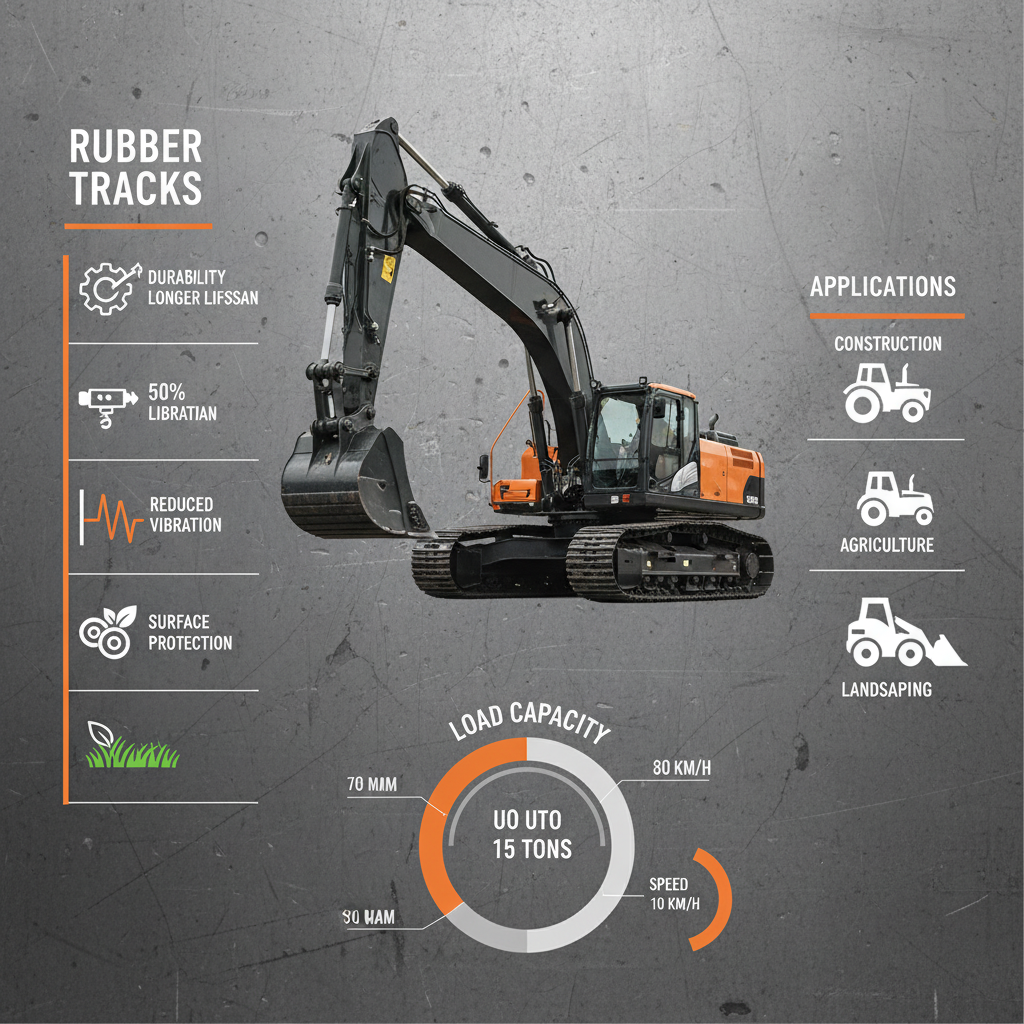
Rubber tracks are essential components in a wide array of machinery, from heavy construction equipment to agricultural vehicles. Their ability to provide superior traction, reduced ground disturbance, and increased operator comfort makes them indispensable in diverse operating environments. Understanding the intricacies of rubber tracks – their composition, performance characteristics, and maintenance requirements – is crucial for optimizing machinery efficiency, extending equipment lifespan, and minimizing operational costs.
The global market for rubber tracks is experiencing significant growth, driven by increasing infrastructure development, expanding agricultural practices, and a rising demand for off-road vehicles. According to a report by Market Research Future, the global rubber tracks market is projected to reach USD 3.8 billion by 2030, exhibiting a CAGR of 4.5% during the forecast period. This growth is particularly pronounced in emerging economies like China and India, where rapid urbanization and agricultural expansion are fueling demand.
Choosing the correct rubber track for a specific application can significantly impact productivity and profitability. Factors such as track design, rubber compound, and reinforcement materials all play a vital role in determining performance and durability. This document aims to provide a comprehensive overview of rubber tracks, covering their definition, key components, global applications, advantages, future trends, and challenges.
Introduction to Rubber Tracks
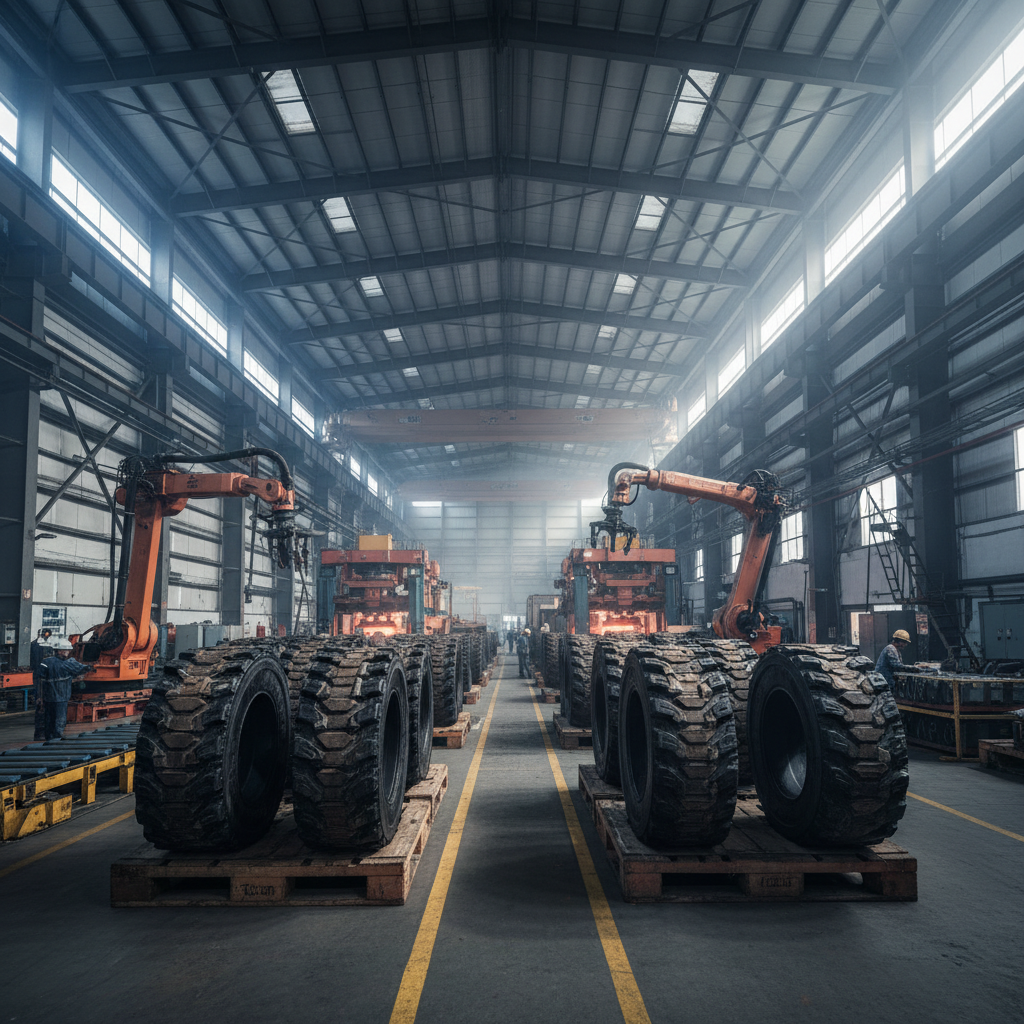
Rubber tracks have revolutionized mobility in challenging terrains. Unlike traditional wheeled vehicles, rubber tracks distribute weight over a larger surface area, reducing ground pressure and allowing for operation on soft or uneven surfaces. This makes them ideal for applications such as construction, forestry, agriculture, and military operations. The versatility and efficiency of Rubber tracks have solidified their position as a critical component in modern machinery.
The design and engineering of rubber tracks are continuously evolving to meet the demands of increasingly complex applications. Advancements in rubber compounds, track reinforcement, and track tensioning systems are leading to increased durability, improved traction, and reduced maintenance requirements. As the demand for off-road mobility continues to grow, the importance of innovative rubber track solutions will only increase.
Defining Rubber Tracks
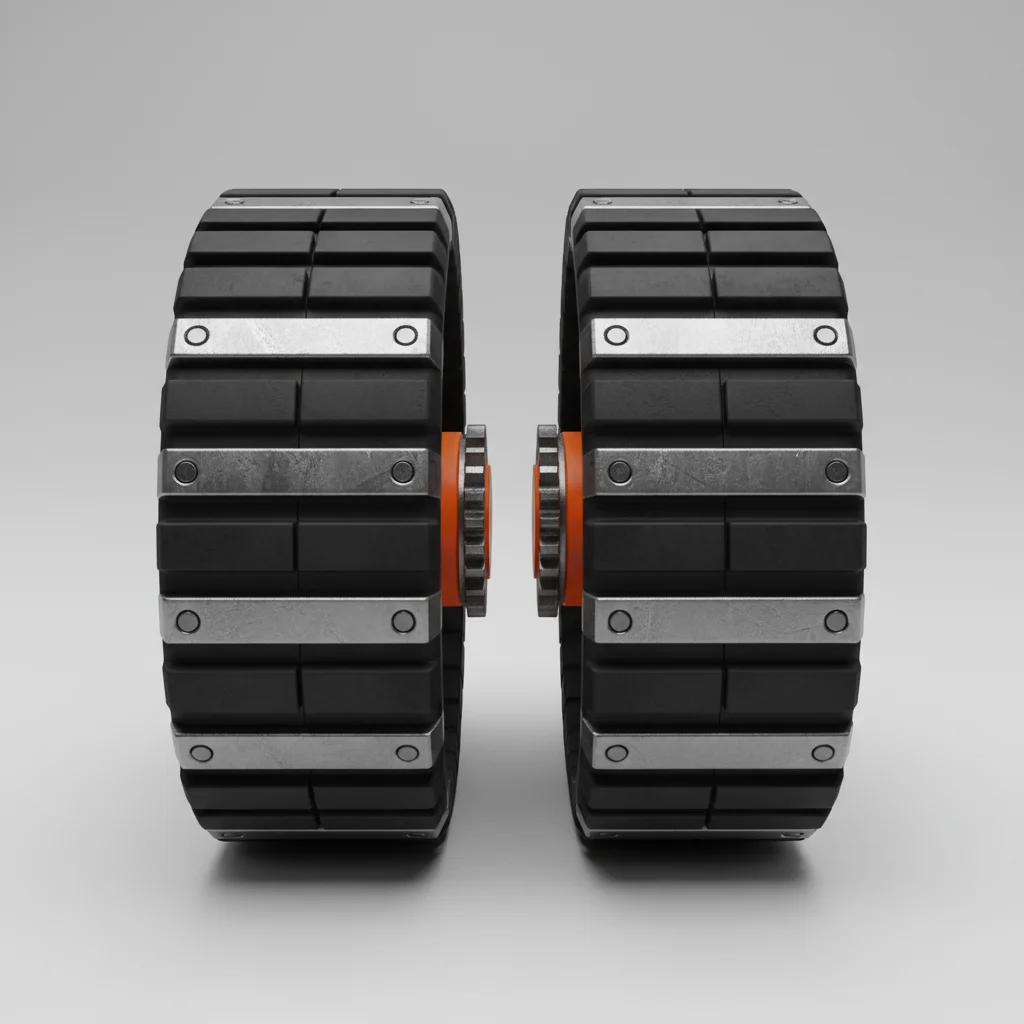
Rubber tracks, also known as rubber belts or crawler tracks, are continuous tracks made of rubber reinforced with steel or composite materials. They are used on a variety of vehicles and machinery to provide traction and mobility, particularly in off-road or challenging terrain. Unlike tires, which rely on air pressure and a limited contact patch, rubber tracks offer a larger contact area, distributing weight more evenly and reducing ground pressure.
The core principle behind rubber track technology is to create a self-contained, flexible track system that can conform to uneven surfaces while providing a strong and stable platform for the vehicle or machinery. This system typically consists of the rubber track itself, rollers, idlers, and a sprocket that drives the track's movement.
The utilization of Rubber tracks is integral to modern industrial operations and humanitarian efforts alike. From heavy machinery used in construction to vehicles employed in disaster relief, these tracks provide the necessary mobility and stability to operate effectively in a variety of challenging conditions.
Key Components of Rubber Tracks
A rubber track is more than just a simple rubber belt; it’s a complex assembly of several key components working together to provide reliable performance. These include the carcass, which forms the structural core of the track; the rubber compound, which determines the track's resistance to wear, abrasion, and environmental factors; and the reinforcement materials, typically steel cables or belts, embedded within the rubber to enhance strength and durability.
The track’s lugs, or cleats, are another crucial component, providing the gripping surface for traction. The design, height, and spacing of the lugs are tailored to specific applications and terrain conditions. Furthermore, the track connectors, which link the ends of the track to form a continuous loop, must be robust and reliable to withstand the stresses of operation. The quality of each of these components directly impacts the overall performance and lifespan of the rubber track.
Understanding the interplay between these components is essential for selecting the right track for a specific application. For instance, a track designed for rocky terrain will require a more durable rubber compound and reinforced carcass compared to a track intended for use on smooth surfaces. Rubber tracks must also be correctly maintained, with regular inspections for wear and damage, to ensure optimal performance and longevity.
Performance Characteristics
The performance of rubber tracks is evaluated based on several key characteristics. Traction, the ability to grip the ground and transmit power, is paramount, and is heavily influenced by the lug design and rubber compound. Durability, or the track's resistance to wear and tear, is critical for minimizing downtime and reducing operating costs.
Ride comfort is another important factor, particularly for operator-controlled machinery. Rubber tracks absorb shocks and vibrations more effectively than rigid wheels, providing a smoother and more comfortable ride. Finally, the track's resistance to environmental factors, such as extreme temperatures, UV radiation, and chemical exposure, is essential for ensuring reliable performance in diverse operating conditions.
Rubber Track Performance Metrics
Global Applications
Rubber tracks are indispensable in a diverse range of industries worldwide. In construction, they provide the necessary traction and stability for excavators, bulldozers, and loaders operating on challenging job sites. In agriculture, they are used on combines, tractors, and sprayers to minimize soil compaction and maximize crop yields.
The forestry industry relies heavily on rubber tracks for skidders and harvesters, enabling efficient logging operations in rugged terrain. Military applications include armored vehicles and support equipment requiring superior mobility and off-road capability. Rubber tracks are also gaining traction in specialized applications such as mining, landscaping, and snow removal.
Advantages and Value Proposition
The advantages of utilizing rubber tracks are substantial. Reduced ground pressure translates to less soil compaction, making them environmentally friendly and preserving the integrity of agricultural land. Superior traction allows for operation on steep slopes and in muddy or sandy conditions, increasing productivity and efficiency.
Enhanced operator comfort, due to the tracks' ability to absorb shocks and vibrations, reduces fatigue and improves safety. Compared to wheeled vehicles, rubber tracks often offer longer lifespan and lower maintenance costs, providing a significant return on investment. The reliability of Rubber tracks fosters trust and efficiency in critical operations.
From a sustainability perspective, the reduced soil compaction and improved fuel efficiency contribute to a smaller environmental footprint. Furthermore, the durability and longevity of rubber tracks minimize waste and reduce the need for frequent replacements.
Future Trends and Innovations
The future of rubber track technology is focused on enhancing performance, durability, and sustainability. Research and development efforts are centered on new rubber compounds with improved resistance to wear, abrasion, and environmental factors. The integration of sensor technology and data analytics is enabling predictive maintenance and optimized track management.
The development of self-cleaning track designs is addressing the challenges of mud and debris buildup, improving traction and reducing downtime. Furthermore, the exploration of biodegradable and recycled materials is driving the development of more environmentally friendly rubber track options. Automation and digital transformation are also playing a role, with the emergence of smart tracks that can adjust their tension and optimize performance based on real-time operating conditions.
These innovations promise to further enhance the efficiency, reliability, and sustainability of Rubber tracks, solidifying their position as a critical component in a wide range of industries for years to come.
Summary of Challenges and Potential Solutions for Rubber Track Technology
| Challenge |
Impact on Rubber Tracks |
Potential Solution |
Implementation Complexity |
| Track Wear & Abrasion |
Reduced lifespan, increased maintenance costs |
Develop more durable rubber compounds, reinforced carcasses |
Medium |
| Debris Buildup |
Reduced traction, increased wear |
Self-cleaning track designs, automated debris removal systems |
High |
| Tension Maintenance |
Uneven wear, reduced performance |
Automated tensioning systems, real-time monitoring |
Medium |
| Environmental Impact |
Non-biodegradable materials, waste disposal |
Biodegradable rubber compounds, recycling programs |
High |
| Operational Costs |
High maintenance and replacement costs. |
Predictive maintenance with sensor data, durable track designs. |
Medium |
| Complex Terrain Adaptation |
Reduced performance in varied and challenging environments. |
Adaptive track geometries and smart suspension systems. |
Very High |
FAQS
The lifespan of a rubber track varies significantly based on operating conditions, terrain, and maintenance practices. Generally, a well-maintained rubber track can last between 1,500 to 3,000 hours of operation. Factors like abrasive surfaces, sharp objects, and improper tension can drastically reduce this lifespan. Regular inspections and proactive maintenance, such as cleaning and tension adjustments, are crucial for maximizing track longevity.
Rubber track tension should be checked frequently, ideally before each operation and at least once a week during consistent use. Proper tension is critical for optimal performance and preventing premature wear. Too little tension can cause the track to slip, while too much tension can damage the rollers and bearings. Refer to your machine's operator manual for specific tensioning guidelines.
Several signs indicate that a rubber track needs replacement. These include visible cracks, cuts, or tears in the rubber, excessive wear on the lugs, delamination of the steel cords, and difficulty maintaining proper tension. If you observe any of these signs, it's crucial to replace the track to avoid further damage to the machinery and ensure operator safety.
Minor cuts and abrasions can sometimes be repaired by qualified technicians using specialized patching materials. However, significant damage, such as deep cuts, torn cords, or delamination, typically requires complete track replacement. Attempting to repair severely damaged tracks can compromise their structural integrity and lead to catastrophic failure.
Selecting the correct rubber track involves considering several factors, including the machine’s weight, operating environment, and the type of terrain it will encounter. Factors like lug height, track width, and rubber compound all play a role. Consult with a Rubber track specialist to ensure you choose a track that is compatible with your machine and optimized for your specific application.
Regular maintenance is crucial for maximizing the lifespan of your rubber tracks. This includes keeping the tracks clean of debris, checking and adjusting tension, inspecting for wear and damage, avoiding sharp turns on hard surfaces, and ensuring proper alignment. Following the manufacturer's recommendations for maintenance and lubrication will also contribute to long-term performance.
Conclusion
In conclusion, rubber tracks are a foundational technology for a diverse range of industries, providing unparalleled traction, durability, and versatility. Their ability to operate in challenging terrain and minimize environmental impact makes them an essential component in modern machinery. Understanding their key components, performance characteristics, and proper maintenance practices is crucial for maximizing their lifespan and ensuring optimal performance.
Looking ahead, continued innovation in rubber compounds, track designs, and sensor technologies will further enhance the capabilities of rubber tracks. By embracing these advancements and prioritizing proactive maintenance, operators can unlock the full potential of this essential technology and contribute to a more efficient, sustainable, and productive future. For superior Rubber tracks and expert advice, visit our website today.

 Select Language