Select Language
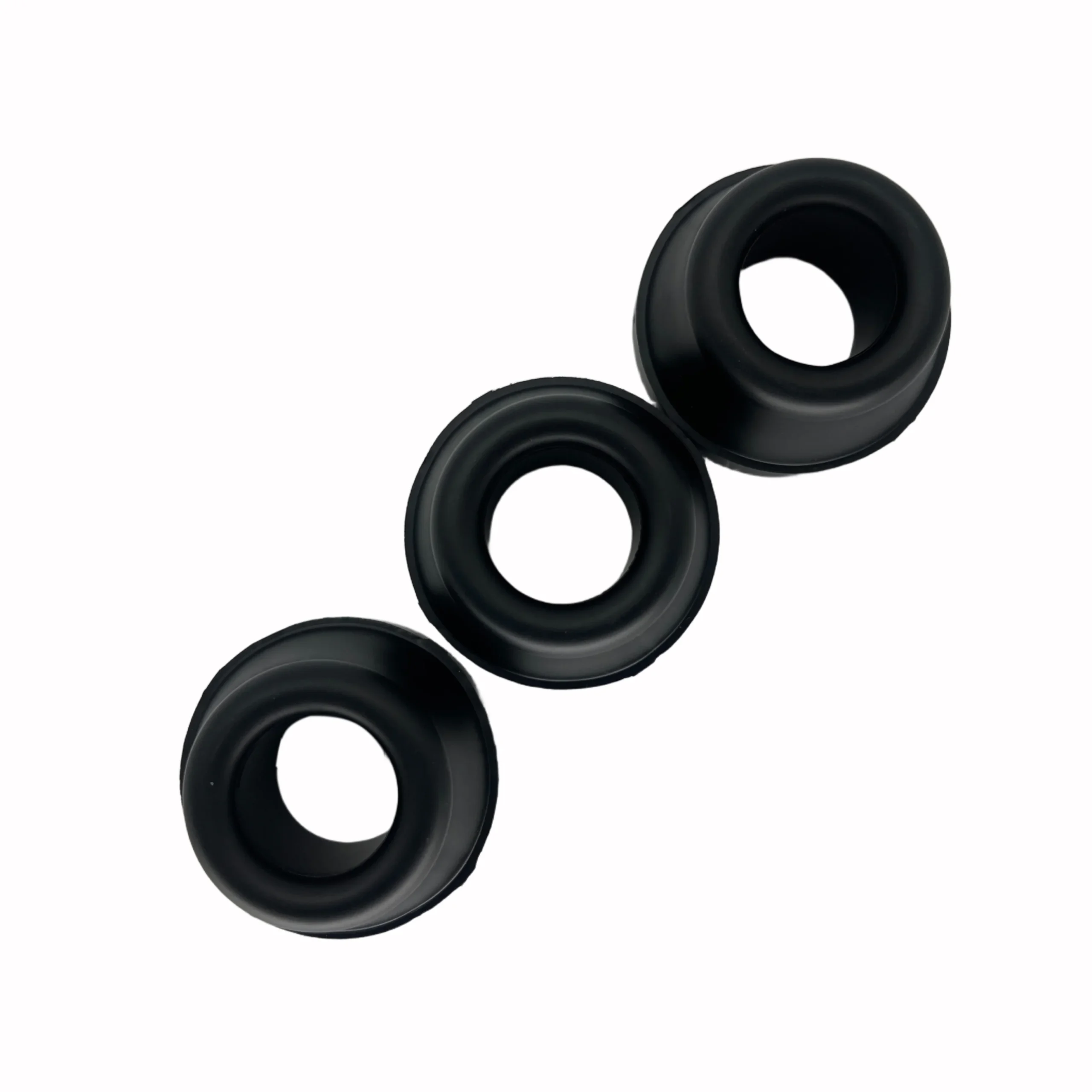
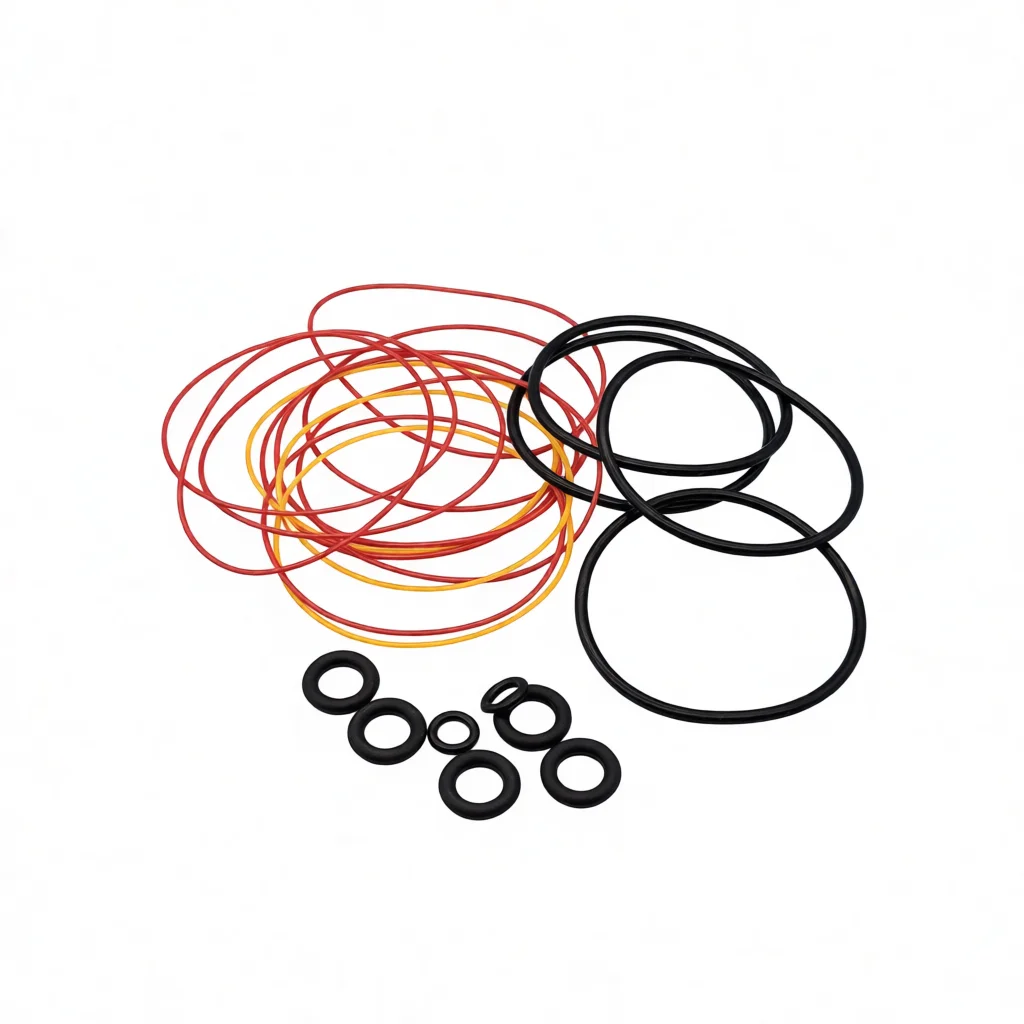
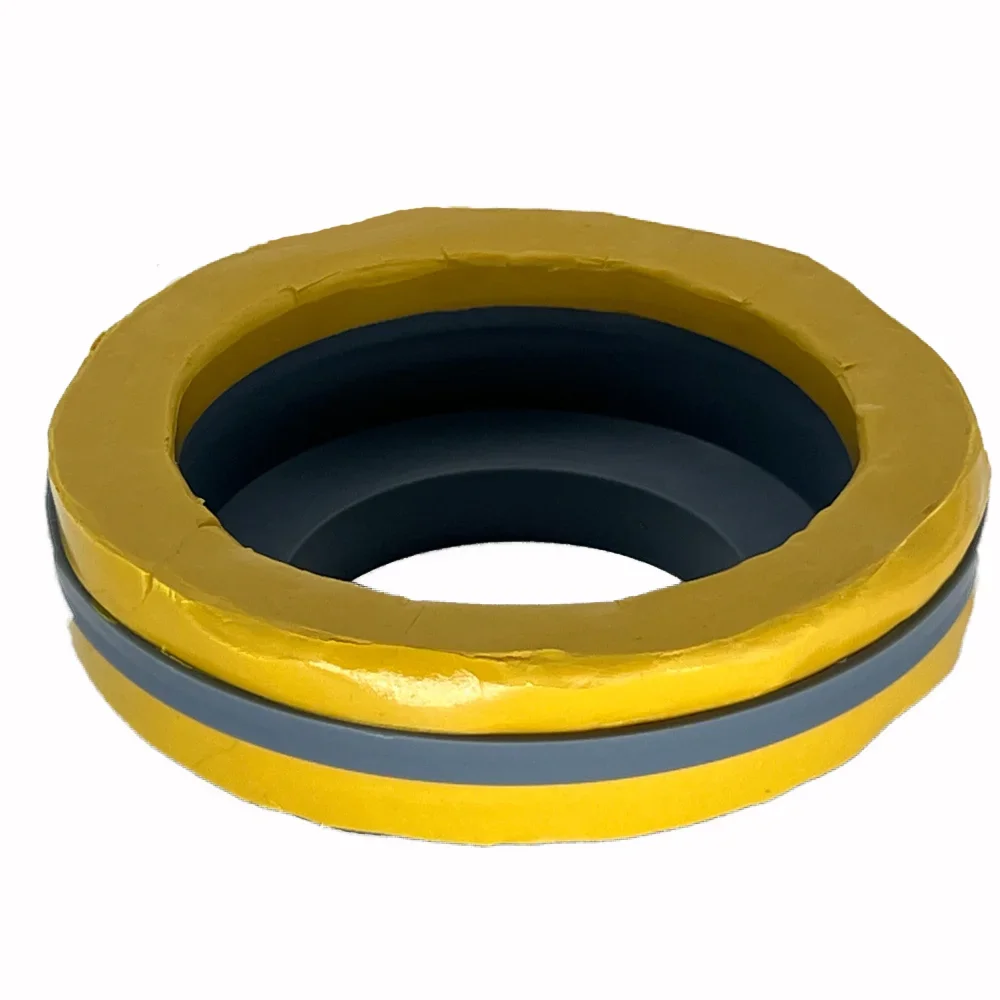
In the sophisticated world of architectural plumbing and high-end bathroom design, the focus is often placed on the aesthetic elegance of the porcelain or the efficiency of the flushing mechanism. However, the true integrity of a sanitary system lies in the microscopic boundaries between its various components. Among these, the toilet tank o ring seal serves as a vital guardian of household water conservation and structural safety. This small, circular elastomer is the primary barrier that prevents the pressurized contents of the water closet from escaping into the surrounding environment. For property managers, contractors, and homeowners alike, understanding the functional superiority of a high-grade seal is the first step toward a maintenance-free lifestyle.
The connection point between a gravity-fed tank and the toilet bowl is subject to constant physical stress. Every time a user initiates a flush, the weight of the water shifts, and the internal components experience a brief but significant change in pressure. A standard toilet o ring seal must be resilient enough to absorb these micro-vibrations while maintaining a perfectly airtight and watertight bond. If this connection is compromised, the result is not just a nuisance; it is a slow, destructive process that can lead to catastrophic water damage, mold growth, and a significant increase in utility expenses. In an era where sustainability and resource management are paramount, the humble sealing ring has become a cornerstone of responsible building maintenance.
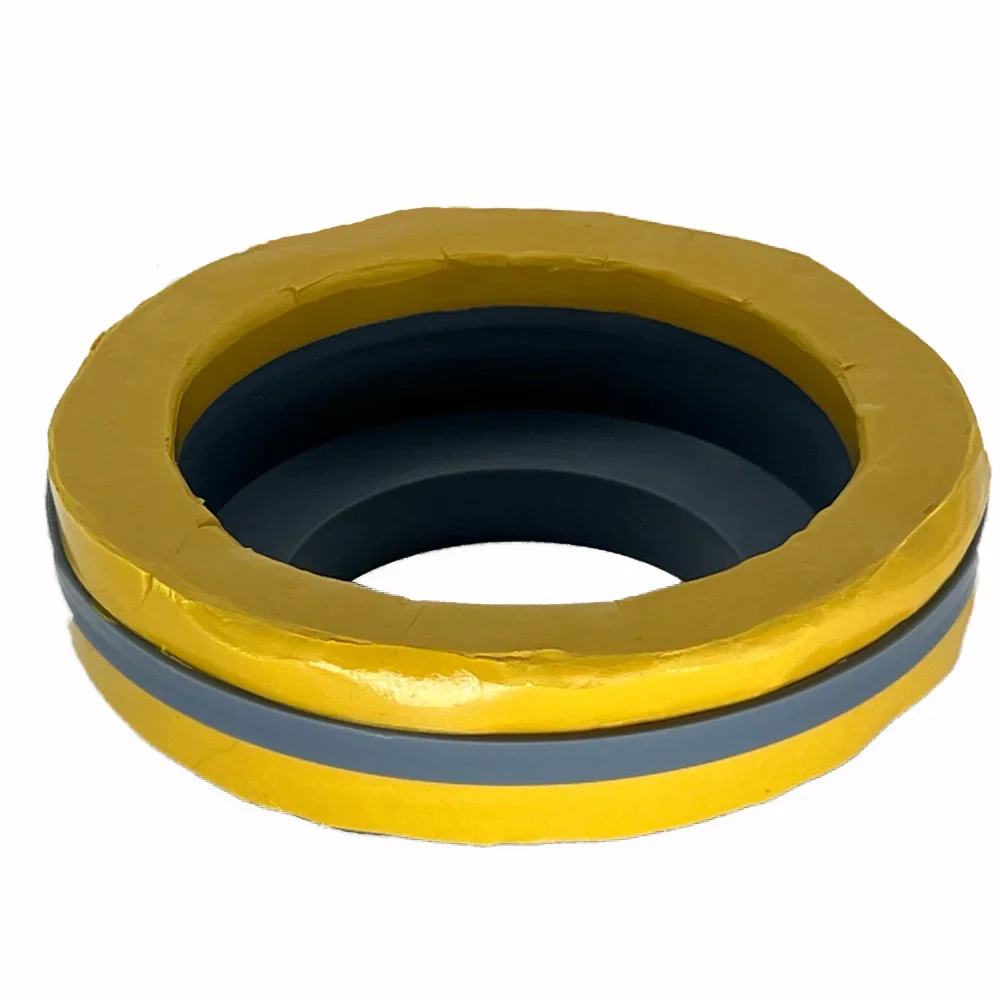
The Mechanical Resilience Of The High-Performance Toilet O Ring In Dynamic Plumbing
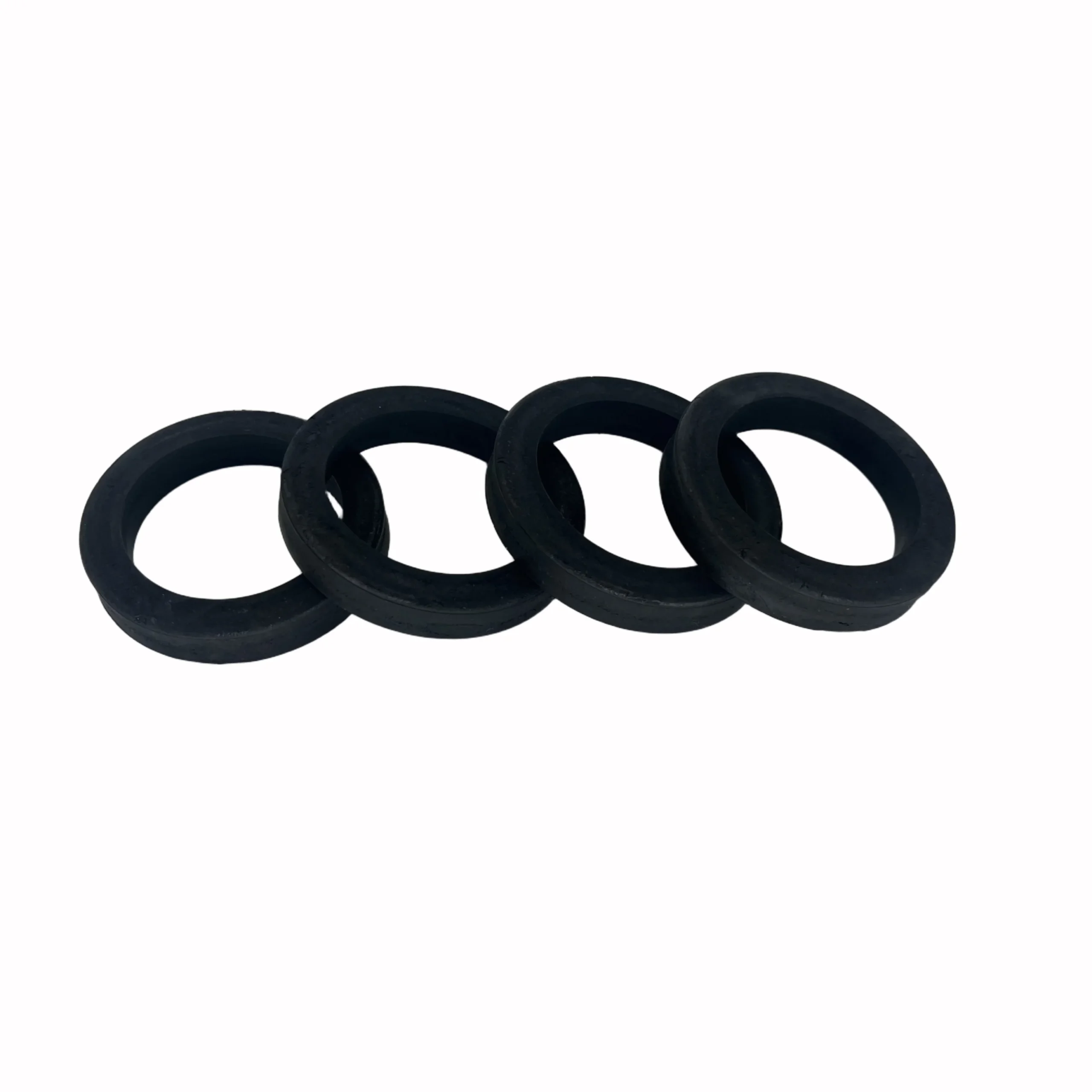
Modern plumbing systems are designed to operate under a wide range of water pressures and chemical environments. The materials used in a professional-grade toilet o ring must be engineered to resist the corrosive effects of chlorine, chloramine, and various mineral deposits found in municipal water supplies. Traditional rubber compounds often succumb to "brittleness" over time, leading to hairline fractures that allow water to seep through. In contrast, premium synthetic elastomers used in a modern toilet tank o ring seal possess a high degree of elastic memory. This allows the material to compress under the weight of the tank and spring back to its original shape if the fixture experiences slight movement or settling within the building's frame.
This mechanical flexibility is particularly crucial in multi-story residential developments and high-traffic commercial buildings. In these environments, the subtle vibrations from heavy foot traffic or the operation of nearby machinery can cause rigid seals to fail. By implementing a high-tension toilet o ring seal, developers ensure that the critical junction between the cistern and the bowl remains secure. The "suction-like" grip of a well-fitted elastomer creates a secondary layer of protection against the escape of moisture, effectively shielding the bathroom flooring and the ceiling below from the devastating impact of hidden leaks.
Architectural Longevity Provided By A Quality Toilet Tank Seal Ring
When an architect or a specifier selects components for a large-scale project, they are looking for a "fit and forget" solution. The installation of a toilet tank seal ring represents a small upfront investment that pays massive dividends in the form of reduced liability and maintenance costs. A failing seal often goes unnoticed for months because the leak occurs directly over the waste pipe or behind the porcelain shroud. By the time dampness is visible on the floor, the subfloor may have already suffered from rot or structural weakening. A premium toilet tank o ring seal is designed to last for the entire operational life of the ceramic fixture, providing a level of reliability that traditional sponge-based gaskets simply cannot match.
Furthermore, the thermal stability of a high-end toilet tank seal ring is essential in modern homes equipped with advanced climate control. In bathrooms with radiant floor heating or in regions with significant seasonal temperature swings, the materials in a plumbing stack will expand and contract at different rates. A standard seal might lose its "seat" during a cold snap or become too soft during a heatwave. Professional-grade seals are tested across an extreme temperature gradient to ensure that the compression remains constant. This ensures that the water remains exactly where it belongs—inside the tank—regardless of the ambient conditions of the room.
Enhancing Water Conservation With A Specialized Cistern Sealing Ring
Water scarcity has become a global concern, driving the industry toward ultra-low-flow technology. These high-efficiency toilets rely on a rapid, powerful release of water to clear the bowl, which places an even higher demand on the cistern sealing ring. If the seal is even slightly misaligned or worn, the internal pressure can cause a "silent leak," where water constantly trickles from the tank into the bowl. This not only wastes hundreds of gallons of treated water per month but also prevents the toilet from achieving a full-power flush, leading to hygiene issues and more frequent clogs.
The precision manufacturing of a modern cistern sealing ring ensures a flush-to-surface fit that eliminates the possibility of internal seepage. Unlike older, generic gaskets that required messy plumbing putty or excessive tightening of the tank bolts—which can lead to cracked porcelain—a modern toilet o ring seal is designed to seat itself naturally under moderate tension. This simplifies the installation process for professionals and DIY enthusiasts alike, ensuring that the critical connection is sealed on the first attempt. By maintaining a perfect vacuum within the tank's discharge valve, the seal allows the toilet to perform at its maximum engineered efficiency, supporting both the environment and the homeowner's budget.
Practical Versatility Of The Modern Toilet O Ring Seal Across Diverse Brands
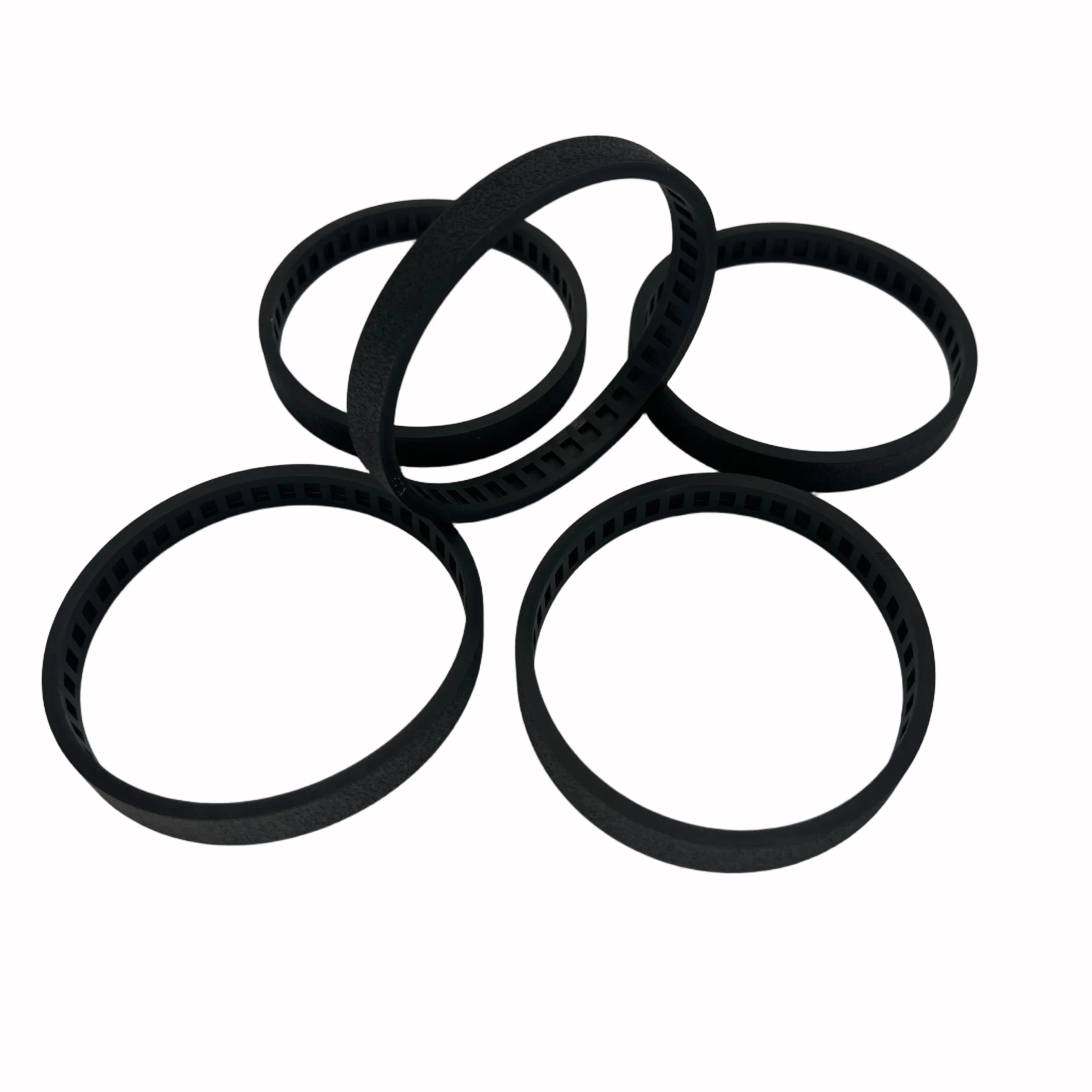
One of the greatest challenges in the plumbing repair sector is the vast diversity of proprietary designs used by various manufacturers. However, the move toward universal standards in the toilet o ring category has simplified maintenance significantly. Modern seals are often engineered with a tapered profile or multiple "ribs" that allow them to adapt to different discharge hole diameters. This architectural versatility ensures that whether a technician is working on a vintage European cistern or a modern American low-flow unit, the toilet tank o ring seal will provide a consistent, high-performance barrier.
Ultimately, the goal of a leak-proof system is peace of mind. By prioritizing the quality of the toilet o ring seal, building owners are making a strategic decision to protect their physical assets. The transition from a simple rubber washer to a high-performance, chemical-resistant cistern sealing ring represents the maturation of the plumbing industry. It is a commitment to hardware excellence that acknowledges that the most important parts of a home are often the ones you never see. Whether in a luxury hotel or a modest suburban residence, the integrity of the water closet depends on this small, powerful circle of material, ensuring that the bathroom remains a clean, dry, and efficient space for decades to come.
In the sophisticated world of architectural plumbing and high-end bathroom design, the focus is often placed on the aesthetic elegance of the porcelain or the efficiency of the flushing mechanism.