

 Select Language
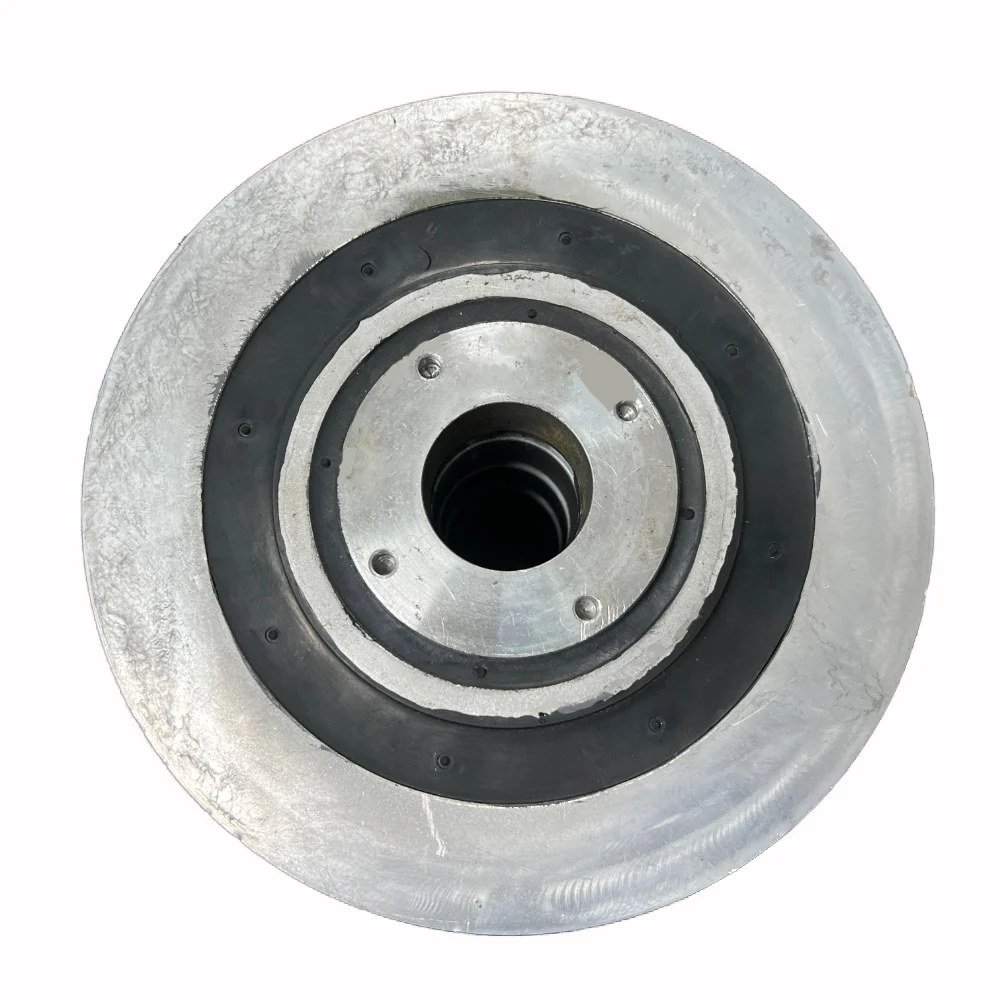
As someone who's spent years poking around industrial facilities and, frankly, occasionally getting a headache from all the noise, I can tell you there's a quiet revolution happening in material science. We're talking about the unsung heroes that keep our world from literally rattling apart: products like high-density damping plate, anti-vibration rubber sheet, industrial vibration isolation plate, soundproof vibration mat. Seriously, these aren't just fancy terms; they represent critical solutions for everything from automotive comfort to maintaining sensitive equipment in factories.
Why Vibration Control is More Critical Than Ever
To be honest, the industry trends are undeniable. With increased automation, faster machinery, and the ever-growing demand for quieter environments (think electric vehicles!), controlling vibration and noise isn't just a luxury anymore – it's a necessity. We're seeing a massive push for materials that are not only effective but also lightweight, durable, and environmentally compliant. Many customers I've spoken with are really pushing the envelope on these requirements, especially in sectors like automotive and advanced manufacturing.
Consider, for instance, a modern industrial setting. Without proper industrial vibration isolation plate solutions, precision machinery could suffer from premature wear, lead to production inaccuracies, or even structural fatigue. It's not just about comfort; it's about operational longevity and safety. And in cars, well, nobody wants their dashboard rattling like a maraca!
Diving Deep into the Lightweight Vibration-Damping Plate
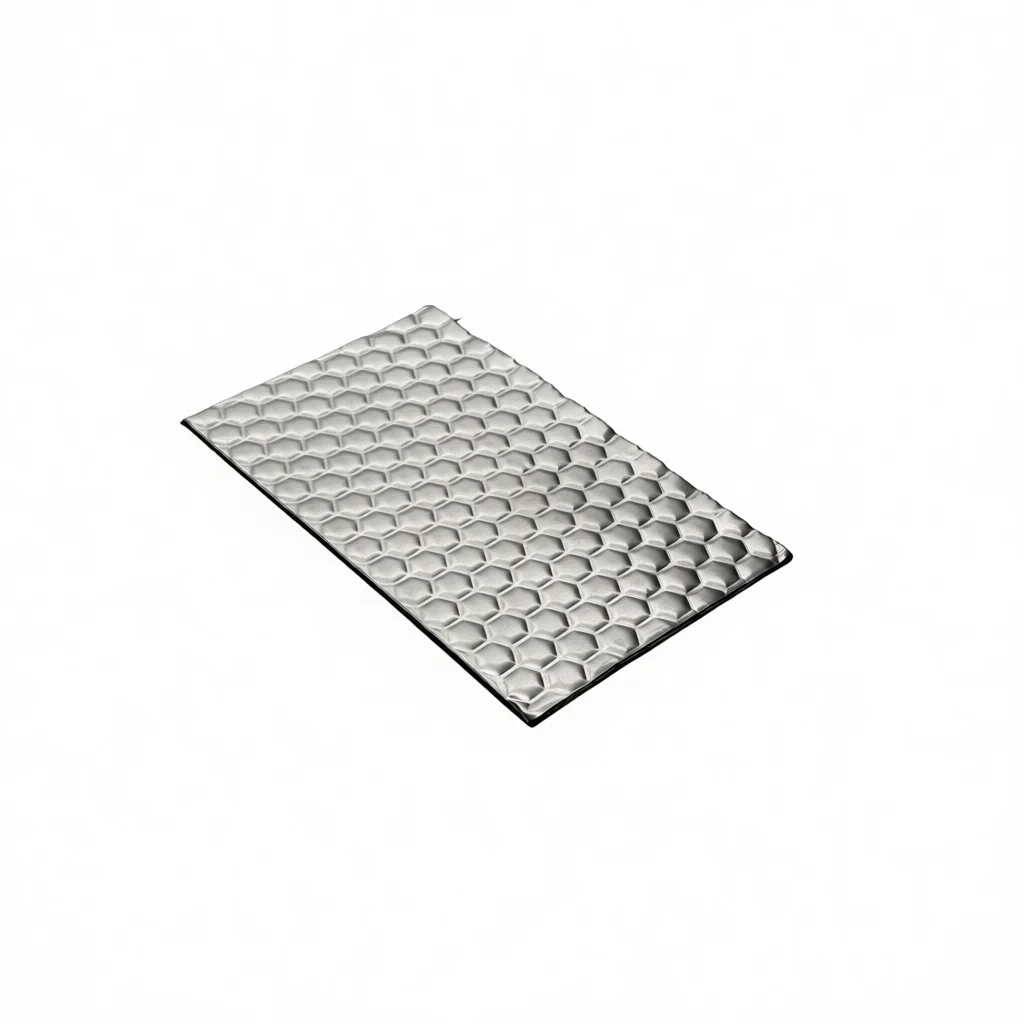
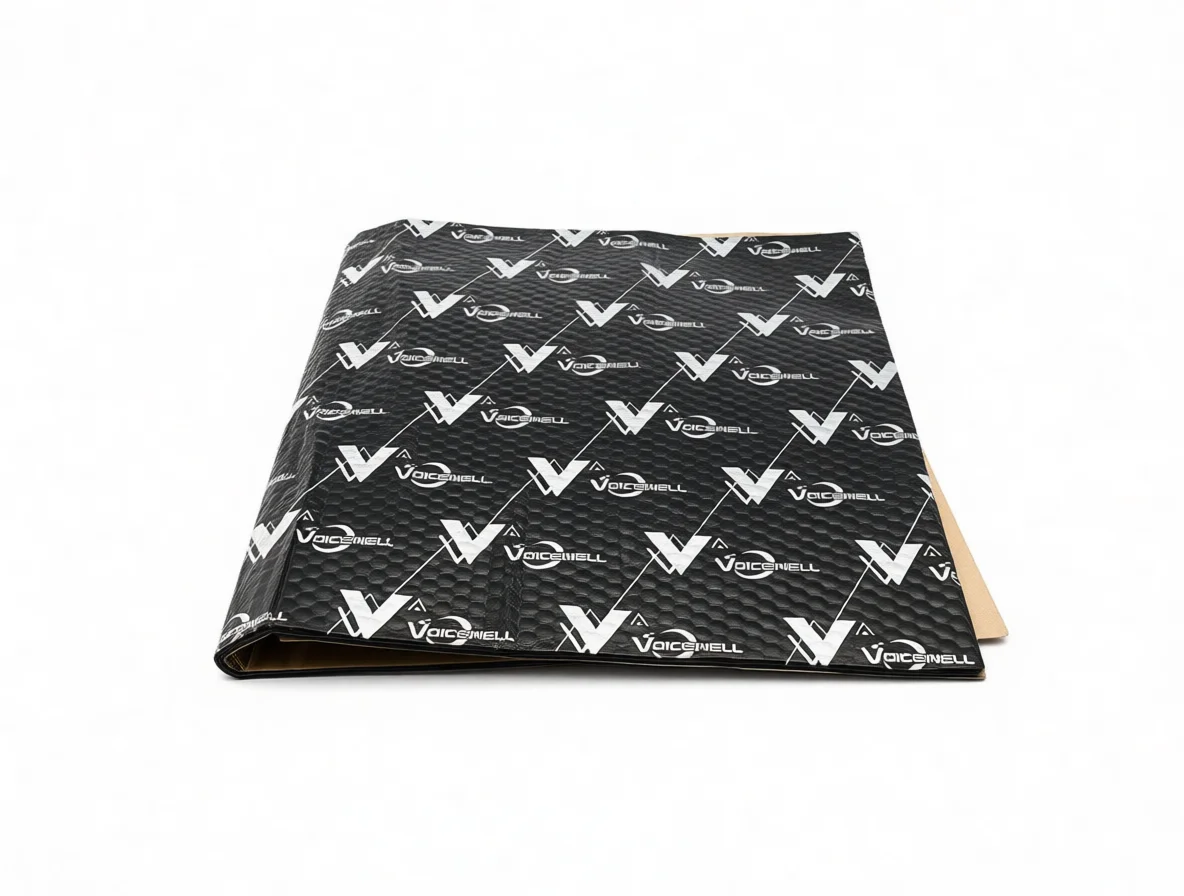
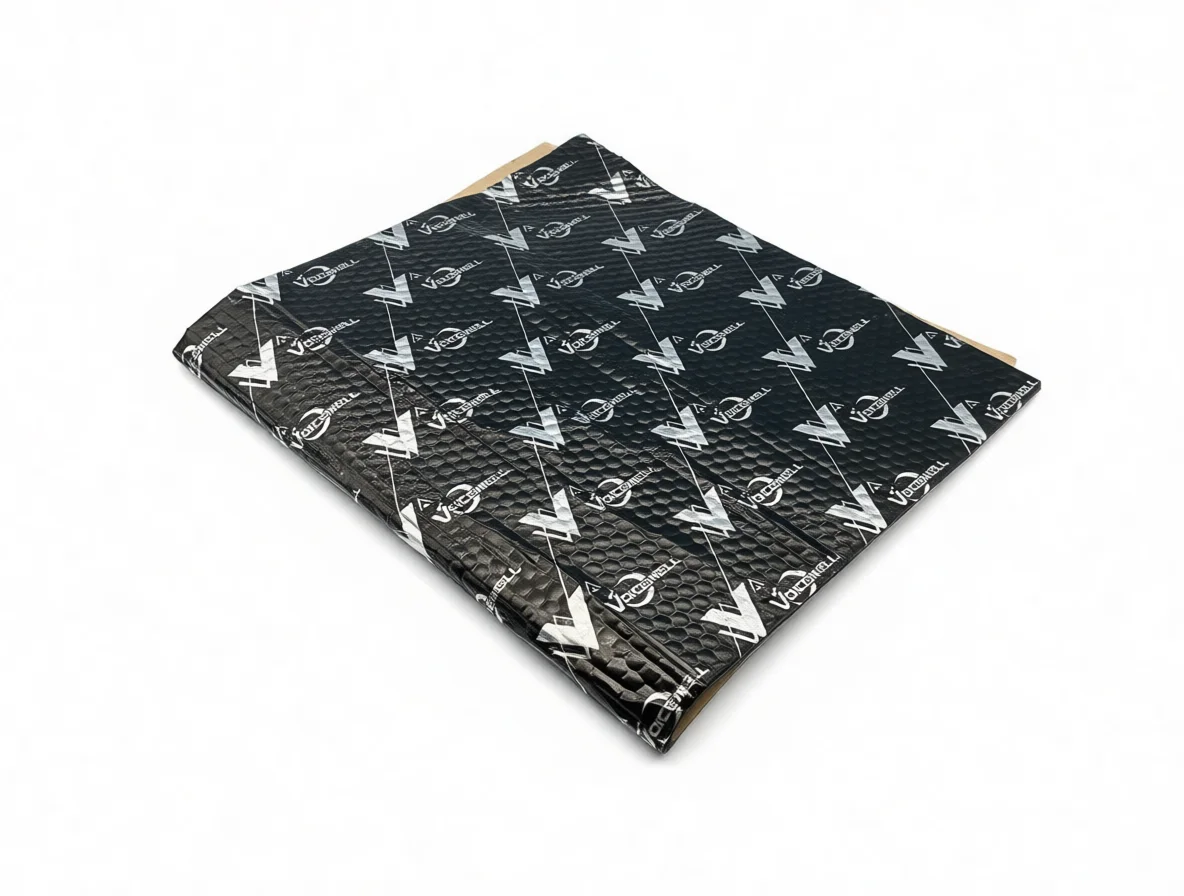
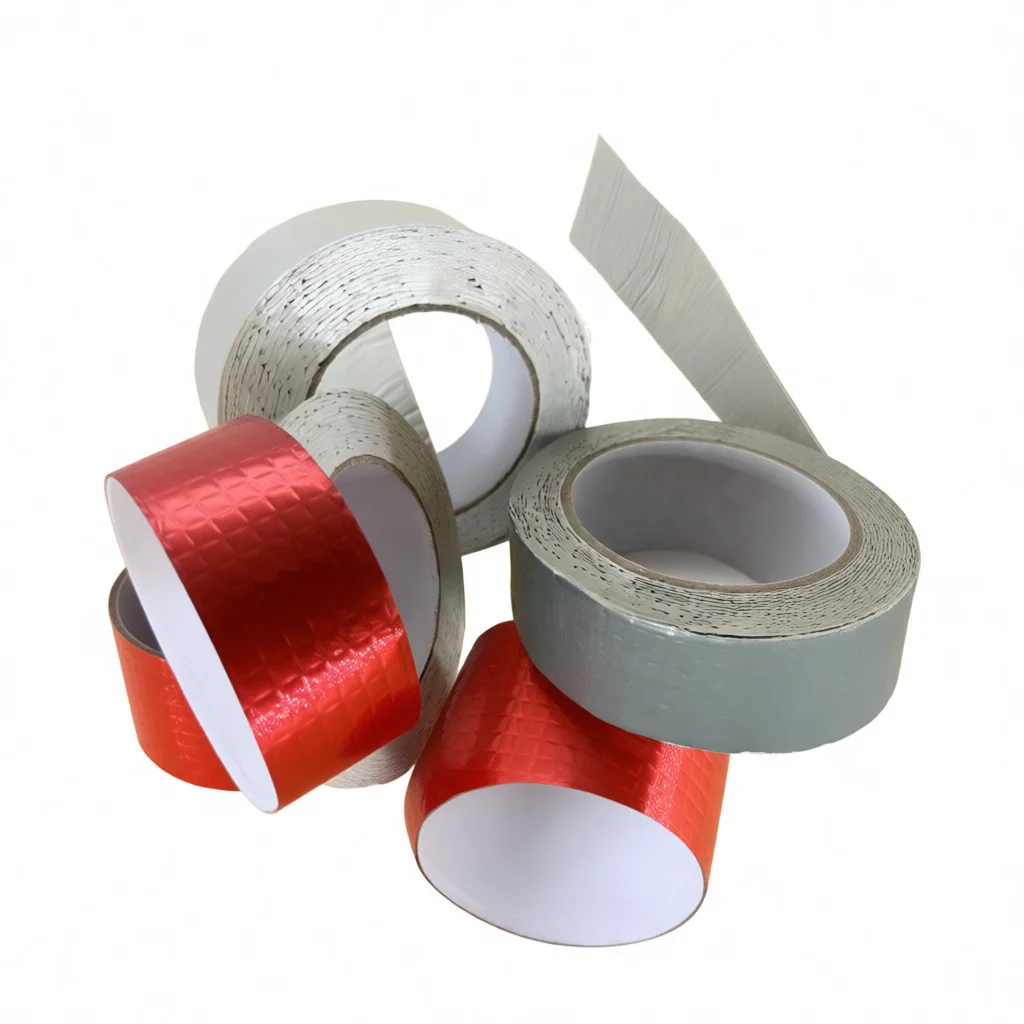
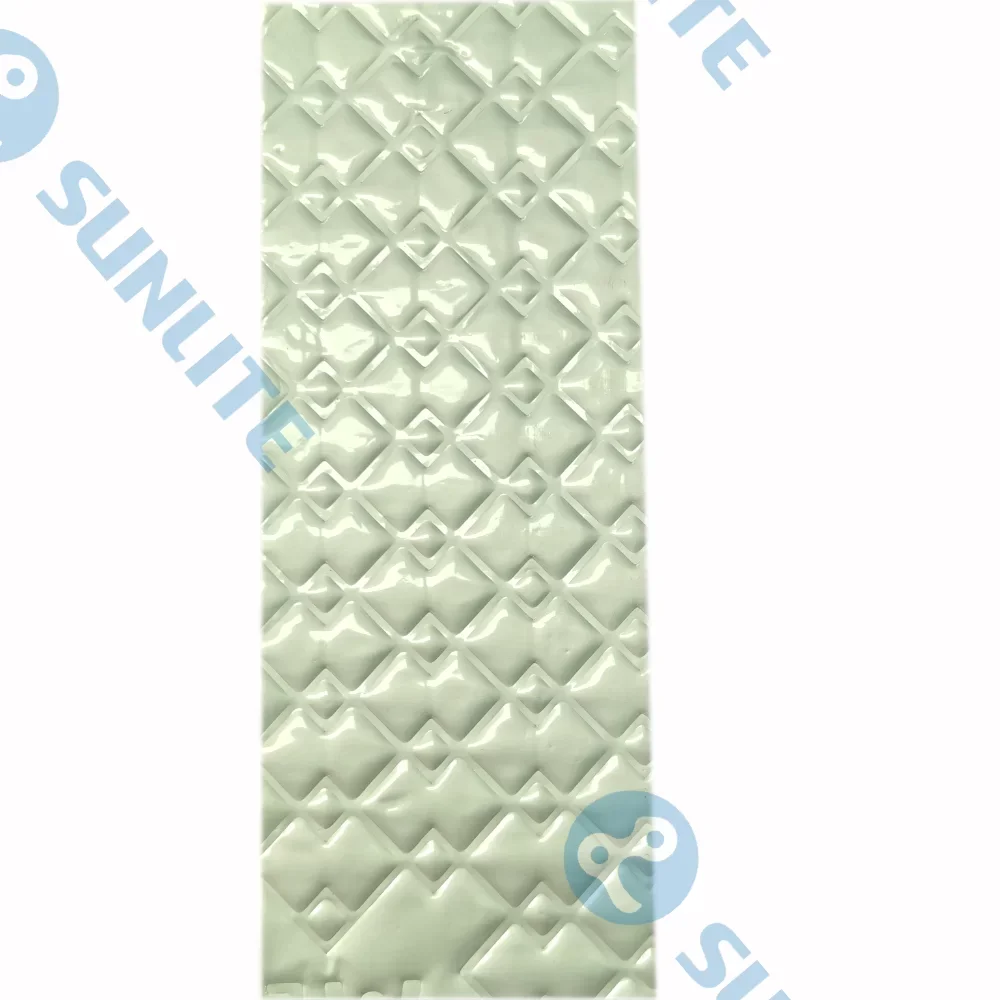
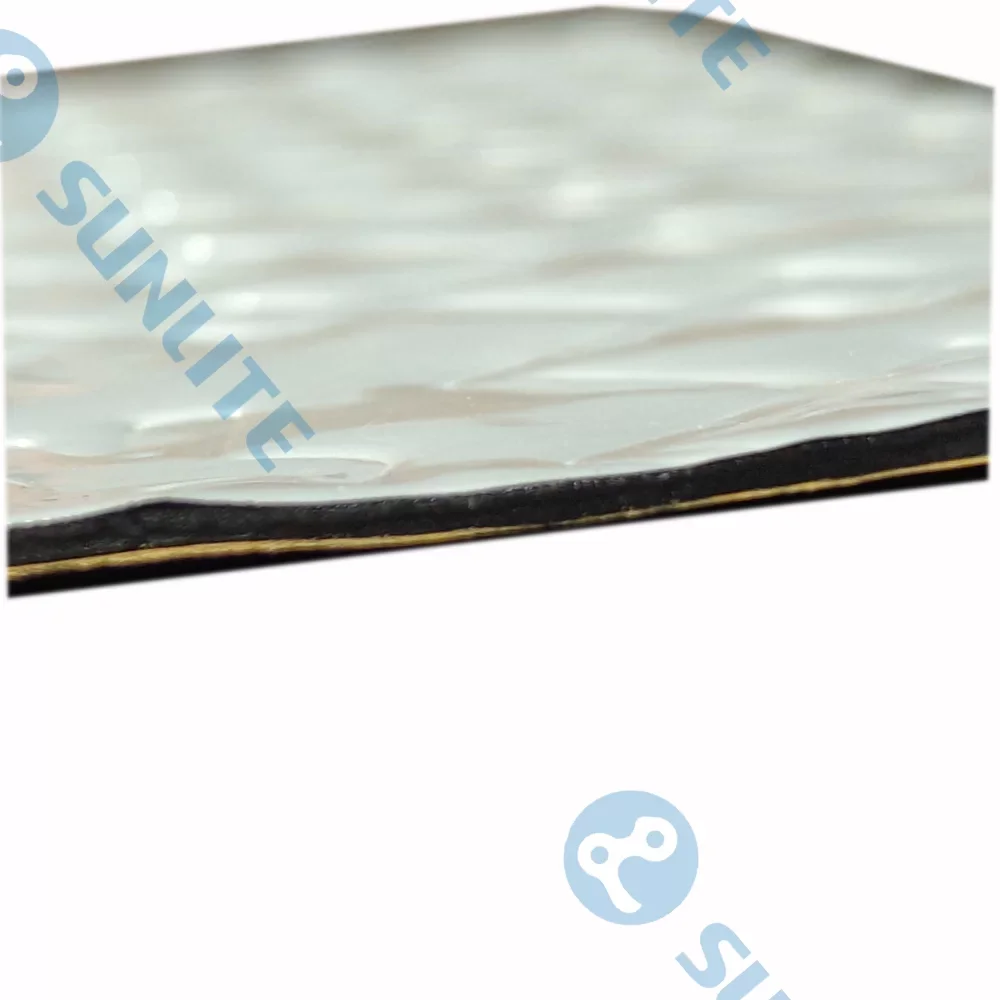
Let's zoom in on a prime example: the Lightweight Vibration-Damping Plate, often a composite of IIR and aluminum foil. This product is a real workhorse. It's essentially a sophisticated anti-vibration rubber sheet designed to absorb and attenuate vibration energy, converting it into negligible heat. The construction typically involves a butyl rubber damping layer, an aluminum foil reflective layer, a pressure-sensitive adhesive backing, and a release paper. This layered approach is key to its dual-effect performance.
I guess what really makes these stand out is their thoughtful design. They're engineered for strong adhesion and won't just peel off after a few hot summers, which is a common complaint with lesser quality materials. Plus, the ease of cutting and fitting on complex curved surfaces? That's a huge win for installers.
Key Specifications (Just the Nitty-Gritty!)
When we talk about the Lightweight Butyl Rubber Vibration Damping Sheet, here are some typical specs you'd look for:
Parameter | Value | Notes |
Material Composition | Butyl Rubber + Aluminum Foil | Durable composite structure |
Composite Loss Factor | ≥ 0.2 | Indicates good damping capability |
Density | ≤ 1.0 g/cm³ | Lightweight for reduced overall load |
Temp Range (Application) | -40℃ ~ 80℃ | Broad operational window |
Adhesion Performance | Strong, no hollowing | Reliable on curved surfaces |
Environmental Compliance | RoHS, REACH (certified versions) | Meets global standards |
Where Do These Marvels Go? Application Scenarios & Case Studies
The beauty of these materials, especially a good high-density damping plate, lies in their versatility. For automotive applications, it's pretty clear:
· Inner car doors: Reduces resonance and external noise.
· Roofs and pillars: Suppresses body panel resonance, improving the vehicle's quietness.
· Tailgates and trunk lids: Minimizes vibrations to prevent those annoying rattles.
· EV battery compartment covers: Provides crucial lightweight sound insulation and protection, which is absolutely vital for electric vehicles where every gram counts.
Beyond cars, think about HVAC systems, industrial machinery enclosures, or even home theaters needing a proper soundproof vibration mat. Actually, I saw a fascinating case study once where a manufacturer used these plates to drastically reduce noise from a stamping press, leading to better working conditions and, surprisingly, fewer defects because operators were less fatigued. It seems that the indirect benefits of NVH (Noise, Vibration, Harshness) improvement are often overlooked!
Choosing Your Supplier: It's Not Just About Price!
Now, when it comes to picking a vendor, a lot of folks just look at the price tag. But I'm here to tell you, that's a mistake. You need to consider quality, customization options, and certifications. A good vendor won't just sell you a sheet; they'll help you find the right anti-vibration rubber sheet for your specific needs, even if that means custom dimensions or a unique material blend.
Feature | Generic Vendor | Premium Vendor (e.g., Sunlitek) |
Material Quality | Varies widely, often inconsistent | Consistent IIR+aluminum foil, certified grades |
Damping Performance | May meet minimums (≈ 0.1 loss factor) | Exceeds basic, ≥ 0.2 loss factor |
Adhesion Longevity | Real-world use may vary, potential peeling | Anti-aging, moisture-proof, strong adhesion for service life |
Customization | Limited standard sizes only | Supports free cutting, custom dimensions & material blends |
Certifications | Often none or basic local | RoHS, REACH, IATF 16949 (for automotive) |
Technical Support | Minimal to non-existent | Engineering support, test data, installation guidance |
In fact, the service life of these plates is also a critical factor. A well-made damping plate should last for many years – typically 5-10 years in automotive applications, and even longer in stable industrial settings – without degrading significantly. That's a return on investment you can really bank on.
The Future is Quiet: Innovations and Standards
The quest for better vibration control is ongoing. We're seeing innovations in multi-layered composites and even smart materials that can adapt their damping properties. Testing standards like ISO 10846 (for vibration isolation) and various ASTM standards (for material properties and acoustic performance) are crucial here. They ensure that what's promised on paper actually holds up in the real world. For automotive parts, the IATF 16949 quality management standard is practically a given.
So, whether you're an engineer designing the next generation EV or a plant manager trying to reduce noise on the factory floor, don't underestimate the power of a well-chosen soundproof vibration mat or a precisely engineered damping plate. They truly are the unsung heroes making our noisy world a little more peaceful and a lot more efficient.
Authoritative Citations
1. ISO 10846-1:2008. Acoustics and vibration — Laboratory measurement of vibro-acoustic transfer properties of resilient elements — Part 1: Principles and guidelines.
2. ASTM E756-05 (2010). Standard Test Method for Measuring Vibration-Damping Properties of Materials.
3. SAE J1619. Measurement of whole vehicle noise, vibration and harshness.
4. IATF 16949:2016. Quality management system requirements for automotive production and relevant service parts organizations.

As someone who's spent years poking around industrial facilities and, frankly, occasionally getting a headache from all the noise, I can tell you there's a quiet revolution happening in material science.