

 Select Language
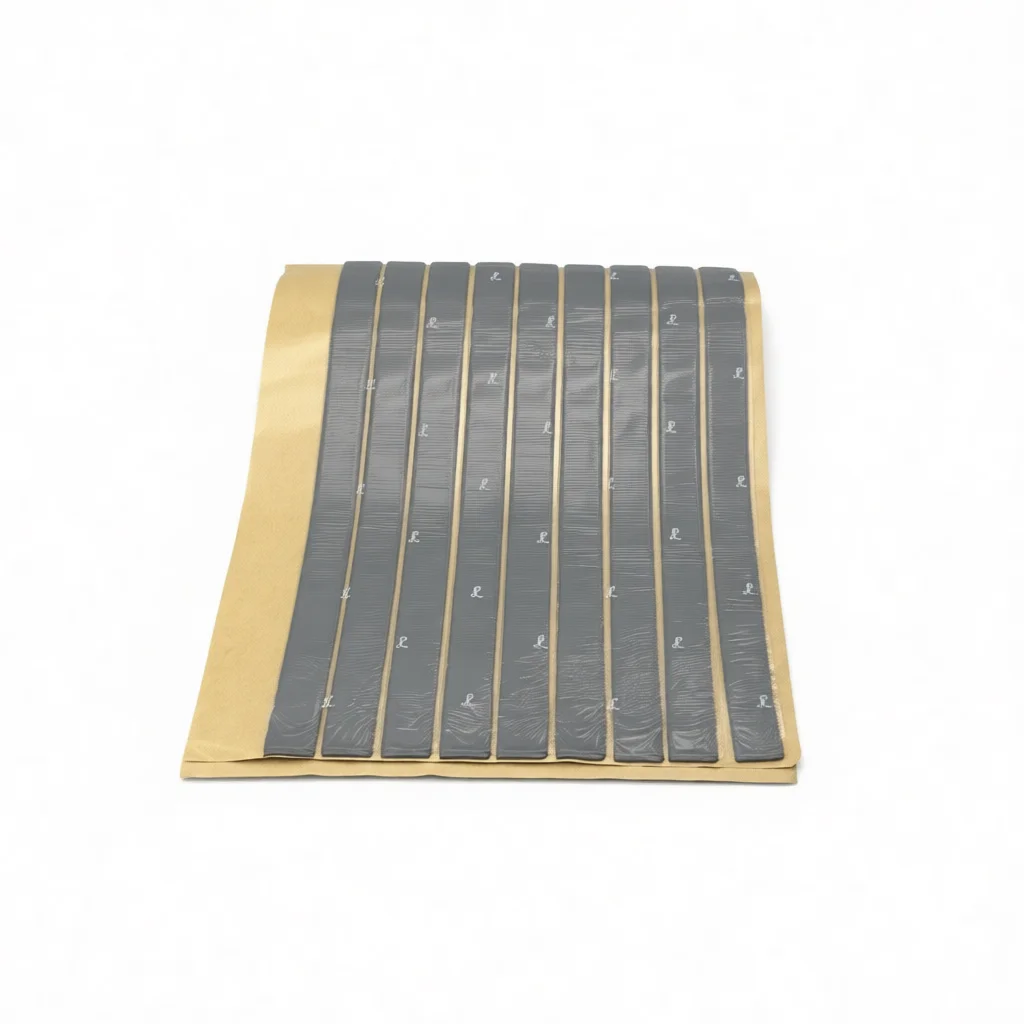
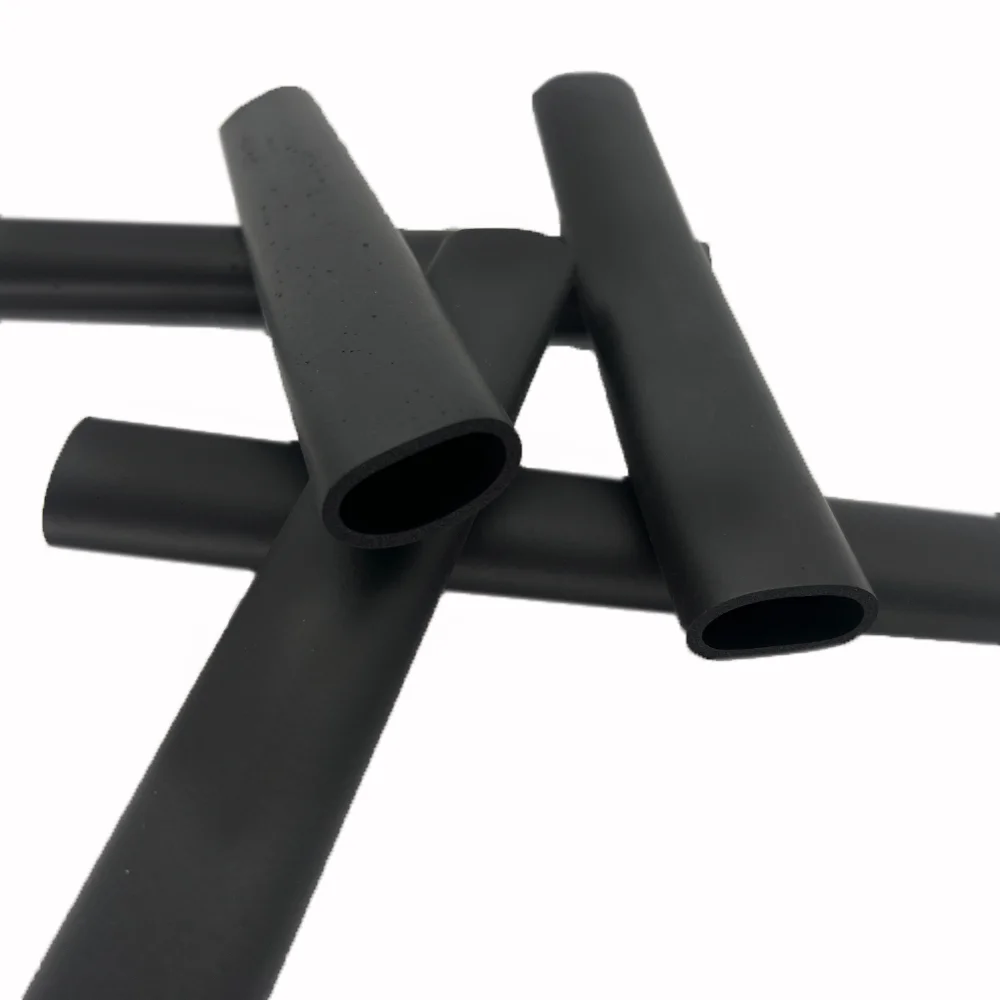
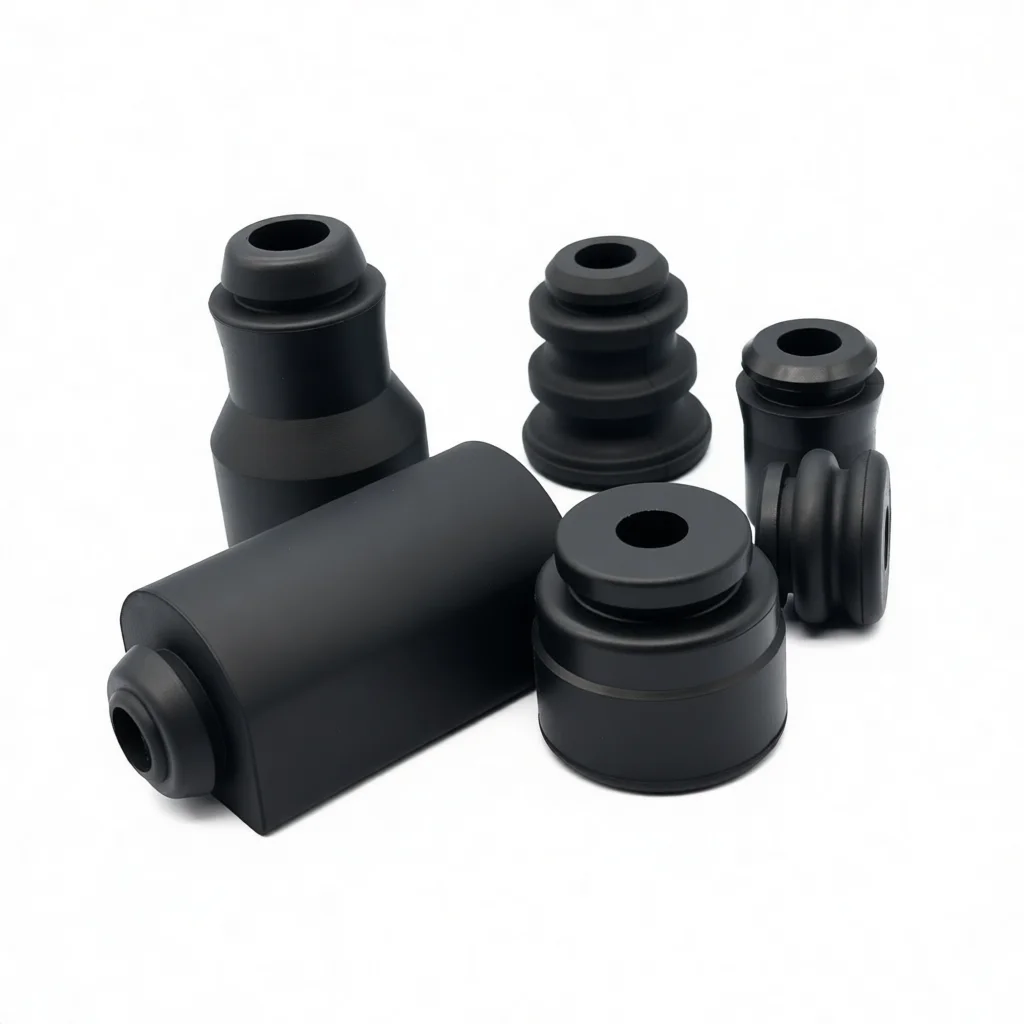
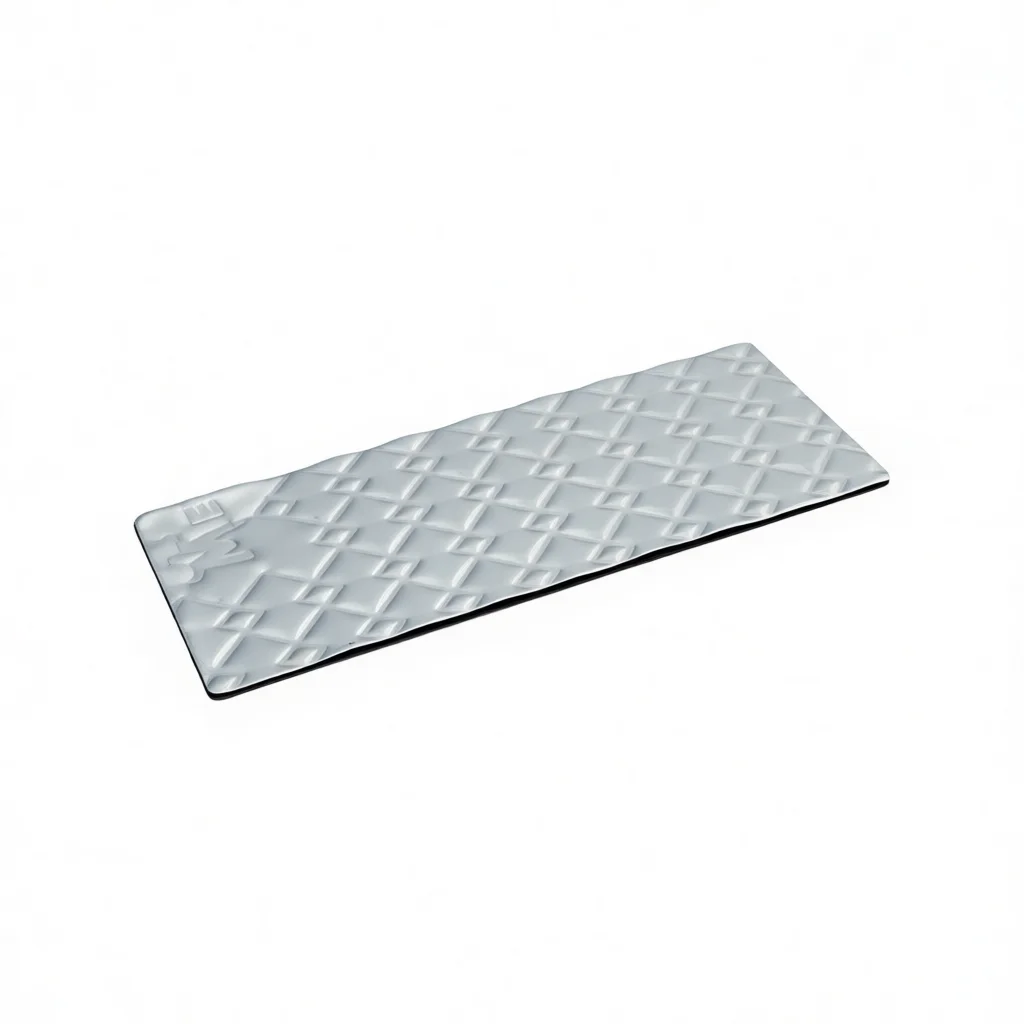
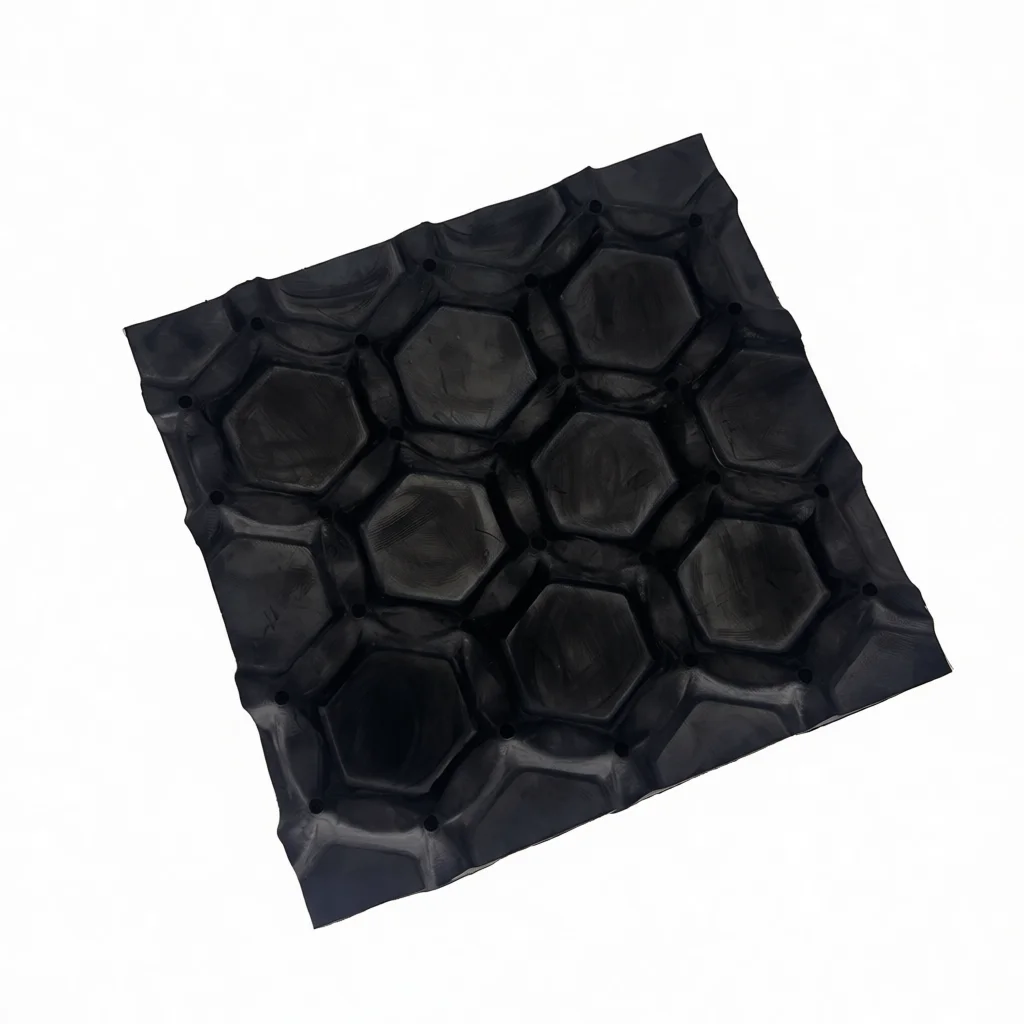
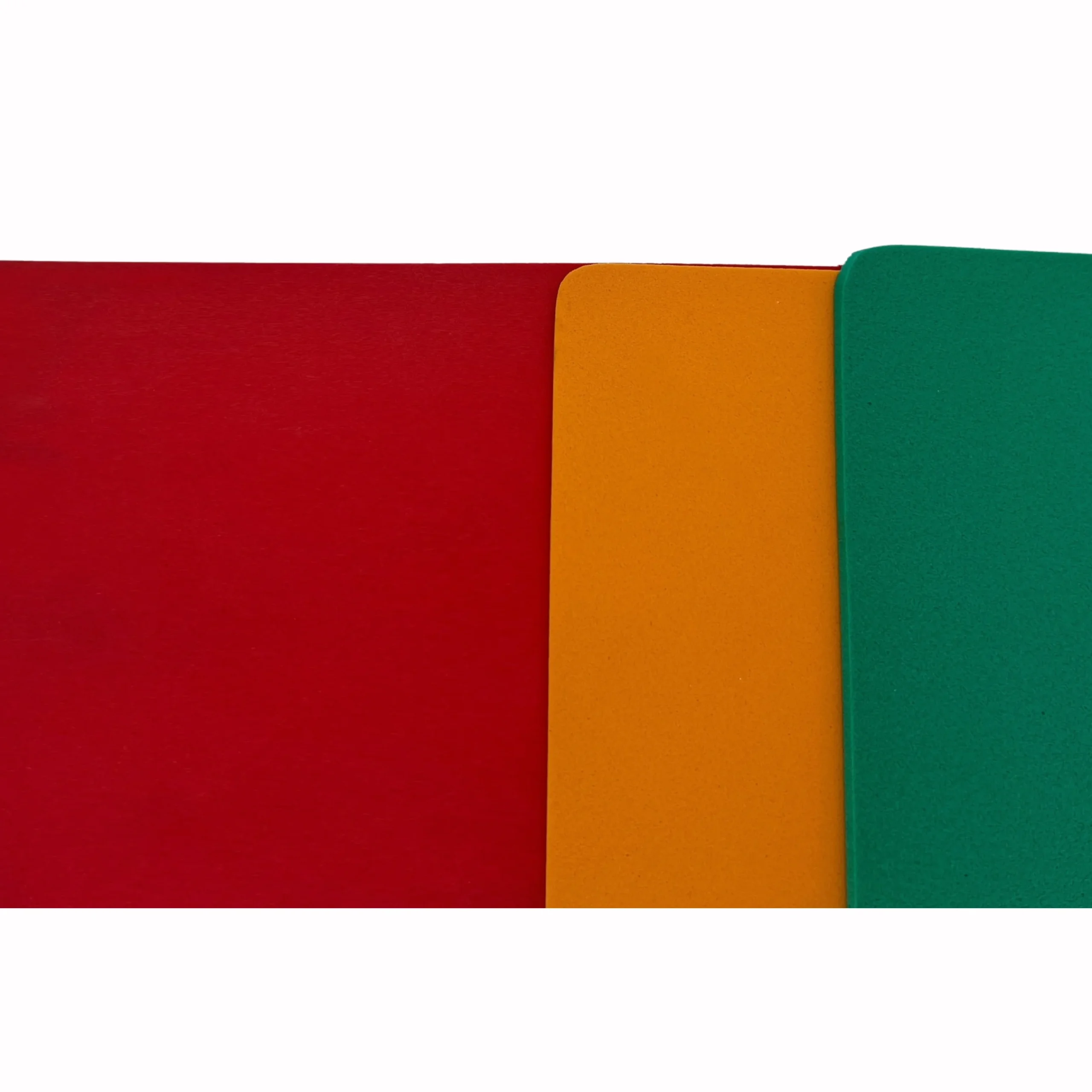
The epdm elastic rubber pad stands as a testament to the advancements in elastomer preparation technology. Ethylene Propylene Diene Monomer (EPDM) is widely recognized for its exceptional resistance to environmental stressors such as ozone, UV radiation, and extreme temperature fluctuations. However, the high-performance variant used in vibration damping goes a step further. It is prepared by cleverly optimizing the combination of elastomer materials with varying glass transition temperatures. This ensures that the pad remains effective at absorbing energy whether it is installed in a freezing high-altitude drone or a sweltering industrial engine room.
What makes the epdm elastic rubber pad indispensable is its ability to maintain a high loss factor across a wide range of frequencies. In industrial applications, where machinery often operates at variable speeds, the resonance frequencies can shift. A standard rubber pad might fail to dampen these shifts, but the advanced EPDM version consumes this shifting vibration energy through its internal viscoelastic properties. This conversion of motion into heat energy realizes the function of vibration damping at an advanced level, protecting the airframe or the machine housing from the micro-fractures associated with long-term mechanical stress.
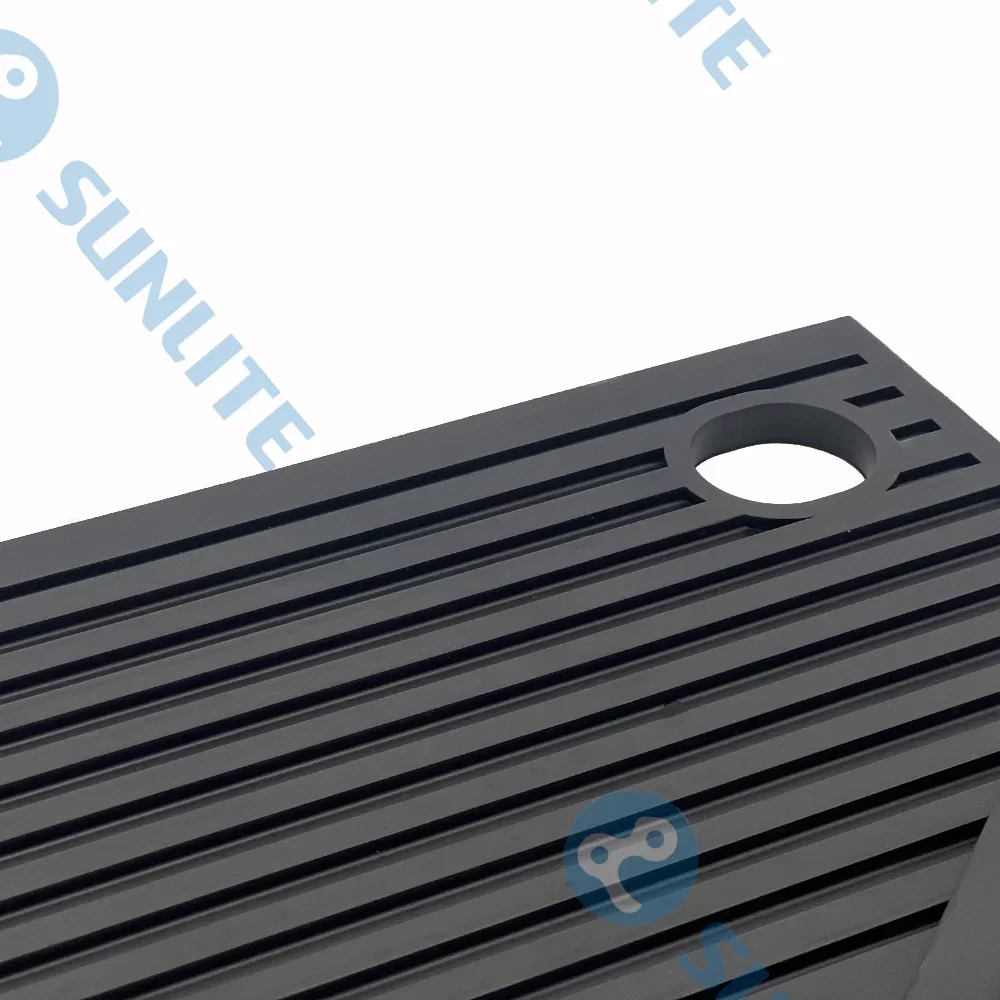
Precision Control through the Vibration Reduction Rubber Pad
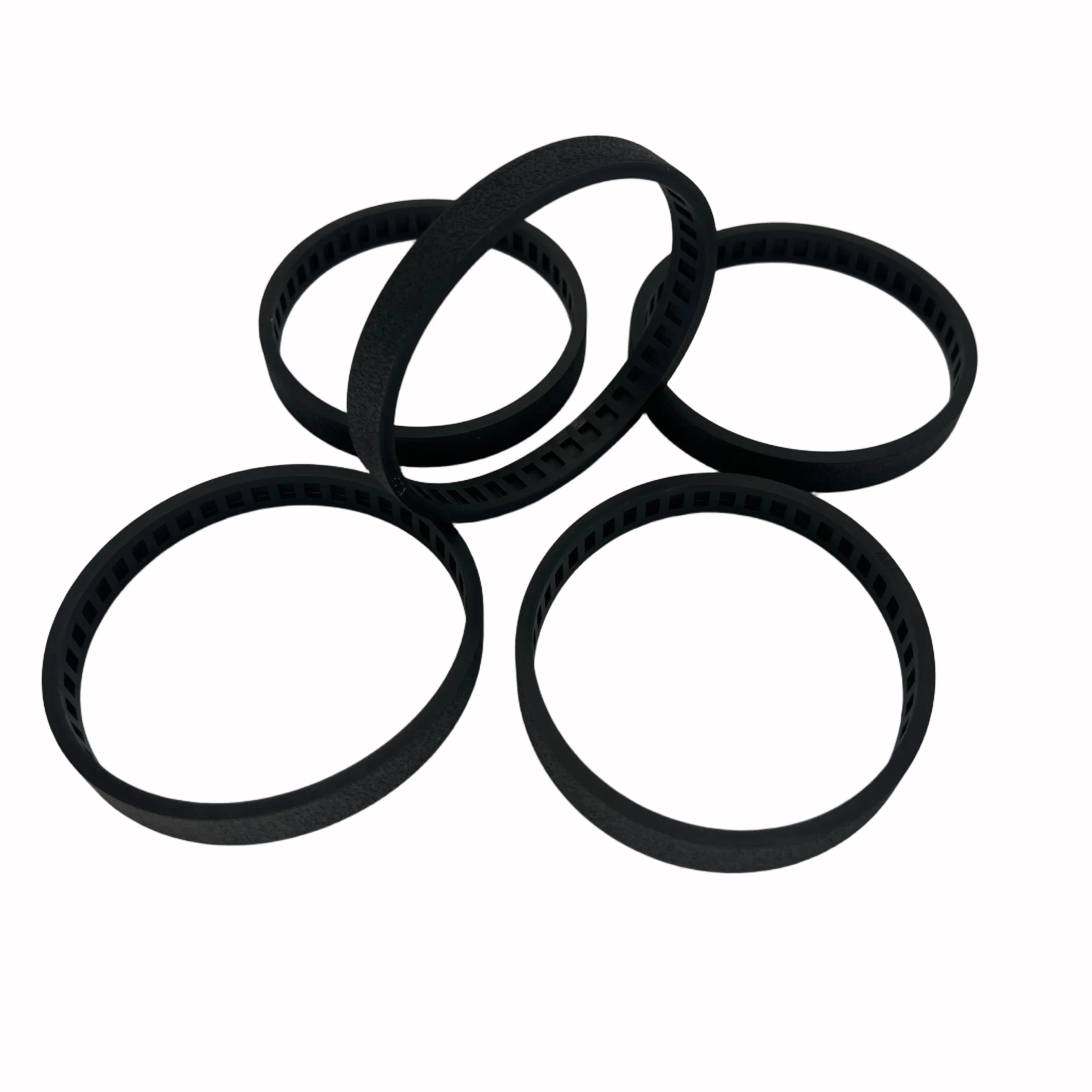
In the world of high-definition aerial cinematography and precision sensing, even the slightest tremor can compromise data integrity. This is where the vibration reduction rubber pad becomes the most critical component of the assembly. The preparation technology for these pads focuses on a "wide-band" damping effect. By blending various elastomer materials, engineers create a pad that can target the specific high-frequency "noise" generated by brushless motors and rotating impellers.
The primary characteristic of a vibration reduction rubber pad is its high loss factor. When the vibration energy from a drone's motor reaches the pad, the molecular chains within the elastomer rub against each other, creating internal friction. This friction absorbs the energy, preventing it from reaching the camera gimbal or the flight controller’s IMU (Inertial Measurement Unit). By reducing this "signal noise" at the physical level, operators can achieve much smoother flight telemetry and sharper imagery. Furthermore, these materials meet the rigorous requirements of RoHS 2.0 and REACH, ensuring that the high-performance damping does not come at the cost of environmental safety.
Impact Mitigation with the Specialized Shock Absorbing Rubber Pad
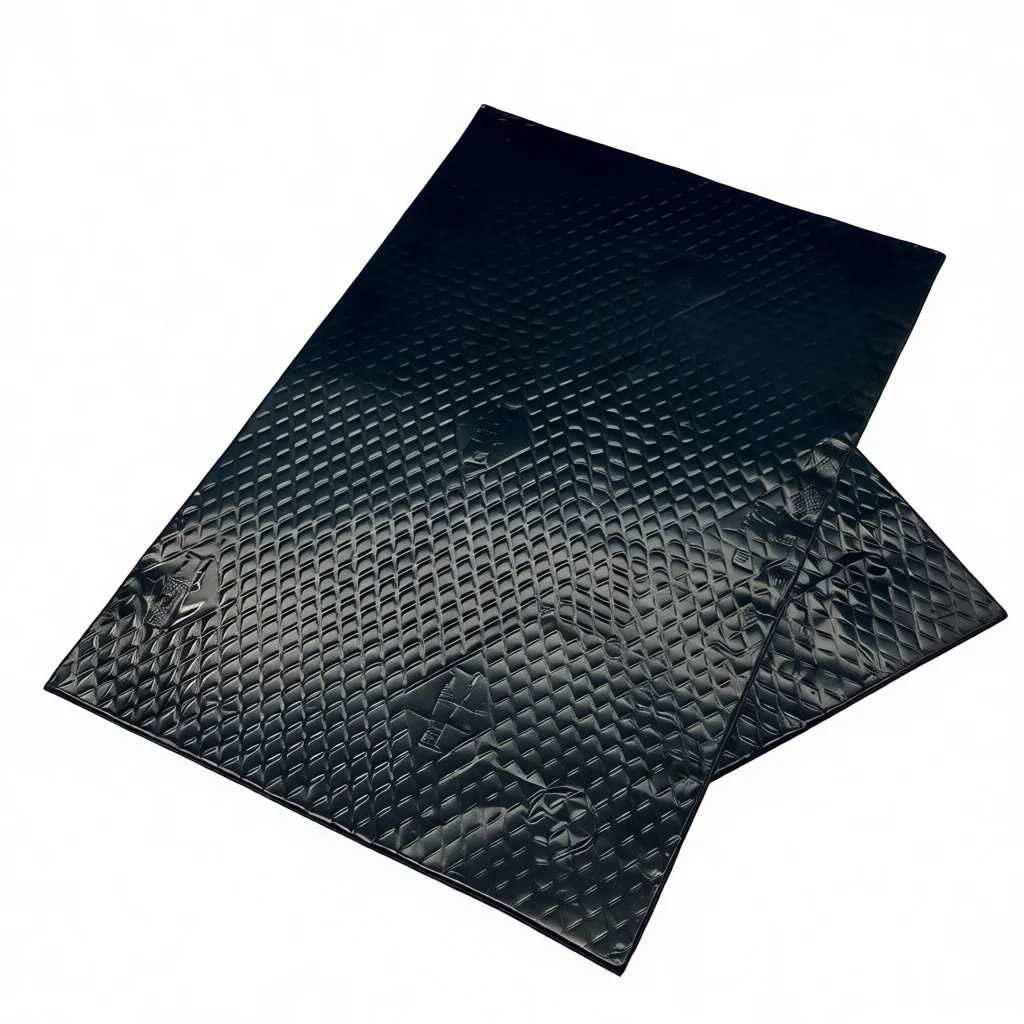
While vibration damping deals with continuous oscillations, shock absorption is about managing sudden, violent energy spikes. The shock absorbing rubber pad is engineered to handle the G-forces experienced during hard landings, mechanical shifts, or accidental impacts. The preparation of these pads requires a deep understanding of buffering and cushioning functions. The material must be soft enough to deform under pressure—thus spreading the force—but resilient enough to return to its original shape without permanent deformation.
The "advanced level" reached in the preparation of the shock absorbing rubber pad allows for precise regulation of its resistance to compression. In practical applications, this means that a drone equipped with these pads on its landing gear or battery mount can survive impacts that would otherwise shatter rigid plastic components. The elastomer effectively acts as a thermal sink for kinetic energy, protecting the delicate internal circuit boards from the shockwaves that travel through the airframe. This molecular-level protection is a key factor in reducing maintenance costs and preventing safety accidents in industrial and agricultural drone fleets.
Partnering with a Custom Size Rubber Pad Manufacturer for Optimal Tuning
Because every machine has a unique resonant frequency and weight distribution, a "one size fits all" approach to damping is rarely successful. This is why the role of a custom size rubber pad manufacturer is so vital in the modern supply chain. Customization is not merely about the physical dimensions of the pad; it is about the "molecular tailoring" of the elastomer blend. A manufacturer can adjust the ratio of different elastomers to match the specific glass transition temperature required for a particular field of application.
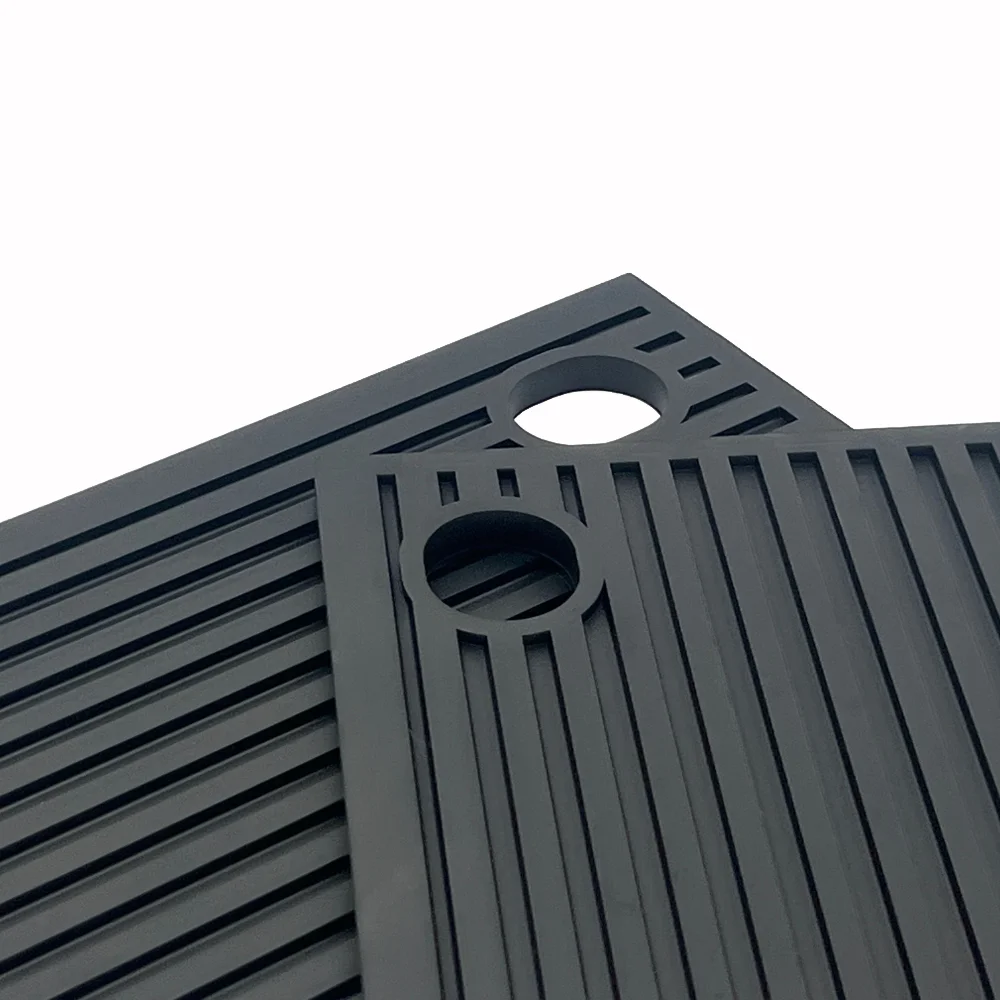
By collaborating with a custom size rubber pad manufacturer, engineering teams can ensure that the damping material is tuned to the exact frequency of their equipment's "peak" vibration. This level of process control allows for the creation of a pad that is neither too stiff (which would transmit vibration) nor too soft (which would lead to instability). Whether the requirement is for a thin isolation sheet for a micro-UAV or a heavy-duty non-slip mat for a ground control station, the ability to customize the material properties ensures that the damping system reaches its theoretical maximum efficiency. This bespoke approach to vibration attenuation is what defines the advanced level of preparation technology in 2026.
Elastic Rubber Pad: Sustainable Innovation in Vibration Attenuation
The future of damping technology is inextricably linked to both performance and sustainability. The elastomers used in the modern epdm elastic rubber pad and other vibration-damping components are now required to meet stringent international regulations like POPs, TSCA, and PFAS. This ensures that as we push the limits of what drones and industrial machines can do, we are using materials that are safe for the operators and the planet.
Through continuous research and improvement, the industry has moved toward elastomers that offer better damping with less mass, allowing for lighter and more efficient aircraft. The integration of these materials into the "basic properties" of the elastomer ensures that the damping function is realized without sacrificing the material's strength or temperature resistance. As we look forward, the ability to precisely regulate resistance and loss factors will continue to drive innovation, making our industrial and aerial environments quieter, safer, and more reliable.
The epdm elastic rubber pad stands as a testament to the advancements in elastomer preparation technology.