

 Select Language
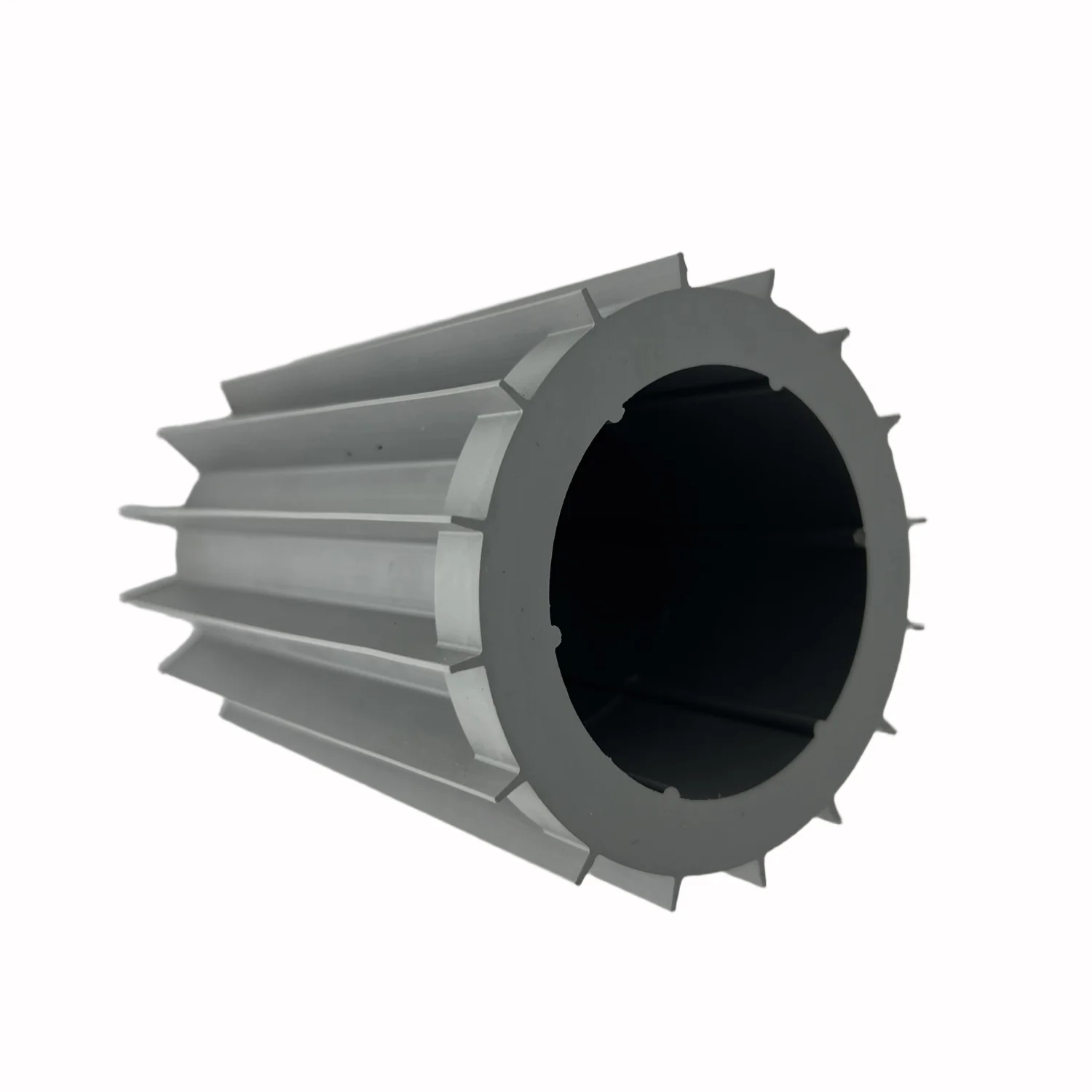
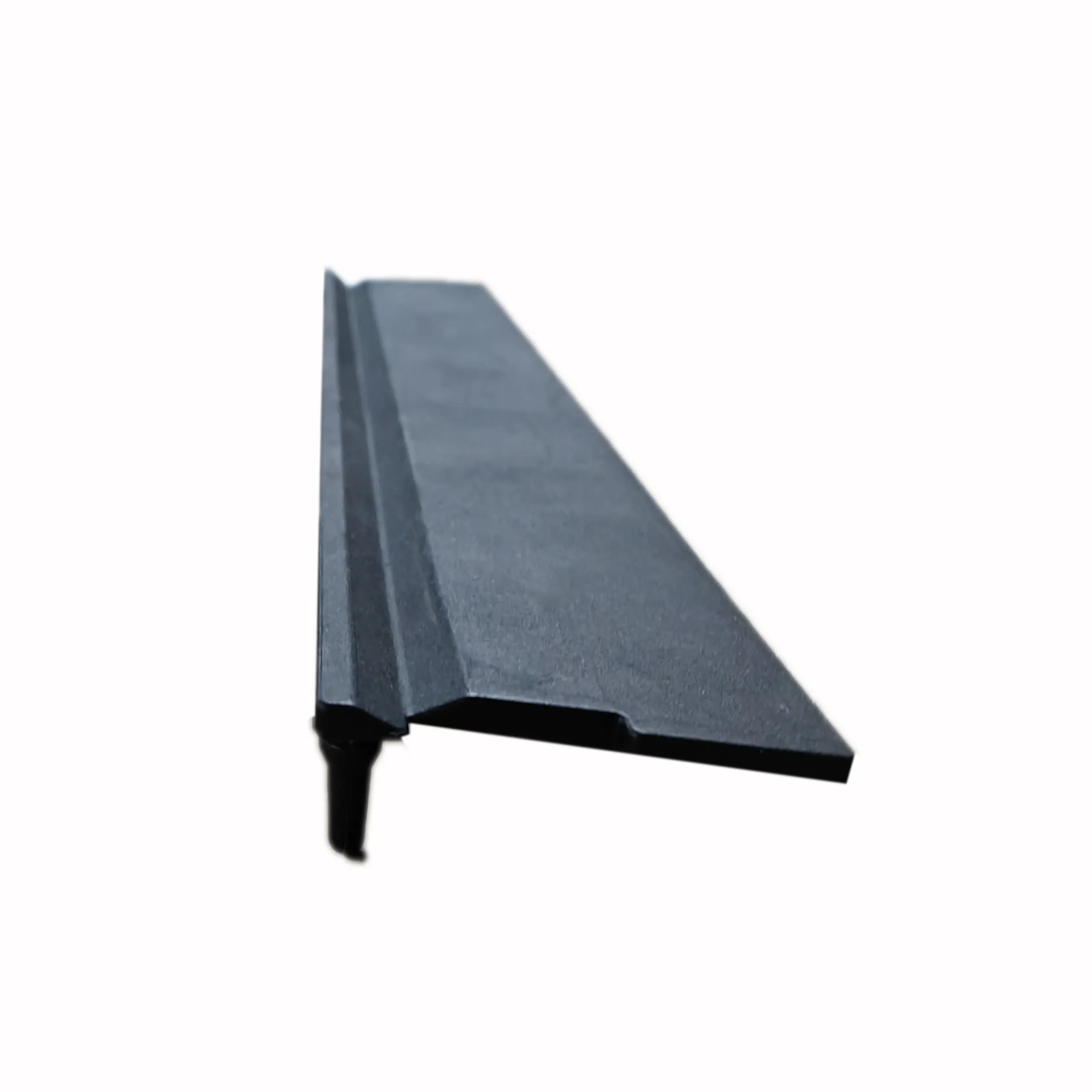
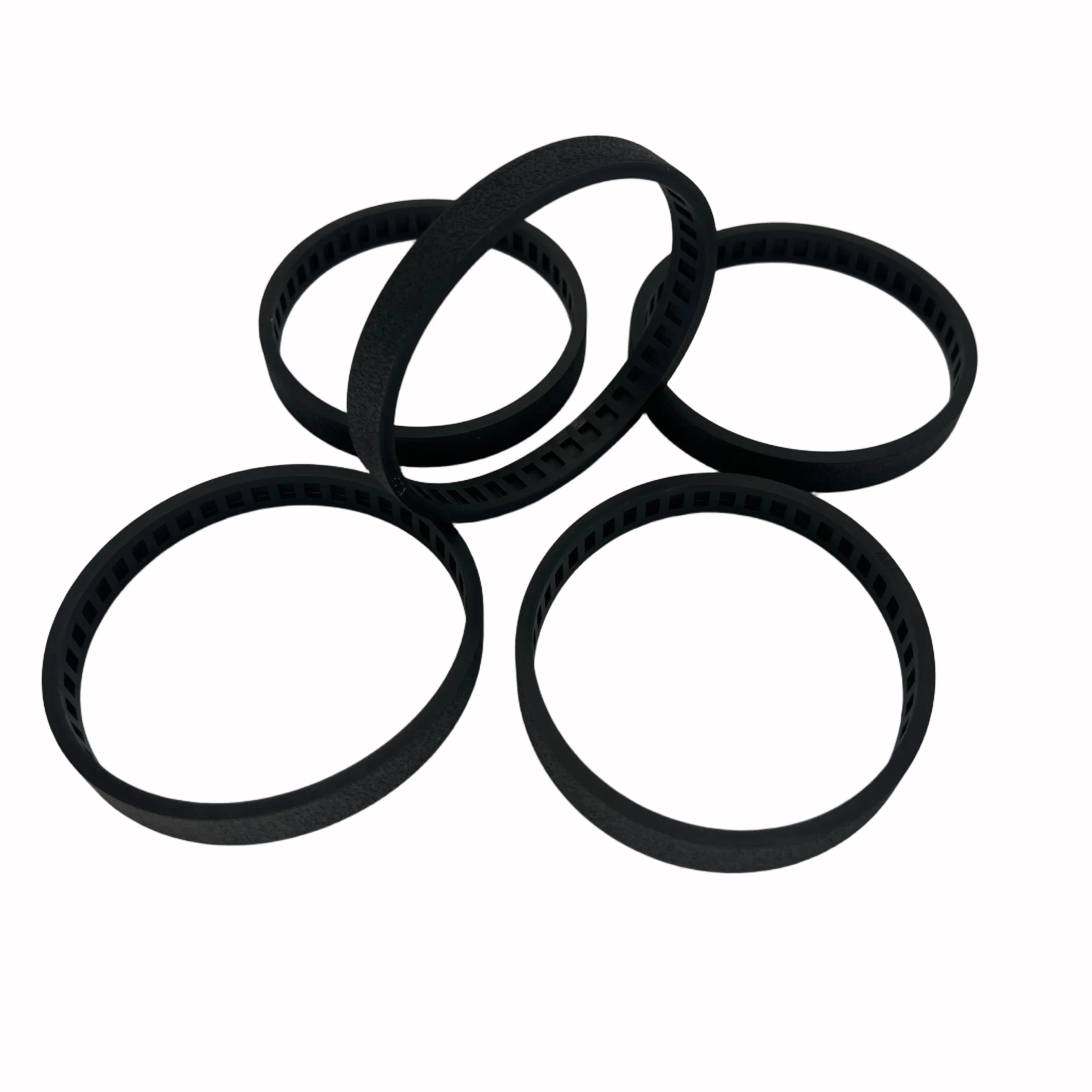
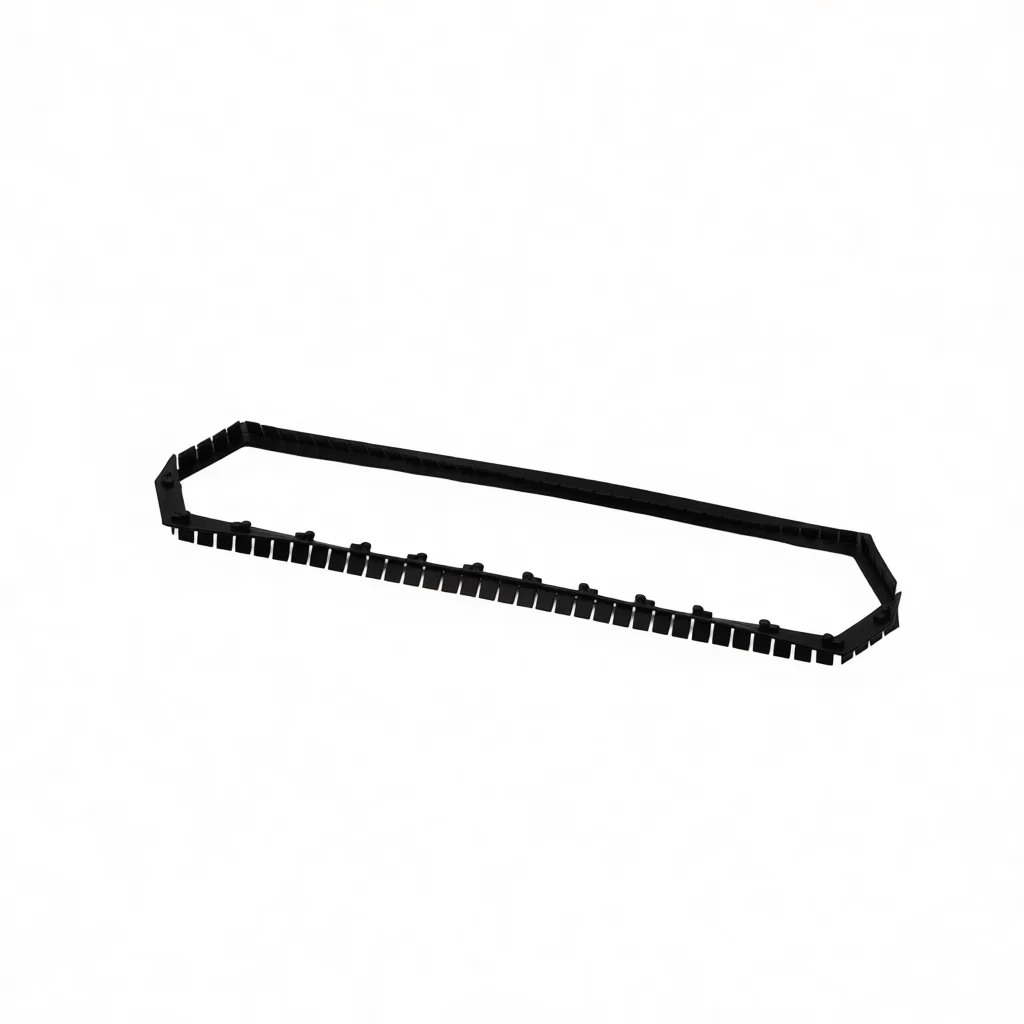
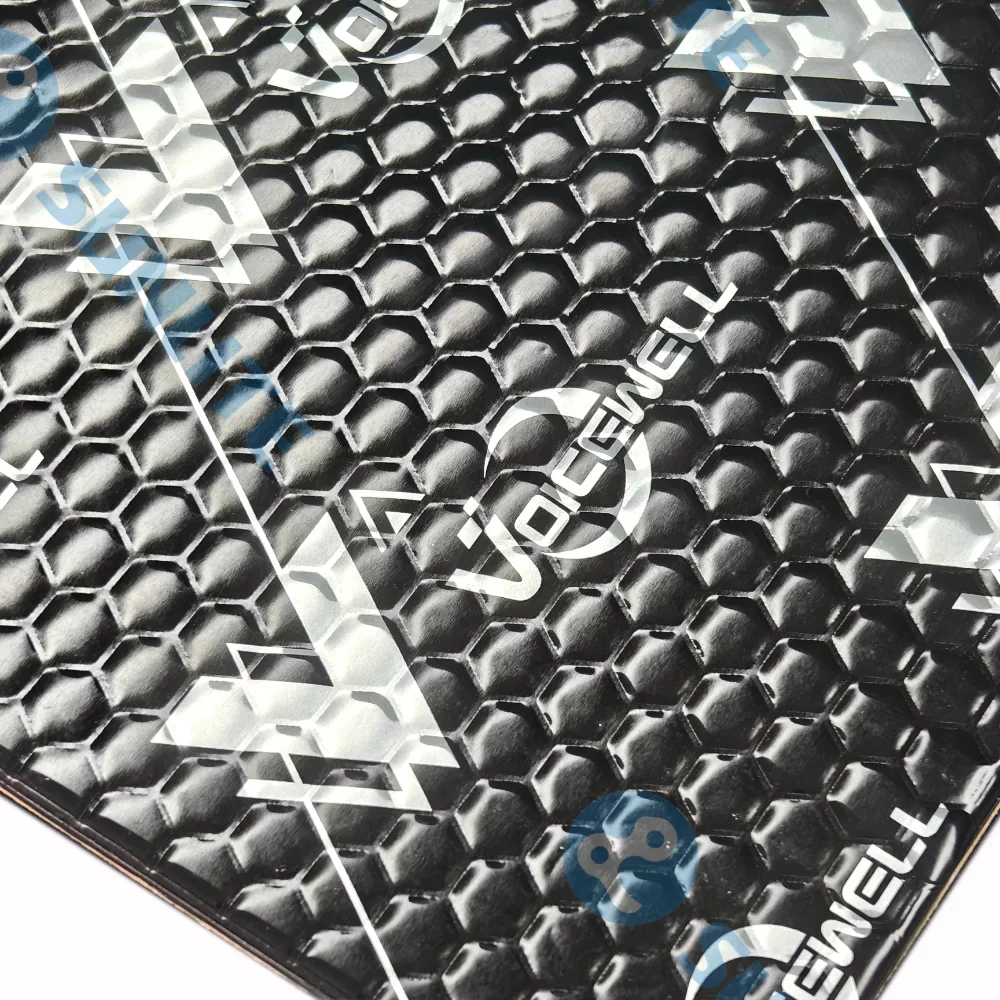
Vibration is the silent enemy of mechanical longevity and user comfort. In high-precision environments, such as electric vehicle (EV) battery packs or sensitive electronic housing, the need for energy dissipation is paramount. However, traditional damping materials often posed a significant fire risk. The development of a halogen-free flame-retardant vibration damper has bridged this gap, offering a component that simultaneously absorbs kinetic energy and resists ignition. By utilizing advanced elastomers like EPDM or TPE, manufacturers can create dampers that maintain their elasticity over a wide temperature range while ensuring that they do not contribute to the spread of fire.
The "halogen-free" aspect of these dampers is particularly critical in enclosed spaces. Traditional halogenated flame retardants, while effective at stopping fire, release corrosive and highly toxic gases like hydrogen chloride or hydrogen bromide when burned. These gases can be more lethal than the fire itself and can destroy expensive electronic circuitry. By opting for a halogen-free solution, engineers ensure that in the event of a thermal runaway or electrical short, the smoke produced is minimal and non-toxic. This characteristic is vital for complying with modern safety standards and protecting both human life and high-value infrastructure.
Environmental Compliance and the Non-Halogen Fire-Resistant Damping Pad
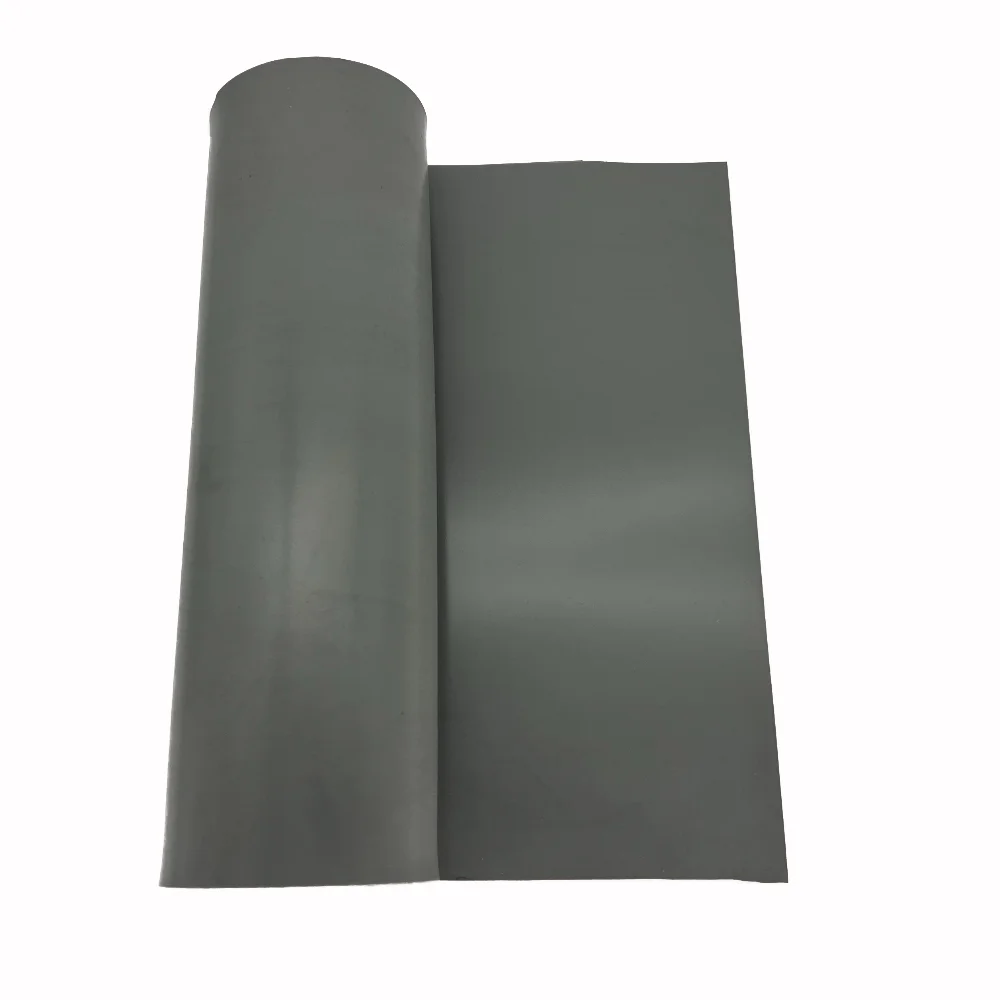
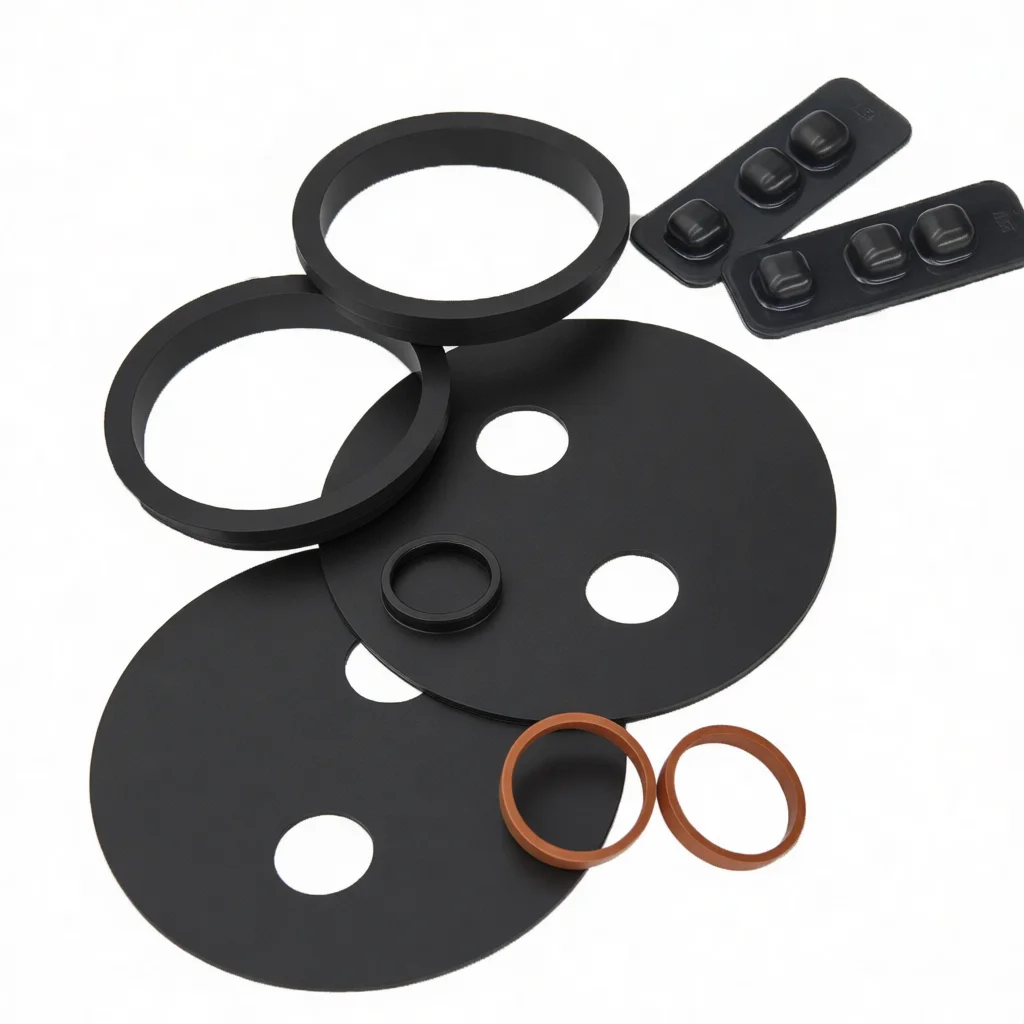
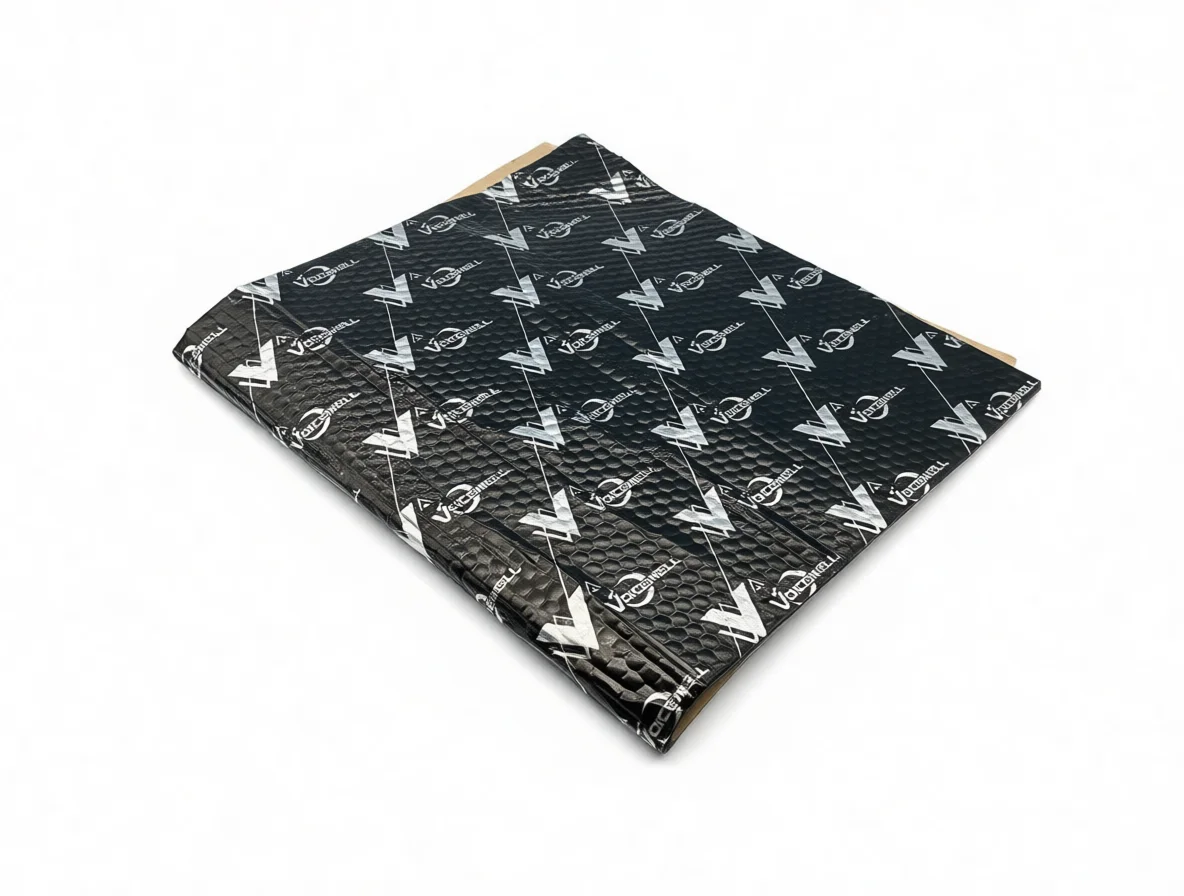
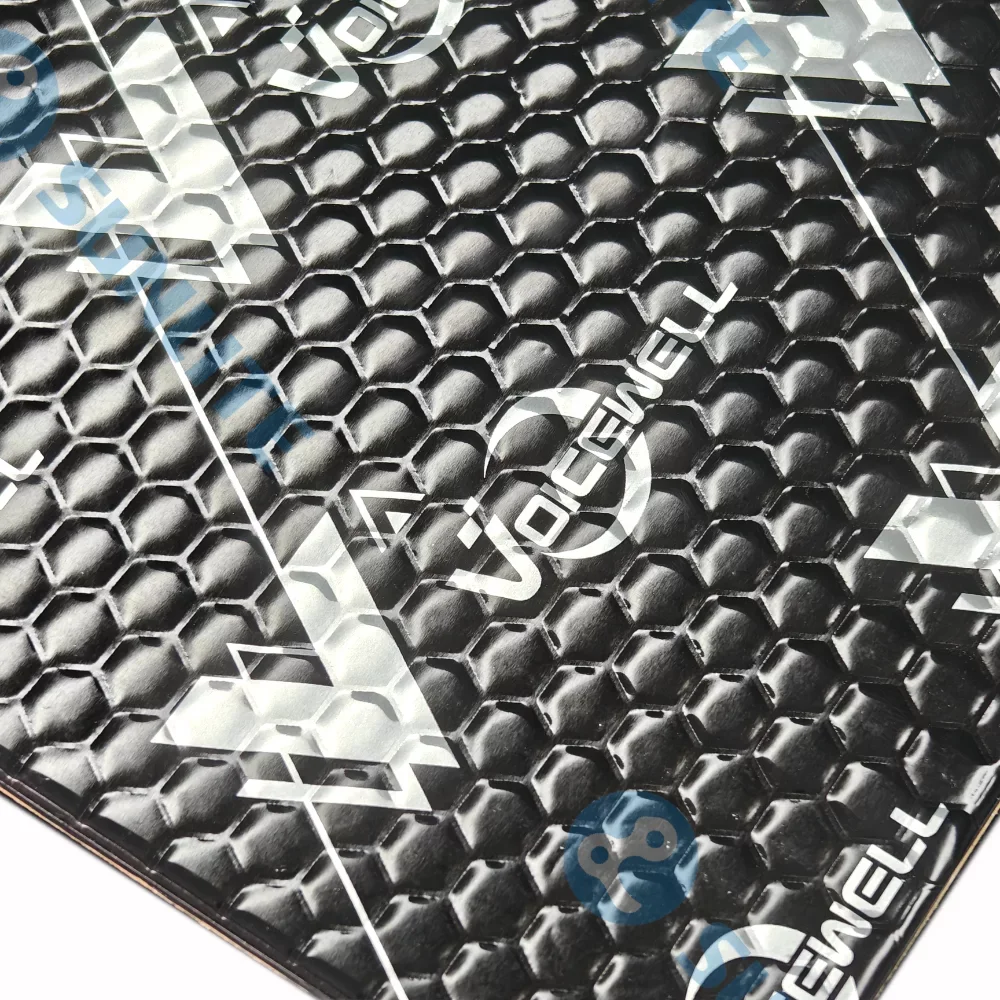
As global environmental regulations such as RoHS 2.0, REACH, and PFAS restrictions become more stringent, procurement departments are under increasing pressure to source materials that are "future-proof." The non-halogen fire-resistant damping pad has emerged as a preferred solution for B2B applications where sustainability is a core requirement. These pads are designed to be used in flooring, paneling, and structural joints, providing a secondary layer of fire protection while reducing acoustic noise and mechanical resonance. Because they are free from restricted substances, they allow manufacturers to export products globally without fear of regulatory non-compliance.
The characteristic of non-toxicity extends beyond the fire event. Throughout the lifecycle of a non-halogen fire-resistant damping pad, from manufacturing to end-of-life recycling, the absence of halogens means fewer hazardous byproducts are released into the environment. This aligns with the "Circular Economy" goals of many multinational corporations. Furthermore, these materials are often resistant to aging, UV exposure, and chemical spills, ensuring that the damping performance does not degrade over time. This longevity reduces the frequency of replacement, leading to lower maintenance costs and a reduced environmental footprint for the end-user.
Maximizing Durability with the Fire-Retardant Rubber Damper RoHS Compliant
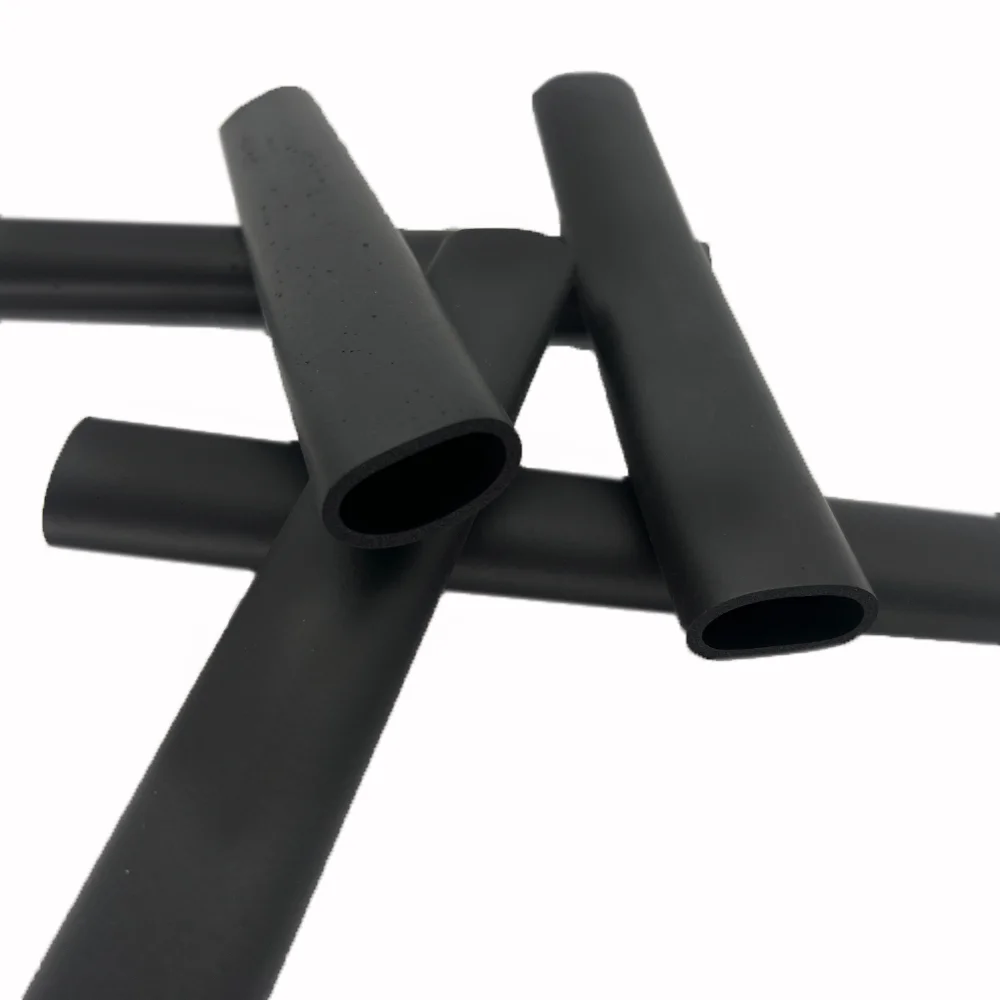
In heavy-duty industrial applications, such as railway systems or large-scale HVAC units, the mechanical stress on components is immense. A fire-retardant rubber damper RoHS compliant must be able to withstand millions of cycles of compression and tension without losing its flame-retardant properties. The technology behind these dampers involves the use of phosphorus-nitrogen based flame retardants or inorganic hydroxides that do not interfere with the cross-linking of the rubber. This ensures that the mechanical "toughness"—including tensile strength and elongation at break—remains high enough for industrial service.
The RoHS compliance of these rubber dampers is a testament to the elimination of heavy metals and PBB/PBDE flame retardants. In the B2B sector, this compliance is often a mandatory prerequisite for contract bidding. Beyond the legalities, a fire-retardant rubber damper RoHS compliant offers superior heat and sound insulation. In the context of urban infrastructure, this means quieter trains and less noise pollution from rooftop machinery. The ability to provide vibration attenuation while meeting the highest fire safety ratings makes these elastomers the gold standard for modern civil engineering and industrial design.
Innovation in Mobility: Halogen-Free Shock Absorber for EV Applications
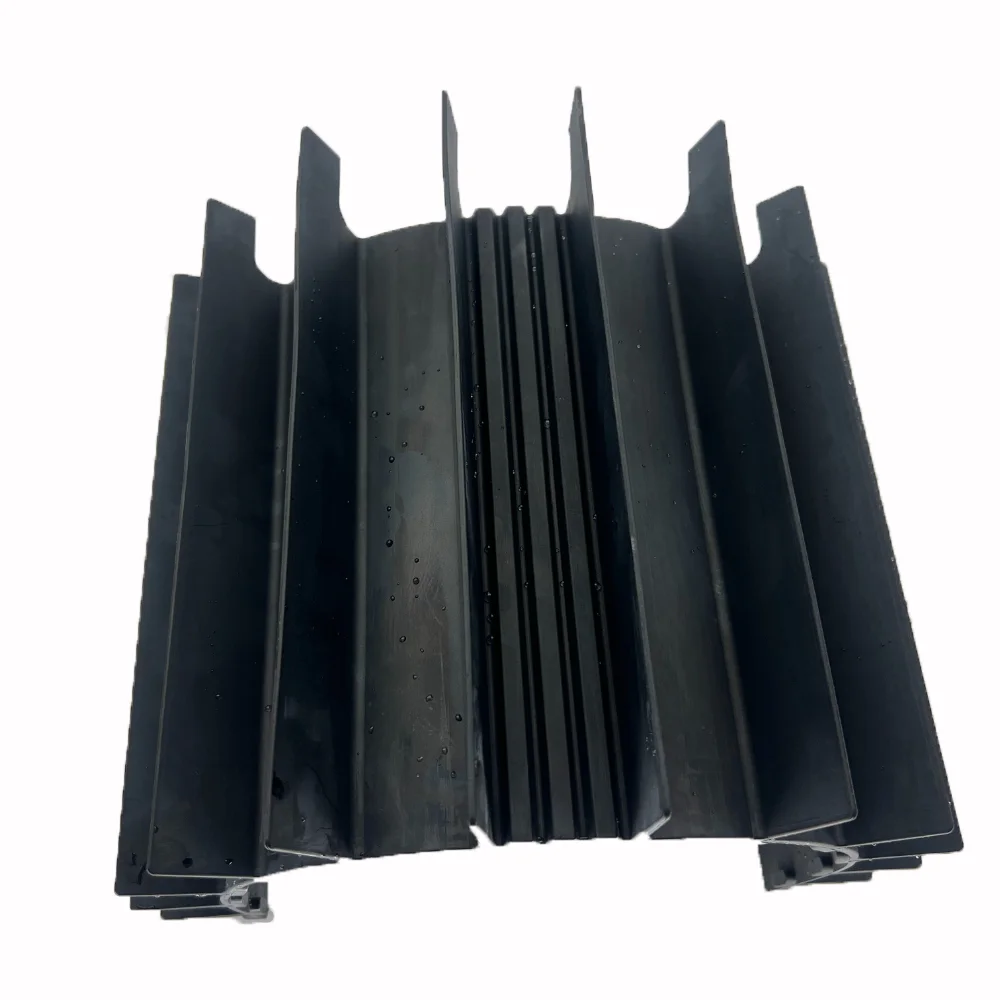
The transition to electric mobility has introduced new thermal management challenges. Battery enclosures require components that can prevent fire propagation while isolating the battery cells from road vibrations. The halogen-free shock absorber for EV applications is a specialized category of elastomer designed specifically for this high-growth market. These absorbers must meet the UL94 V0 rating, the highest level of flame retardancy for plastics, ensuring that they will stop burning within seconds of the flame being removed.
In an EV, weight is also a critical factor. Halogen-free elastomers are often lighter than their metal or halogen-heavy counterparts, contributing to an increased driving range. The chemical stability of a halogen-free shock absorber for EV applications also ensures that it remains functional even when exposed to battery electrolytes or cooling fluids. As the automotive industry moves toward 800V architectures and ultra-fast charging, the electrical insulation properties of these flame-retardant elastomers become even more vital, acting as a critical fail-safe against high-voltage arcing and thermal events.
The Strategic Importance of Advanced Elastomer Selection
The choice of a flame-retardant elastomer is a strategic decision that affects the safety, compliance, and performance of the final product. By integrating materials that feature halogen-free, low-smoke, and non-toxic characteristics, companies can navigate the complex landscape of international environmental laws while delivering a superior product. The synergy between flame retardancy and vibration attenuation allows for more compact and efficient designs, particularly in the electronics and automotive sectors where space is at a premium.
As research continues into bio-based flame retardants and even more efficient carbonization agents, the capabilities of these materials will only expand. For now, the adoption of a halogen-free flame-retardant vibration damper or a non-halogen fire-resistant damping pad represents the best practice in modern engineering. It is an investment in safety that pays dividends in reliability and brand trust.
Vibration is the silent enemy of mechanical longevity and user comfort. In high-precision environments, such as electric vehicle (EV) battery packs or sensitive electronic housing, the need for energy dissipation is paramount.