The modern cleaning landscape is increasingly reliant on automated solutions, and at the forefront of this revolution is the robot roller brush. These seemingly simple components are critical for maintaining the efficiency and effectiveness of robotic cleaning systems across a diverse range of applications, from domestic vacuum cleaners to large-scale industrial floor scrubbers. Understanding their design, function, and evolution is vital for anyone involved in robotics, manufacturing, or even simply seeking the best possible cleaning performance.
The global market for robotic cleaning solutions is experiencing substantial growth, driven by factors like increased disposable incomes, a growing aging population, and a heightened awareness of hygiene. According to Statista, the global robot vacuum cleaner market size was valued at USD 6.5 billion in 2023 and is projected to reach USD 16.4 billion by 2032, exhibiting a CAGR of 10.6% during the forecast period. This rapid expansion places significant demand on components like the robot roller brush, which directly impacts the cleaning power and overall user experience.
This demand highlights a critical challenge: ensuring the consistent quality, durability, and optimal performance of these brushes. Poorly designed or manufactured robot roller brushes can lead to decreased cleaning efficiency, increased maintenance costs, and ultimately, customer dissatisfaction. This necessitates a deeper dive into the intricacies of these essential robotic components.
Introduction to Robot Roller Brush
The robot roller brush, often a seemingly overlooked component, is the primary interface between a robotic cleaning system and the surface being cleaned. Its design and material composition dramatically affect the robot's ability to effectively remove dirt, debris, and other contaminants. Understanding the nuances of these brushes is key to optimizing cleaning performance and extending the lifespan of robotic cleaning devices. robot roller brush materials are constantly evolving to meet these demands.
The importance of the robot roller brush extends beyond simple cleaning efficacy. Factors like bristle stiffness, brush diameter, and overall construction directly influence the robot's energy consumption, noise levels, and even its ability to navigate various floor types. Therefore, selecting and maintaining the appropriate roller brush is a critical aspect of robotic cleaning system optimization.
Defining the Robot Roller Brush
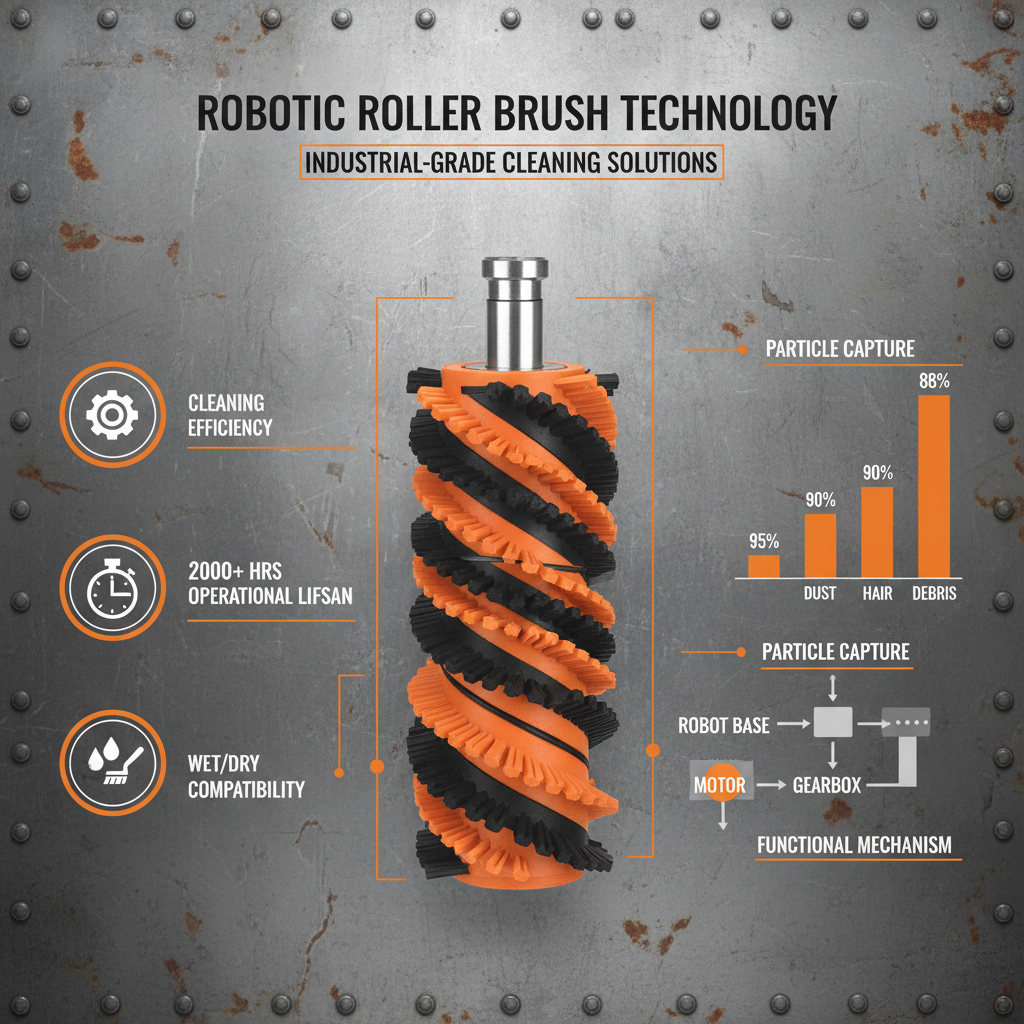
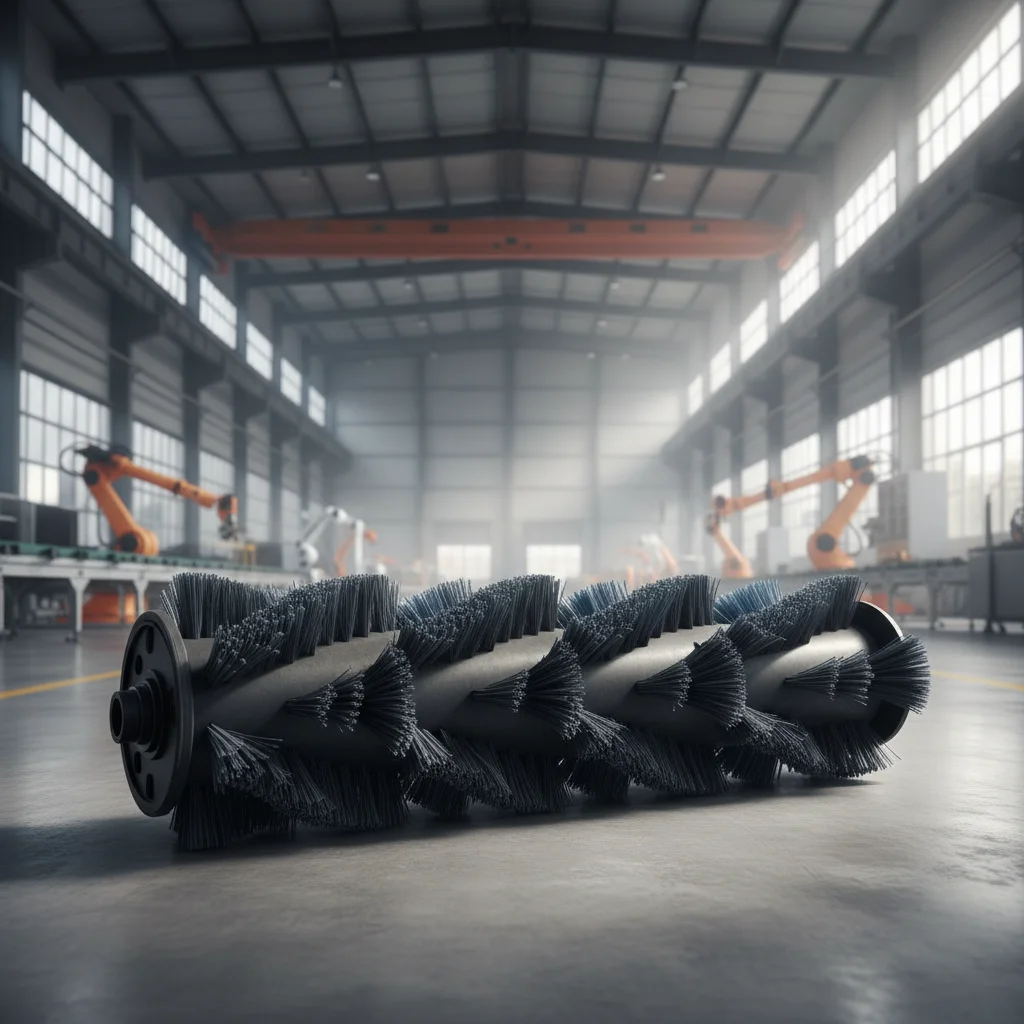
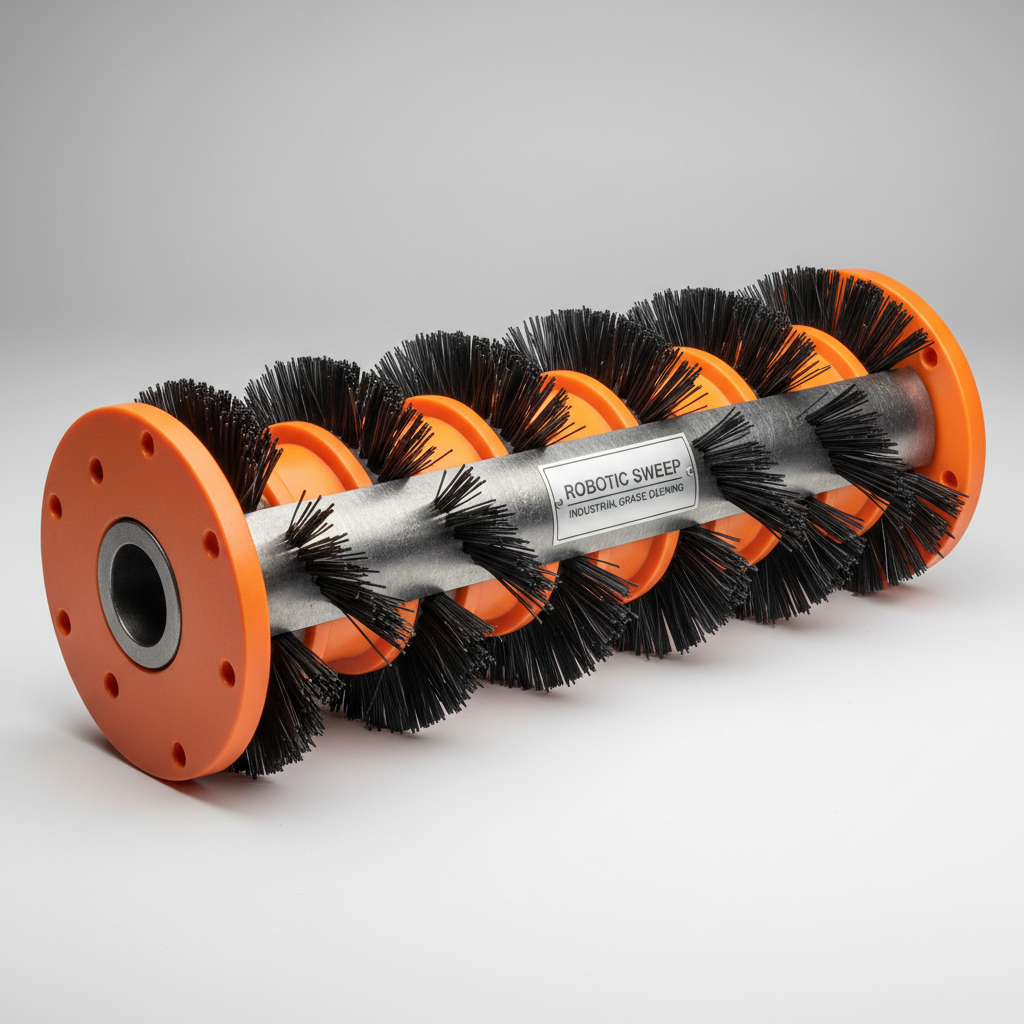
A robot roller brush is a cylindrical brush assembly used in robotic vacuum cleaners, floor scrubbers, and other automated cleaning devices. Its primary function is to agitate and lift dirt, dust, and debris from surfaces, making it easier for the robot's suction or cleaning solution to remove them. Unlike traditional brushes, these are specifically engineered for dynamic robotic movements and varying floor surfaces.
The core components of a robot roller brush typically include a central core, bristles (made from materials like nylon, polypropylene, or rubber), and end caps to secure the bristles. More advanced designs may incorporate features like anti-tangle technology to prevent hair and fibers from wrapping around the brush, or specialized bristle patterns to enhance cleaning performance on specific surfaces.
The connection to modern industry lies in the increasing demand for automation and efficient cleaning solutions across diverse sectors. From maintaining pristine environments in healthcare facilities to ensuring spotless floors in manufacturing plants, the robot roller brush plays a crucial role in enabling these automated cleaning processes.
Key Factors Influencing Performance
Several key factors influence the performance of a robot roller brush. Durability is paramount, as these brushes are subjected to constant abrasion and wear. High-quality materials and robust construction are essential for ensuring a long lifespan. Another critical aspect is Bristle Stiffness, which affects the brush's ability to effectively agitate and lift dirt. Different floor types require different bristle stiffness levels.
Anti-Tangle Technology is also crucial, especially for homes with pets or individuals with long hair. Brushes that minimize hair entanglement reduce maintenance requirements and improve cleaning efficiency. Furthermore, Brush Diameter and Brush Speed impact the coverage area and the intensity of cleaning action. Optimizing these parameters is vital for maximizing cleaning performance.
Finally, Material Composition plays a significant role. The choice of bristle material (nylon, polypropylene, rubber, etc.) impacts the brush's ability to clean different surfaces without causing damage. The core material also influences the brush's structural integrity and resistance to wear. A well-designed robot roller brush balances all these factors for optimal performance.
Global Applications and Use Cases
The applications of the robot roller brush are widespread and continue to expand. In residential settings, they are integral to robotic vacuum cleaners, providing automated floor cleaning for busy households. In commercial environments, these brushes are utilized in industrial floor scrubbers, cleaning large areas in factories, warehouses, and shopping malls.
Beyond these common applications, robot roller brushes are finding use in specialized fields. For example, in healthcare facilities, they contribute to maintaining hygienic environments, reducing the spread of infections. In the food processing industry, they assist in maintaining cleanliness standards, ensuring food safety. In post-disaster relief operations, robotic cleaning systems equipped with durable robot roller brushes can help clear debris and sanitize affected areas.
Geographically, the demand for robot roller brushes is highest in developed countries with high rates of automation and disposable income, such as the United States, Japan, and Germany. However, emerging economies like China and India are also experiencing rapid growth in the robotic cleaning market, creating new opportunities for manufacturers and suppliers.
Robot Roller Brush Performance Comparison
Advantages and Long-Term Value
The advantages of using high-quality robot roller brushes are numerous. Cost efficiency is a major benefit, as durable brushes require less frequent replacement, reducing overall maintenance expenses. Sustainability is also enhanced by using long-lasting brushes, minimizing waste. Reliability translates to consistent cleaning performance and reduced downtime.
Beyond these tangible benefits, robot roller brushes contribute to improved hygiene, creating healthier living and working environments. The convenience of automated cleaning enhances quality of life, freeing up valuable time for other activities. The trust that comes with reliable and efficient cleaning fosters customer satisfaction and loyalty.
Future Trends and Innovations
The future of robot roller brush technology is focused on enhancing performance, durability, and sustainability. Researchers are exploring new materials, such as biodegradable polymers and advanced composites, to create eco-friendly brushes. Innovations in bristle design, like self-cleaning bristles and variable stiffness bristles, are aimed at improving cleaning efficiency on diverse surfaces.
Integration with smart technologies is also on the horizon. Future robot roller brushes may incorporate sensors to detect debris type and adjust cleaning parameters accordingly. Predictive maintenance algorithms could analyze brush wear and schedule replacements proactively. These advancements will further optimize the performance and longevity of robotic cleaning systems.
Challenges and Solutions
Despite advancements, several challenges remain in robot roller brush technology. Hair entanglement continues to be a common issue, requiring ongoing innovation in anti-tangle designs. Wear and tear from abrasive surfaces can reduce brush lifespan, necessitating the development of more durable materials.
One solution lies in exploring new bristle geometries and materials that minimize hair wrapping and resist abrasion. Another approach involves incorporating self-cleaning mechanisms into the brush design. Furthermore, developing more sophisticated algorithms to optimize brush speed and cleaning patterns can help mitigate wear and tear. robot roller brush manufacturers are actively addressing these challenges.
Another challenge involves optimizing the brush design for different floor types. A universal brush that performs optimally on all surfaces remains elusive. Future research should focus on developing adaptive brushes that can automatically adjust their cleaning parameters based on the detected floor type.
Table Summarizing Robot Roller Brush Material Performance
| Material Type |
Durability (1-10) |
Anti-Tangle Rating (1-10) |
Cost (Low/Medium/High) |
| Nylon |
7 |
6 |
Low |
| Polypropylene |
6 |
7 |
Low |
| Rubber |
8 |
8 |
Medium |
| Advanced Composite |
9 |
9 |
High |
| Biodegradable Polymer |
5 |
5 |
Medium |
| Carbon Fiber Reinforced |
10 |
7 |
High |
FAQS
The replacement frequency of your robot vacuum’s roller brush depends on usage and floor type. Generally, every 6-12 months is recommended for optimal performance. Signs you need a replacement include reduced cleaning efficiency, visible wear and tear, or difficulty rotating. Regularly cleaning the brush of hair and debris can extend its lifespan. Prioritizing a quality robot roller brush can also increase longevity.
Rubber roller brushes excel on hard floors, providing excellent grip and preventing scratches. They’re also better at capturing fine dust and debris. Bristle roller brushes are more effective on carpets, agitating fibers to lift embedded dirt. Many robot vacuums come with interchangeable brushes to handle different floor types. Selecting the right robot roller brush for the job is crucial.
Regularly cleaning the roller brush after each use is the best preventative measure. Many robots have a tool for removing hair and debris. Look for roller brushes with anti-tangle technology, which incorporate features to minimize hair wrapping. Trimming pet hair and removing cords from the floor can also help. A high-quality robot roller brush is designed to minimize tangling.
Yes, aftermarket robot roller brushes are available, but quality can vary significantly. It's crucial to choose a reputable brand that offers brushes compatible with your robot vacuum model. Using a low-quality brush can damage your robot or reduce cleaning performance. Check reviews and ensure the brush meets the manufacturer’s specifications.
Common materials include nylon, polypropylene, and rubber. Nylon is durable and versatile, suitable for various surfaces. Polypropylene is cost-effective and good for hard floors. Rubber offers excellent grip and is gentle on floors. Advanced materials like carbon fiber composites are used in high-end models for increased durability and performance. robot roller brush material selection impacts lifespan and cleaning efficacy.
First, remove the roller brush from the robot. Use the included cleaning tool to cut and remove hair and debris wrapped around the brush. You can also use scissors carefully. For a deeper clean, wash the brush with mild soap and water, ensuring it’s completely dry before reinstalling. Regularly maintaining your robot roller brush will significantly improve its performance and longevity.
Conclusion
In conclusion, the robot roller brush is a critical component in the rapidly evolving world of automated cleaning. Its performance is influenced by a multitude of factors, including material composition, bristle design, and anti-tangle technology. Understanding these factors is essential for maximizing cleaning efficiency, extending brush lifespan, and ensuring a positive user experience. The ongoing innovation in materials and designs promises even more effective and sustainable cleaning solutions in the future.
As robotic cleaning systems become increasingly prevalent, the importance of the robot roller brush will only continue to grow. Investing in high-quality brushes and adopting proper maintenance practices are essential for reaping the full benefits of this technology. We encourage you to explore our range of advanced robot roller brush solutions at www.sunlitetek.com to discover how we can help you achieve optimal cleaning performance.

 Select Language