

 Select Language
Rubber Material is a high-elasticity engineering material known for its excellent fatigue resistance and weather durability. Since its industrialization, it has played a critical role across multiple engineering fields. Thanks to its unique physical and chemical properties, rubber is widely used in modern vibration control, sealing design, acoustic insulation systems, and dynamic structural optimization, demonstrating exceptional adaptability under complex operating conditions.
In many engineering applications, the use of rubber material not only enhances product performance but also delivers significant environmental and cost benefits. As industrial requirements continue to evolve, rubber materials have progressively advanced toward higher-performance functions—particularly in noise control, vibration absorption, high-temperature resistance, and flame retardancy. SunliteTek’s rubber material application system is a representative example. By optimizing compound formulations, molecular structures, and filler systems, rubber materials can be engineered to meet diverse performance demands, including high damping, thermal resistance, chemical resistance, and flame-retardant properties.
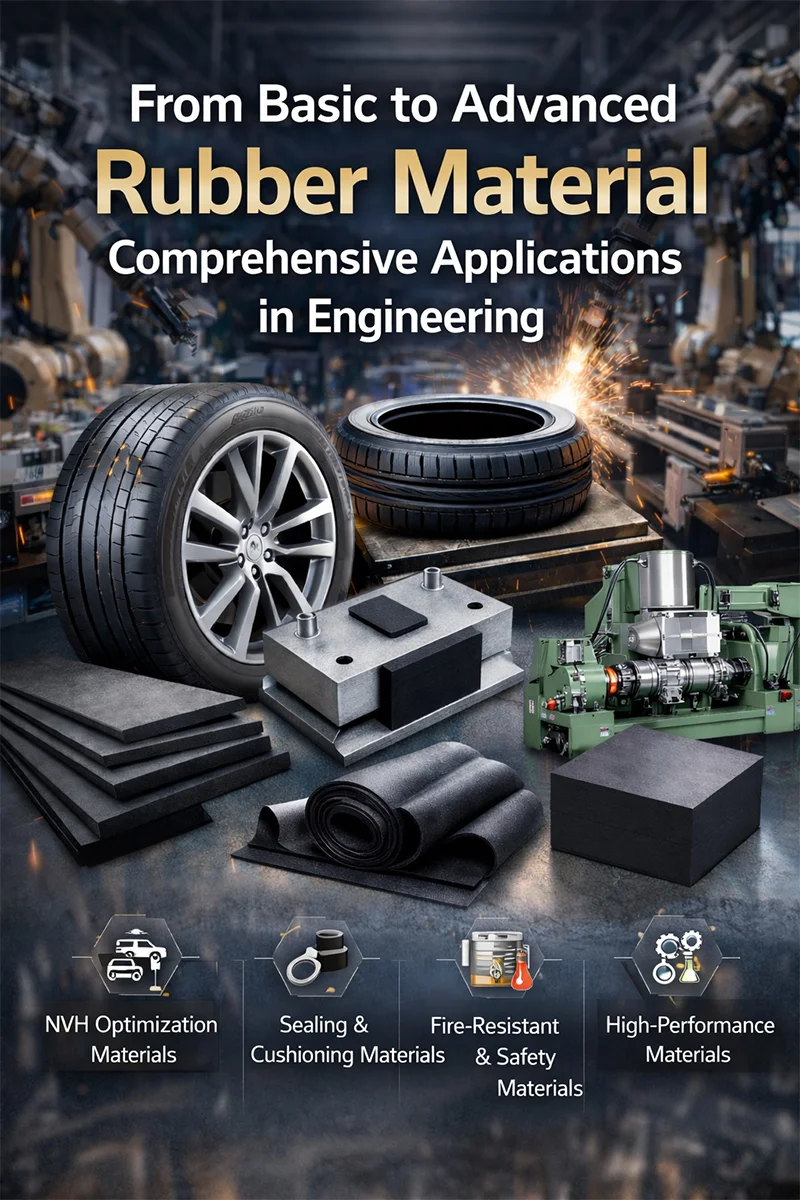
Physical and Chemical Properties and Engineering Advantages of Rubber Materials
The outstanding performance of rubber material makes it a key engineering material across industries. In addition to excellent elasticity and deformation capability, rubber effectively absorbs external energy, reducing vibration and noise while improving equipment stability and extending service life. Under harsh working conditions, its superior aging resistance, heat resistance, and environmental compatibility make rubber the preferred choice for many high-end applications.
Across aerospace, automotive, construction, and electronics industries, rubber material is widely adopted. Its high elasticity enables effective isolation of vibration, noise, temperature, and humidity, providing reliable and long-term performance support.
Functional Classification and Engineering Applications of Rubber Materials
In modern engineering, different functional grades of rubber material are designed to meet diversified requirements. Based on performance characteristics, rubber materials can be classified as follows:
NVH Optimization Materials (Noise, Vibration, and Harshness Control)
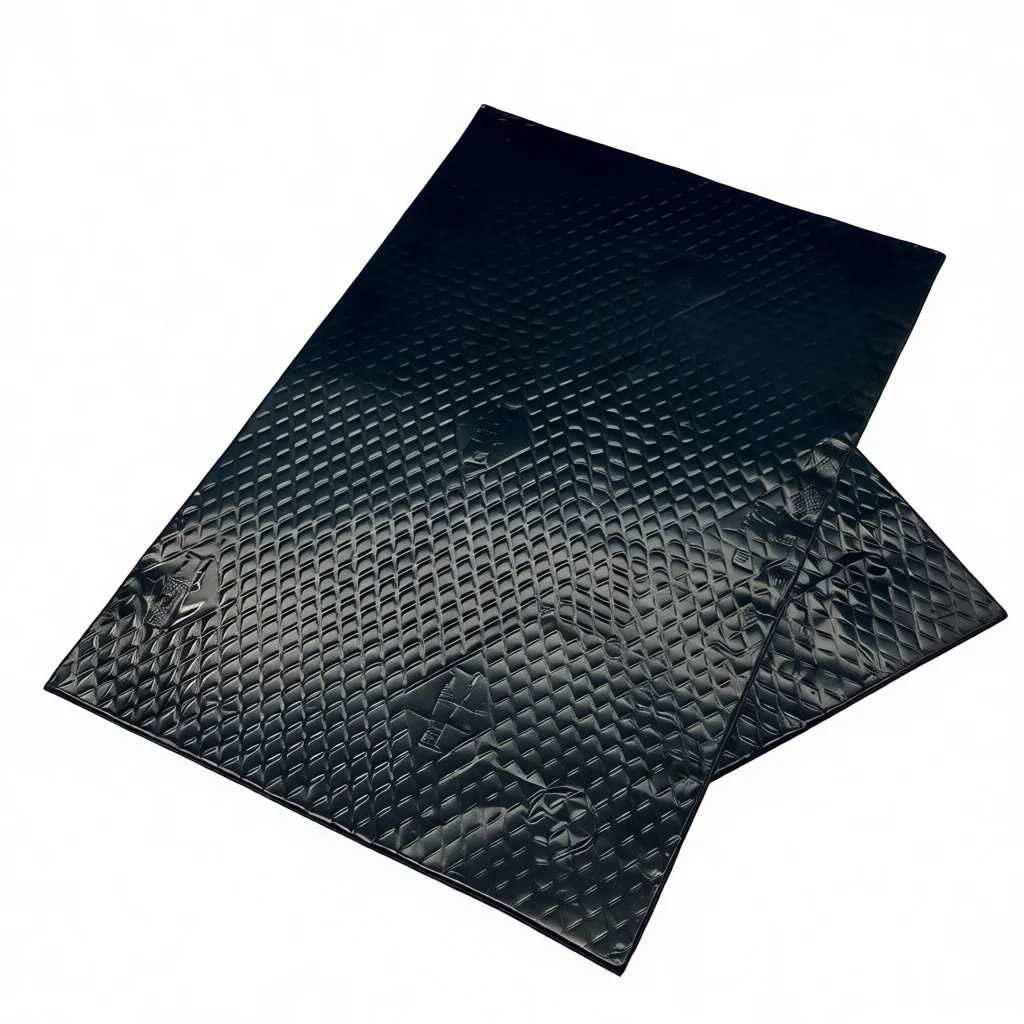
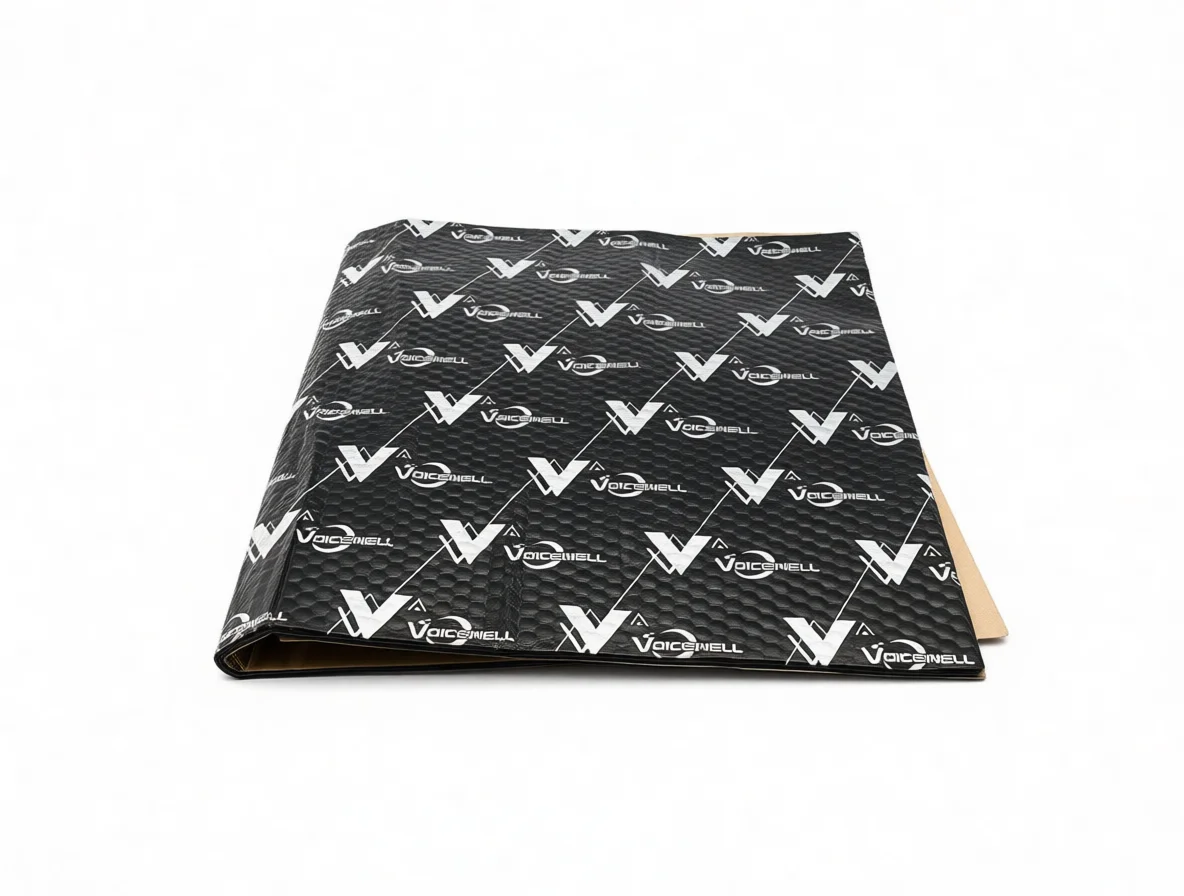
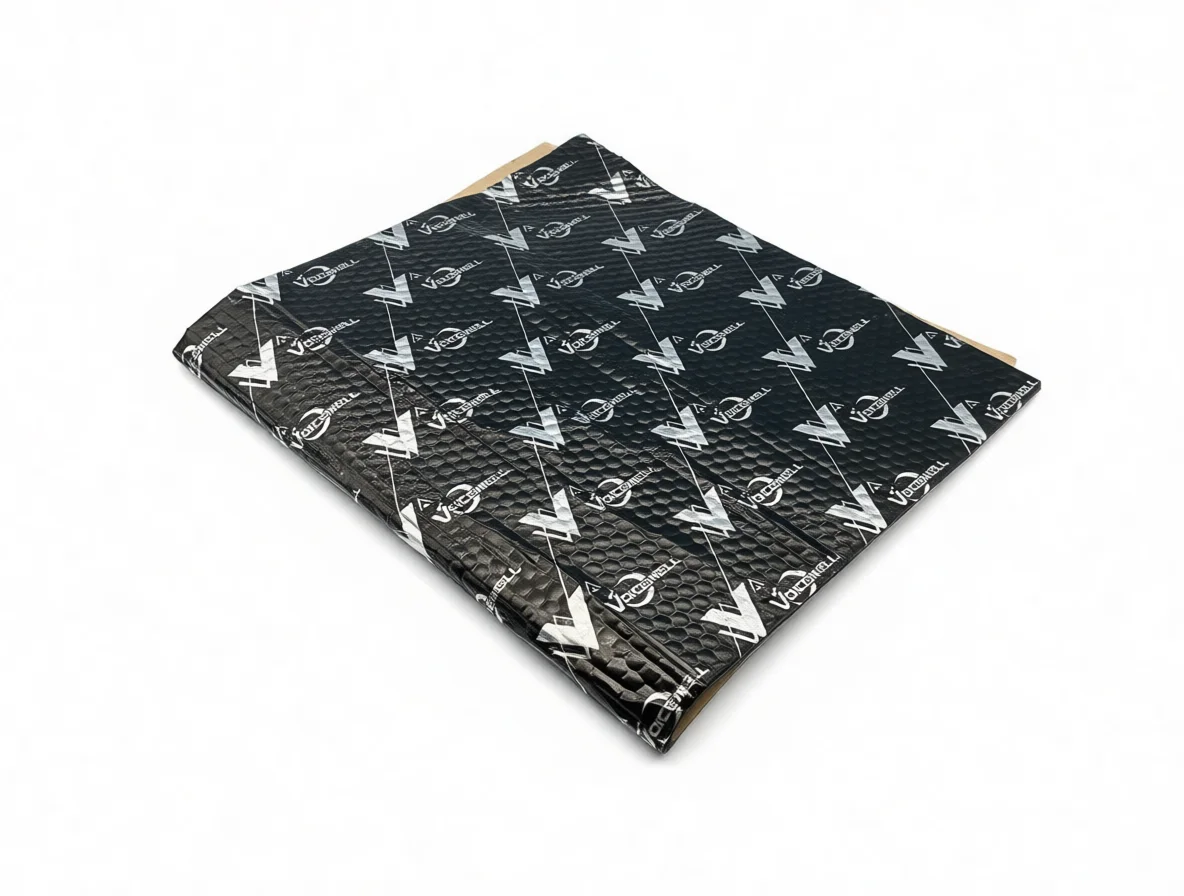
The high loss factor of rubber material provides a unique advantage in noise and vibration control. Through appropriate compound selection, operational noise can be significantly reduced, structural resonance suppressed, and overall acoustic performance improved—enhancing comfort in both operation and occupancy.
Sealing and Cushioning Materials
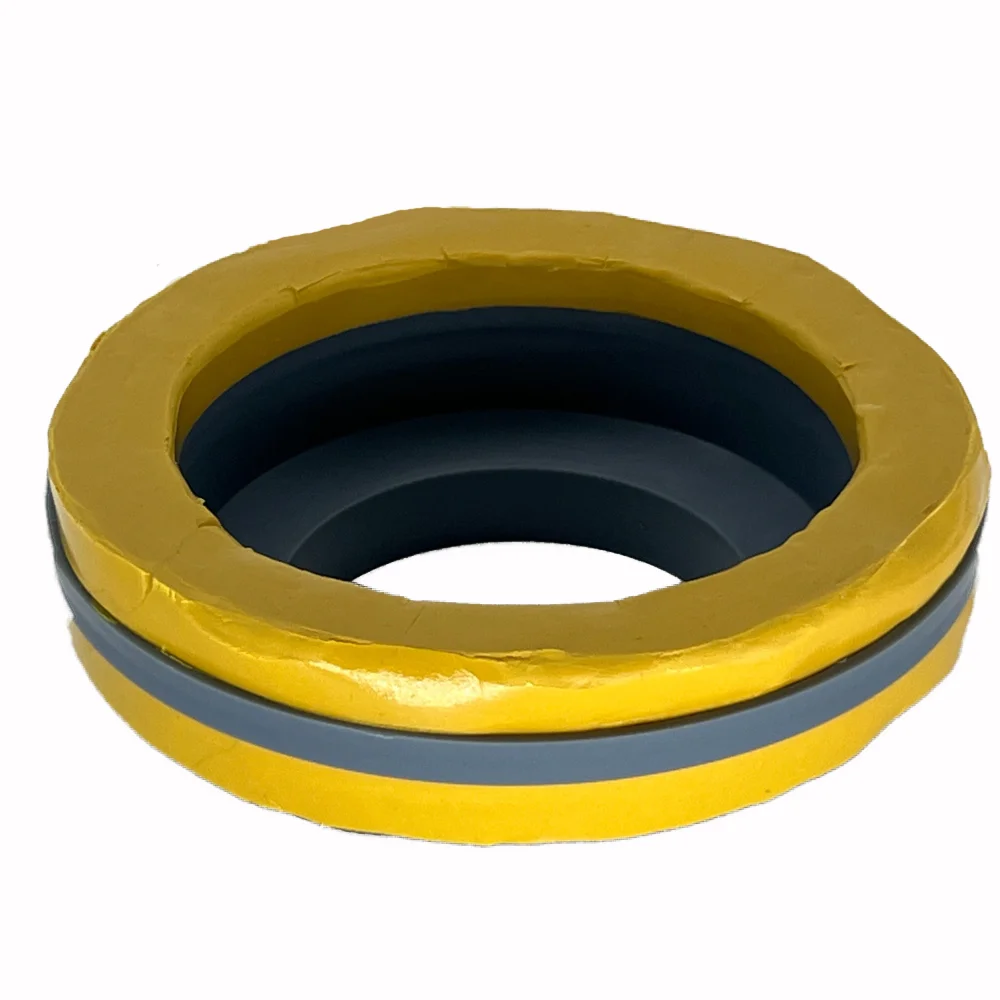
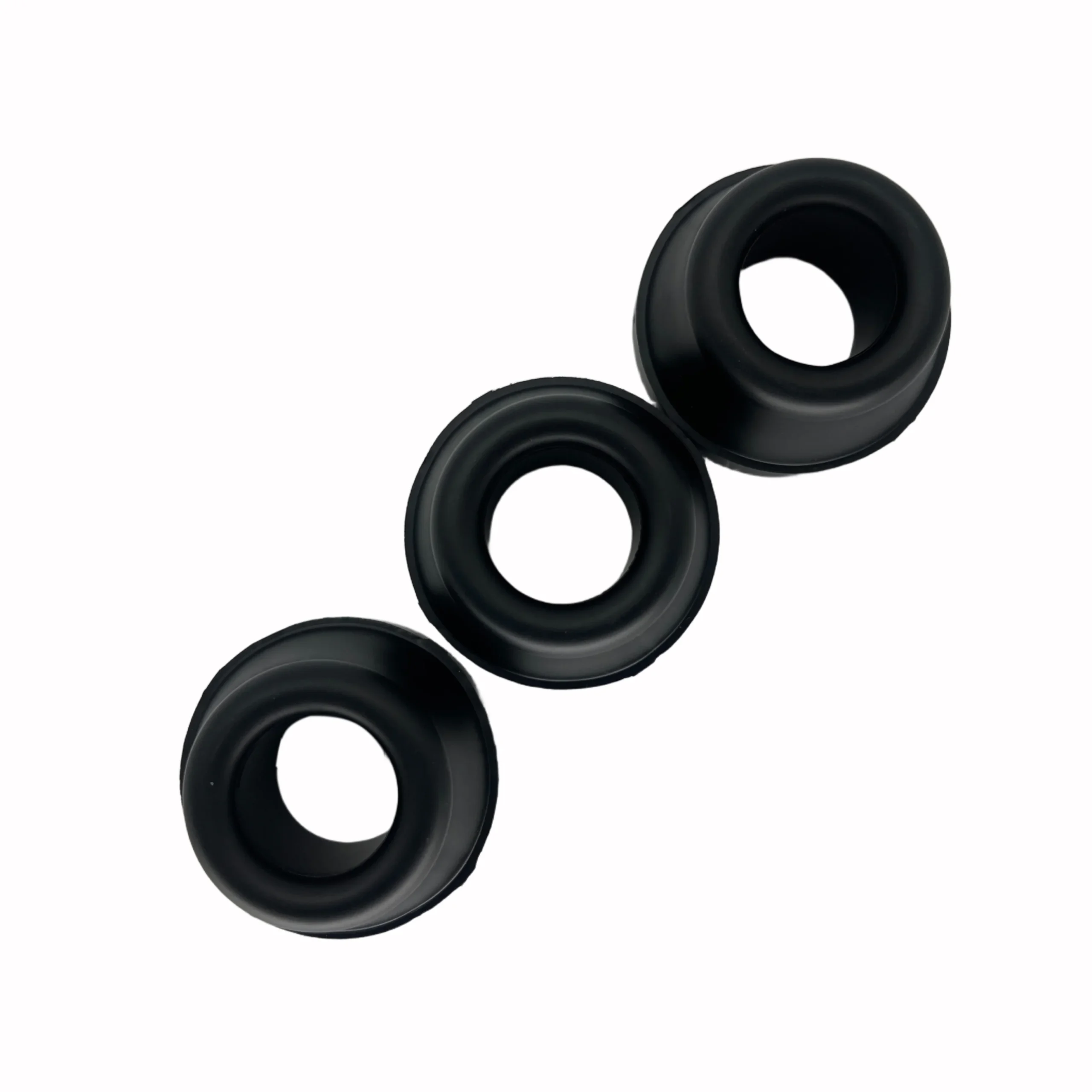
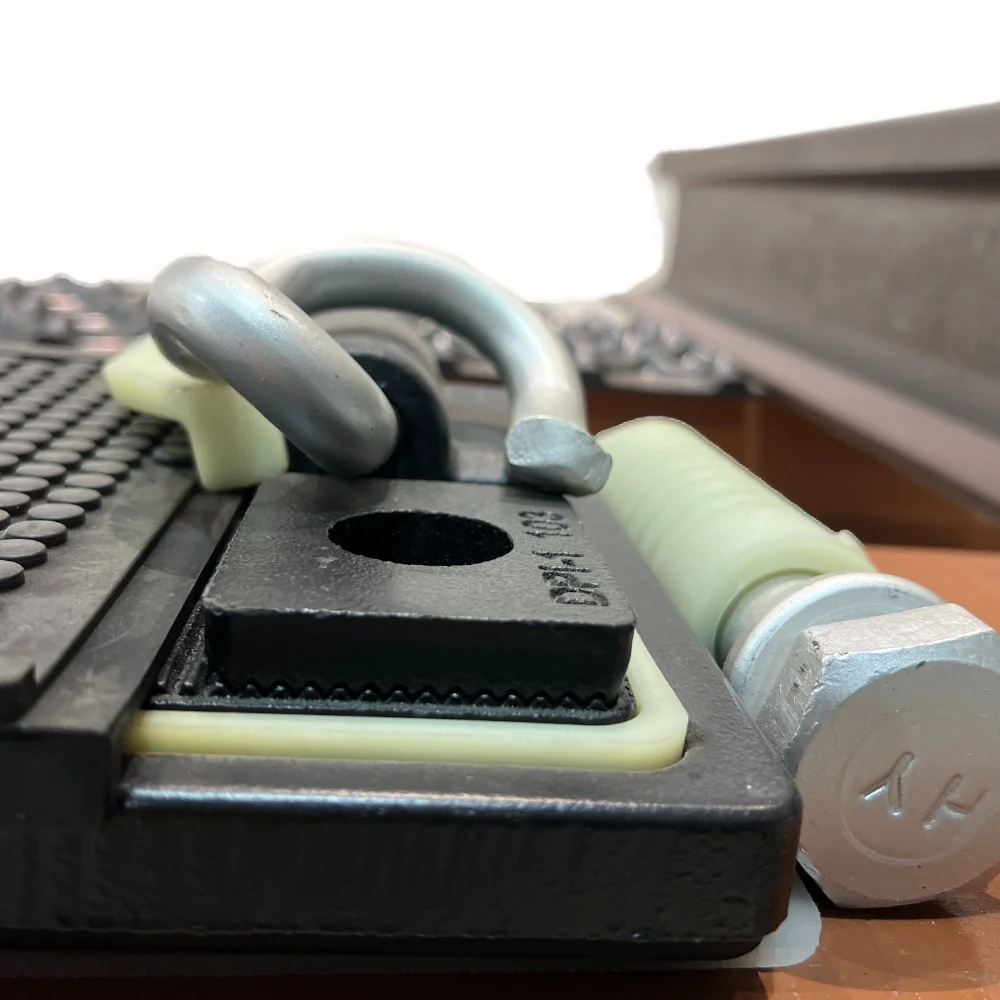
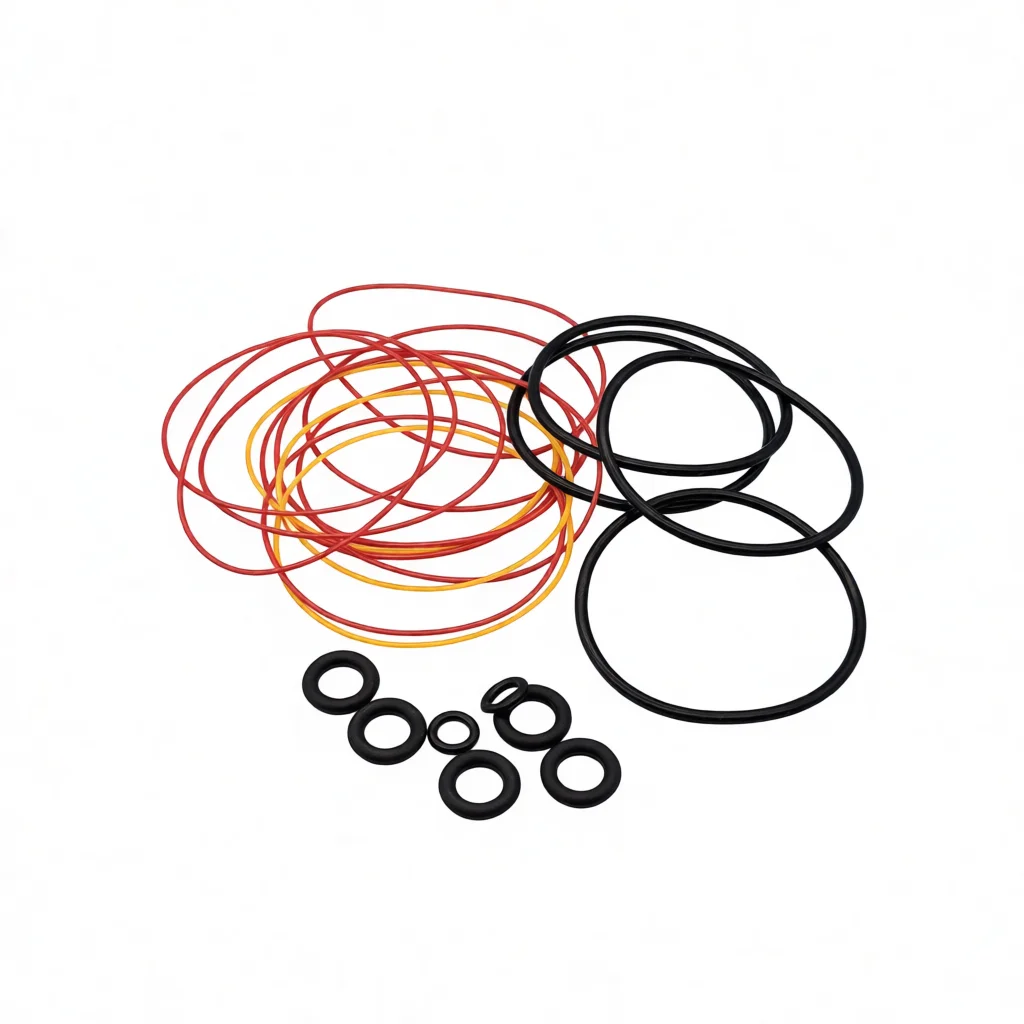
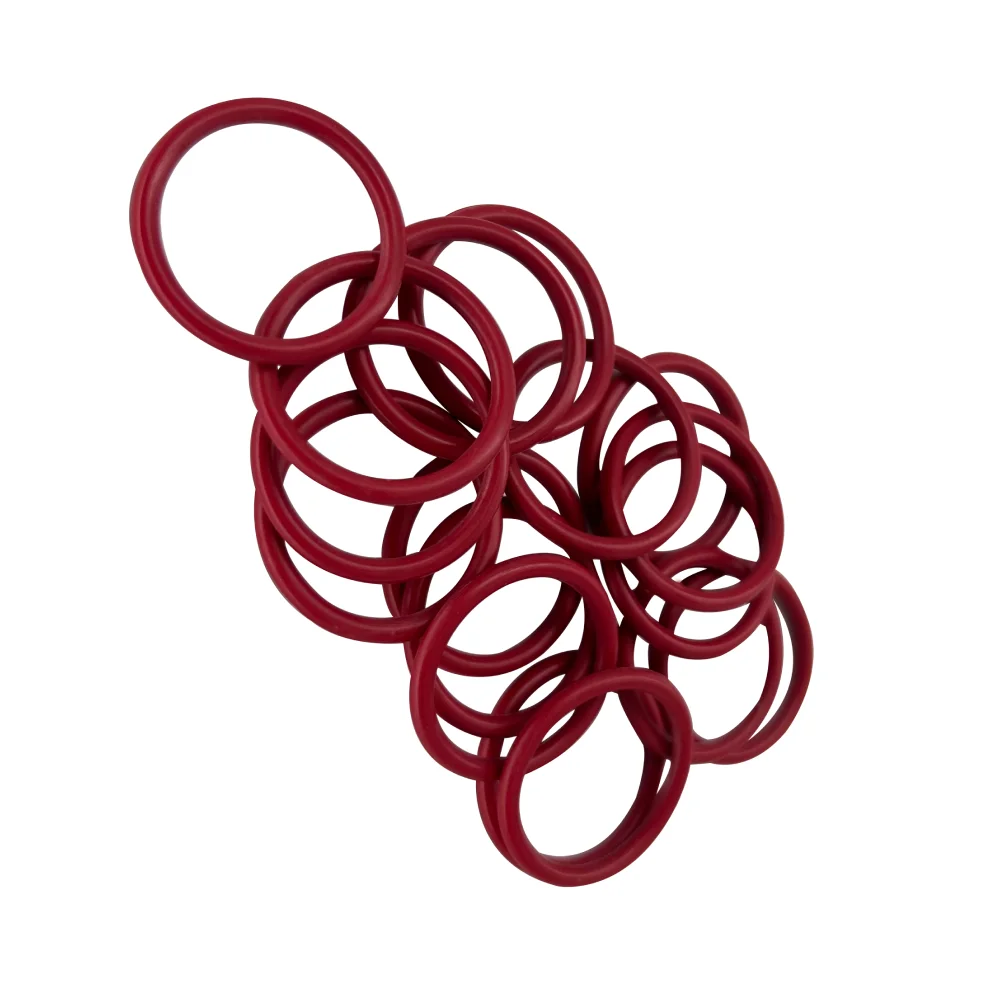
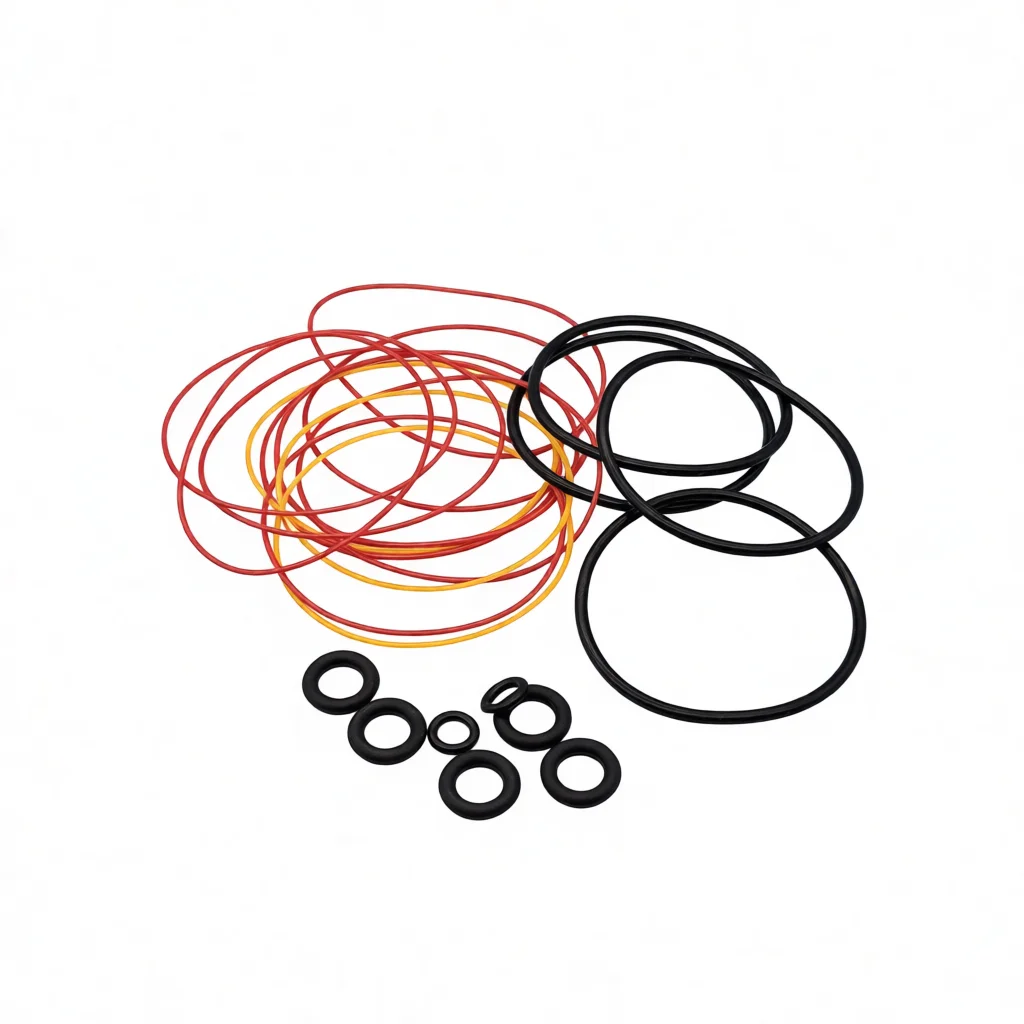
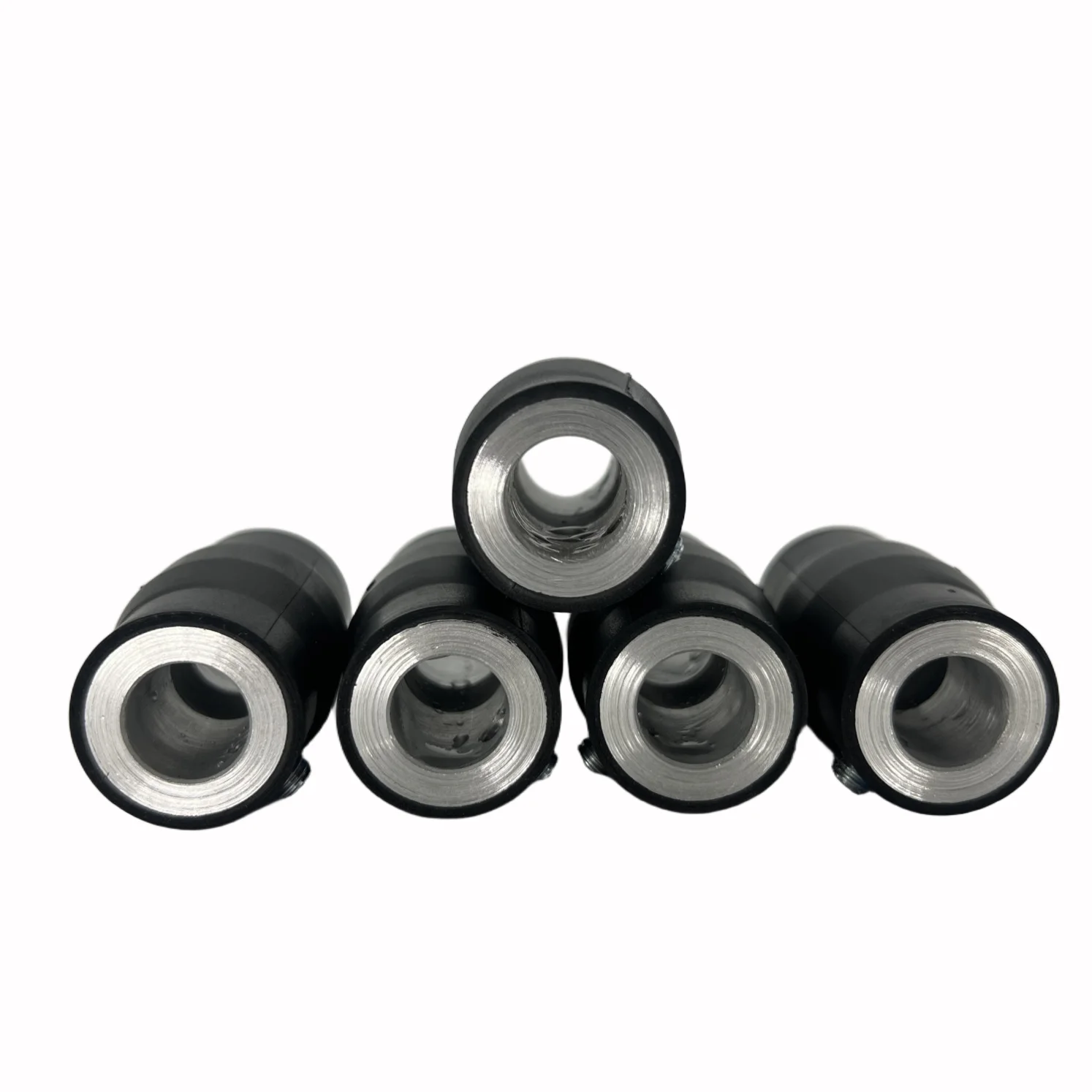
Rubber material is commonly used in vibration pads, sealing rings, and dynamic mechanical joints. It effectively prevents fluid and air leakage while providing cushioning and sealing functions. With proper material selection and structural design, rubber sealing and buffering performance can be significantly improved, especially in high-pressure and high-temperature environments where durability is critical.
Flame-Retardant and Safety Materials
With increasing industrial safety requirements, flame retardancy has become a key performance indicator for rubber material. By incorporating halogen-free flame retardants, rubber safety performance under high-temperature conditions is greatly enhanced, helping to prevent flame propagation during fire incidents. Applications include battery module protection pads and sealing components for electrical equipment, where safety and stability are essential.
High-Performance Rubber Materials
High-performance rubber material offers excellent aging resistance, thermal stability, and chemical resistance, while maintaining stable dynamic response under extreme conditions. Even in high-frequency vibration, thermal cycling, or hot and humid environments, rubber materials deliver long-term durability and consistent performance, ensuring reliable operation under complex working conditions.
Industry-Specific Application Examples
Automotive Industry
In automotive manufacturing, rubber material is used far beyond tire production. It plays a vital role in vibration damping, sealing, noise control, and high-temperature components. Rubber dampers reduce driving vibration and improve ride comfort, while rubber seals provide water resistance, dust protection, and sound insulation. In electric vehicles, battery protection systems also rely on the flame-retardant and sealing properties of rubber materials.
Construction Industry
In construction, rubber material is primarily used for structural isolation, sealing, and sound insulation systems. In high-rise buildings, bridges, and seismic zones, rubber isolation pads significantly improve earthquake resistance. Rubber seals used in façades, doors, windows, and pipelines reduce air leakage, enhancing energy efficiency and indoor comfort.
Electronics and Electrical Industry
Within the electronics and electrical sector, rubber material is widely used for equipment sealing and protection, including cable insulation, connector sealing, and waterproof components. Rubber’s excellent insulation and corrosion resistance ensure stable performance of electronic equipment in harsh environments.
Aerospace Industry
In aerospace applications, rubber material plays a critical role in sealing systems, aircraft tires, and shock-absorbing components. Its high-temperature resistance and aging stability ensure reliable performance under extreme pressure and temperature conditions, safeguarding operational safety.
Future Outlook: Innovation and Development Trends of Rubber Materials
With continuous technological advancement, the future of rubber material will focus increasingly on high performance, environmental sustainability, and intelligent applications. Advances in material science are unlocking new potential for rubber in aerospace, new energy, and advanced electronics, driving industry-wide innovation.
Environmental performance will be a key development direction. As global environmental regulations become more stringent, recyclability and degradability of rubber material will be major R&D priorities. At the same time, with the rise of industrial automation and intelligent manufacturing, rubber production processes will become more efficient and precise, meeting growing demand for high-performance materials.
Conclusion
Thanks to its unique physical and chemical properties, rubber material plays an indispensable role across engineering applications—from vibration absorption and noise control to sealing and flame retardancy. As material science and manufacturing technologies continue to advance, rubber material will remain a core element of modern industrial design, driving engineering innovation to higher levels.
Rubber Material is a high-elasticity engineering material known for its excellent fatigue resistance and weather durability.