

 Select Language
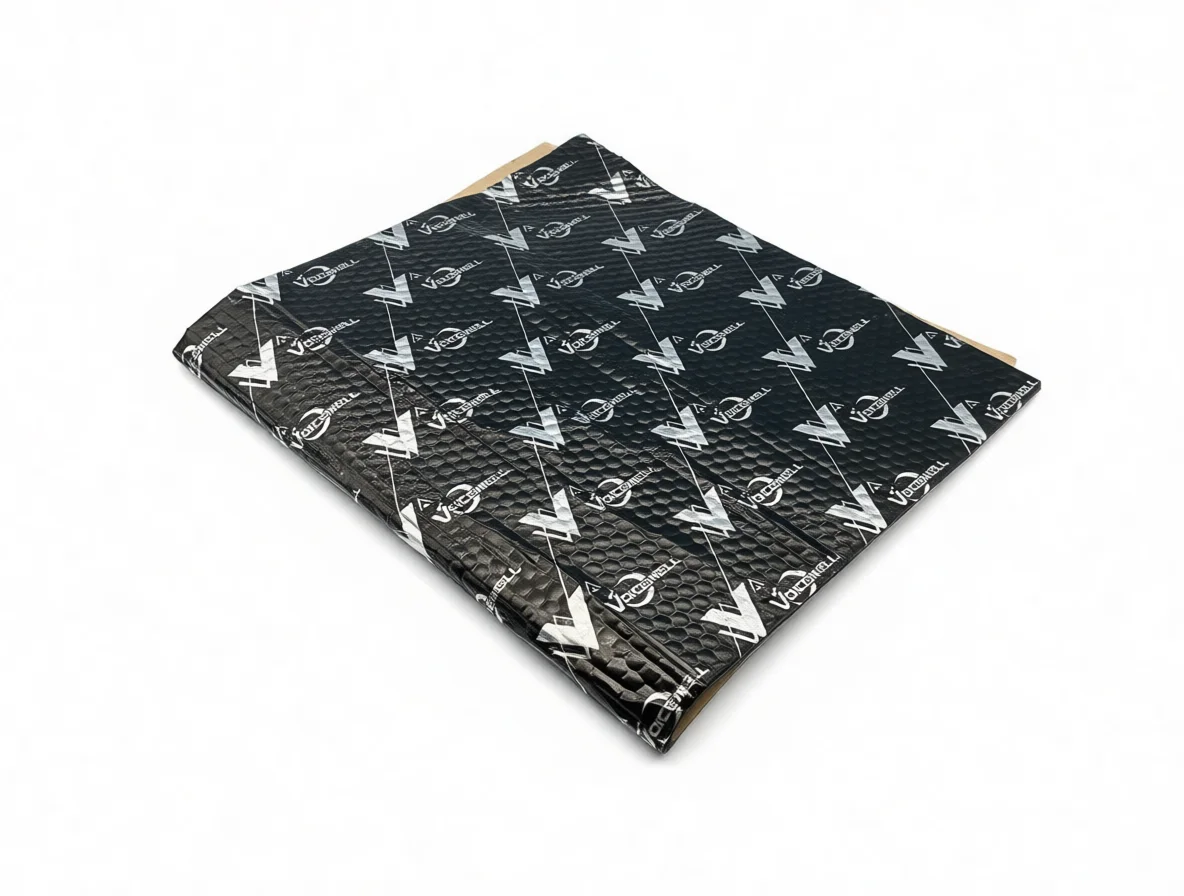
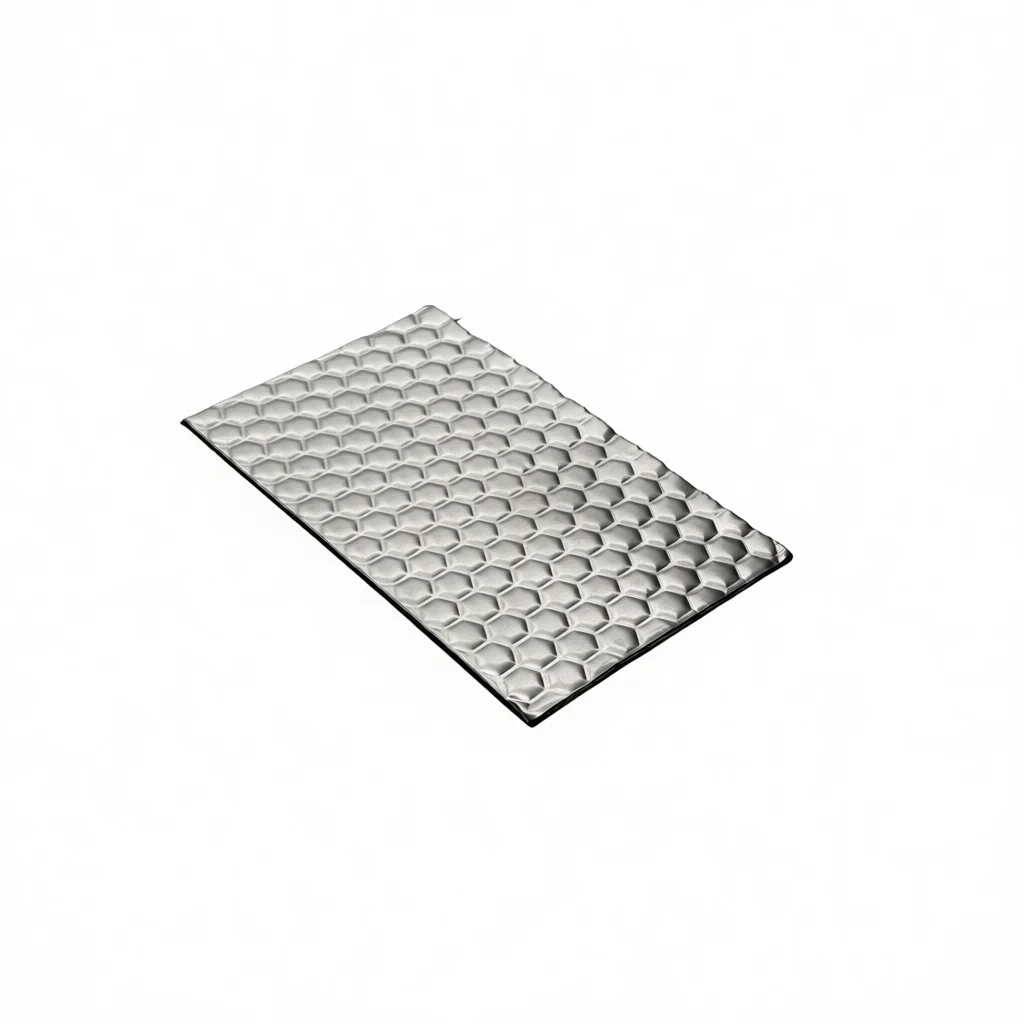
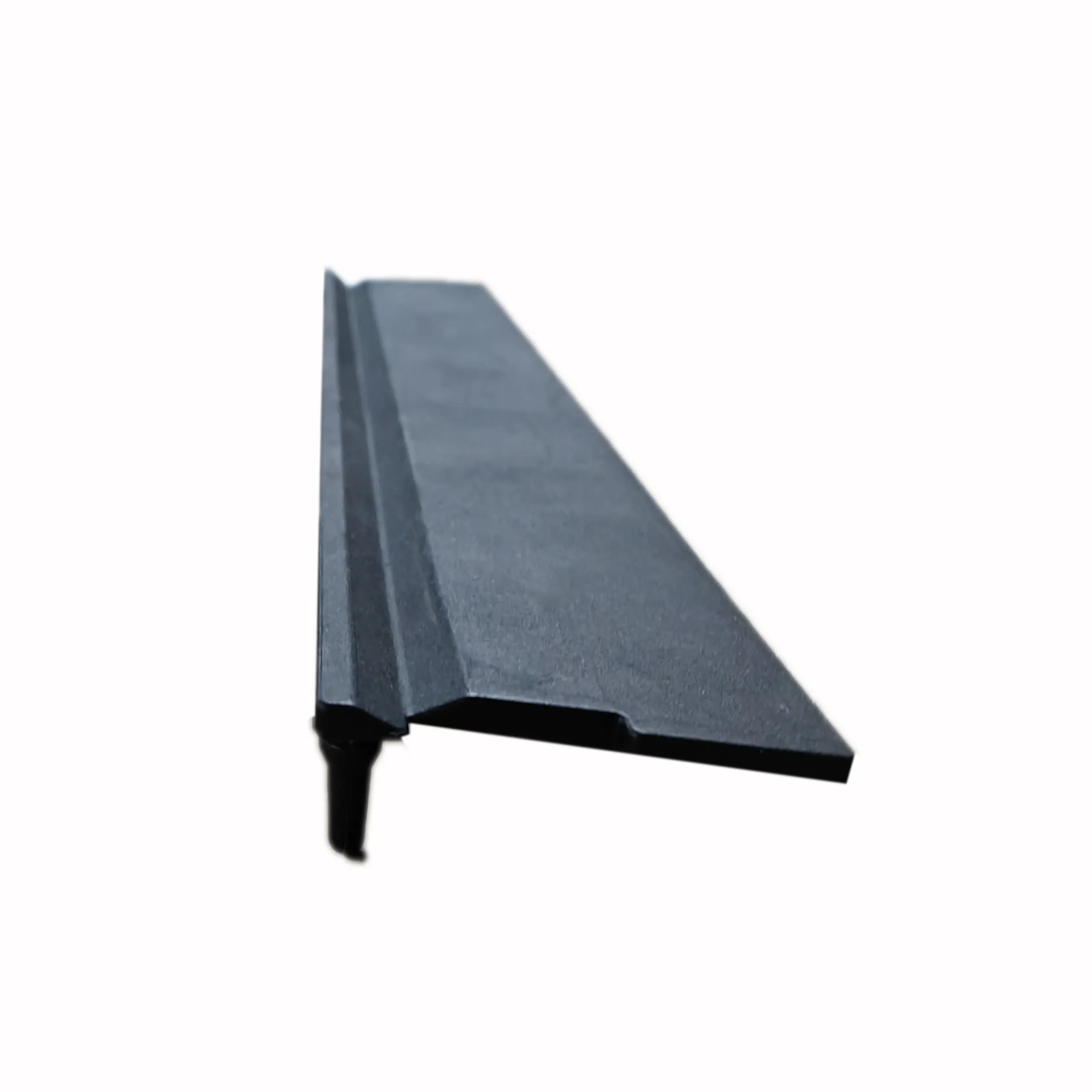
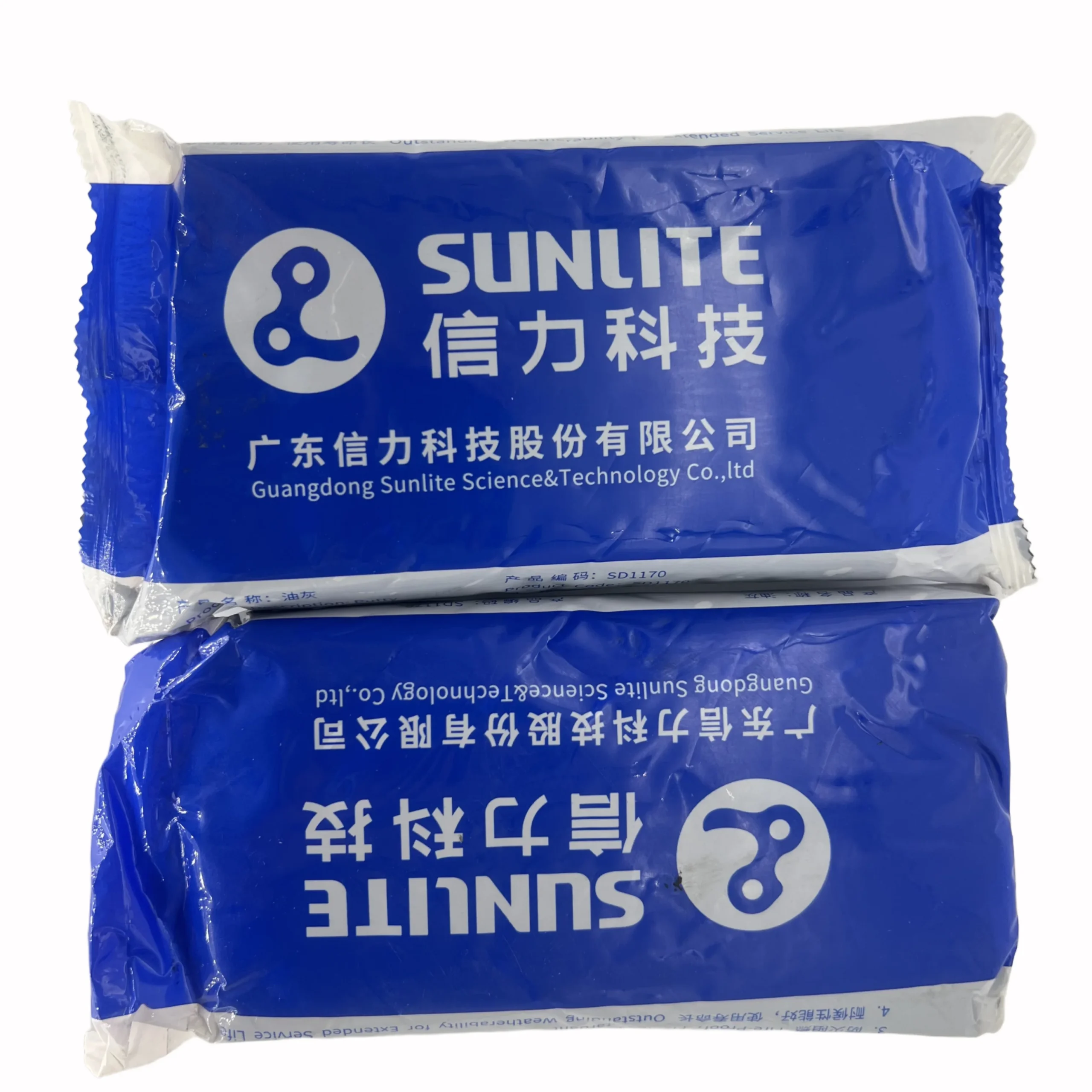
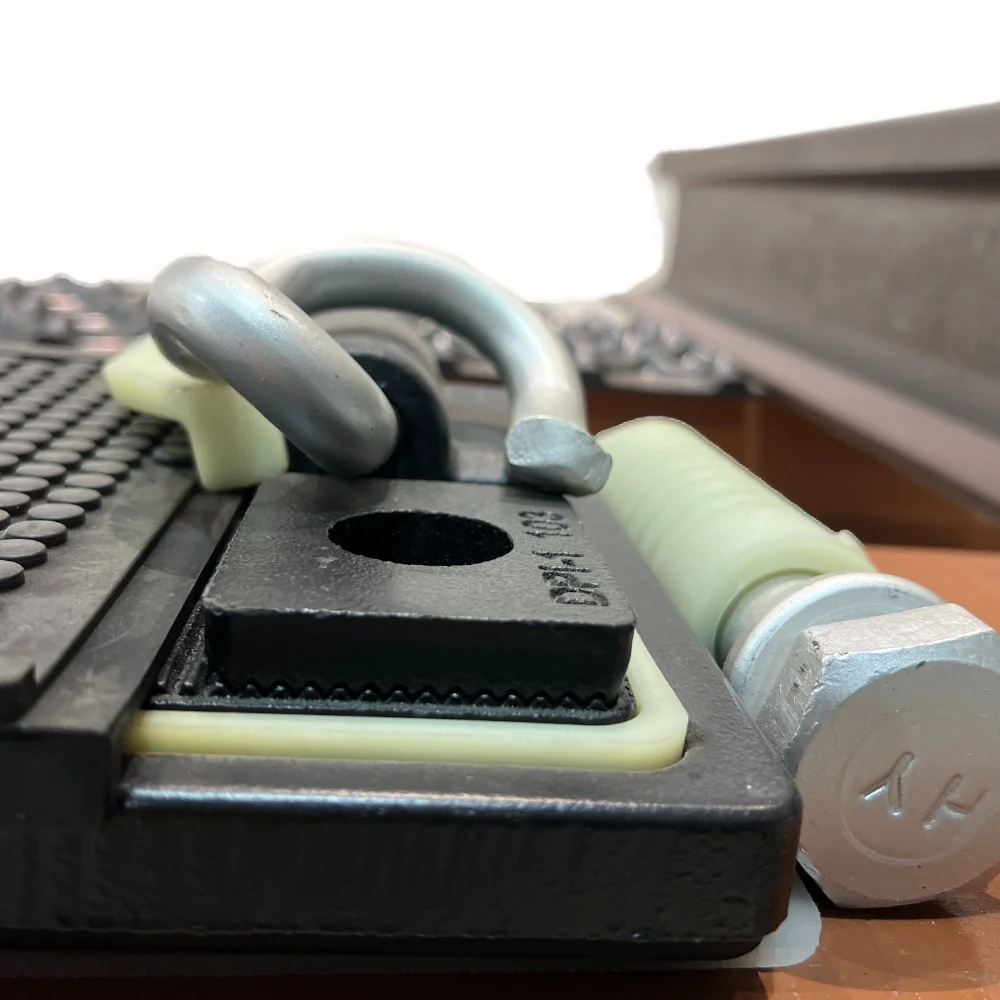
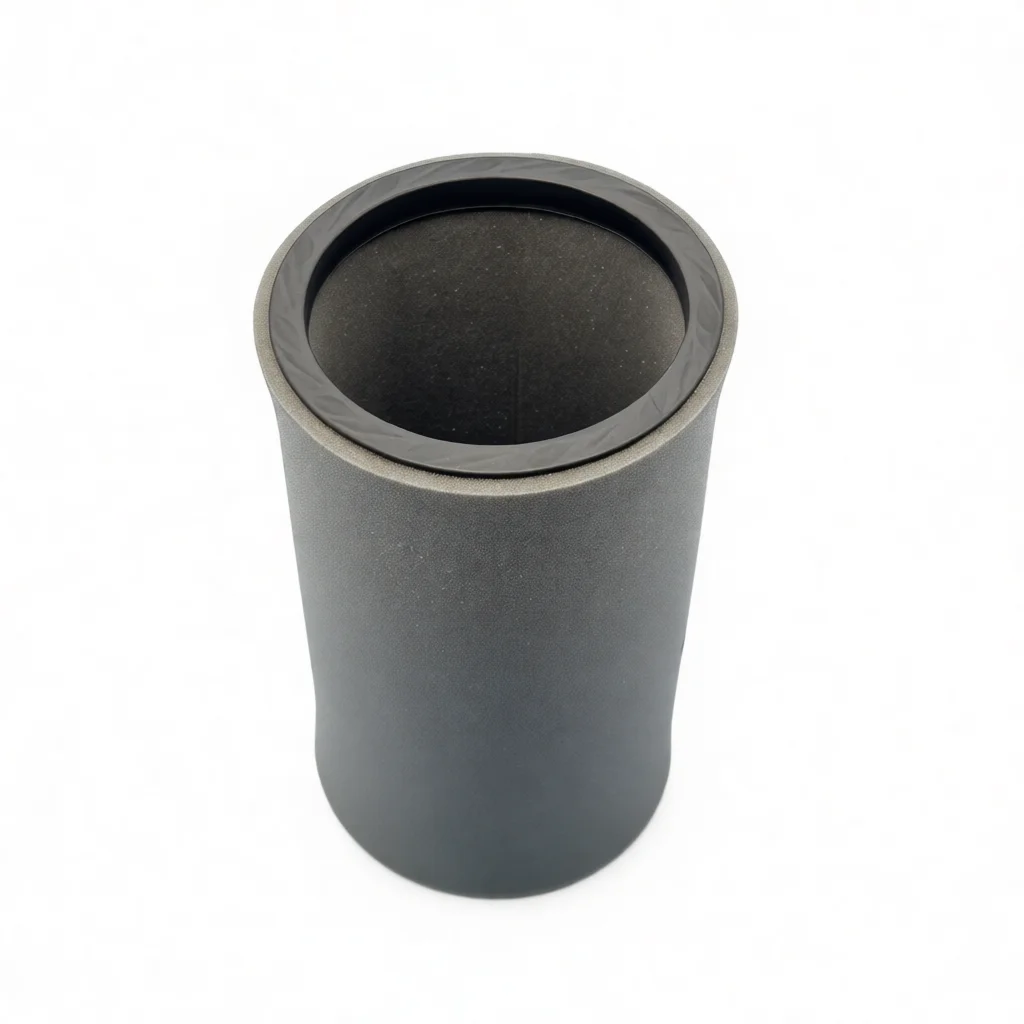
In industrial manufacturing, automotive electronics, and building construction, traditional sealing materials often face challenges such as complex installation, poor adhesion, and easy aging or detachment. Today, with the emergence of the new generation of self-adhesive sealing materials, these issues are being thoroughly resolved. Featuring built-in adhesive, flexible conformity, and long-lasting durability, they are becoming a more efficient and eco-friendly choice for sealing applications.
Traditional vs. Self-Adhesive — Advantages at a Glance
Easy Installation: No need for glue or bolts—just peel and stick for quick fixation
Surface Adaptability: Flexible material perfectly conforms to rough, curved, and irregular surfaces
Long-Term Stability: Strong weather resistance, no aging or detachment over time
Eco-Friendly: Solvent-free, low VOC, compliant with RoHS/REACH standards
Core Technologies for More Reliable Sealing
Smart Pressure-Sensitive Adhesive: High initial tack, no slipping or edge lifting over time, preventing leakage
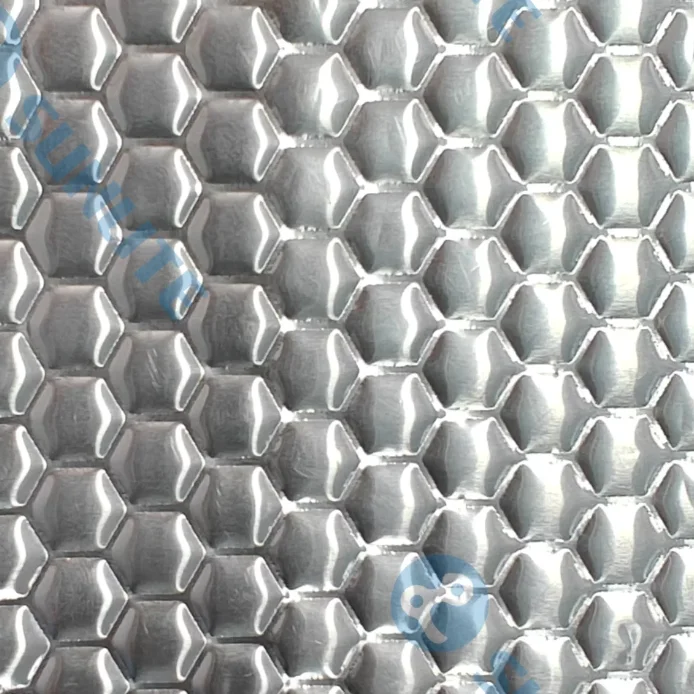
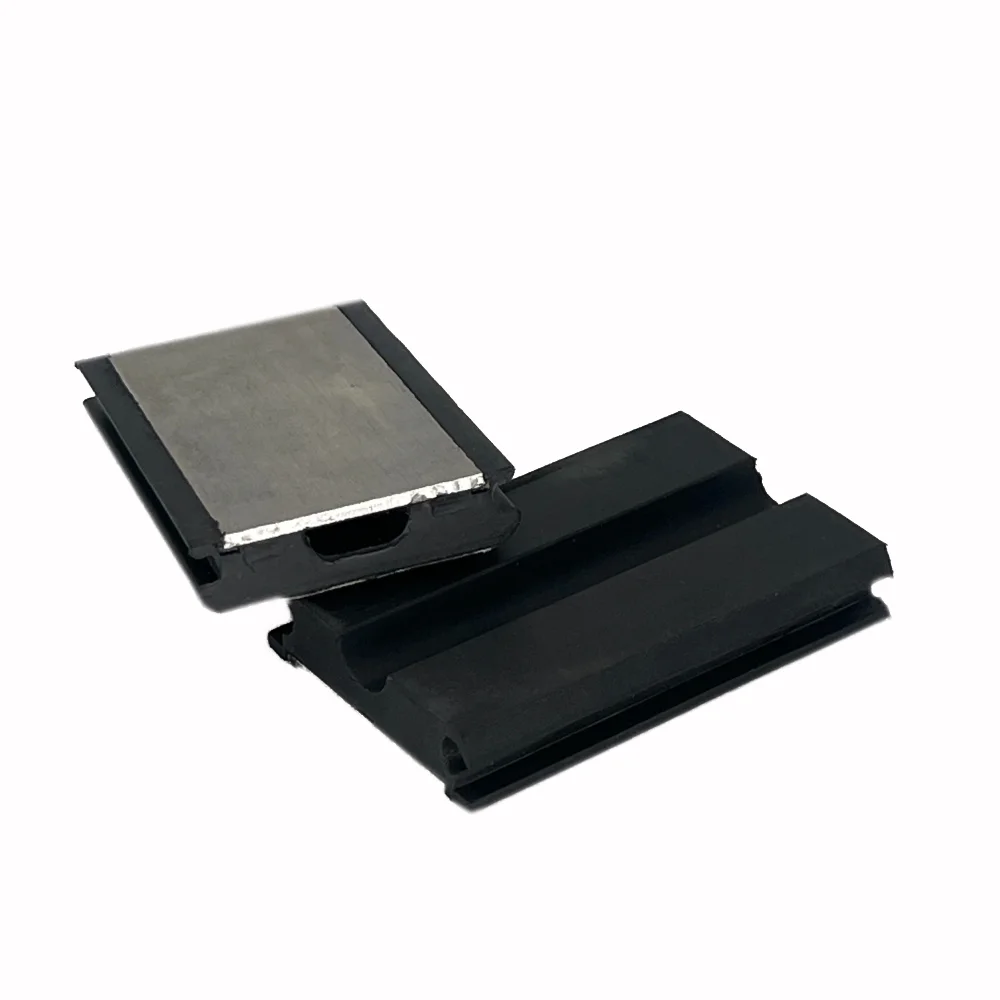
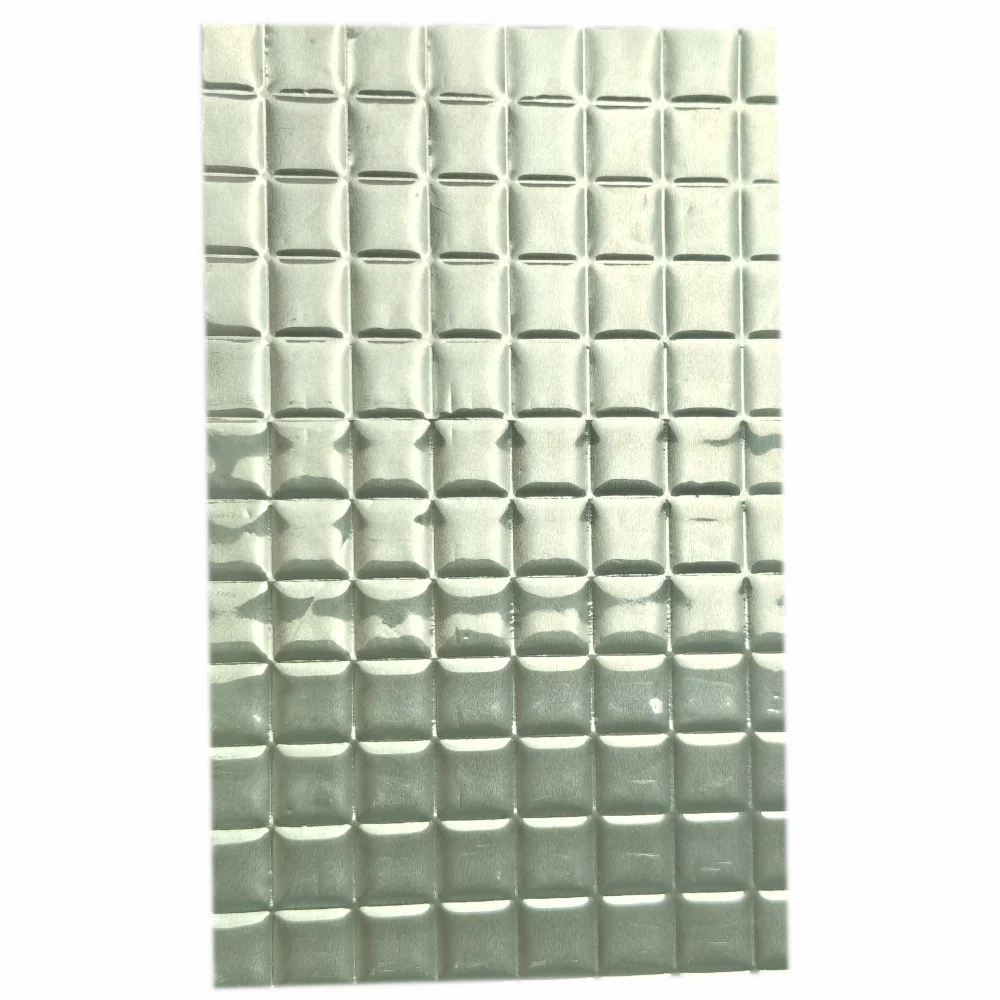
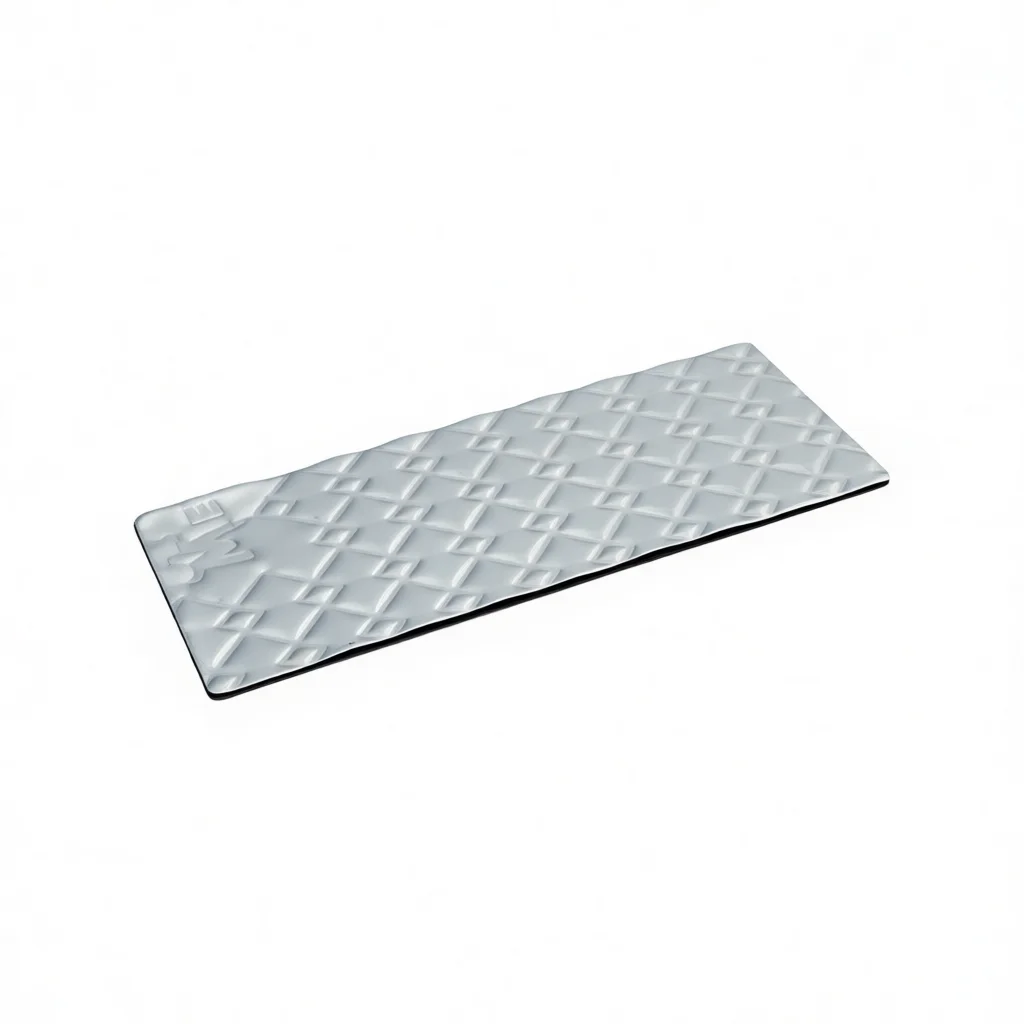
Multifunctional Structure: Aluminum foil reinforcement enhances strength, nonwoven carrier provides high elongation, conductive modification enables shielding functions
Extreme Adaptability: Remains flexible at -40℃, resists adhesive failure at 120℃, validated by salt spray and damp-heat tests
Wide Application Scenarios
✅ Industrial Equipment: Electrical cabinet sealing, pipeline joint leakage prevention
✅ Automotive Manufacturing: Door waterproofing, battery pack sealing
✅ Electronics & Appliances: Sensor protection, LED fixation
✅ Building & Renovation: Door and window gap sealing, sound insulation and noise reduction
With smart protection and long-lasting performance, self-adhesive sealing materials are delivering more efficient and reliable solutions across multiple industries—marking the beginning of a new “peel-and-stick” era in sealing technology.
Check out our products (https://reurl.cc/OmRrAr)
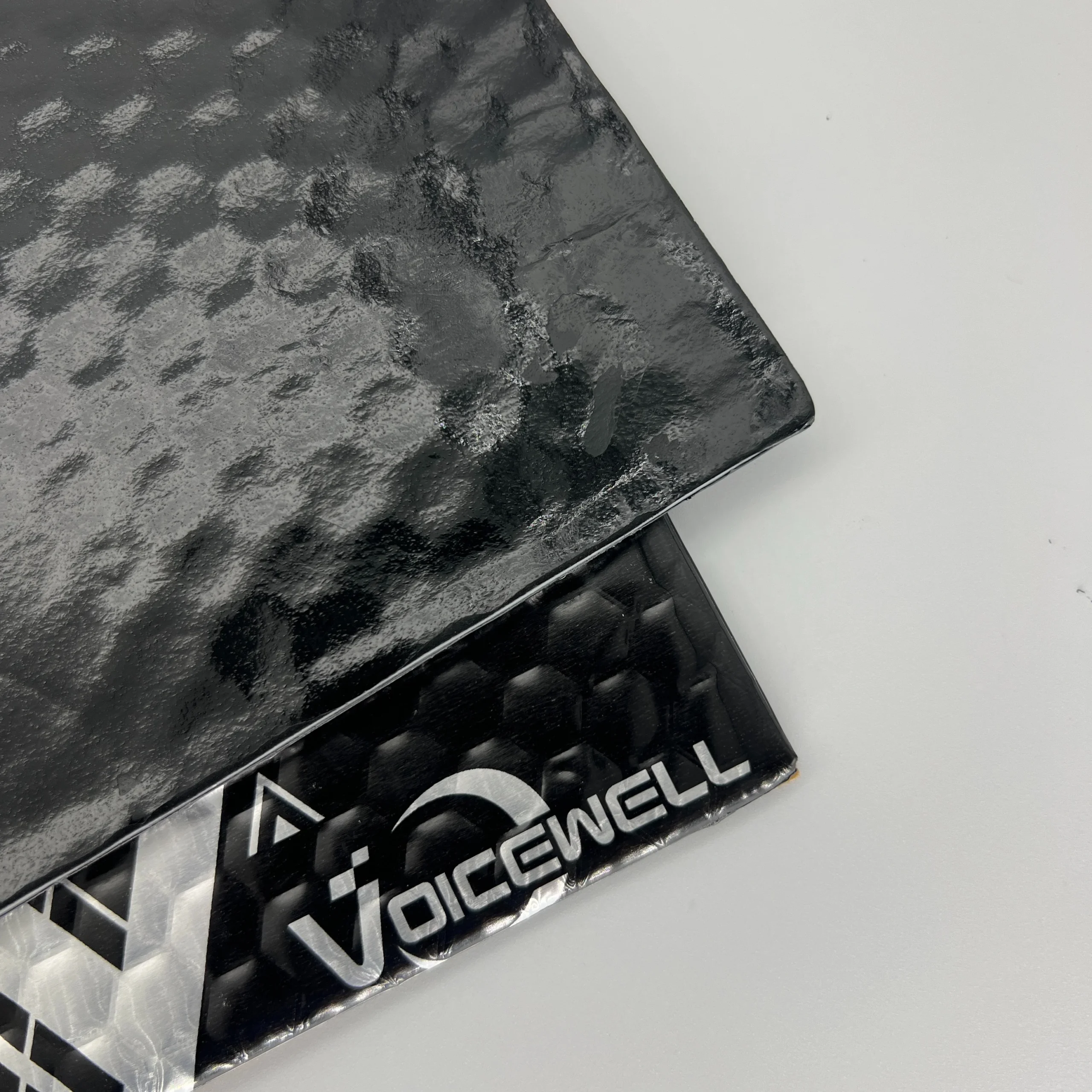
In industrial manufacturing, automotive electronics, and building construction, traditional sealing materials often face challenges such as complex installation, poor adhesion, and easy aging or detachment.