Welcome to the official website of Sunlite Tech
Specialist in Elastomer Applications
Best Solutions to NVH SINCE 1998

News

Industrial Vibration Isolation Solutions: High-Performance rubber anti vibration mounts in UAE

Engineering precision dampening and sealing components designed to withstand the extreme thermal and industrial demands of the United Arab Emirates.

Industrial Vibration Isolation Solutions: High-Performance rubber anti vibration mounts in UAE

Providing specialized elastomeric components that eliminate mechanical noise and structural fatigue for UAE's heavy industry and automotive sectors.

The Landscape of Vibration Control in the United Arab Emirates

Addressing the challenges of extreme heat and high-salinity environments in rubber engineering.

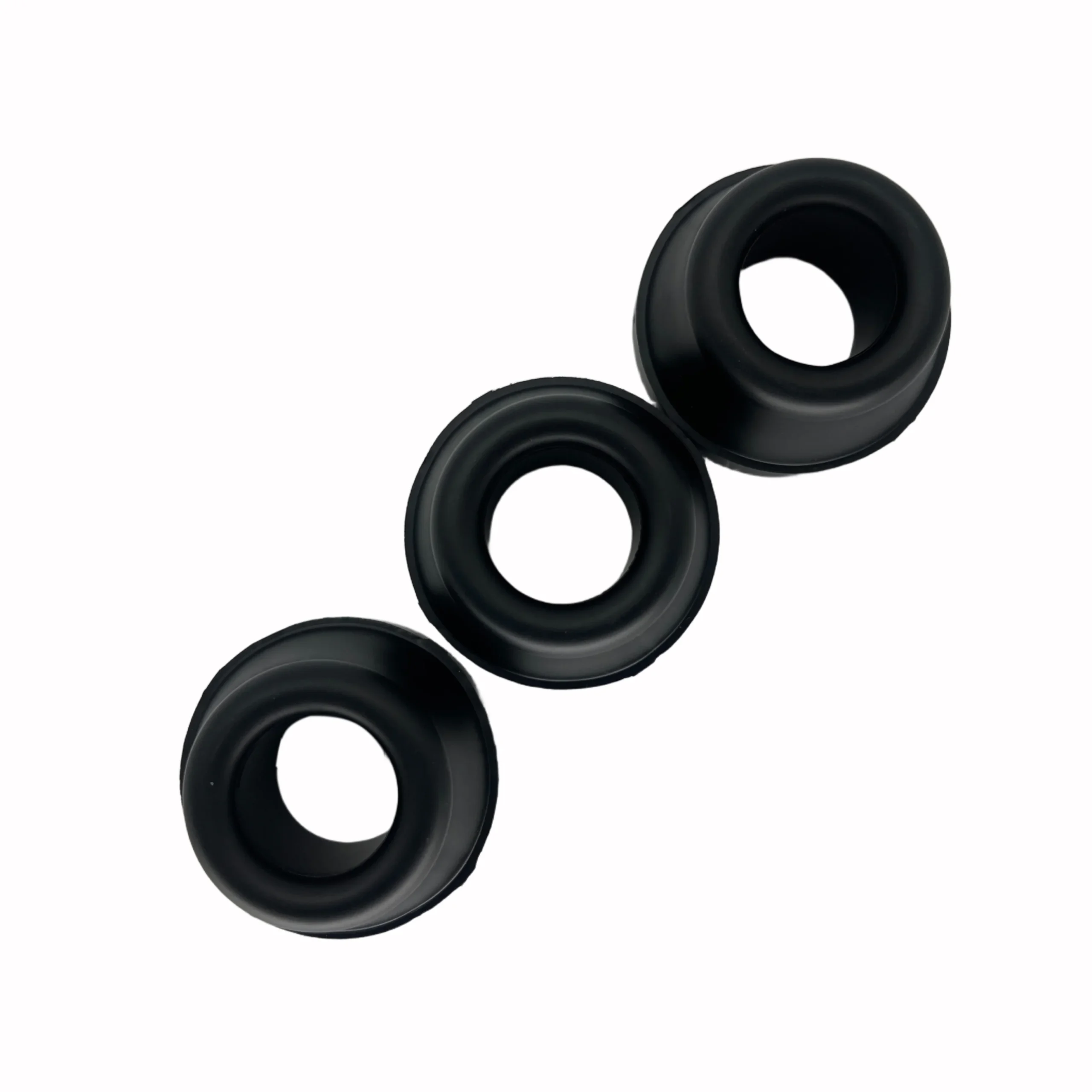
In the United Arab Emirates, the manufacturing sector faces unique challenges due to extreme ambient temperatures and high humidity. Conventional rubber often degrades rapidly under the intense UV radiation and heat of the Gulf region. Consequently, there is a critical demand for epdm rubber material, known for its superior weather resistance and thermal stability, to protect critical infrastructure.

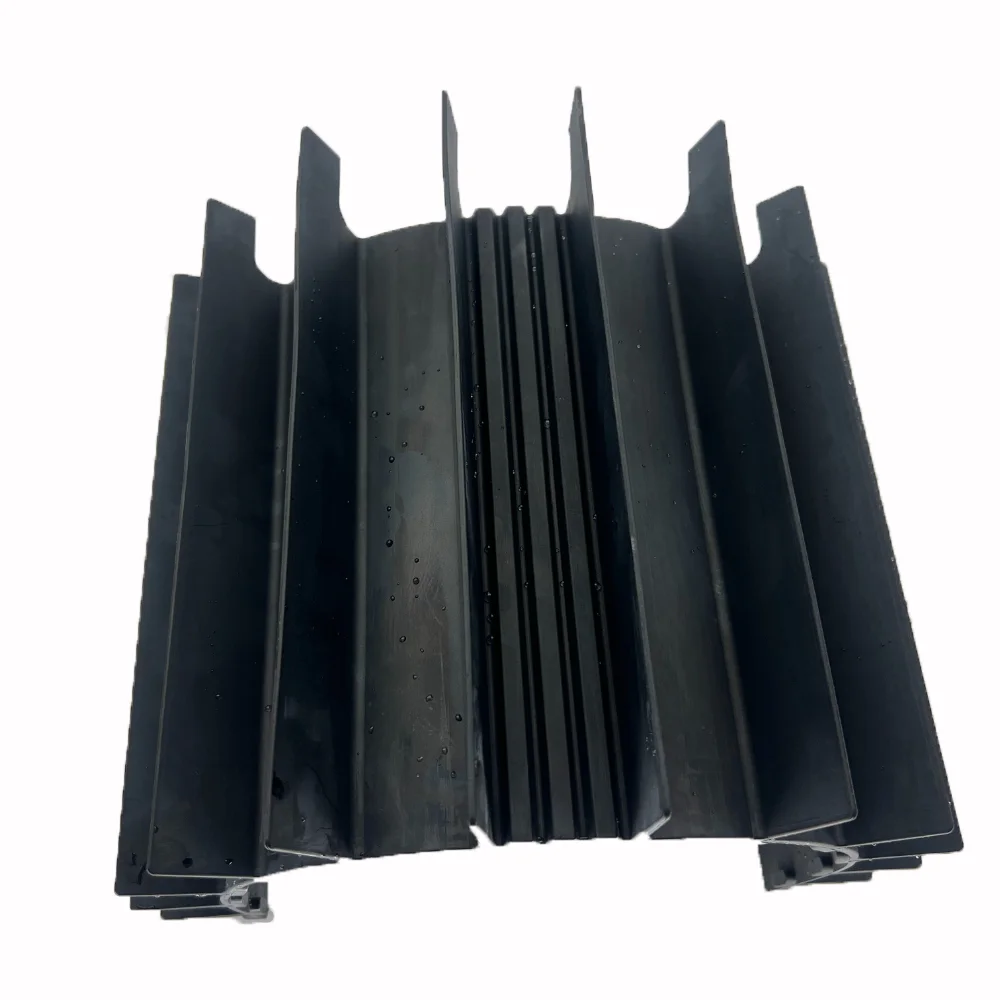
The rapid expansion of UAE's urban infrastructure and industrial zones in Dubai and Abu Dhabi has increased the reliance on high-performance anti vibration pads. These components are essential for protecting sensitive machinery from the seismic vibrations of heavy construction and the operational tremors of massive HVAC systems required for desert cooling.

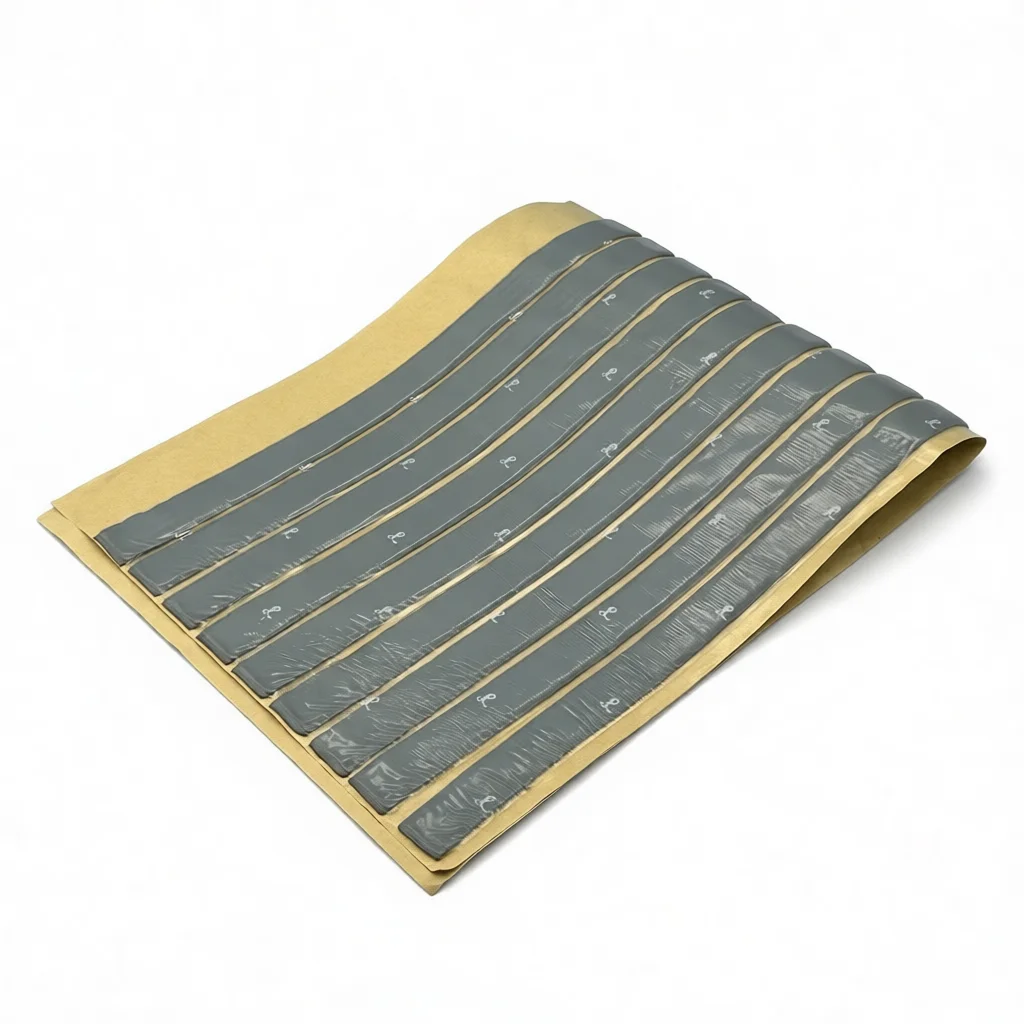
Furthermore, the luxury automotive market in the UAE drives a specialized need for premium car sound deadening. With high-end vehicle ownership rates, the focus has shifted toward enhancing cabin serenity by utilizing advanced damping materials that can operate efficiently despite the external heat flux.
Evolution and Technical Trajectory of Rubber Dampening

From basic elastomers to intelligent, material-specific vibration isolation.

Market Development History

Historically, the UAE market relied on generic natural rubber components during the early stages of industrialization (1970s-1990s). However, these materials suffered from rapid oxidation and "hardening" due to the desert climate, leading to frequent equipment failure and increased maintenance costs.

Entering the 2000s, a technical shift occurred toward synthetic polymers. The introduction of silicone rubber revolutionized the industry, offering unprecedented thermal resistance and chemical stability, which allowed sealing and dampening systems to operate in temperatures exceeding 200°C.

From 2015 to the present, the focus has shifted toward "Application-Specific Engineering." The industry now integrates precision molding and composite layering, moving away from one-size-fits-all solutions to customized dampening systems that target specific frequency ranges of mechanical vibration.

Future Development Trends

Nano-Composite Integration

The next phase involves integrating nano-fillers into rubber matrices to increase tensile strength and energy absorption without increasing the mass of the component.

Smart Dampening Materials

We are seeing a trend toward rheological materials that can change their stiffness in real-time based on the vibration frequency, optimizing stability for UAE's advanced aerospace and defense sectors.

Sustainable Bio-Elastomers

Driven by the UAE's "Net Zero 2050" initiative, there is a growing shift toward eco-friendly, recyclable synthetic rubbers that maintain industrial-grade performance.

Strategic Trends and Future Outlook for UAE Rubber Industry

Analyzing the intersection of material science and regional industrial growth.

Thermal Stability Optimization
Developing compounds that prevent thermal degradation in temperatures up to 60°C ambient.
Precision Frequency Tuning
Engineering mounts to target specific Hz levels to eliminate resonant frequency in skyscrapers.
Corrosion-Resistant Bonding
Integrating specialized adhesives to prevent saltwater corrosion in coastal industrial plants.
Automotive NVH Excellence
Focusing on Noise, Vibration, and Harshness (NVH) reduction for luxury electric vehicles.

Industry Outlook

The trajectory of the rubber industry in the UAE is moving toward highly specialized, low-volume, high-value components. As the country diversifies its economy away from oil, the growth of the aerospace and renewable energy sectors will demand materials that can handle extreme temperature cycling.

Google search trends indicate an increasing interest in "sustainable vibration control" and "high-temp sealing," suggesting that the market is maturing toward technical sustainability and extreme-environment reliability.

Localized Application Scenarios in the UAE

Real-world implementations of specialized rubber solutions across Emirati industries.

1. Desalination Plant Pump Stabilization

Implementing heavy-duty rubber anti vibration mounts to isolate high-pressure water pumps, preventing structural resonance and extending the lifespan of the plant's concrete foundation.

2. Luxury Vehicle Cabin Refinement

Applying multi-layer car sound deadening systems in high-end SUVs to block road noise and external heat, ensuring a silent and cool environment for passengers in Dubai's traffic.

3. HVAC Chiller Base Isolation

Utilizing specialized anti vibration pads for massive rooftop cooling units in Abu Dhabi skyscrapers to prevent noise transmission through the building's steel frame.

4. Oil & Gas Pipeline Sealing

Deploying epdm rubber material for weather-resistant gaskets and seals that withstand the harsh salt-air exposure of coastal refineries.

5. Aerospace Component Gaskets

Using high-grade silicone rubber for seals in aviation electronics, providing critical vibration dampening and thermal protection during extreme takeoff and landing cycles.

Brand Story

Global Development Journey of Guangdong Sunlite Technology Co., Ltd.

The Foundation of Precision

Founded on the principle of "Material Excellence," we began by solving the most basic challenges of rubber fatigue in industrial machinery.

Technical Diversification

We expanded our expertise into synthetic polymers, mastering the complex chemistry of EPDM and Silicone to serve extreme-environment markets.

Global Market Expansion

Recognizing the needs of the Middle East, we established rigorous testing protocols to ensure our products survive the UAE's heat and humidity.

Innovation in NVH

We pioneered advanced Noise, Vibration, and Harshness (NVH) solutions, bridging the gap between industrial strength and acoustic comfort.

A Future of Sustainability

Today, our mission is to lead the transition toward eco-friendly elastomeric materials without compromising structural integrity.

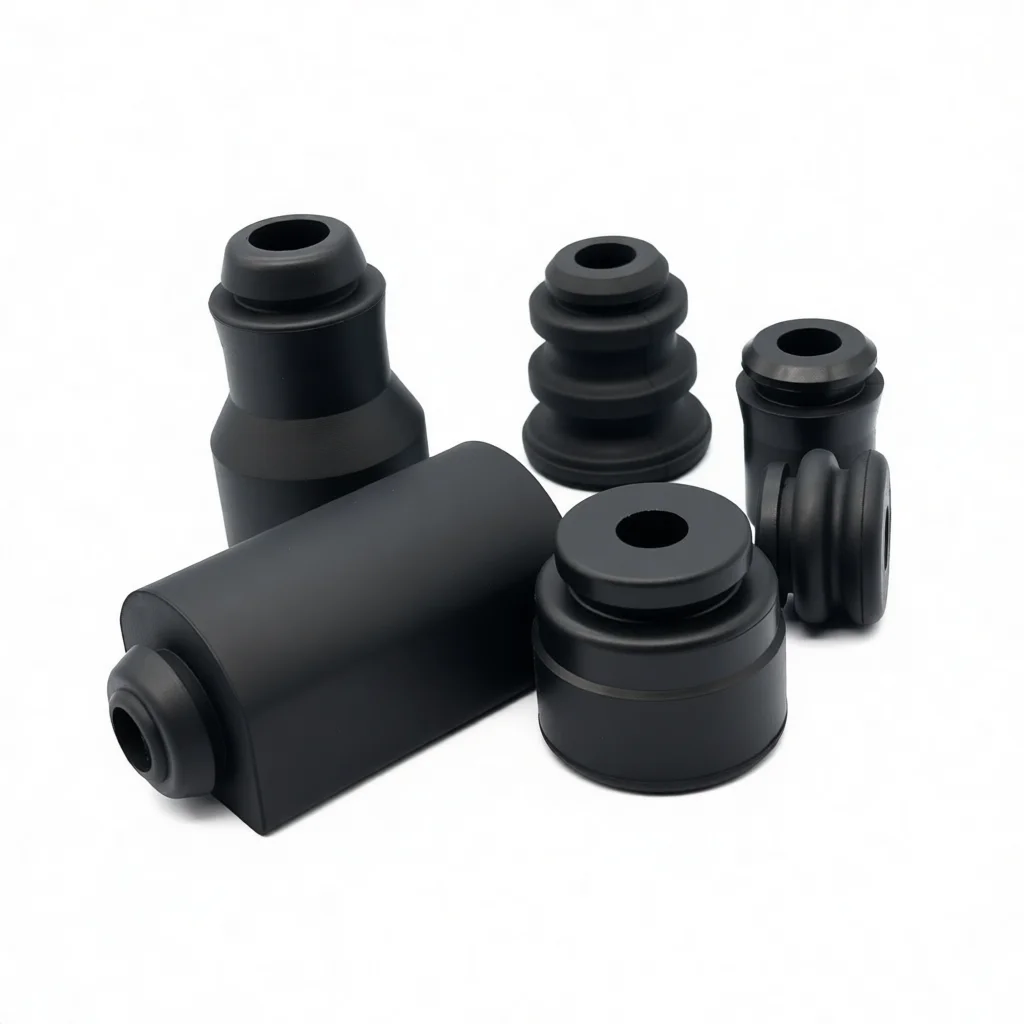
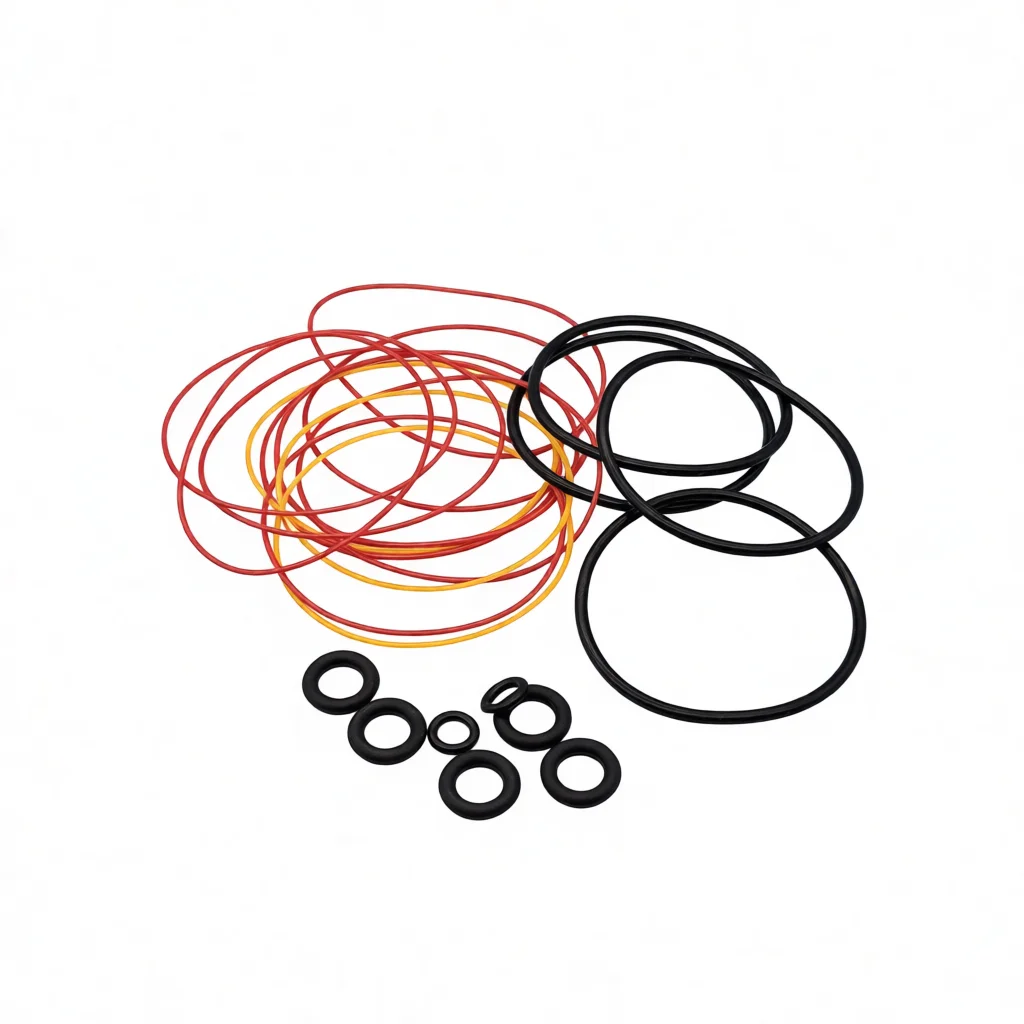
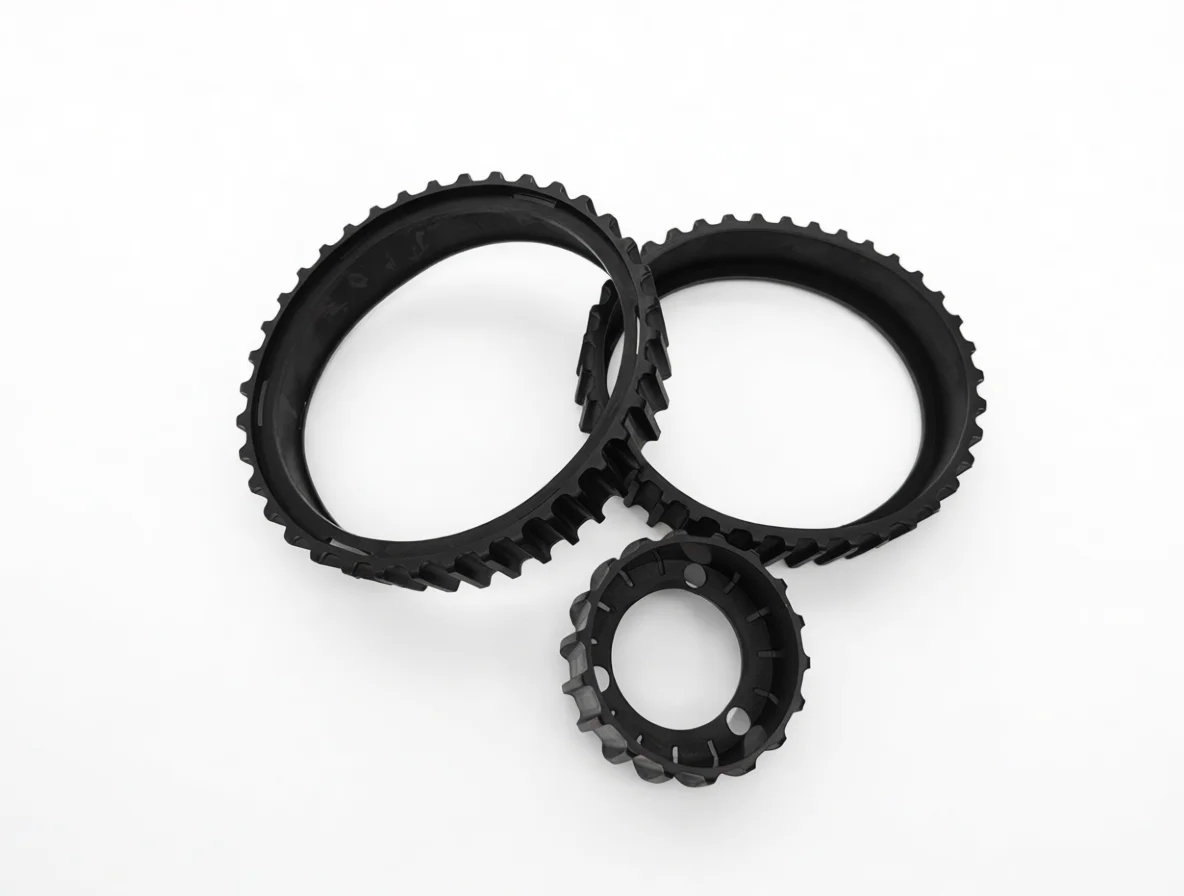
Comprehensive Vibration Control Portfolio for the UAE

A full range of industrial-grade sealing and dampening products engineered for the Gulf region.

UAE Industrial Rubber FAQ

Technical answers for local engineers and procurement specialists.

Which material is best for outdoor anti vibration pads in Dubai?

For outdoor applications in Dubai, EPDM is highly recommended due to its exceptional resistance to ozone, UV radiation, and extreme heat, preventing the material from cracking over time.

How does silicone rubber compare to EPDM for high-temp sealing?

Silicone rubber offers superior heat resistance (up to 250°C) compared to EPDM, making it ideal for engine components or oven seals, whereas EPDM is better for weather-proofing.

Can car sound deadening materials withstand UAE summer heat?

Yes, provided they are high-grade butyl-based or specialized polymers. Our materials are designed not to melt or lose adhesion even when cabin temperatures spike in July.

What is the lifespan of rubber anti vibration mounts in coastal areas?

In high-salinity coastal areas, standard rubber may degrade. We use salt-resistant synthetic compounds that extend the operational life by up to 40% compared to natural rubber.

How do I choose the correct shore hardness for industrial pads?

Hardness is chosen based on the static load of the equipment. Heavier machinery requires higher Shore A hardness to prevent bottoming out, while lighter loads need softer rubber for better isolation.

Are your vibration solutions compliant with UAE construction standards?

Yes, our products are engineered to meet international ASTM and ISO standards, which are the benchmarks for most large-scale construction projects across the UAE.

Get Expert Engineering Support

Contact our technical team to customize your rubber solutions for the unique environment of the United Arab Emirates.

Contact Us Now

If you are interested in our products, you can choose to leave your information here, and we will be in touch with you shortly.

  • captcha