Welcome to the official website of Sunlite Tech
Specialist in Elastomer Applications
Best Solutions to NVH SINCE 1998

News

High-Performance rubber anti vibration mounts Solutions for Vietnam's Industry

Precision-engineered vibration isolation and sealing components tailored for the demanding industrial climate and infrastructure of Southeast Asia.

High-Performance rubber anti vibration mounts Solutions for Vietnam's Industry

Providing world-class dampening technology using advanced epdm rubber material and specialty polymers to eliminate mechanical noise and structural fatigue in Vietnam's rapidly expanding manufacturing sector.

Industrial Vibration Control Landscape in Vietnam

Addressing the challenges of humidity, heat, and heavy industrialization in the Asia-Pacific region.

Vietnam's industrial landscape is currently characterized by a massive influx of electronics and automotive manufacturing. However, the tropical climate, marked by extreme humidity and high temperatures, places severe stress on standard rubber components, leading to premature degradation and failure of anti vibration pads used in factory machinery.

In the urban centers of Ho Chi Minh City and Hanoi, the rapid construction of high-rise industrial parks has increased the demand for structural dampening. The local market is shifting from low-cost, general-purpose rubber to high-performance silicone rubber which offers superior thermal stability and chemical resistance against the region's atmospheric pollutants.

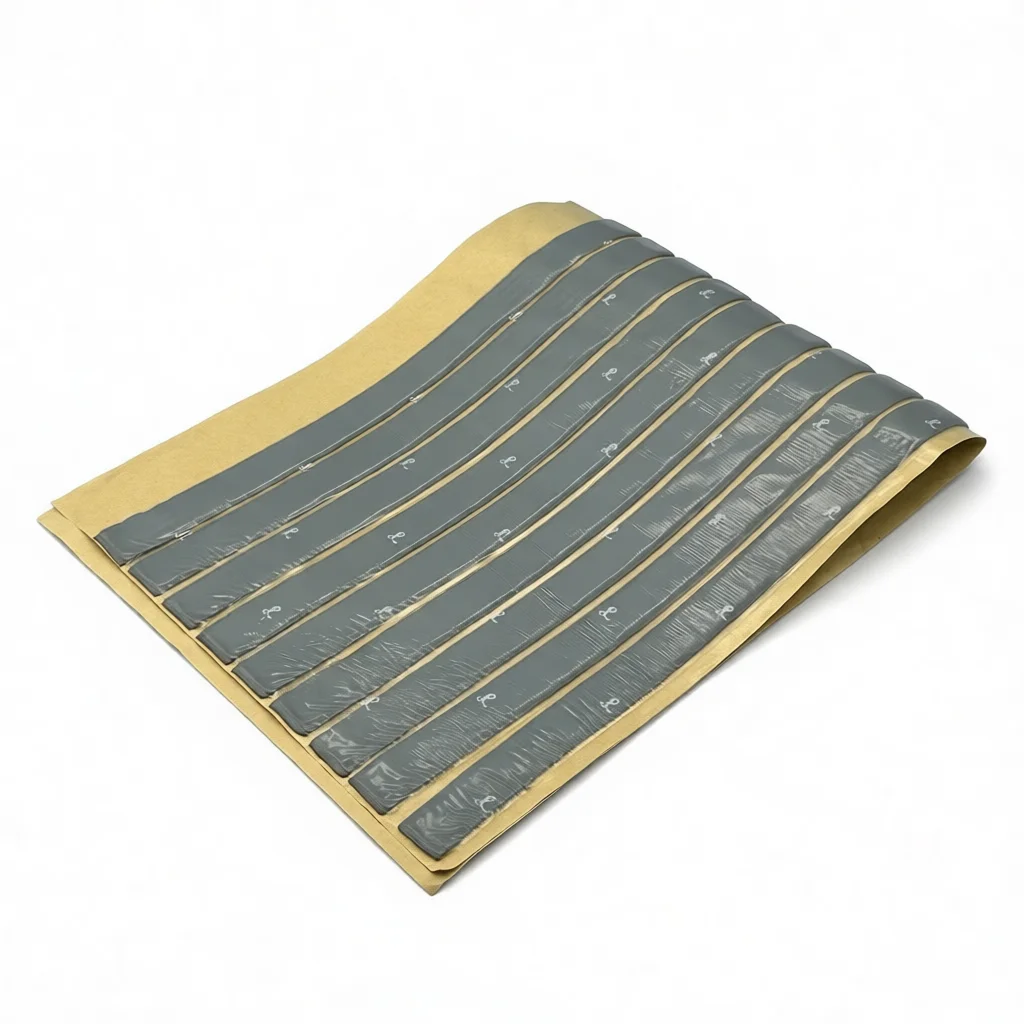
Furthermore, the automotive aftermarket in Vietnam is seeing a surge in demand for noise reduction. As luxury vehicle ownership grows, the application of professional car sound deadening has transitioned from a niche hobby to a standard requirement for enhancing cabin comfort and reducing road noise on developing highway networks.
Evolution of Vibration Control Technology in Vietnam

From basic natural rubber to advanced synthetic polymer engineering.

Market Development History

Prior to 2010, the Vietnamese market relied heavily on basic natural rubber pads. These provided rudimentary support but failed quickly under the oxidative stress of the tropical environment and the heavy loads of the early industrialization phase.

Between 2010 and 2020, the introduction of synthetic elastomers like EPDM marked a significant shift. Factories began adopting specialized mounts to protect sensitive CNC machinery and electronics assembly lines, moving toward a more calculated approach to resonance frequency management.

Since 2021, the industry has entered the era of "Precision Isolation." The integration of hybrid materials and custom-molded geometries now allows for the targeting of specific frequency ranges, significantly extending the lifespan of industrial assets across Vietnam.

Future Development Trends

Smart Dampening Systems

We expect an integration of sensors within rubber mounts to provide real-time wear data, allowing Vietnamese factories to move from reactive to predictive maintenance.

Eco-Friendly Polymer Synthesis

With global ESG pressures, there is a growing trend toward biodegradable and recycled rubber composites that maintain the rigorous standards of industrial sealing.

Ultra-High Thermal Resistance

As industrial processes become more energy-intensive, the demand for materials capable of withstanding constant temperatures above 200°C will drive the adoption of advanced fluoro-silicones.

Industry Trends and Future Outlook

Strategic directions for the special rubber damping and sealing industry.

Material Specialization
Increasing transition toward customized EPDM and silicone blends to combat high-humidity corrosion.
Precision Engineering
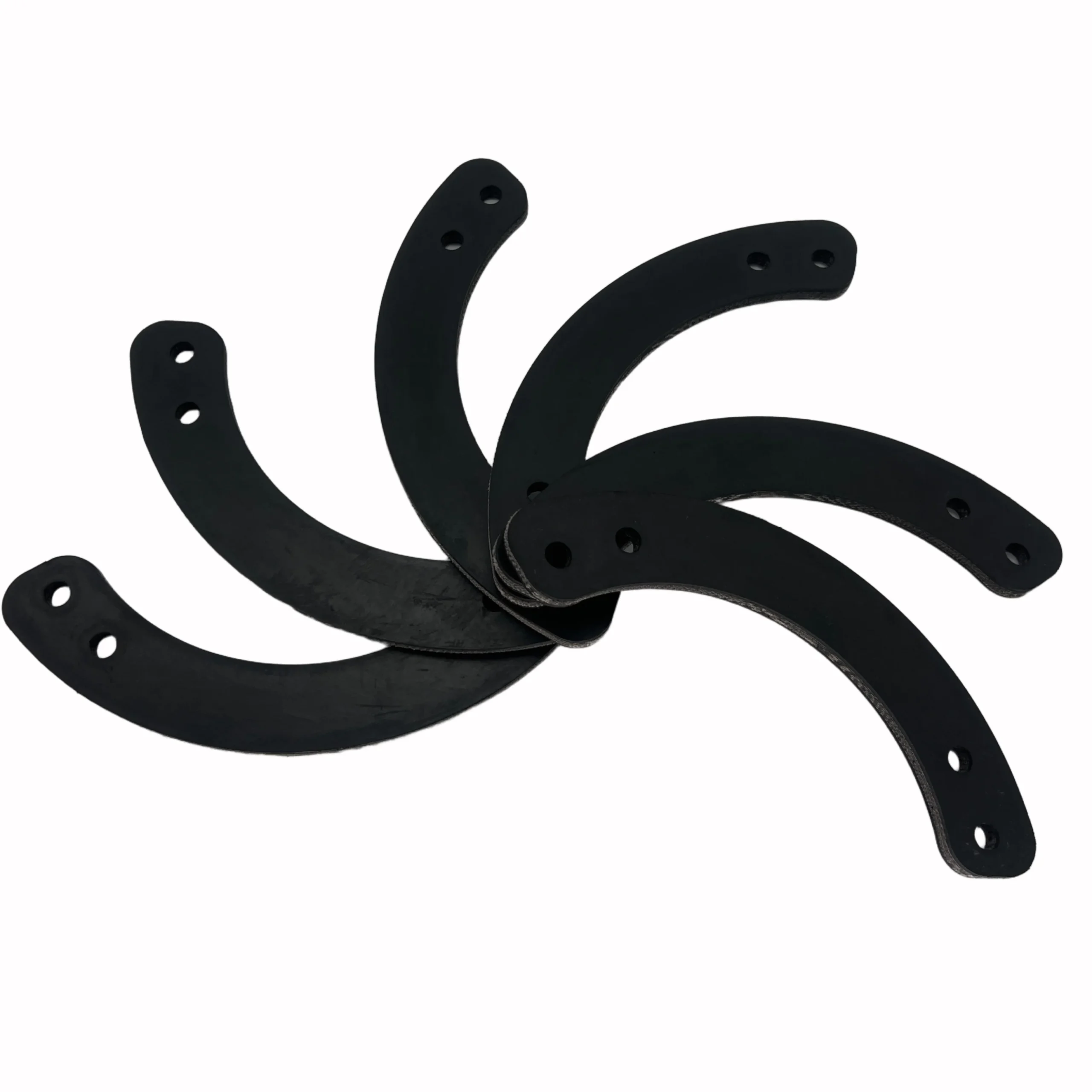
Adoption of 3D modeling for vibration mounts to optimize energy absorption for heavy machinery.
Noise Pollution Control
Growing demand for automotive soundproofing to comply with stricter urban noise regulations.
Supply Chain Localization
Shift towards local warehousing in Vietnam to reduce lead times for critical sealing components.

Industry Outlook

Google search trends indicate a sharp rise in queries related to "industrial vibration isolation" and "high-temperature rubber seals" within the Vietnam region. This correlates with the shift toward higher-precision manufacturing and the move from light assembly to heavy industrial production.

Over the next 3-5 years, we anticipate a convergence of material science and digital monitoring. The ability to customize the Shore hardness of rubber components via automated additive manufacturing will revolutionize how Vietnam's industrial parks manage noise and vibration.

Localized Application Scenarios in Vietnam

Real-world implementations of special rubber solutions across Vietnam's key industries.

1. Electronics Assembly Lines in Bac Ninh

Implementation of high-precision anti vibration pads under surface-mount technology (SMT) machines to prevent micro-vibrations from affecting circuit board accuracy.

2. Automotive Manufacturing in Hai Phong

Usage of high-durability rubber anti vibration mounts for chassis assembly lines, ensuring structural stability under heavy cyclical loads.

3. HVAC Systems for Ho Chi Minh City Skyscrapers

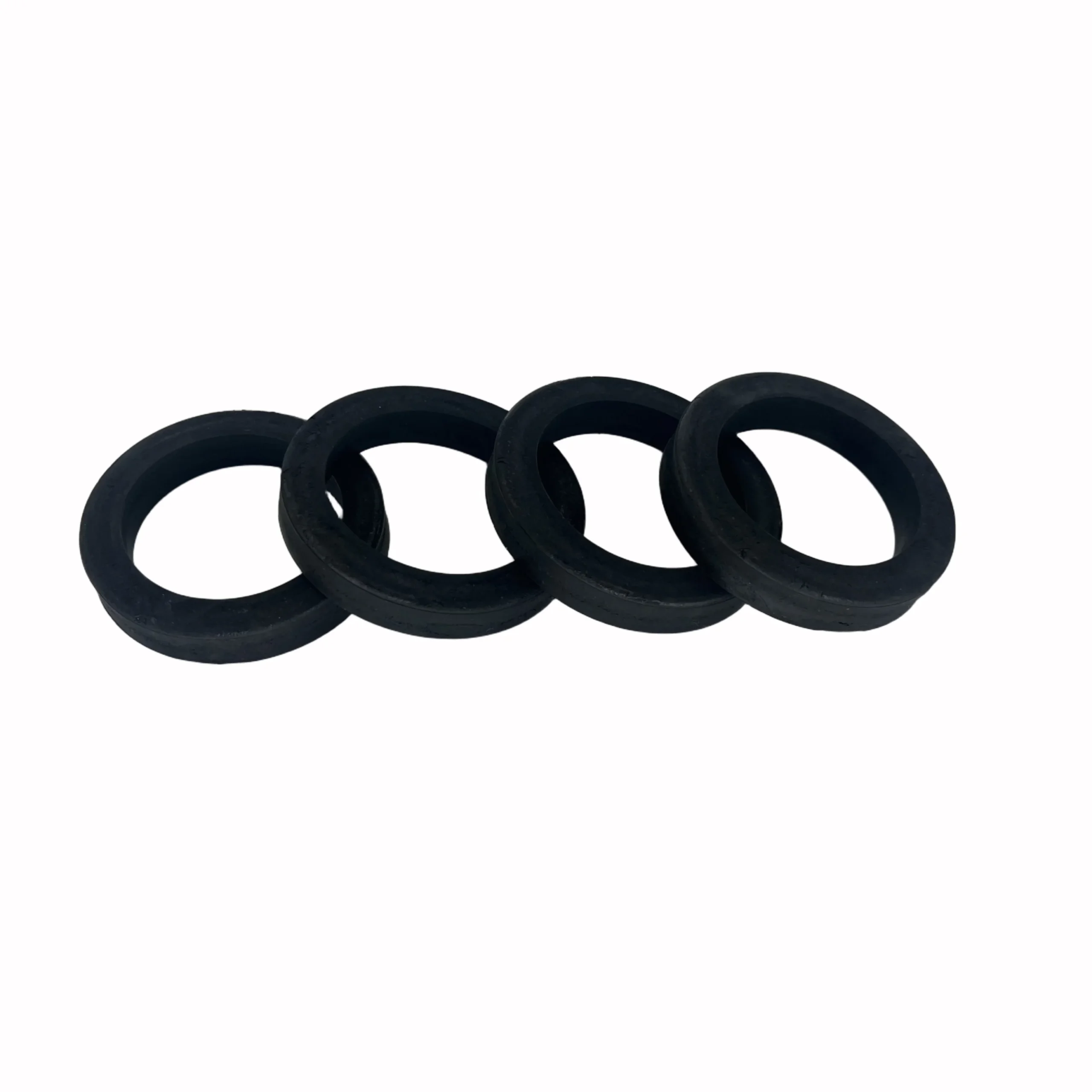
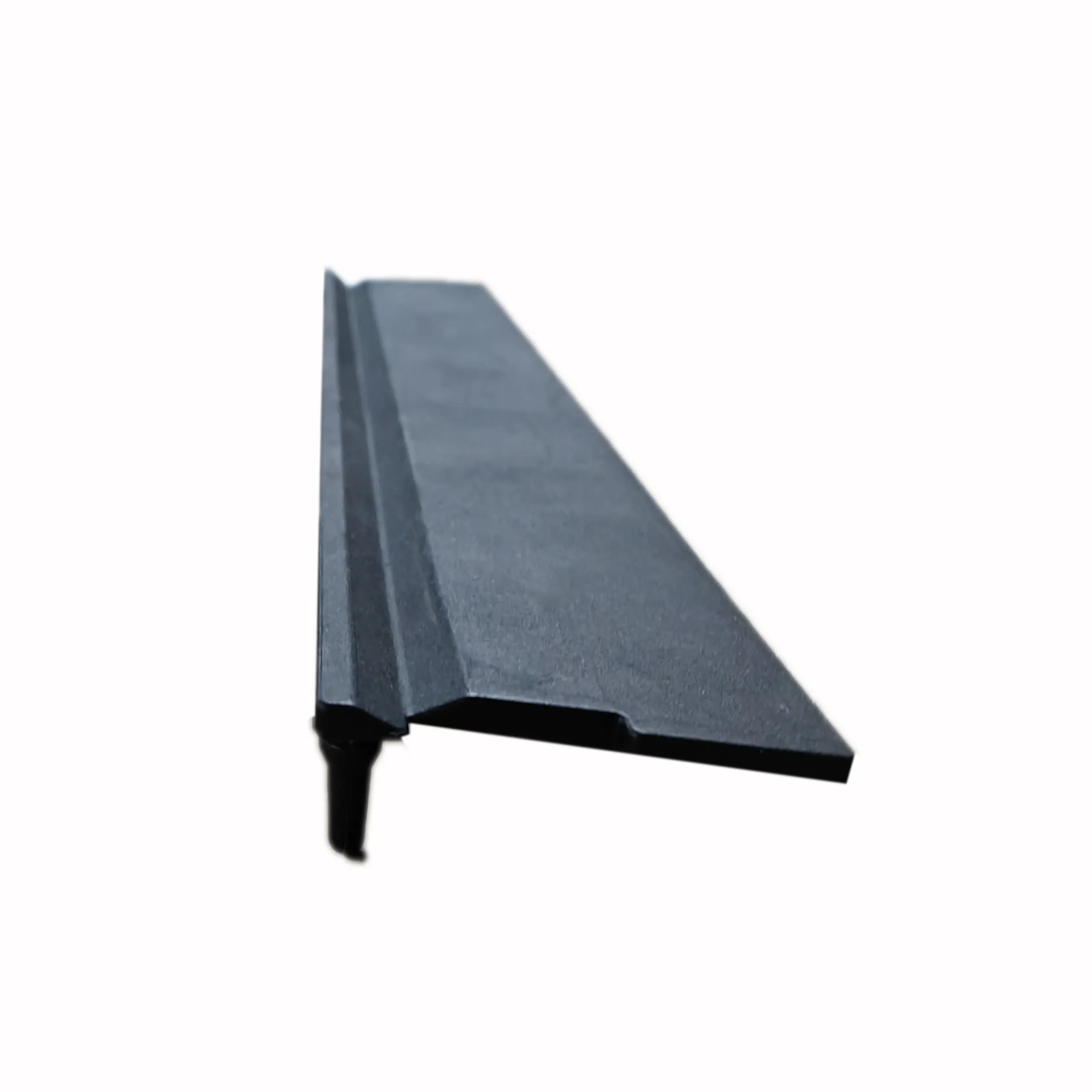
Applying weather-resistant EPDM seals and mounts for rooftop cooling towers to reduce noise transmission into luxury office spaces during the humid monsoon season.

4. Luxury Car Retrofitting in Hanoi

Integration of multi-layer car sound deadening materials in the wheel wells and floor pans of imported vehicles to optimize cabin acoustics.

5. Textile Machinery in Binh Duong

Installation of oil-resistant silicone rubber seals and dampers to maintain machine uptime in environments exposed to lubricants and dyes.

Brand Story

Global Development History of Guangdong Sunlite Technology Co., Ltd.

Foundational Excellence

Established with a vision to solve the most complex vibration challenges, Sunlite began by mastering the chemistry of synthetic rubber to replace failing traditional materials.

Technological Breakthrough

Developed proprietary blending techniques for EPDM and Silicone, enabling the production of seals that withstand extreme temperature fluctuations.

Global Expansion

Extended our engineering footprint into the Asia-Pacific region, specifically targeting the booming manufacturing hubs in Vietnam with localized support.

Industry Standardization

Achieved international certifications that allow our products to be integrated into the most stringent automotive and aerospace supply chains worldwide.

Sustainable Future

Currently pioneering the use of bio-based polymers to ensure that industrial dampening does not come at the cost of the planet's health.

Complete Product Portfolio for the Vietnam Market

Comprehensive solutions from raw materials to finished dampening components.

Common Questions for Rubber Solutions in Vietnam

Expert answers to technical queries regarding vibration and sealing in tropical environments.

How does high humidity in Vietnam affect the lifespan of anti vibration pads?

High humidity can accelerate the hydrolysis of low-grade rubbers. We recommend using EPDM or silicone-based pads which are inherently resistant to moisture and ozone, ensuring long-term stability in the Vietnamese climate.

What is the best epdm rubber material for outdoor industrial seals in Southeast Asia?

For outdoor applications, a high-density EPDM with UV stabilizers is essential to prevent cracking caused by intense solar radiation and heat cycles common in the region.

Can silicone rubber replace natural rubber for high-temperature machinery mounts?

Yes, silicone rubber is far superior for high-temperature environments, maintaining its elasticity and dampening properties at temperatures where natural rubber would melt or become brittle.

How do I choose the right rubber anti vibration mounts for heavy industrial compressors?

Selection depends on the static load and the operating frequency of the compressor. Our engineers provide custom calculations to match the mount's natural frequency to your machine's specific vibration profile.

Is professional car sound deadening effective against road noise on Vietnamese highways?

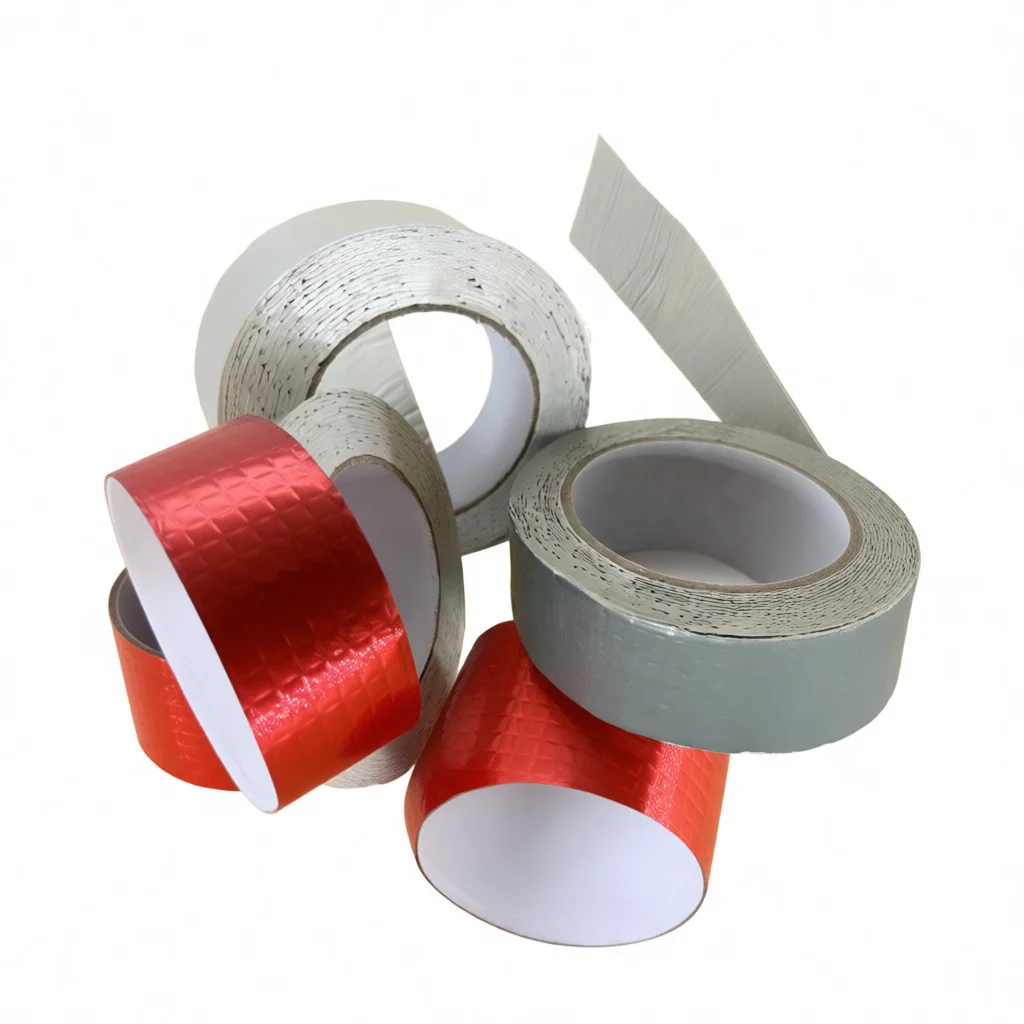
Absolutely. By applying butyl-based deadening sheets, you can significantly reduce the vibration of metal panels, which effectively lowers the decibel level of road and tire noise inside the cabin.

What are the maintenance requirements for industrial rubber dampeners in factory settings?

Regular visual inspections for "checking" (small cracks) and hardness testing are recommended every 6-12 months to ensure the material hasn't degraded due to chemical exposure or fatigue.

Get Expert Vibration Consultation

Ready to optimize your industrial performance? Our technical team is available to provide tailored rubber and sealing solutions for your projects in Vietnam.

Contact Us Now

If you are interested in our products, you can choose to leave your information here, and we will be in touch with you shortly.

  • captcha