Welcome to the official website of Sunlite Tech
Specialist in Elastomer Applications
Best Solutions to NVH SINCE 1998

News

Advanced Industrial Vibration Control in Thailand: High-Performance rubber anti vibration mounts

Engineering precision-engineered damping solutions for Thailand's automotive and manufacturing sectors to enhance equipment lifespan and operational efficiency.

Advanced Industrial Vibration Control in Thailand: High-Performance rubber anti vibration mounts

We provide a comprehensive range of specialized rubber components designed to withstand the rigorous humidity and heat of the Thai industrial landscape, ensuring stability for heavy machinery and automotive systems.

Industrial Rubber Damping Landscape in Thailand

Analyzing the demand for specialized sealing and vibration isolation in Southeast Asia's manufacturing hub.

Thailand's position as the "Detroit of Asia" creates a massive demand for high-grade car sound deadening and vibration control. The automotive supply chain requires materials that can handle constant thermal cycling and high humidity without degrading.

In the industrial sector, the use of epdm rubber material has become standard for outdoor equipment due to its exceptional resistance to ozone and UV radiation, which is critical under the intense tropical sun of Thailand.

Current market trends show a shift toward precision anti vibration pads for electronic assembly lines and food processing plants in the Eastern Economic Corridor (EEC), where hygiene and noise reduction are prioritized.
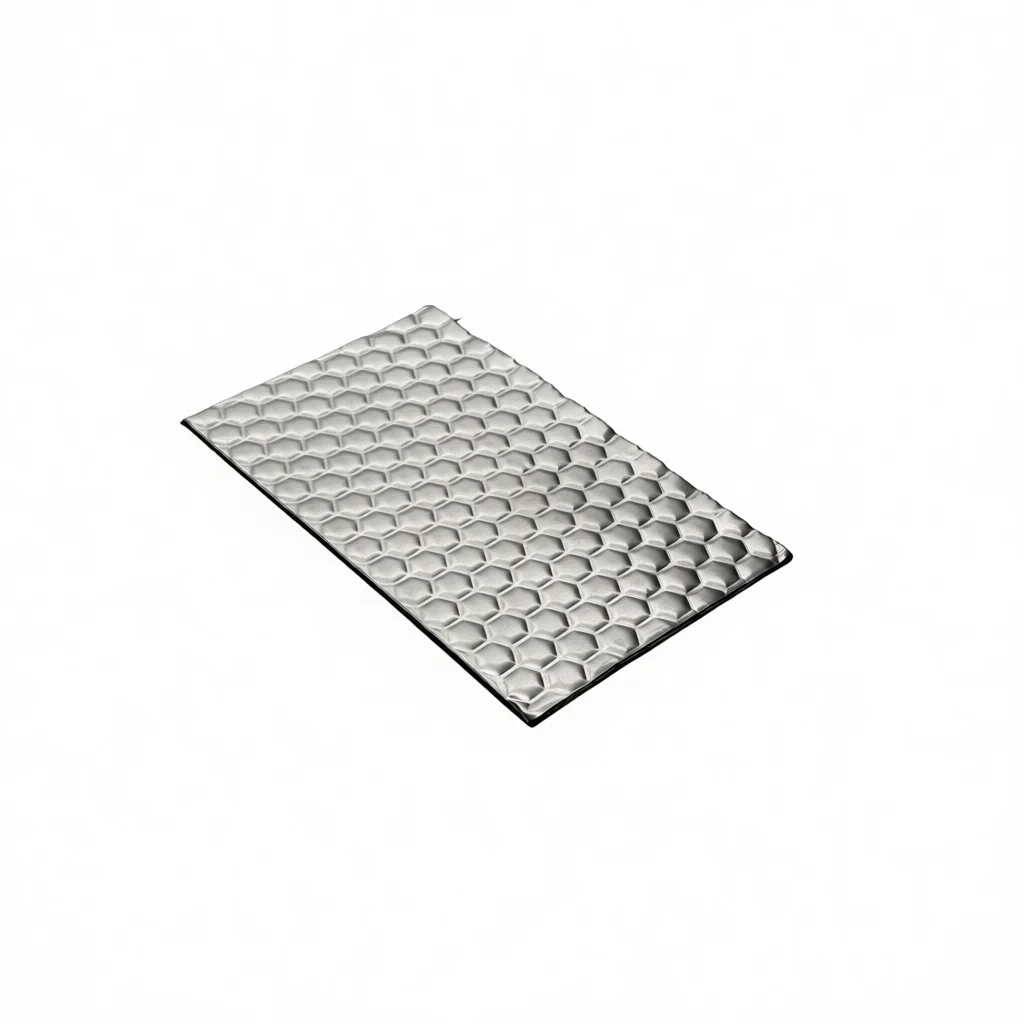
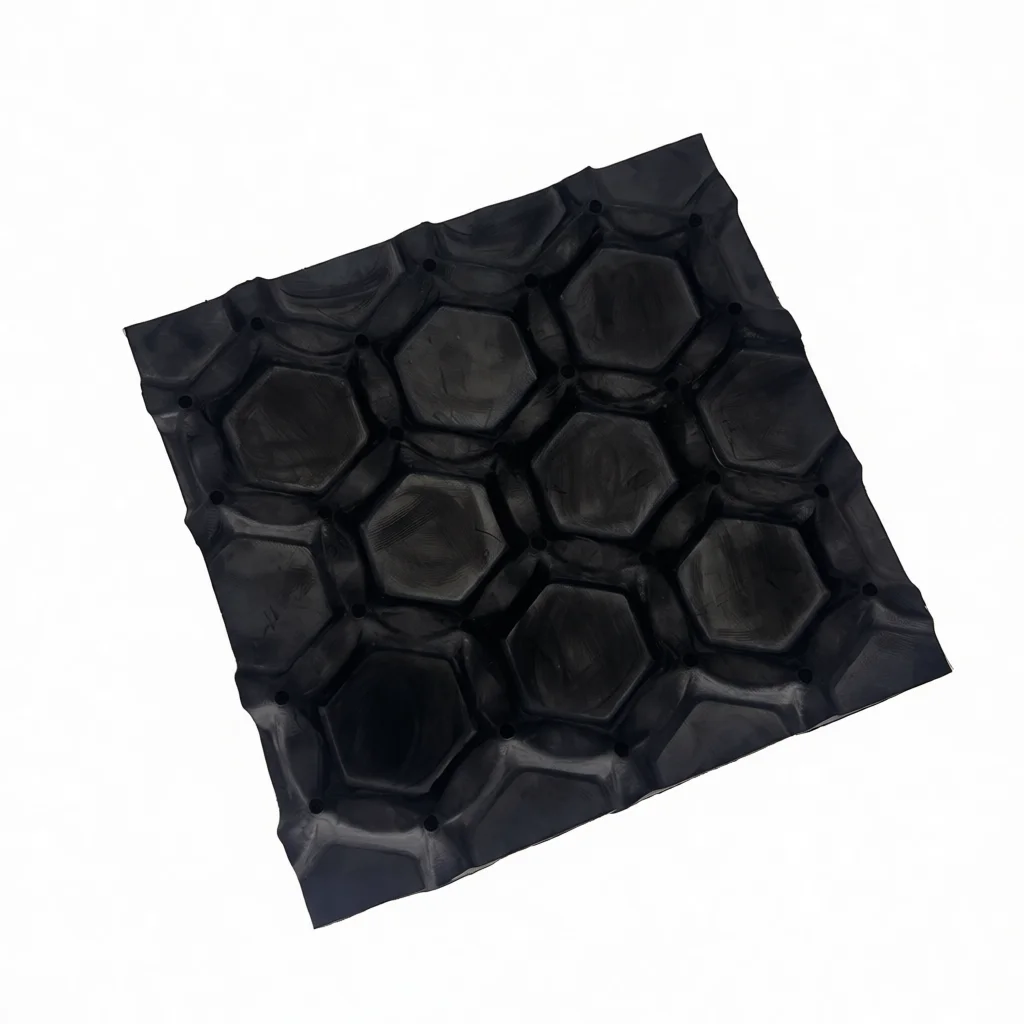
Evolution of Vibration Isolation Technology

From basic rubber blocks to engineered polymer compounds.

Market Development History

During the 1990s, the Thai market relied heavily on natural rubber compounds, which offered good elasticity but lacked durability against chemical exposure and extreme heat common in industrial plants.

By the 2010s, there was a significant transition toward synthetic elastomers. The introduction of silicone rubber revolutionized high-temperature sealing and medical-grade vibration isolation, offering stability from -60°C to 230°C.

Today, the industry has entered the era of "Smart Damping," where materials are engineered at the molecular level to target specific frequency ranges, reducing structural fatigue in high-speed manufacturing lines.

Future Development Trends

Bio-based Synthetic Elastomers

Integrating sustainable materials to meet Thailand's BCG (Bio-Circular-Green) economy model while maintaining industrial-grade performance.

Active Vibration Control Integration

Combining passive rubber mounts with active electronic sensors to neutralize low-frequency vibrations in precision robotics.

Nano-Composite Enhancement

Using carbon nanotubes to increase the tear strength and thermal conductivity of traditional rubber mounts.

Future Outlook for Specialized Rubber Manufacturing

Strategic technological trajectories for the next 3-5 years.

EV Automotive Shift
The rise of Electric Vehicles in Thailand increases the need for specialized NVH (Noise, Vibration, Harshness) solutions to counter high-frequency motor whine.
Industry 4.0 Integration
Implementing additive manufacturing (3D printing) for custom rubber mounts to reduce lead times for specialized Thai factories.
Extreme Climate Durability
Developing hybrid polymers that maintain a constant Shore A hardness across Thailand's seasonal temperature fluctuations.
Eco-Friendly Compliance
Transitioning to halogen-free and low-VOC rubber compounds to meet international export standards for Thai-made products.

Industry Outlook

Based on search trends in Southeast Asia, there is a growing demand for high-precision isolation. We expect a 15% CAGR in the demand for specialty elastomers as Thailand upgrades its industrial automation infrastructure.

The future will be defined by "Material Intelligence," where rubber components are not just passive buffers but are optimized for specific resonant frequencies of modern machinery.

Localized Application Scenarios in Thailand

Real-world implementation of specialized rubber solutions in the Thai market.

1. Automotive NVH Optimization

Implementing high-density car sound deadening in luxury vehicle assembly lines in Chonburi to reduce road noise and improve passenger comfort.

2. Heavy Machinery Isolation in EEC

Installing industrial-grade anti vibration pads under stamping presses in the Eastern Economic Corridor to prevent structural damage to factory floors.

3. HVAC System Damping

Using weather-resistant epdm rubber material for outdoor cooling tower mounts, ensuring long-term stability against tropical rain and heat.

4. Precision Electronic Manufacturing

Deploying silicone rubber mounts in semiconductor cleanrooms to isolate sensitive testing equipment from ambient building vibrations.

5. Power Generator Stabilization

Custom-molded rubber anti vibration mounts for backup diesel generators in Bangkok's commercial skyscrapers to eliminate acoustic transfer between floors.

Brand Story

Global Development History of Guangdong Sunlite Technology Co., Ltd.

Foundation of Excellence

Established with a focus on polymer science, we began by solving the most basic sealing failures in heavy industry.

Technological Breakthroughs

Developed proprietary curing processes that increased the lifespan of vibration mounts by 40% in extreme environments.

Global Expansion

Expanded our reach to Southeast Asia, specifically Thailand, adapting our products to meet tropical climate specifications.

Industry Certification

Achieved international IATF 16949 standards, allowing us to become a Tier 1 supplier for global automotive brands.

Sustainable Future

Currently leading the transition toward biodegradable elastomers and zero-waste manufacturing processes.

Comprehensive Rubber Damping Portfolio for Thailand

Our full range of specialized elastomers and vibration control components engineered for the Thai industrial market.

Frequently Asked Questions - Thailand Industrial Rubber

Expert answers to common technical queries regarding vibration isolation.

Which material is best for outdoor anti vibration pads in Thailand's climate?

For outdoor use in Thailand, EPDM is the superior choice due to its resistance to UV radiation and ozone, preventing the cracking commonly seen in natural rubber.

How does car sound deadening improve electric vehicle performance?

It reduces the resonance of the vehicle chassis and blocks the high-frequency noise from the electric motor and inverter, creating a more premium cabin experience.

What is the temperature limit for silicone rubber in industrial sealing?

Silicone rubber can typically withstand continuous temperatures up to 200-230°C, making it ideal for Thai oven seals and heat-exchange components.

Can rubber anti vibration mounts be customized for specific frequencies?

Yes, by adjusting the rubber hardness (Shore A) and the geometric design of the mount, we can tune the natural frequency to isolate specific machine vibrations.

How often should industrial vibration pads be replaced in a factory setting?

Depending on the load and environment, we recommend a technical inspection every 12-24 months to check for permanent deformation or material fatigue.

Does epdm rubber material resist oils and chemicals common in Thai workshops?

EPDM is excellent for weather and water but has limited resistance to petroleum-based oils. For oil-rich environments, we recommend Nitrile (NBR) alternatives.

Ready to Optimize Your Industrial Damping?

Contact our engineering team today for professional vibration analysis and customized rubber solutions tailored for the market in Thailand.

Contact Us Now

If you are interested in our products, you can choose to leave your information here, and we will be in touch with you shortly.

  • captcha