Welcome to the official website of Sunlite Tech
Specialist in Elastomer Applications
Best Solutions to NVH SINCE 1998
ibanner

0%

Table of Contents

Robot rubber parts are critical components in modern robotics, playing a vital role in ensuring the smooth, reliable, and safe operation of robotic systems across diverse industries. These aren’t your typical rubber components; they are engineered materials designed to withstand extreme conditions, precise movements, and prolonged use, significantly impacting a robot’s overall performance and longevity. Understanding the nuances of these parts is paramount for roboticists, engineers, and manufacturers alike.

The global demand for robot rubber parts is experiencing substantial growth, driven by the increasing adoption of robotics in manufacturing, healthcare, logistics, and exploration. According to the International Federation of Robotics (IFR), robot density (robots per 10,000 workers) is rising rapidly, particularly in automotive and electronics sectors. This surge in robotic deployment translates directly into a heightened need for high-quality, specialized rubber components.

Addressing this demand efficiently requires innovation in material science, manufacturing processes, and supply chain management. The consistent supply of durable and precision-engineered Robot rubber parts is crucial to supporting the continued expansion and success of the robotics industry worldwide.
Robot rubber parts

Introduction to Robot rubber parts

Robot rubber parts

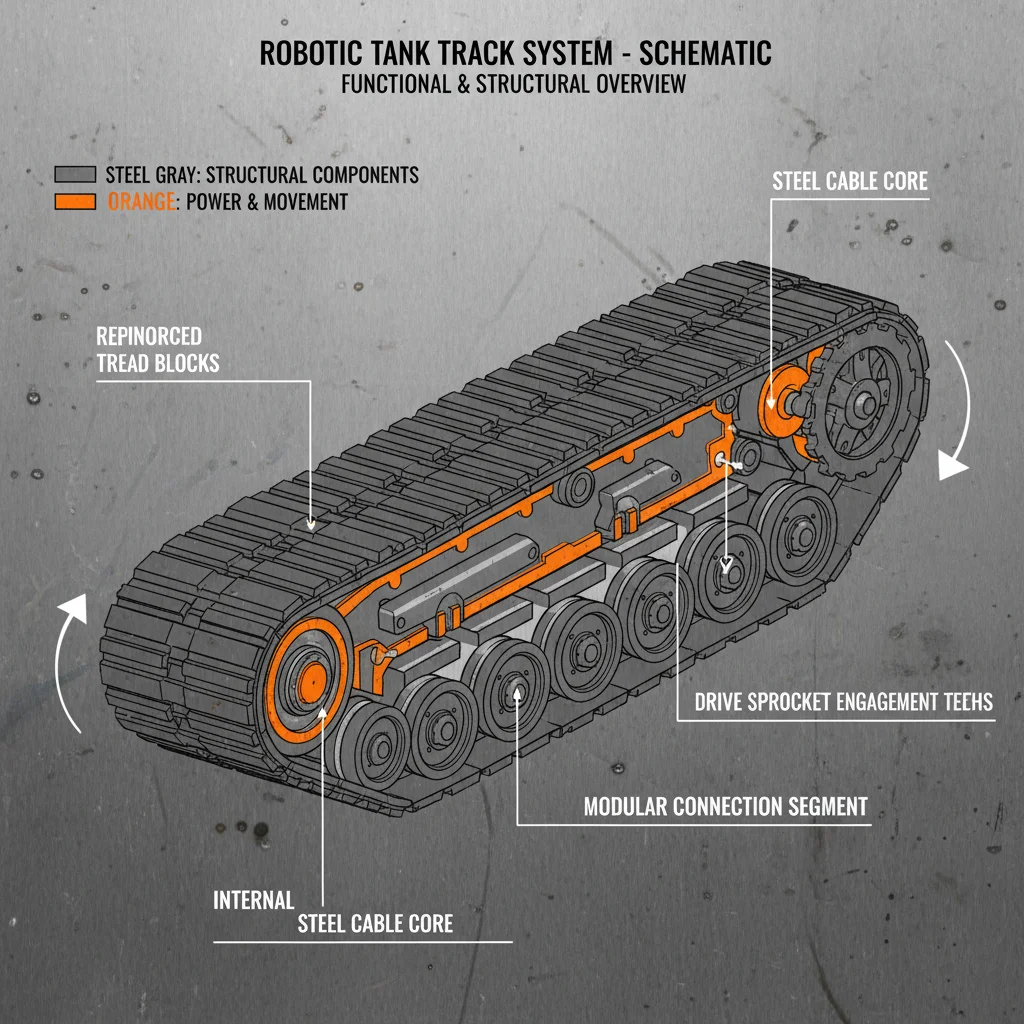
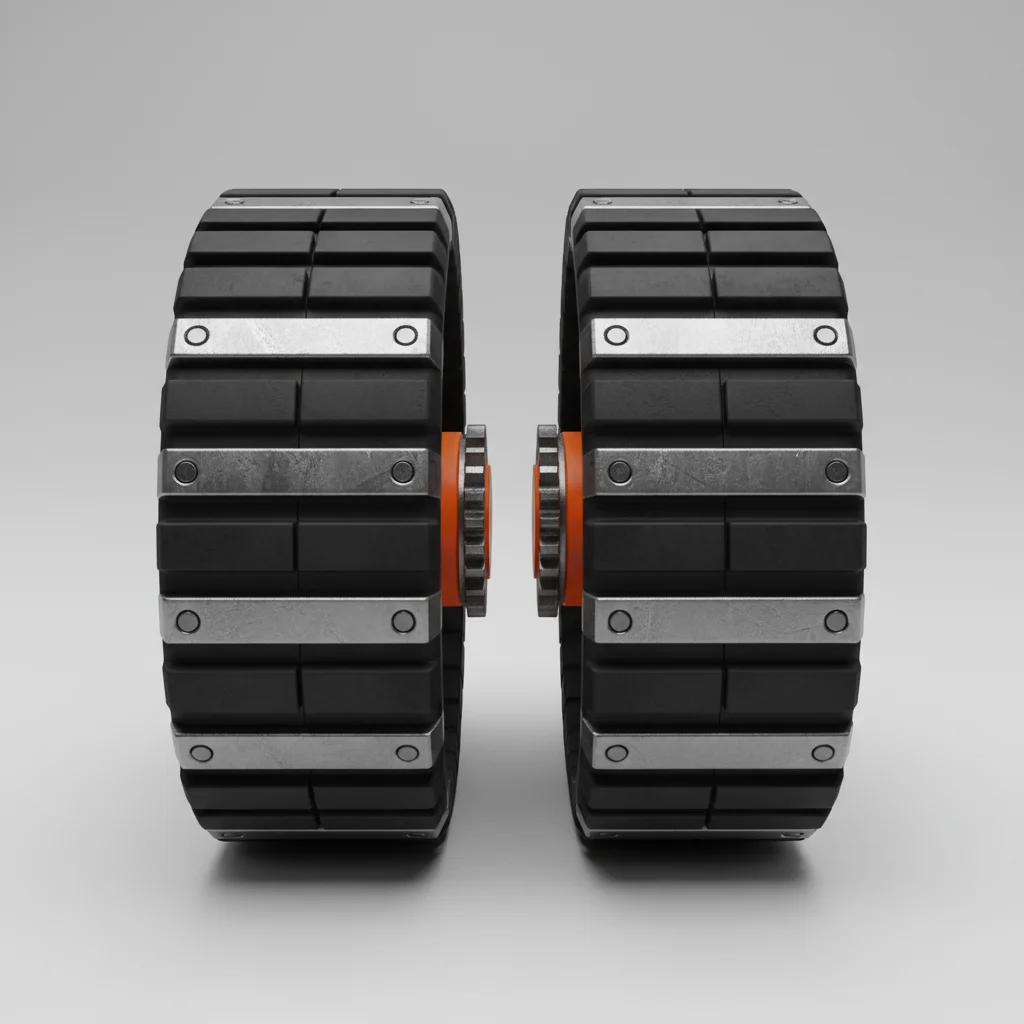
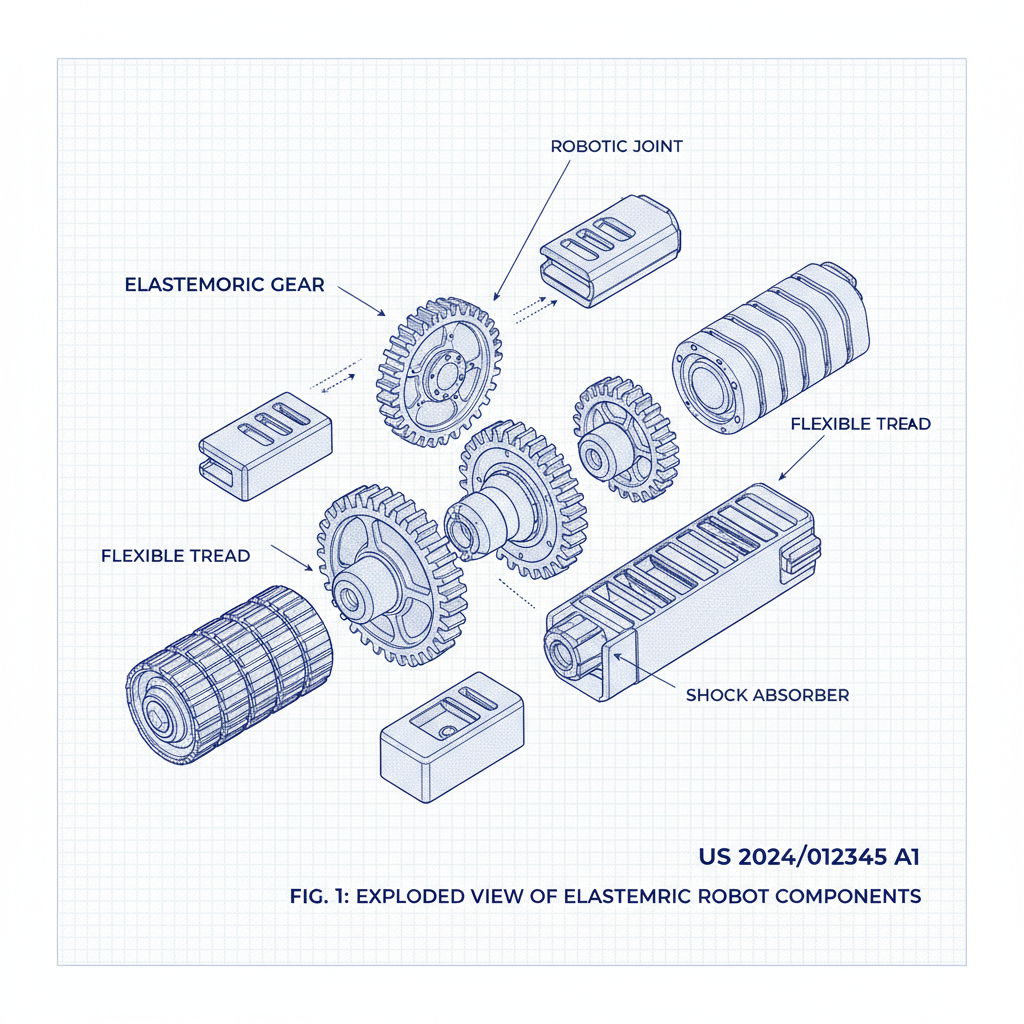
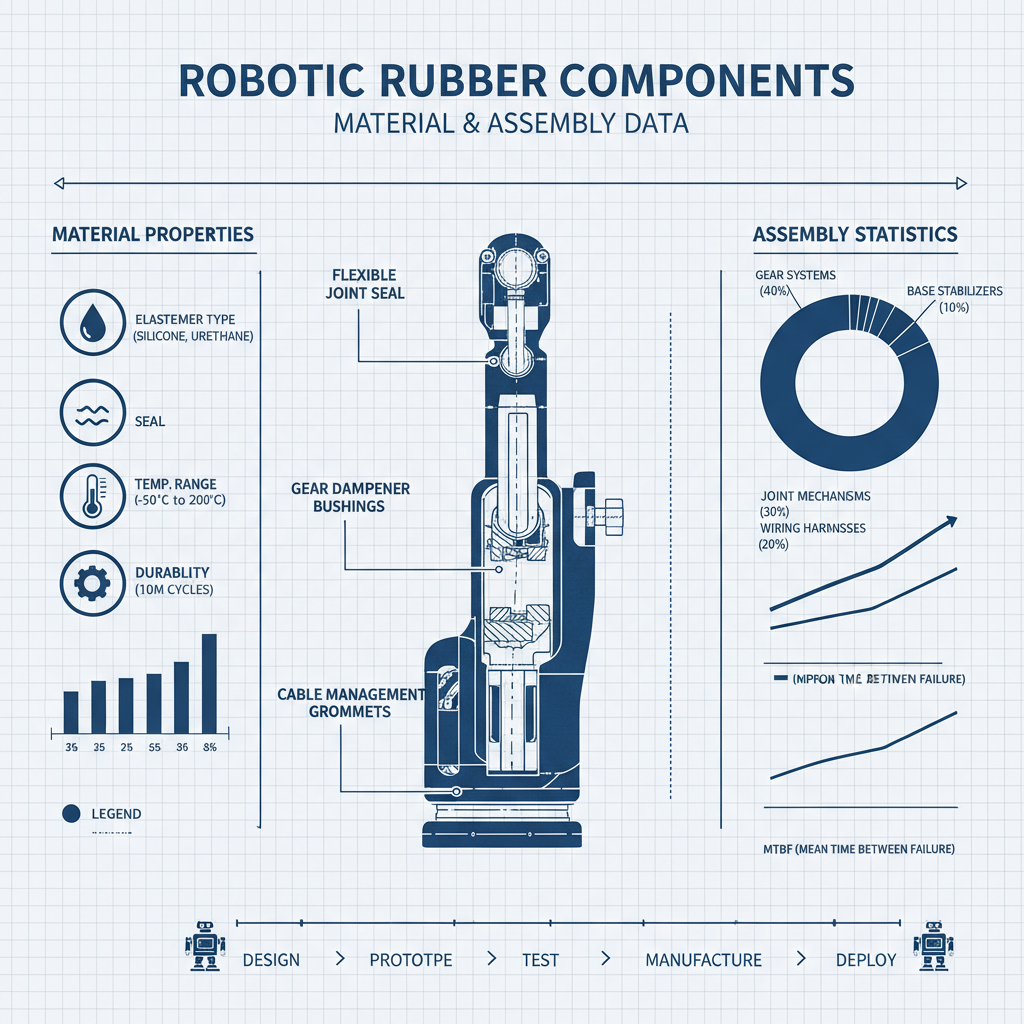
Robot rubber parts are not simply off-the-shelf components. They're highly specialized elements crafted from various elastomers – natural rubber, silicone, polyurethane, and others – selected for their unique properties, such as elasticity, resistance to wear, and temperature tolerance. These parts are essential for tasks requiring gripping, sealing, dampening vibrations, and providing shock absorption within robotic systems.

The selection of the correct material and manufacturing process significantly impacts the robot’s overall performance. A poorly chosen rubber part can lead to reduced precision, increased downtime, and potentially catastrophic failures. Therefore, understanding the properties and applications of different robot rubber parts is essential for engineers designing and maintaining these complex systems.

Global Relevance and Challenges

The global robotics market is projected to reach significant heights in the coming years. A report by Statista forecasts a market volume of US$85.70 billion in 2024, with an expected annual growth rate of 10.78% resulting in a projected market volume of US$141.80 billion by 2029. This expansion is driving an escalating demand for the sophisticated materials that comprise these machines, including specialized Robot rubber parts.

However, this growth presents several challenges. Maintaining consistent quality across global supply chains, particularly in a volatile geopolitical landscape, is a major concern. Furthermore, the need for increasingly durable and high-performance rubber components to meet the demands of advanced robotic applications – such as those in harsh environments like deep-sea exploration or space – necessitates continuous innovation in material science.

Another key challenge lies in reducing the environmental impact of rubber production and disposal. Sustainable sourcing of raw materials and the development of recyclable or biodegradable rubber compounds are becoming increasingly important considerations for manufacturers.

Defining Robot rubber parts

Robot rubber parts encompass a wide range of components manufactured from elastomeric materials designed to fulfill specific functions within a robotic system. These aren’t limited to simple seals or gaskets; they include complex shapes and geometries engineered for precise movement and interaction. Essentially, they are the flexible, resilient interfaces between the robot and its environment.

These parts play a crucial role in translating electrical signals into physical actions, providing the necessary grip for manipulation, and protecting sensitive internal components from external factors. The functionality of a robot can be severely compromised by inferior or improperly designed robot rubber parts.

Their connection to modern industry and humanitarian needs is undeniable. In manufacturing, they enable precision assembly and automated processes. In healthcare, they contribute to the development of surgical robots and prosthetic limbs. And in disaster relief, they assist in search and rescue operations, navigating dangerous environments, and providing essential aid.

Core Components & Characteristics

Several core characteristics define the quality and suitability of robot rubber parts. Firstly, Durability is paramount. These parts must withstand repeated stress, abrasion, and exposure to harsh chemicals without degrading. Secondly, Elasticity allows for consistent and reliable performance in dynamic applications.

Thirdly, Temperature Resistance is crucial for robots operating in extreme environments, maintaining functionality across a wide range of temperatures. Lastly, Precision Molding is essential for ensuring accurate dimensions and a perfect fit within the robotic assembly.

Robot Rubber Parts: Performance Metrics

Applications Across Industries

Robot rubber parts find extensive applications across a multitude of industries. In the automotive sector, they are vital for robotic assembly lines, ensuring precision welding and parts placement. In healthcare, they’re integral to surgical robots, providing delicate and controlled movements. Robot rubber parts also play a critical role in the aerospace industry for shock absorption and vibration damping.

In the logistics industry, robotic arms equipped with specialized rubber grippers handle delicate packages and streamline warehouse operations. In post-disaster relief operations, robots utilizing robust rubber components navigate rubble-strewn environments to locate survivors.

Advantages and Long-Term Value

The advantages of utilizing high-quality robot rubber parts are substantial. Cost-effectiveness stems from reduced downtime, increased reliability, and extended robot lifespan. Sustainability is enhanced through the use of durable materials, reducing the need for frequent replacements. Social impact is positive as robots become safer and more efficient, improving worker well-being.

Long-term value is derived from the increased precision, improved performance, and enhanced safety of robotic systems. Investing in superior robot rubber parts builds trust with customers and partners, solidifying a company’s reputation for quality and innovation.

Future Trends and Innovations

Several exciting trends are shaping the future of robot rubber parts. The development of self-healing elastomers promises to significantly extend component lifespan. Advancements in 3D printing allow for the creation of complex geometries and customized parts, tailored to specific robotic applications.

Furthermore, the integration of sensors within rubber components will enable real-time monitoring of stress, wear, and temperature, providing valuable data for predictive maintenance. The pursuit of bio-based and biodegradable rubber compounds aligns with growing demands for sustainable manufacturing practices.

Digital twins and simulation technologies will play a critical role in optimizing the design and performance of robot rubber parts, leading to improved efficiency and reduced development costs.

FAQS

What types of materials are commonly used to manufacture robot rubber parts?

Common materials include silicone rubber, polyurethane, natural rubber, and fluorocarbon elastomers (Viton). The choice depends on the specific application requirements, considering factors like temperature resistance, chemical compatibility, and mechanical properties. Silicone is often favored for its flexibility and temperature stability, while polyurethane offers excellent abrasion resistance. Proper material selection is crucial for optimal robot performance.

How can I determine the appropriate hardness (durometer) for a robot rubber part?

Durometer measures a material's resistance to indentation. Softer materials (lower durometer) are ideal for applications requiring high flexibility and conformity, such as sealing or gripping. Harder materials (higher durometer) are better suited for applications demanding durability and resistance to wear, like bearings or vibration mounts. Consider the force and pressure the part will experience during operation and consult with a materials engineer.

What is the impact of temperature on the performance of robot rubber parts?

Temperature significantly affects the physical properties of rubber. Extreme temperatures can cause rubber to become brittle, lose elasticity, or even decompose. High temperatures can also accelerate chemical degradation. Selecting materials with a wide operating temperature range and considering thermal expansion/contraction during design are essential for reliable performance in varying environments.

How do you ensure the long-term reliability of robot rubber parts?

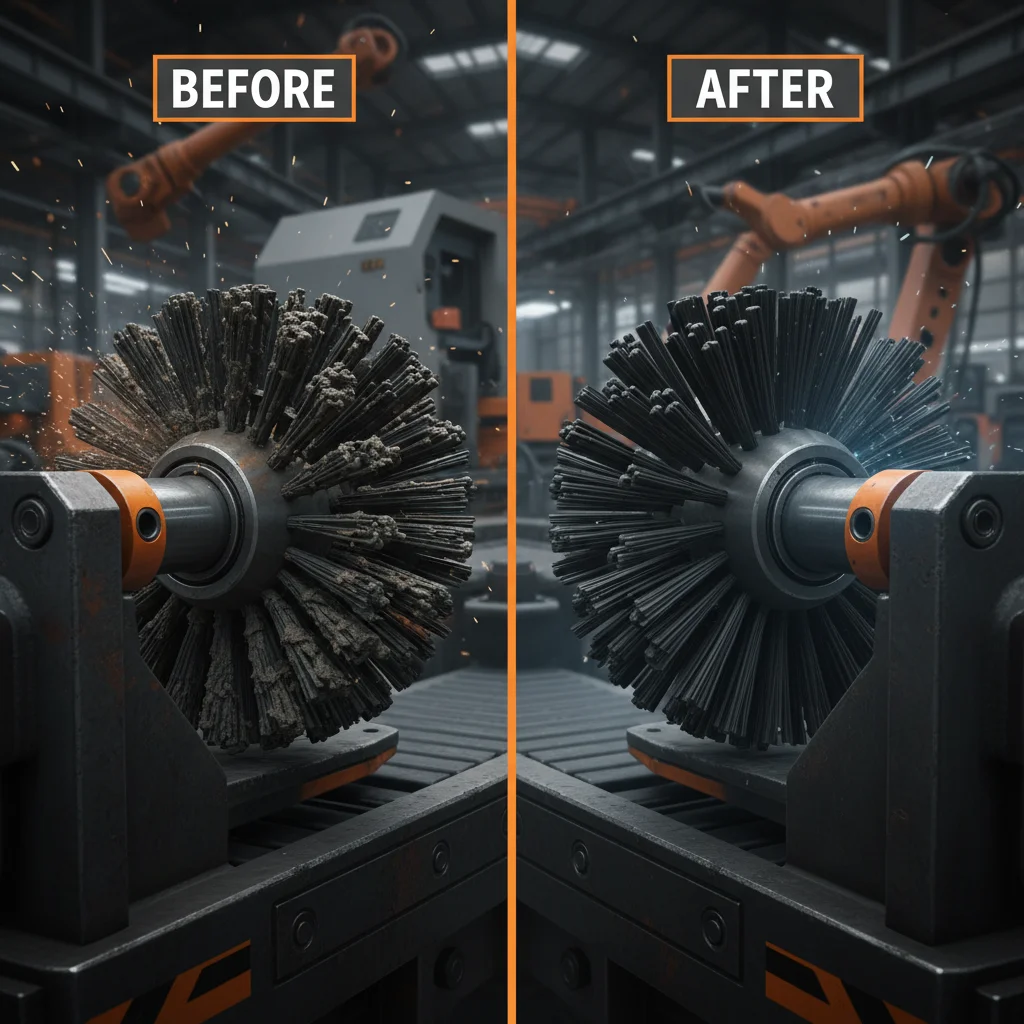
Long-term reliability is achieved through careful material selection, rigorous quality control during manufacturing, and preventative maintenance. Regular inspections for wear, cracking, and deformation are vital. Applying appropriate lubricants and protecting parts from harsh chemicals and UV exposure also contribute to extending their lifespan. Furthermore, implementing a condition monitoring system can provide early warning of potential failures.

Can custom robot rubber parts be designed and manufactured for specific robotic applications?

Yes, custom designs are often necessary to meet the unique requirements of specialized robotic applications. Manufacturers can utilize 3D printing, injection molding, and compression molding processes to create parts with precise geometries and tailored material properties. Providing detailed specifications, including CAD drawings and performance requirements, is crucial for successful custom part development.

What are the key considerations for selecting a supplier of robot rubber parts?

Key considerations include the supplier's experience with elastomeric materials, their manufacturing capabilities (e.g., molding, machining), quality control processes (ISO certification is a plus), and their ability to provide technical support and rapid prototyping. A reliable supplier will also offer competitive pricing, on-time delivery, and adherence to industry standards.

Conclusion

In conclusion, robot rubber parts are indispensable components driving the growth and innovation of the robotics industry. Their ability to provide flexibility, durability, and precise functionality is critical to the success of robots across diverse applications. Investing in high-quality materials, employing advanced manufacturing techniques, and continuously innovating in material science are paramount for meeting the evolving demands of this dynamic field.

Looking forward, embracing sustainable practices, exploring self-healing materials, and leveraging digital technologies will further enhance the performance, reliability, and longevity of robot rubber parts. By prioritizing these advancements, we can unlock the full potential of robotics and create a more efficient, safe, and sustainable future. Visit our website at www.sunlitetek.com to learn more about our comprehensive range of robotic rubber solutions.

James Thompson

James Thompson

James Thompson is a Senior R&D Engineer at Guangdong Sunlite, with a PhD in Polymer Chemistry. He leads a team focused on developing next-generation functional materials, specifically targeting applications in automotive and rail transit industries. James is a key contributor to Sunlite’s growing patent portfolio, having authored several invention patents related to vibration damping and noise reduction technologies. His work leverages Sunlite’s CNAS-certified testing center and provincial engineering technology R&D center. James specializes in material formulation and characterization, ensuring all products comply with international environmental standards like RoHS and REACH.
Previous Advancements in Robot Rubber Accessories for Enhanced Robotic Performance
Next Enhancing Performance and Safety with the Innovative Robor Rubber Handle

If you are interested in our products, you can choose to leave your information here, and we will be in touch with you shortly.

  • captcha