

 Select Language
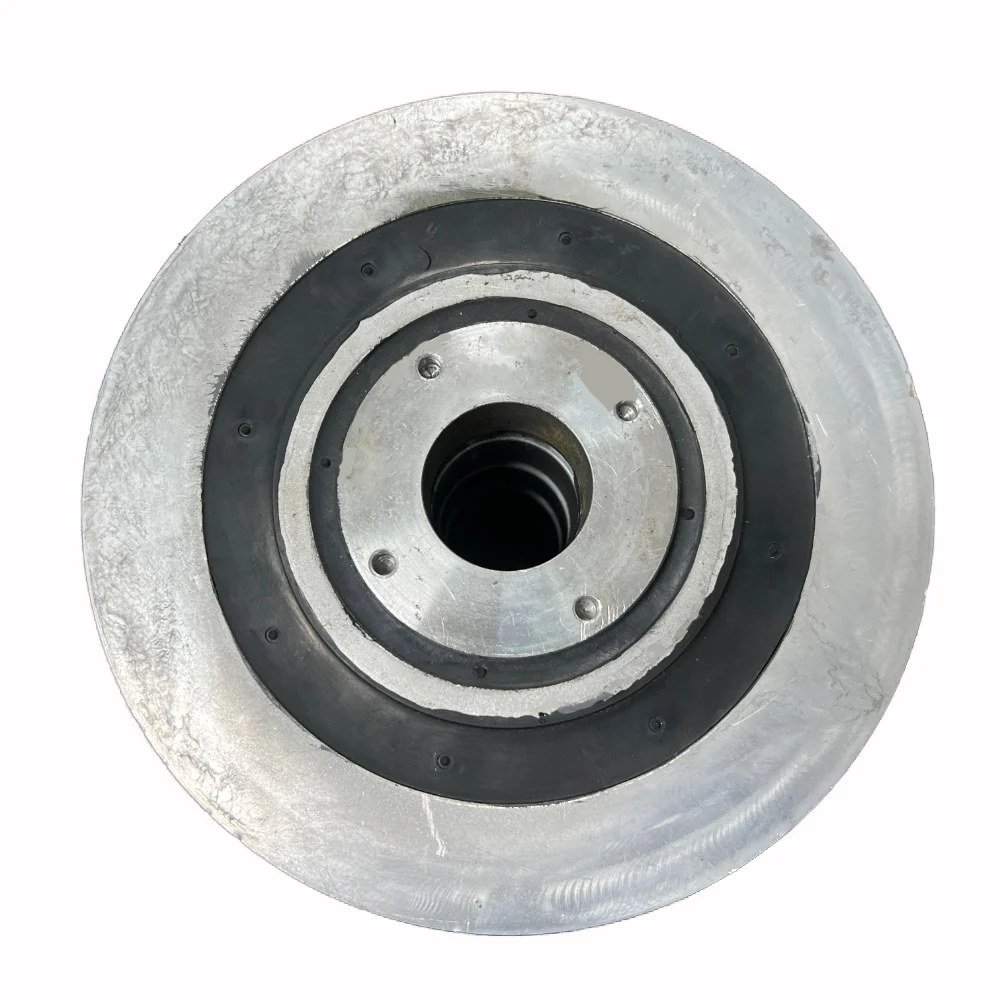
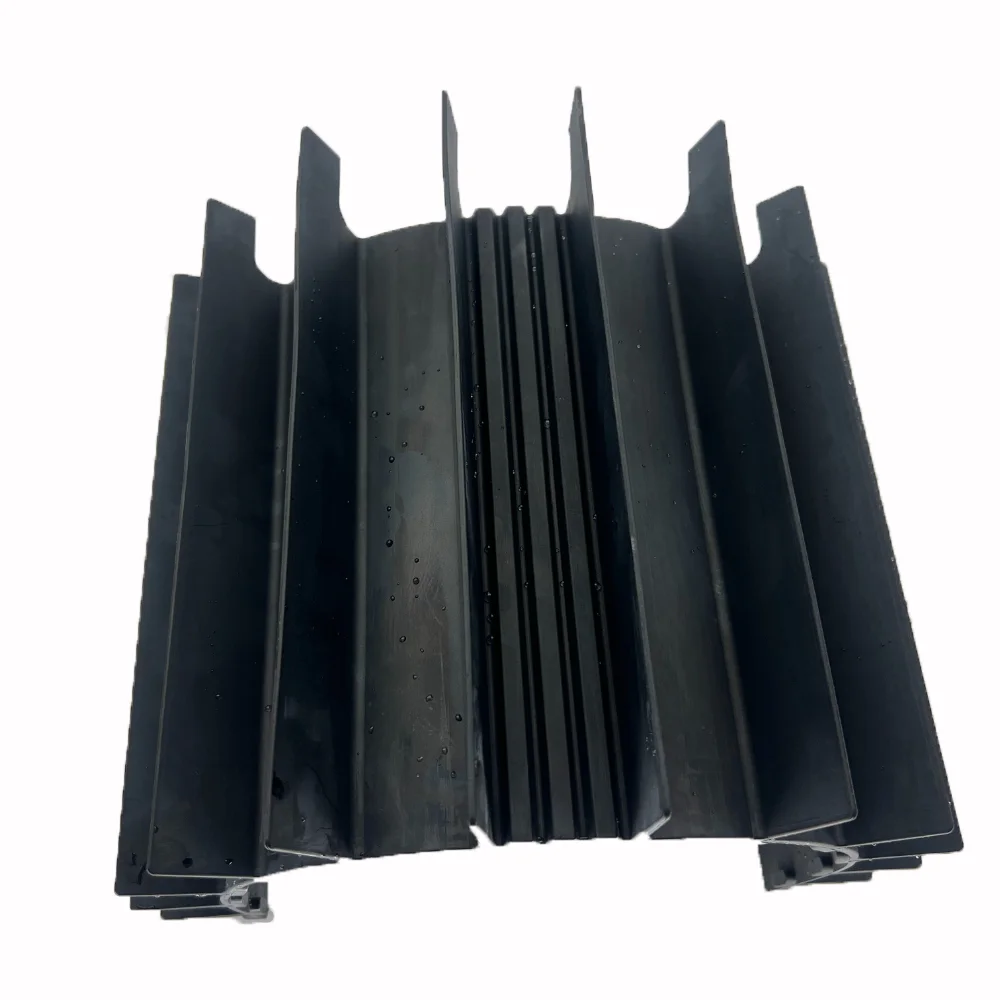
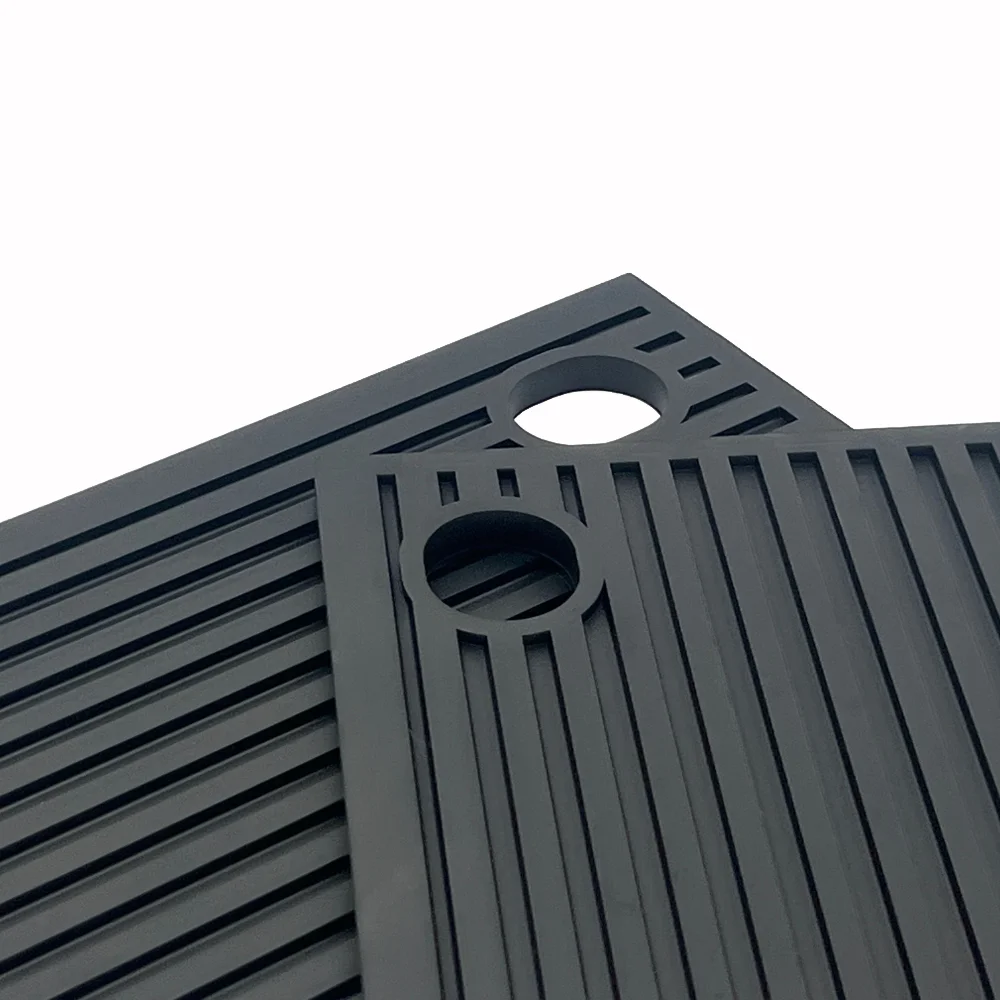
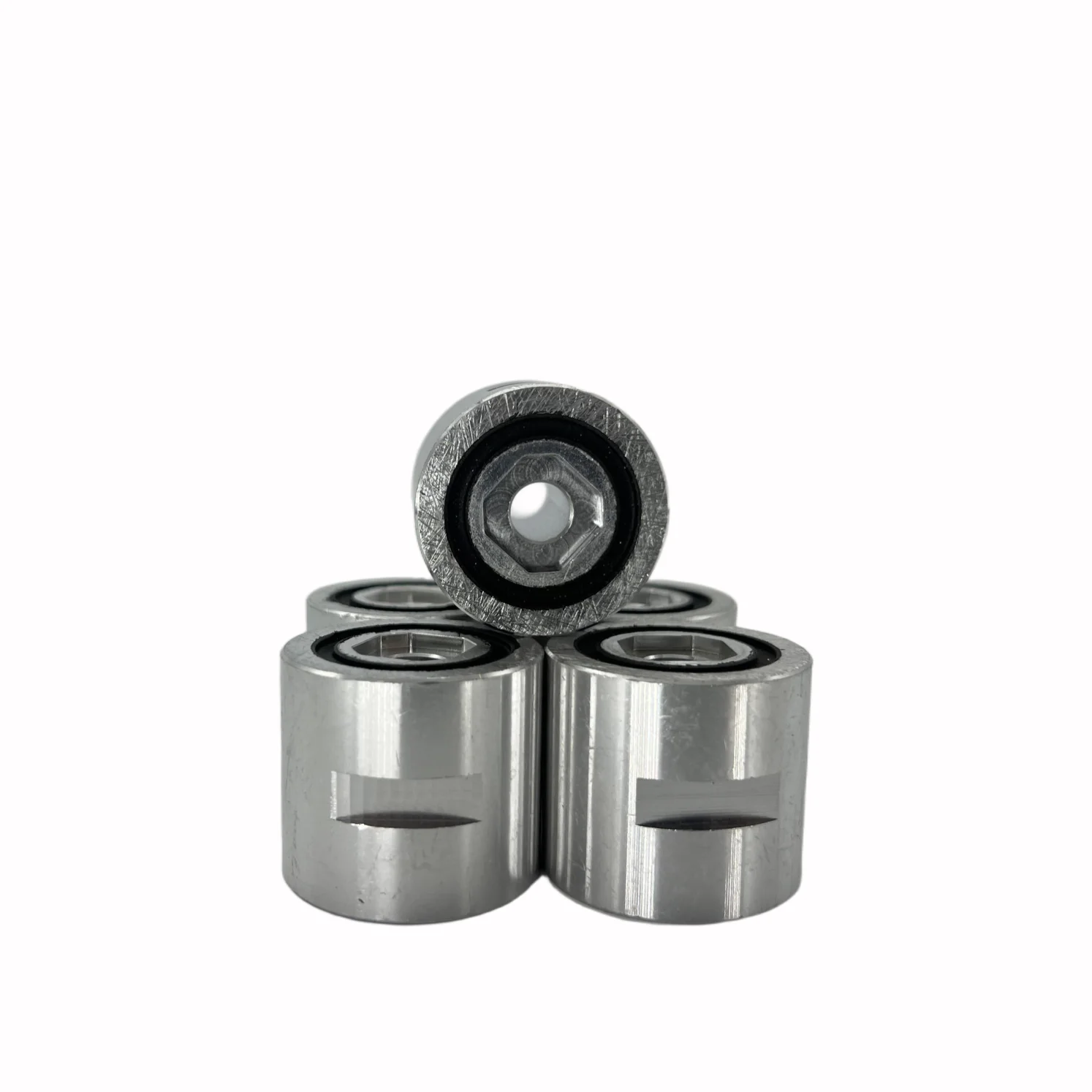
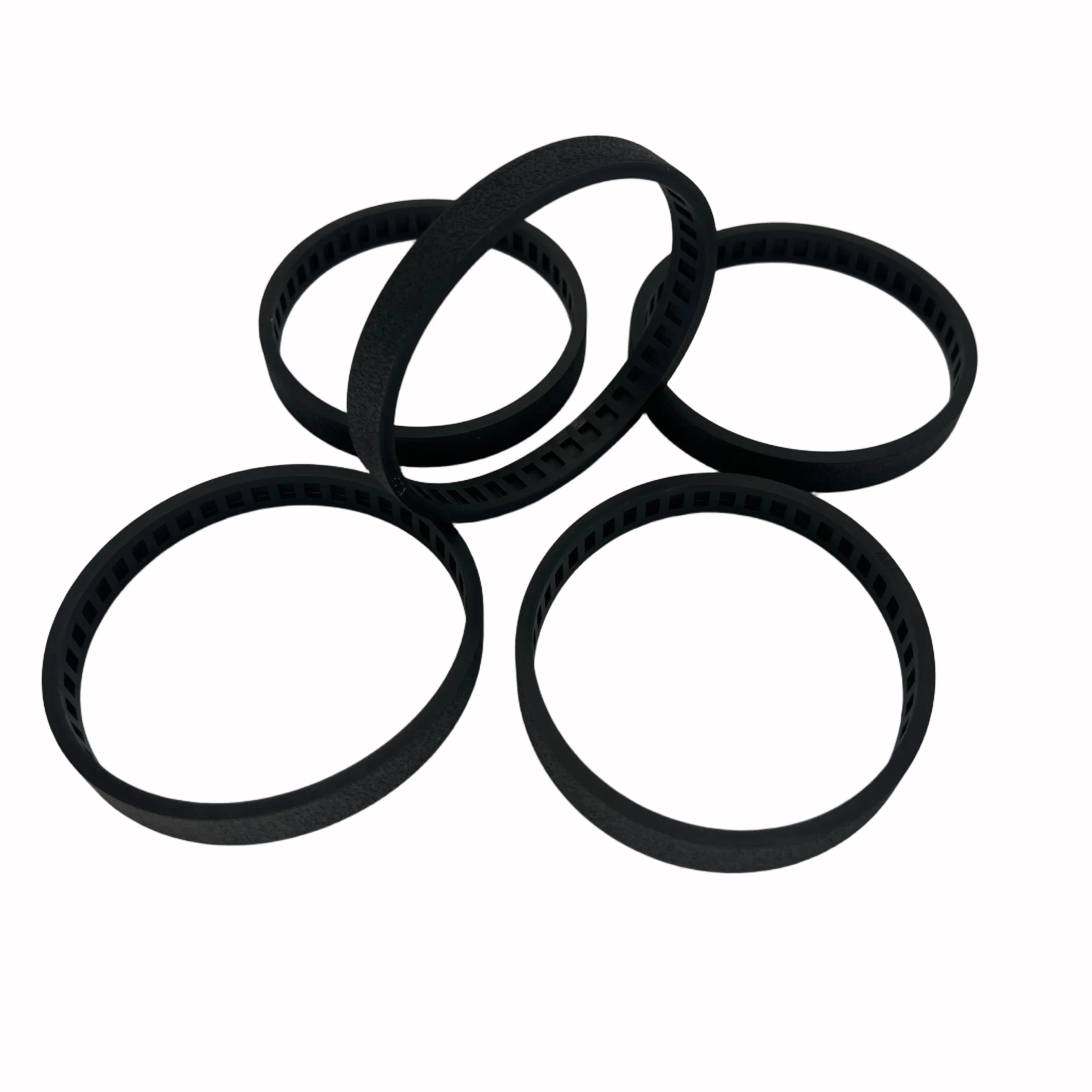
High-performance rubber tank tracks for robots are crucial components for underwater and terrestrial robotic mobility. Designed for durability, chemical resistance, and traction, these tracks ensure reliable operation in challenging environments. From industrial maintenance to underwater exploration, they provide robots with the stability needed to complete complex tasks efficiently.
Heavy Duty Robot Tracks for Tough Environments
Heavy duty robot tracks are engineered to withstand extreme conditions such as underwater pipelines, sediment zones, and hazardous environments. Constructed with NBR nitrile rubber, these tracks offer superior resistance to chemical corrosion, UV exposure, and ozone aging. Their robust design allows robots to traverse slippery surfaces, climb pool walls, and operate in confined spaces without losing traction. With customizable options, heavy duty robot tracks adapt to specific robot designs and mission requirements, ensuring longevity and operational reliability.
Robot Tank Tracks for Submarine Inspection
For underwater inspection tasks, robot tank tracks are essential for stability and precision. These tracks provide consistent friction performance, enabling robots to maintain contact with slippery surfaces, pipelines, and pool walls. By resisting chemical and environmental degradation, robot tank tracks prevent slippage and ensure smooth navigation over submerged structures. This makes them indispensable for submarine pipeline/cable inspection, where maintaining orientation and speed is critical for accurate data collection and operational efficiency.
Caterpillar Tracks for Sediment and Sludge Zones
Operating in sediment or sludge zones requires caterpillar tracks for robots that deliver strong adhesion and durability. These tracks are specifically designed to handle the challenges of underwater debris, soft sediments, and uneven surfaces. The NBR rubber composition provides chemical resistance, preventing swelling or cracking when exposed to chlorine, acids, or other corrosive agents. Caterpillar tracks maintain mobility even in complex underwater environments, ensuring that robots can perform sediment and sludge zone operations without interruption.
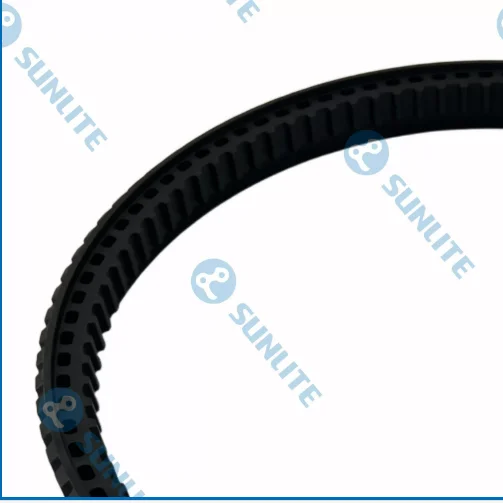
Rubber Tank Tracks for Hazardous or Confined Spaces
Inspecting hazardous or confined spaces demands rubber tank tracks for robots that can navigate tight and potentially dangerous areas safely. These tracks offer stability and flexibility, allowing robots to move efficiently in high-risk environments like chemical plants, underwater confined areas, or nuclear inspection sites. Their resistance to temperature fluctuations, ozone, and UV exposure ensures reliable performance over extended operations. Rubber tank tracks provide the foundation for robots to access difficult-to-reach areas while protecting sensitive components from environmental damage.
Heavy Duty Robot Tracks for Nuclear and High-Radiation Inspection
In high-radiation or nuclear environments, heavy duty robot tracks are designed for exceptional resilience and safety. These tracks maintain traction and structural integrity under challenging conditions, including radiation exposure, extreme temperatures, and chemical hazards. Their durability allows inspection robots to perform critical tasks in nuclear facilities, underwater inspection, and other high-risk scenarios. By combining robust adhesion, chemical resistance, and environmental durability, these tracks ensure reliable operation and long service life for specialized robots.
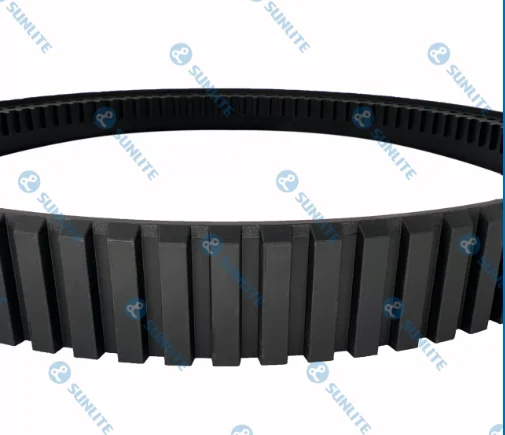
Rubber Robot Tracks Applications and FAQs
Rubber robot tracks are highly versatile, widely used in application scenarios such as underwater structure inspection, pipeline monitoring, sludge zone operations, hazardous space exploration, and nuclear facility inspection. Their excellent friction, corrosion resistance, and durability make them indispensable for industrial, scientific, and maintenance operations. Investing in high-quality rubber robot tracks enhances operational reliability, reduces downtime, and ensures safe navigation in complex environments.
What materials are used for rubber robot tracks?
The tracks are made primarily from NBR (nitrile rubber), offering chemical resistance, UV protection, and long-term durability.
Can these tracks be customized for specific robot designs?
Yes, manufacturers can adjust track length, width, tread pattern, and hardness to fit your robot’s operational needs.
Are these tracks suitable for underwater operations?
Absolutely. They are designed to provide stable traction on slippery surfaces, pool walls, pipelines, and sediment zones.
How do these tracks resist chemical and environmental damage?
The NBR rubber composition ensures resistance to chlorine, acids, UV radiation, ozone, and temperature fluctuations, preventing cracking or swelling.
Where can I purchase rubber robot tracks for industrial or personal use?
You can explore our full range of tracks and place orders on the company website. Visit our site to find the right rubber tank tracks for your application scenarios and ensure reliable robotic mobility.
Reliable rubber tank tracks for robots are critical for efficient and safe operations in challenging environments. From heavy-duty industrial applications to underwater maintenance, these tracks deliver unmatched traction, durability, and performance. Don’t compromise your robot’s reliability—visit our website today to choose the perfect tracks for your specific needs and elevate your robot’s operational capabilities.
High-performance rubber tank tracks for robots are crucial components for underwater and terrestrial robotic mobility.