

 Select Language
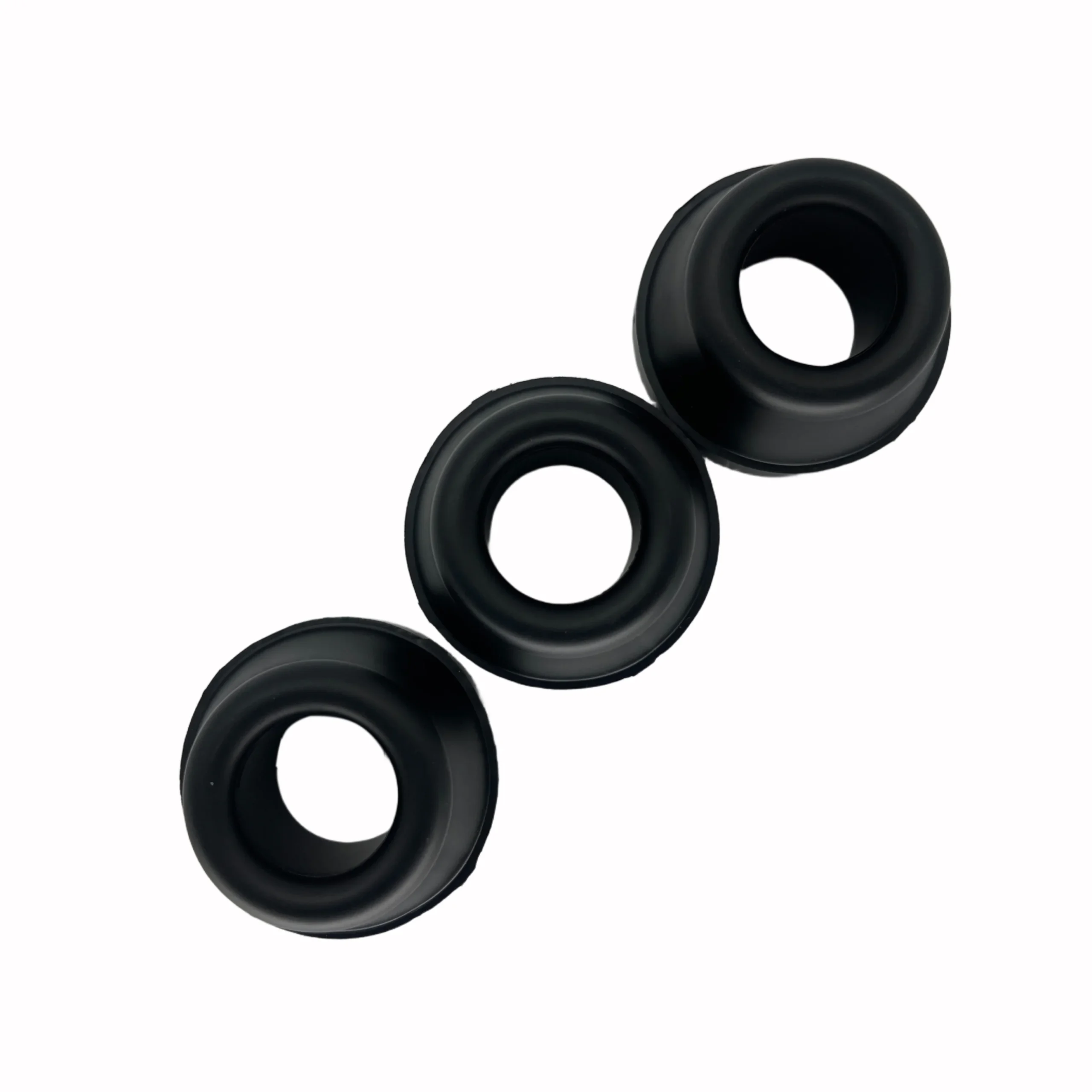
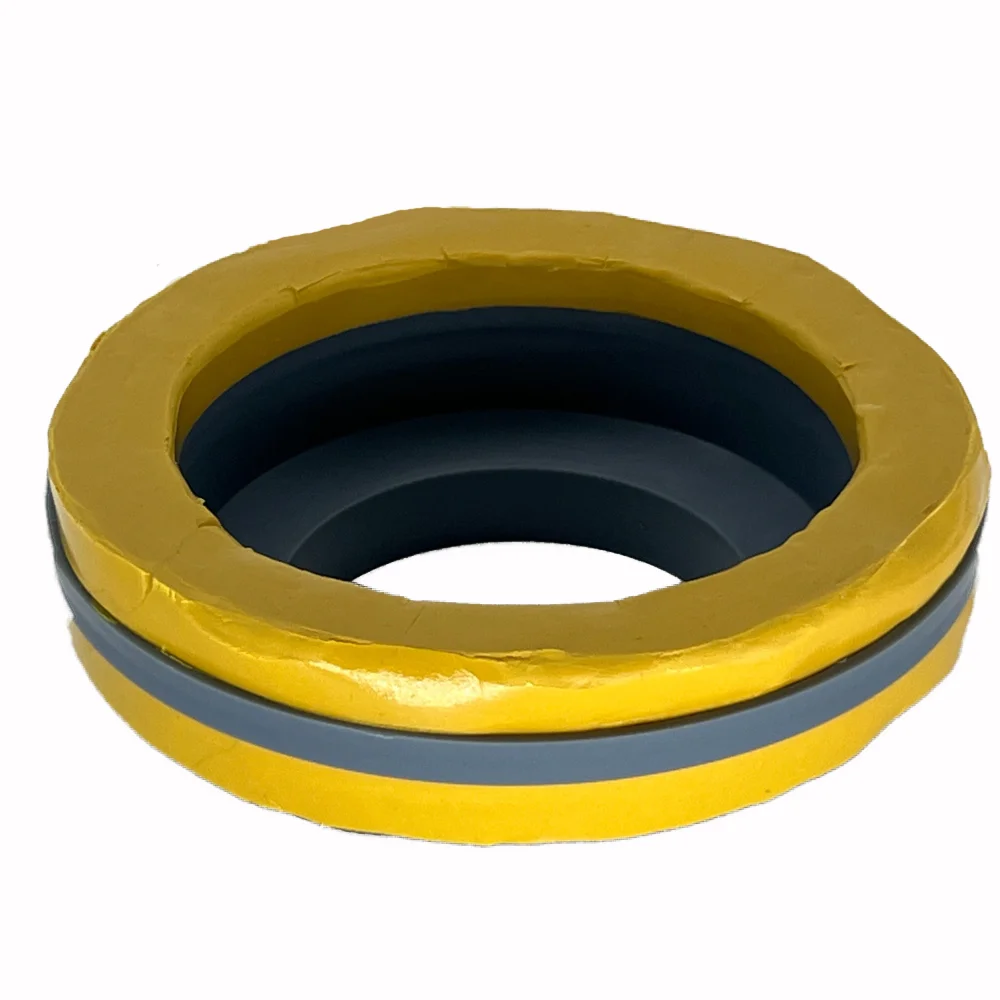
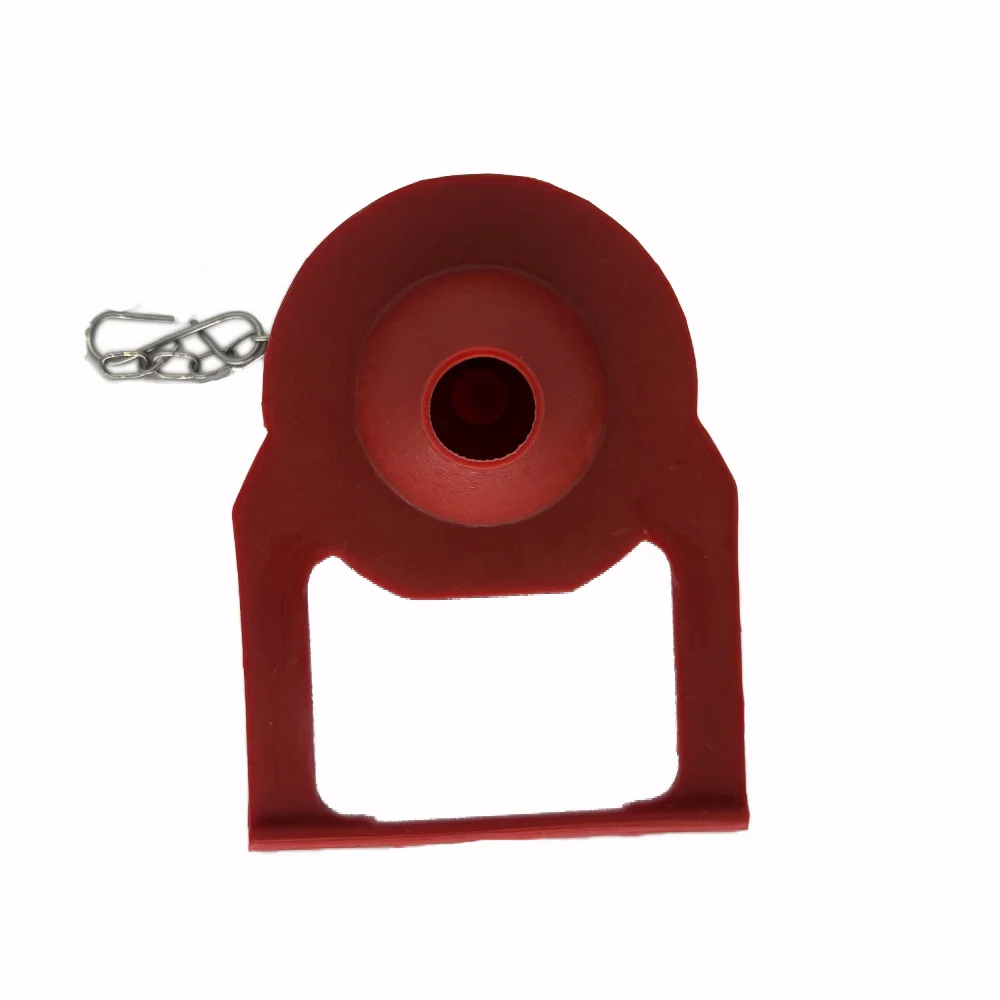
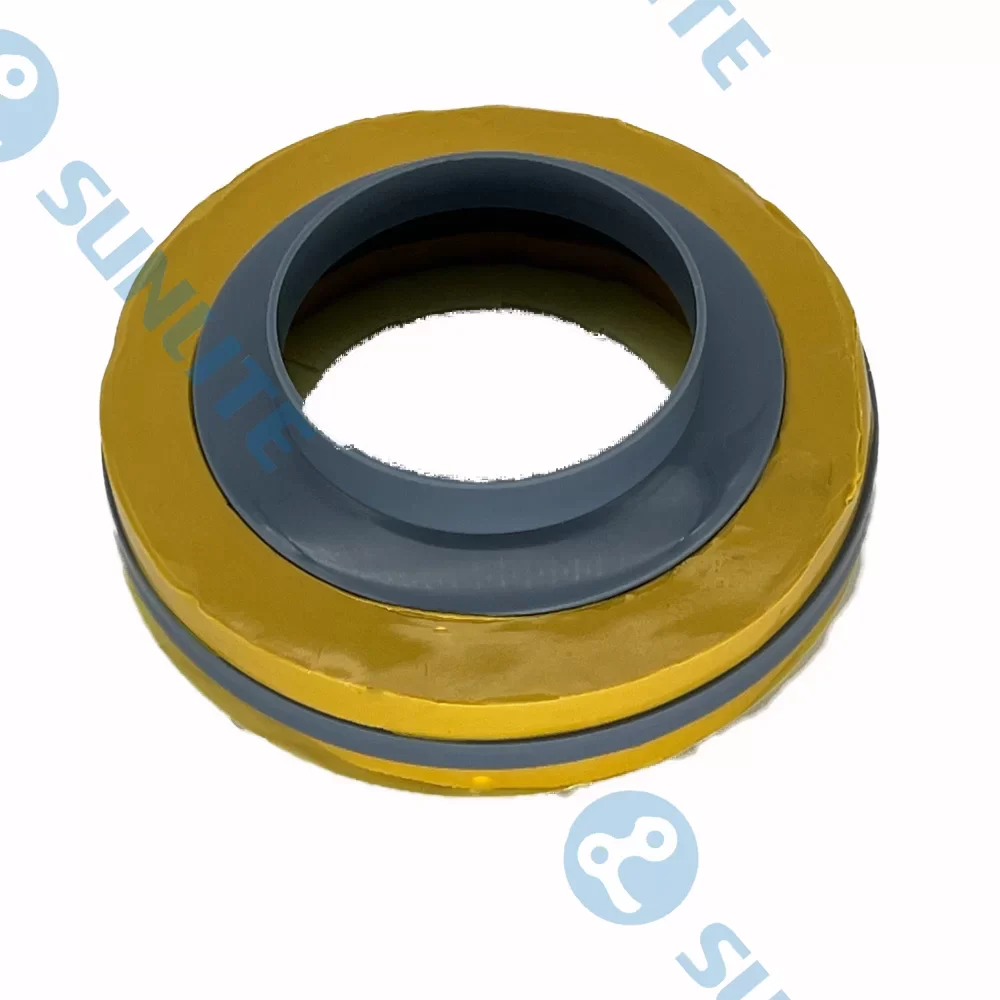
You know, for years, plumbers and DIY enthusiasts alike have been grappling with the age-old wax ring. It's been the go-to solution for sealing toilets, but to be honest, it came with its fair share of headaches. Melts in the heat, cracks in the cold, messy installations... the list goes on. But times, as they say, are a-changin'. There's a new kid on the block, and it's making quite a splash: the toilet flange seal. Or, as many of us are starting to call it, the waxless toilet ring.
The Evolution of Toilet Sealing: From Messy Wax to Modern Marvels
I've seen a lot of trends come and go in this industry, but the shift towards waxless solutions for sealing the interface between the toilet bowl and the sewage pipe feels genuinely significant. Traditional wax rings, while effective for a time, were notoriously temperature-sensitive. Ever tried installing one on a chilly morning? Brittle as an old cracker! Or in a sweltering bathroom? It gets soft, almost too pliable, making a clean, stable seal a real challenge.
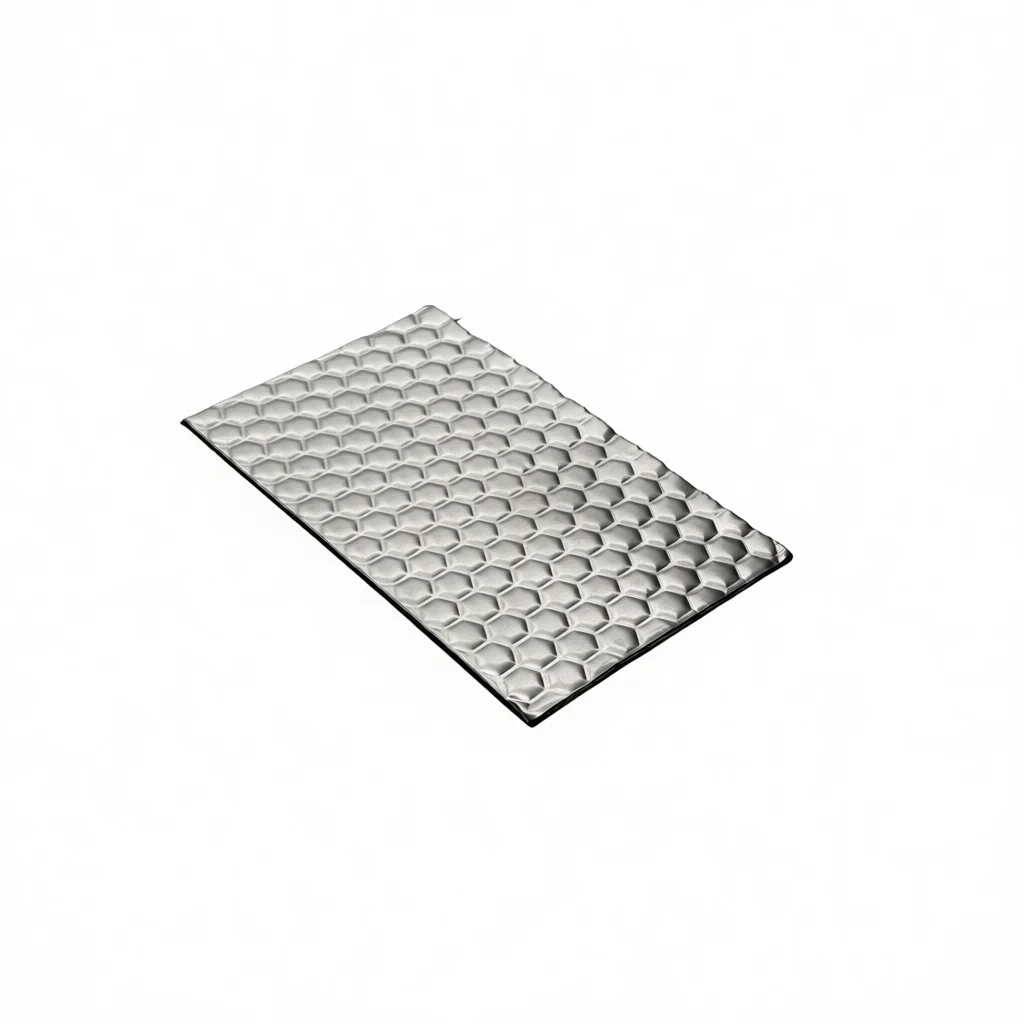
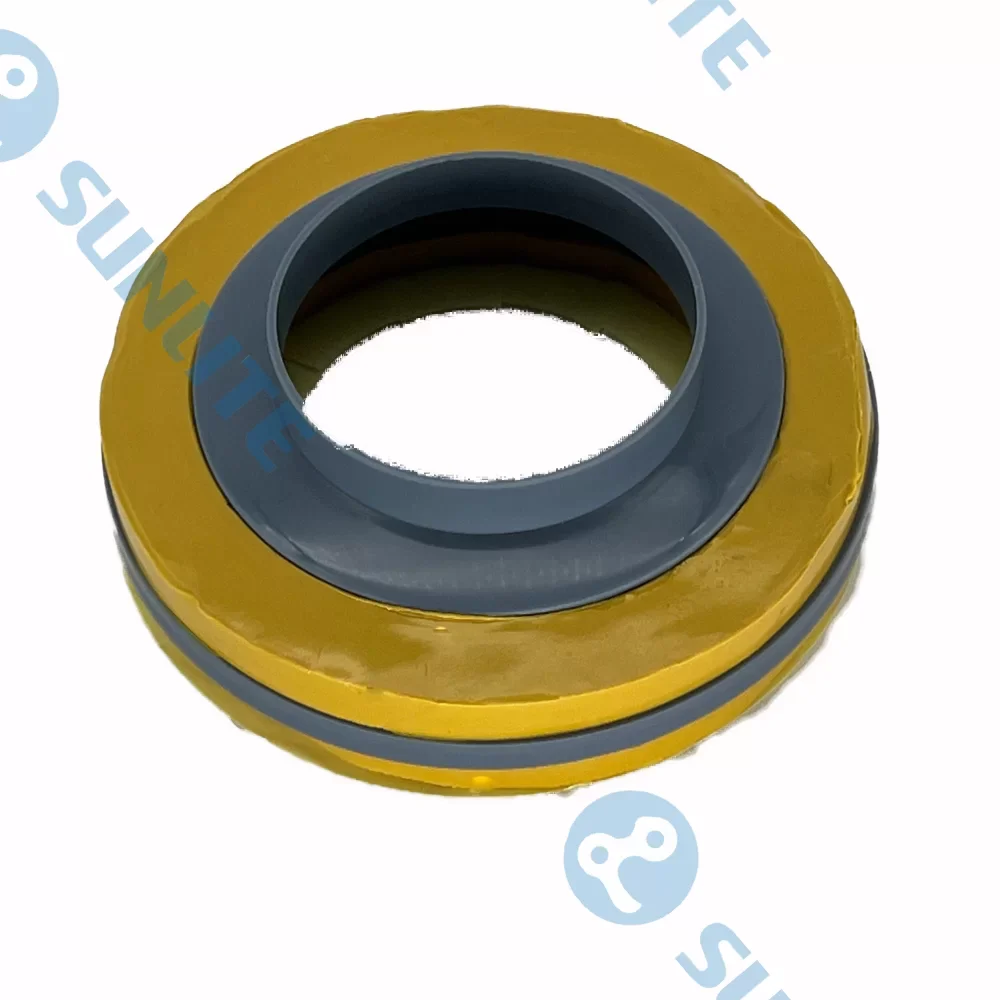
The modern waxless toilet ring, like the one we're discussing today, addresses these pain points head-on. They're typically made from advanced materials, often a highly adhesive butyl rubber composite. This isn't just some fancy marketing jargon; butyl rubber is incredibly flexible, yet dense, forming a seal that's both robust and forgiving. It's designed to adapt, which is crucial when you're dealing with the slight imperfections of ceramic and flooring.
What Makes These New Seals So Good? Technical Deep Dive
Let's get down to the nitty-gritty. When we talk about a high-performance toilet flange seal, we're talking about a product engineered for reliability. The core material here is a Butyl rubber composite sealing mastic. This isn't just any old rubber; it's chosen for its specific properties.
· Material Prowess: The IIR (Isobutylene-isoprene rubber) butyl offers fantastic adhesion and excellent resistance to chemicals and weathering.
· Temperature Toughness: Perhaps the biggest win over wax is the operating temperature range. We're talking -40℃ to 80℃! That means no melting on a hot summer day, and no brittleness during a cold snap. This ensures a stable seal year-round, which is frankly a huge relief for homeowners and plumbers alike.
· Leak-proof and Odor-proof: The highly plastic mastic structure literally fills gaps, creating a superior seal that prevents both water leakage and, importantly, the dreaded sewage odor diffusion. Nobody wants that in their bathroom, right?
· Eco-friendly & Anti-aging: Modern products are designed with the environment in mind. Many, including this one, boast certifications like RoHS2.0, REACH, PAHs, POPs, TSCA, and PFAS compliance, meaning they are free of harmful solvents and asphalt. Plus, they're built to last, resisting aging far better than wax.
Product Specification Snapshot
Feature | Specification (Toilet Flange Seal) |
Main Material | Butyl rubber composite sealing mastic (IIR) |
Temperature Resistance | -40℃ to 80℃ (no deformation) |
Sealing Performance | Water-resistant sealing ≥ 0.3MPa |
Adhesion Strength | To ceramic, PVC, SS etc. ≥ 18N/25mm |
Environmental Compliance | RoHS2.0, REACH, PAHs, POPs, TSCA, PFAS |
Installation | Soft, malleable, no heating required, easy to shape |
Service Life | Long-term stable sealing (typically 10+ years) |
Where Do These Seals Shine? Application Scenarios
Honestly, the versatility of these waxless toilet rings is impressive. They're not just for new installations, which is great because let's face it, most of us are doing replacements or repairs.
· New Toilet Installations: Obviously, the primary use. Ensures a perfect, stable seal from day one.
· Bathroom Renovations & Maintenance: Ideal for replacing old, failing wax rings during a toilet swap or when you're just maintaining an existing setup. They offer excellent compatibility with various floor-drain and wall-drain structures.
· Sealing Toilet Base to Floor: Beyond the main waste pipe, these seals help stabilize the toilet and prevent any subtle leaks at the very base, which can cause floor damage over time.
· Commercial Applications: From busy hotels and public toilets to hospitals, where hygiene and long-term reliability are paramount, these seals provide a robust solution, far outperforming traditional wax.
Comparing Options: Wax vs. Waxless and Beyond
It's clear that the landscape for toilet seals has changed. Here's a quick look at how the latest toilet flange seal technology stacks up against older methods and even some generic waxless alternatives.
Vendor/Product Comparison
Feature | Standard Wax Ring | Generic Waxless Ring | High-Performance Waxless Toilet Flange Seal (e.g., Butyl-based) |
Material | Petroleum wax | EVA foam, rubber, plastic | Butyl rubber composite mastic |
Temperature Range | Limited (melts in heat, brittle in cold) | -10℃ to 60℃ (real-world use may vary) | -40℃ to 80℃ (stable performance) |
Leak/Odor Prevention | Good, but prone to failure with movement/temp shifts | Variable, can be less robust than wax initially | Excellent, fills gaps, maintains seal under stress |
Installation Mess | Very messy | Clean, but can be rigid | Clean, malleable, easy to position |
Reusability/Readjustment | No (destroys upon removal) | Some models allow minor adjustment | Allows for repositioning, maintains integrity |
Environmental Impact | Variable, not always eco-certified | Depends on materials, some are better | Eco-friendly (RoHS2.0, REACH, etc.), no harmful solvents |
The Bottom Line: A Better Seal for Modern Plumbing
When you're installing or replacing a toilet, the last thing you want is a call-back due to a leak or, worse, a persistent sewer gas smell. Investing in a high-quality waxless toilet ring, especially one based on advanced butyl rubber technology, really pays dividends in peace of mind. The ease of installation, the superior temperature resistance, and the long-term reliability make it a clear winner over traditional wax. Plus, the environmental certifications are a nice bonus, knowing you're not introducing harmful substances into your home or the waste stream. It just makes sense, doesn't it?
Further Reading & Authoritative Standards
1. International Association of Plumbing and Mechanical Officials (IAPMO). (n.d.). Uniform Plumbing Code (UPC).
2. European Chemicals Agency (ECHA). (n.d.). REACH Regulation Guidance.
3. U.S. Environmental Protection Agency (EPA). (n.d.). Toxic Substances Control Act (TSCA).
4. International Electrotechnical Commission (IEC). (n.d.). RoHS 2.0 Directive: 2011/65/EU.
You know, for years, plumbers and DIY enthusiasts alike have been grappling with the age-old wax ring.