

 Select Language
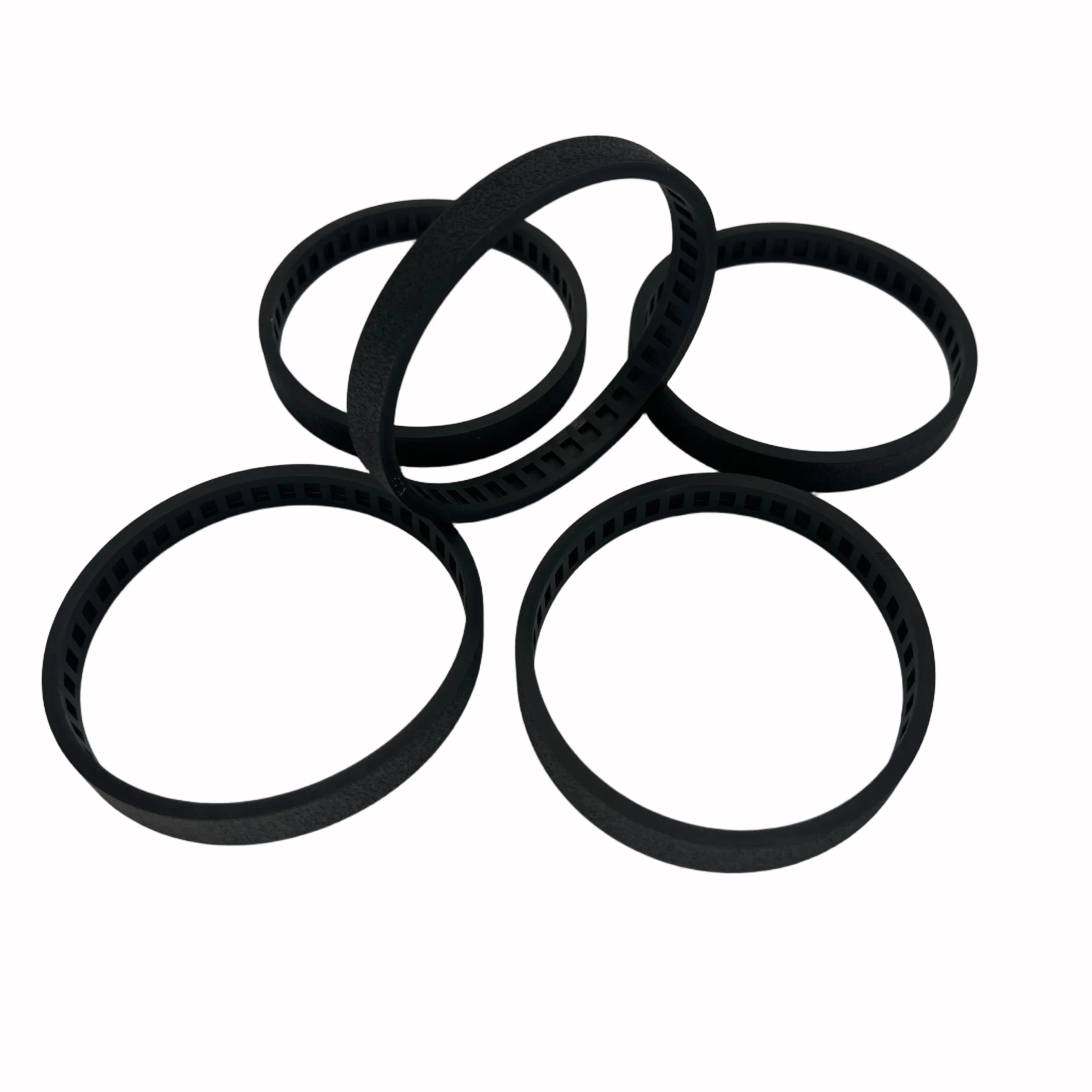
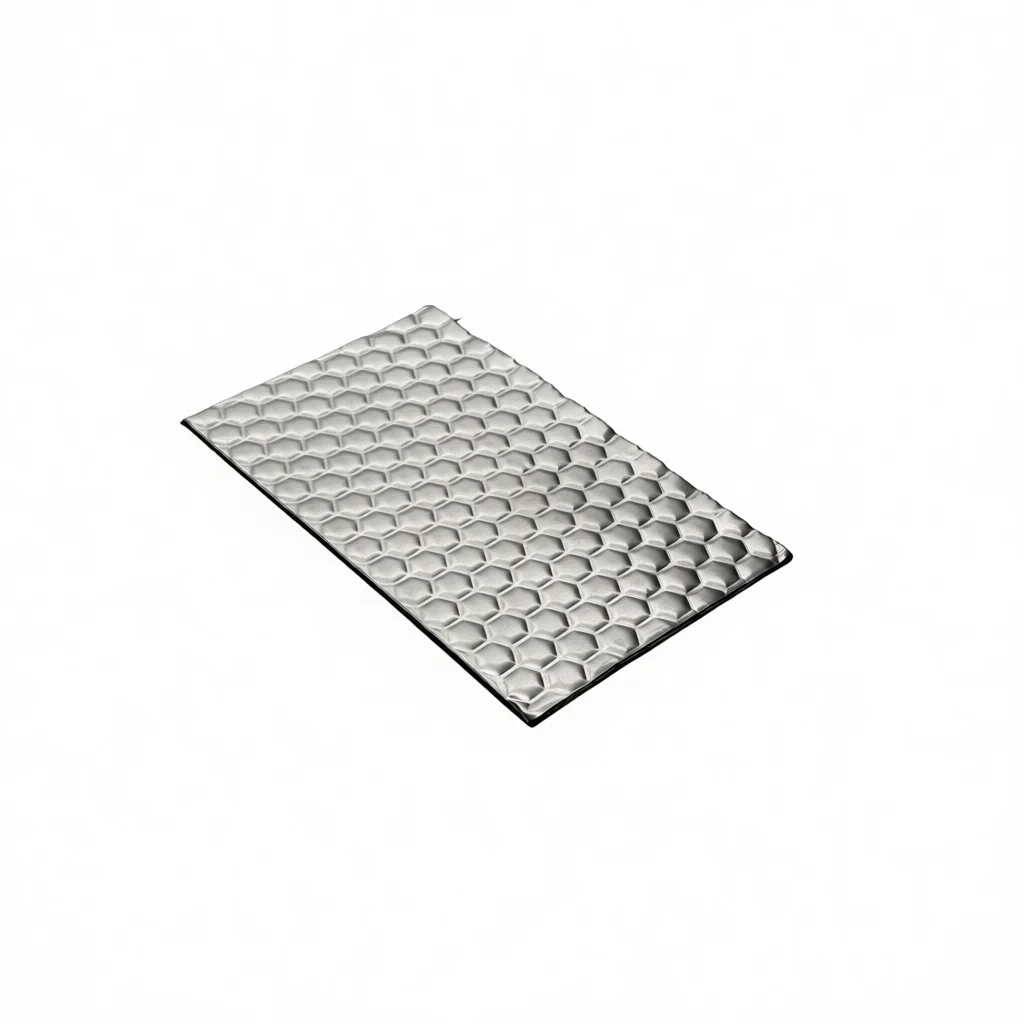
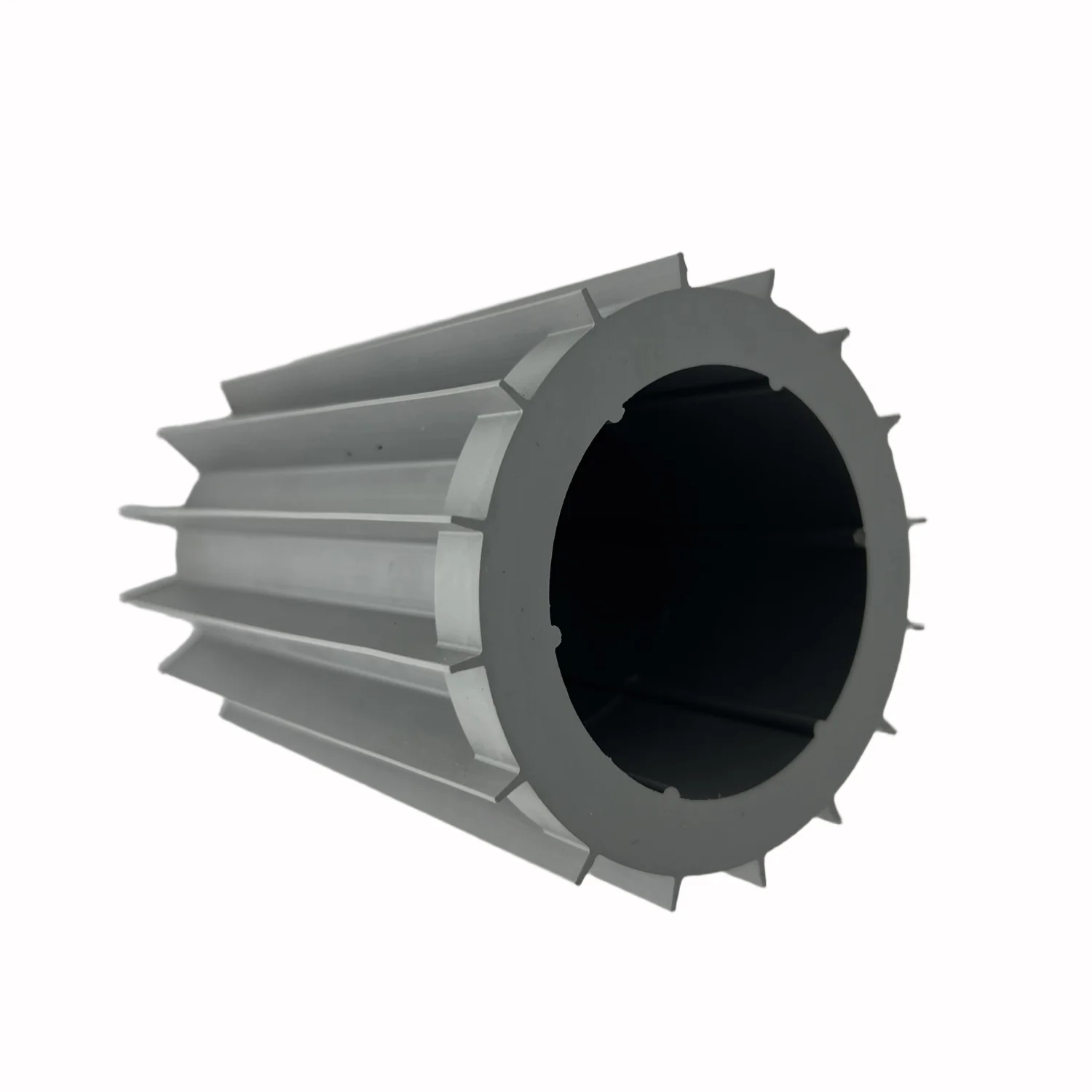
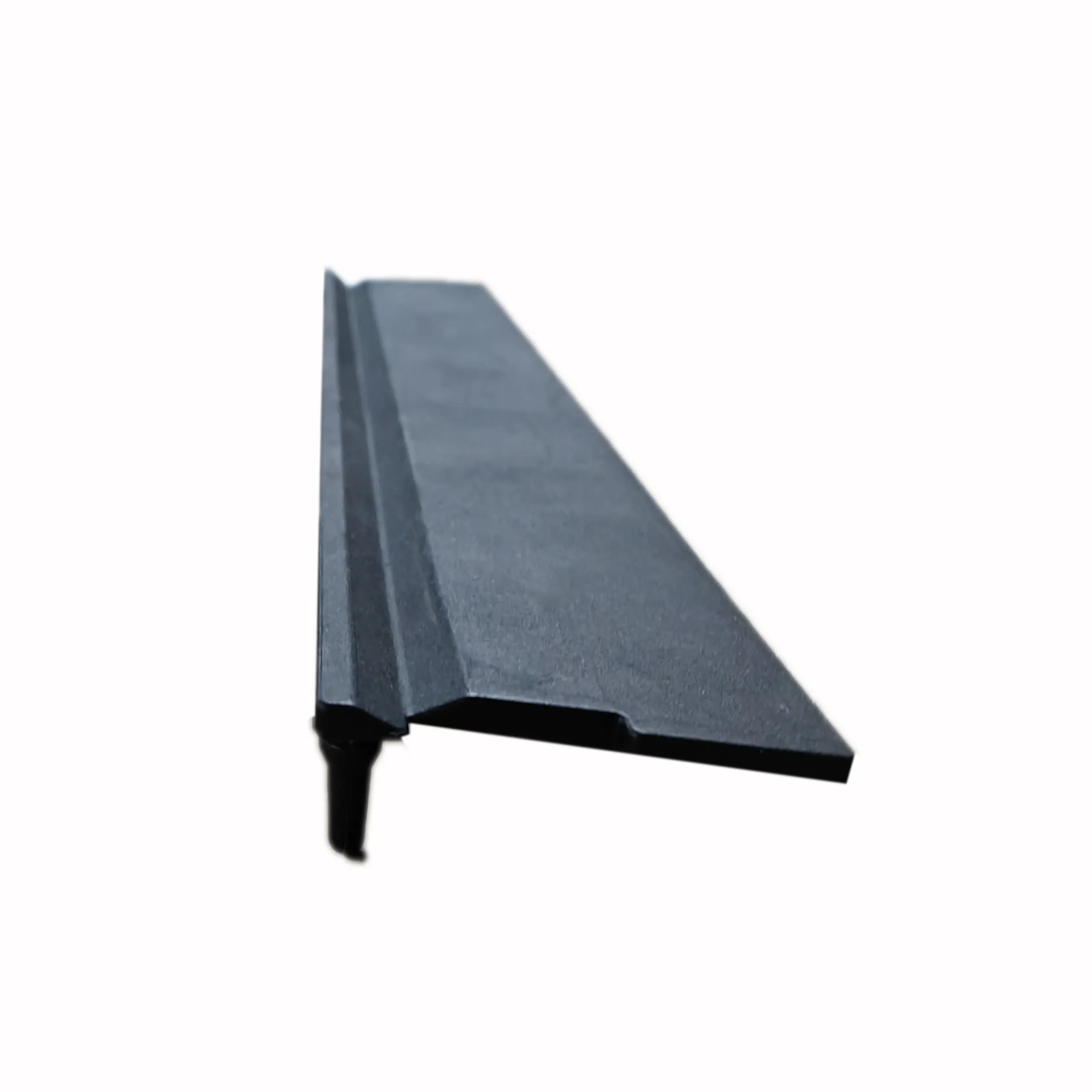
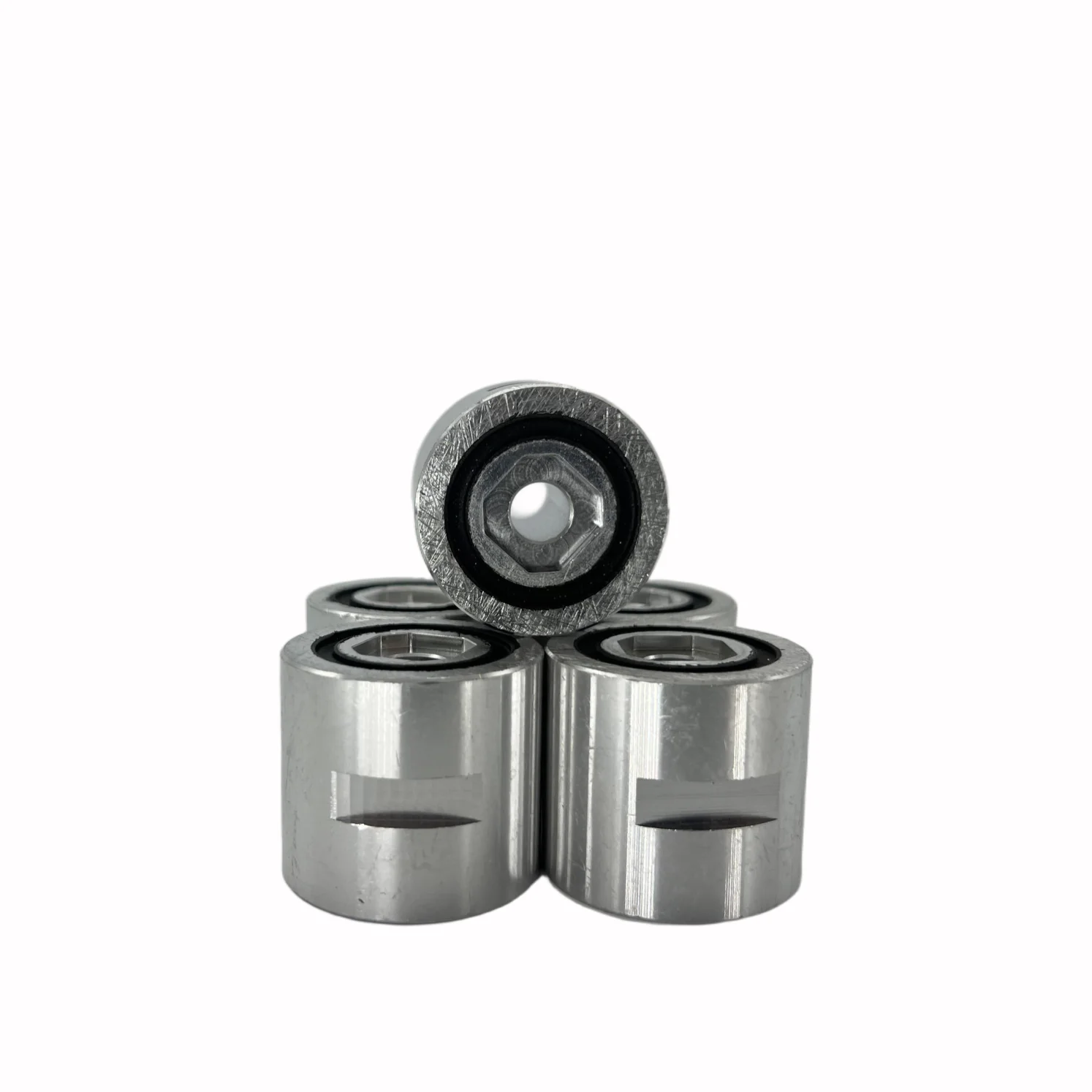
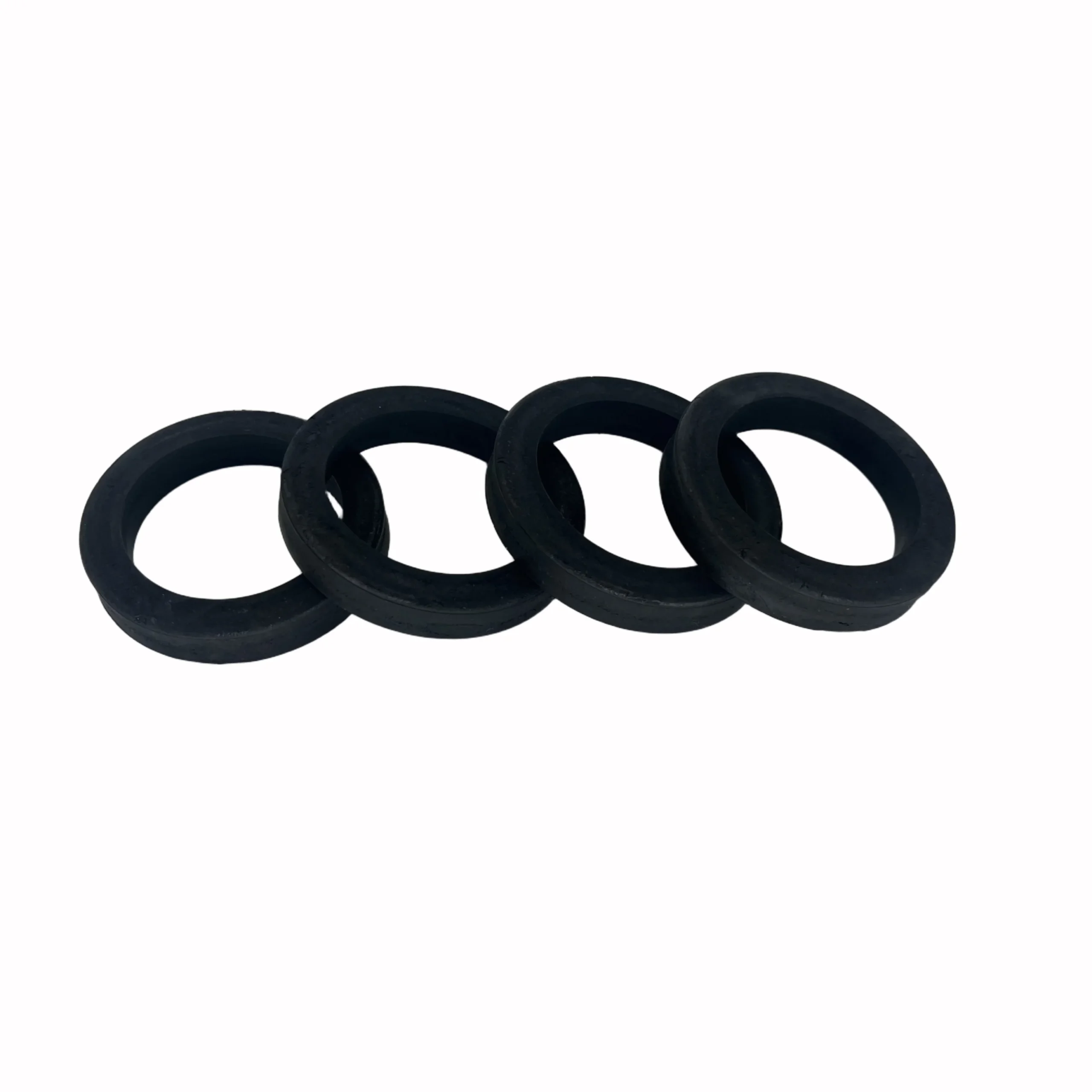
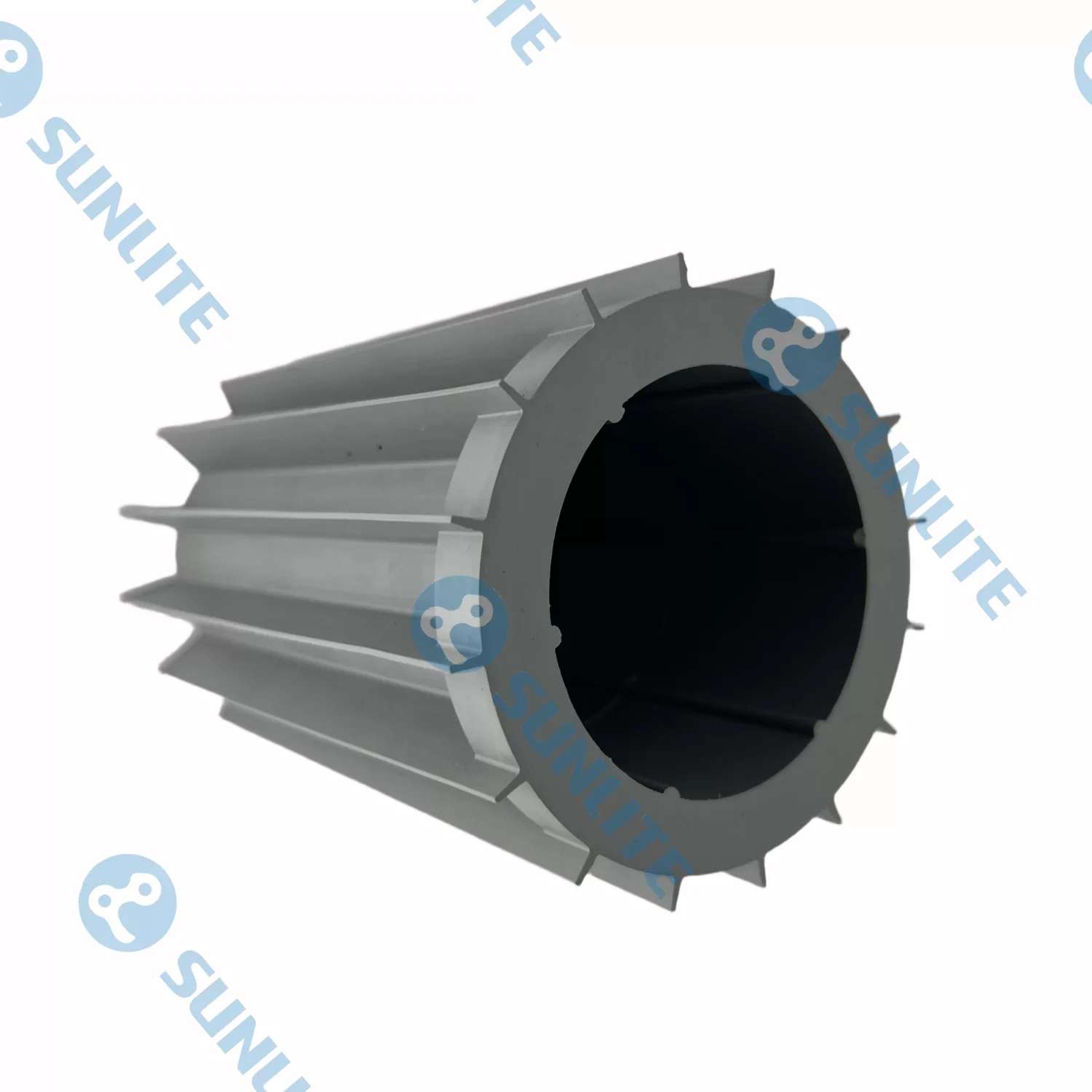
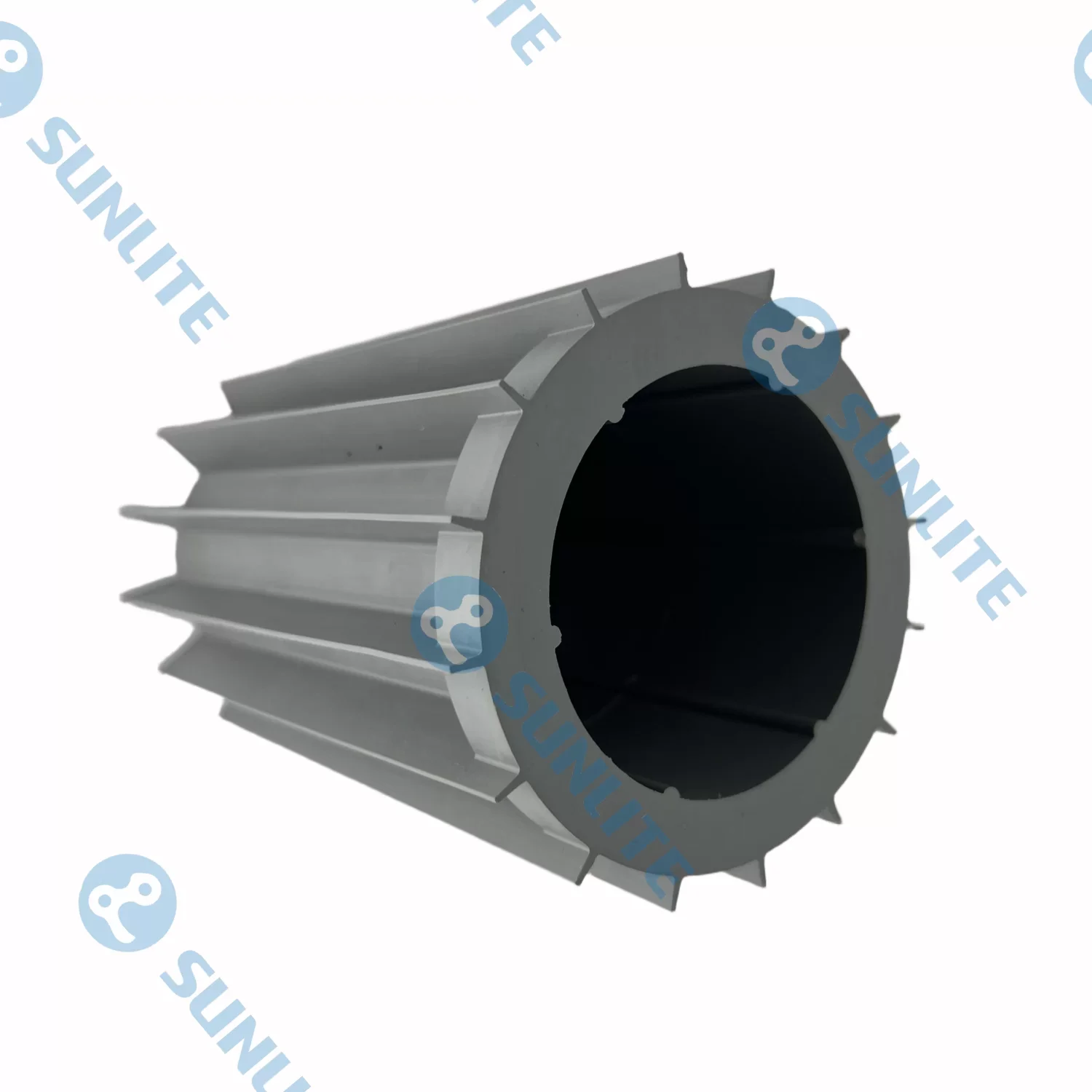
If you work around pools, aquaculture, or the grittier side of marine maintenance, you already know the brush is half the robot. I’ve tested a lot of gear, and the component that quietly determines whether cleaning is a one-pass job or a headache is the brush drum. Here’s a closer look at Sunlitek’s Robot Roller Brush portfolio—especially their NBR rubber rolls—through the lens of real-world use. For reference, here’s the official product page: robot roller brush, roller brush for robot, rubber roller brush robot,robot rolling brush,
Why rubber brushes are trending underwater
The industry’s moving from generic bristles to tuned elastomers. NBR (nitrile rubber) sits in a sweet spot: strong friction on tile/FRP/painted steel, good chemical tolerance to chlorine and sodium hypochlorite, and decent UV/ozone stability. In practice, that means fewer clogged bristles, more traction on biofilm, and—surprisingly—lower noise. Many customers say their robot roller brush finally grips slick algae like it should.
Where it’s used (quick hits)
· Swimming pool cleaners (commercial/residential)
· Large aquariums and oceanariums
· Aquaculture net-cage cleaning
· Hull and dock structure scrubbing (rubber contact is gentler on coatings)
· Reservoir/dam hydraulic facilities
· Nuclear cooling pools (yes, really—chemically aggressive water)
Product specs (typical)
Parameter | Typical value | Method/Standard |
Base material | NBR (nitrile rubber), ACN 34–45% | Internal spec |
Hardness | 55–70 Shore A (±3) | ASTM D2240 |
Outer diameter | Ø50–180 mm (custom) | Drawing-based |
Face width | 100–600 mm (custom) | Drawing-based |
Core | 304/316 SS or anodized Al | ISO 3506 |
Rubber-to-core bond | ≥6 N/mm | ASTM D429 |
Chemical resistance | ≥80% property retention; ≤15% volume change (30 days) | ASTM D471 |
UV resistance | ≥80% retention after 168 h | ISO 4892-2 |
Ozone aging | No surface cracks, 72 h, 50 pphm | ASTM D1149 |
Temperature cycling | -20 to 60°C, 6 cycles: stable dims | Internal |
Service life | ≈800–1500 h in chlorinated water (duty-dependent) | Field data; real-world use may vary |
Manufacturing flow (how it’s built)
1. Compound selection: NBR + fillers, anti-ozonants, UV stabilizers tuned for wet chlorine.
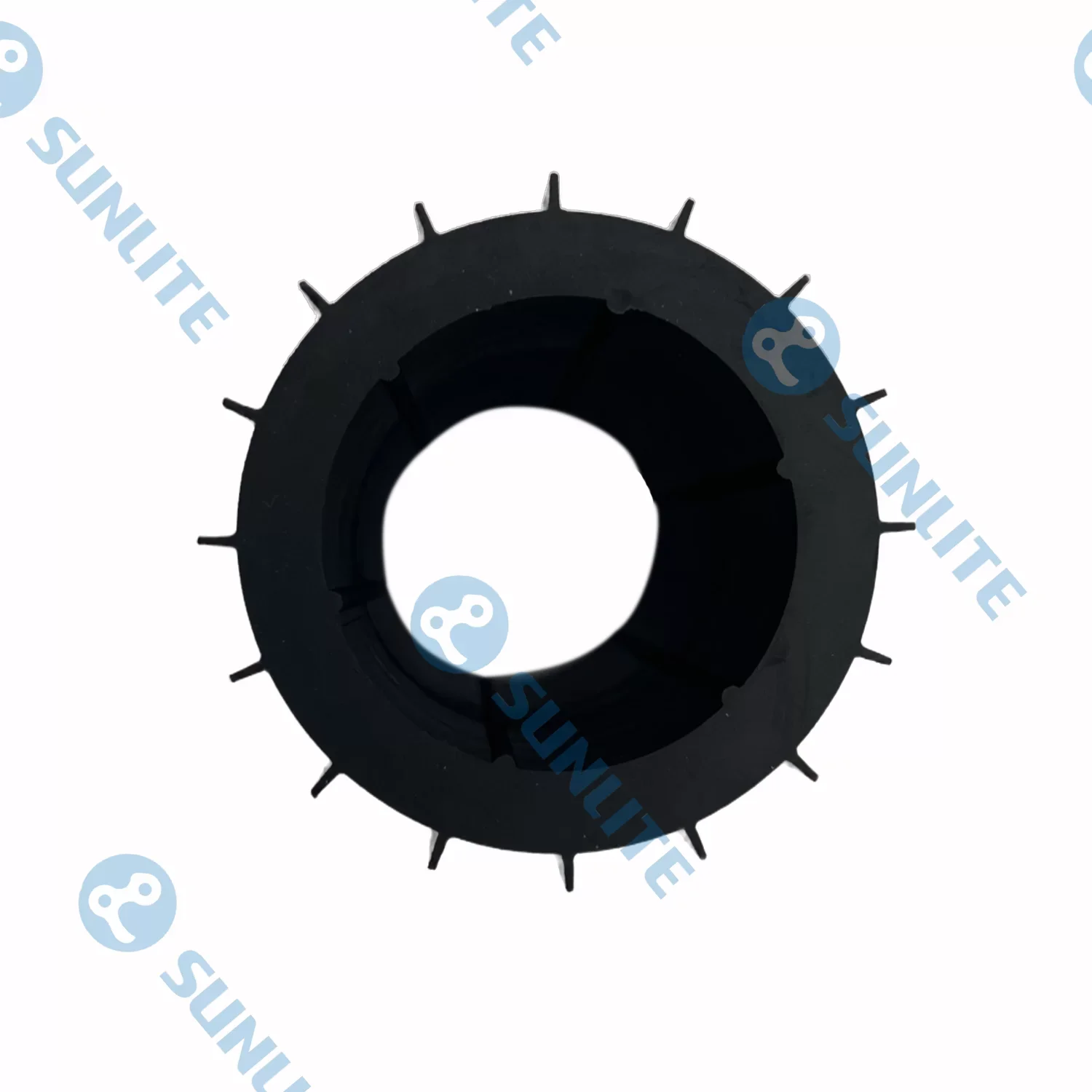
2. Forming: extrusion or compression molding into ribbed/treaded profiles for friction.
3. Vulcanization: controlled cure for tear strength and rebound.
4. Core prep: CNC-machined SS/Al core; grit blast + primer for adhesion.
5. Bonding: adhesive system; rubber over-mold and post-cure.
6. Finishing: grind for concentricity; dynamic balance.
7. QC tests: D471 immersion, D1149 ozone, ISO 4892 UV, bond (D429), runout, hardness.
Advantages you can feel
· High-friction cleaning in chlorinated, acidic or alkaline water.
· Gentler on coatings vs. steel bristles; fewer scratches on gelcoat/epoxy.
· Stable dimensions through temperature swings; long-term, low wobble.
· Custom tread patterns to tune bite vs. glide for your roller brush for robot.
Vendor comparison (at a glance)
Vendor | Materials | QC/Testing | Lead time | Warranty | Certs |
Sunlitek | NBR, optional EPDM/TPU (on request) | ASTM D471/D1149, ISO 4892, D429 | ≈2–5 weeks (MOQs apply) | 12 months (normal use) | ISO 9001 mfg; RoHS/REACH compliant |
Generic Vendor A | Mixed rubber; unclear ACN content | Basic hardness/runout only | ≈1–6 weeks (variable) | 6–12 months | Limited disclosure |
Customization & a quick case
Sunlitek builds to drawing or sample: diameter, width, hub, keyway, tread geometry—even a softer durometer for acrylic tanks where scuff risk is high. One public aquarium reported a 22% reduction in cleaning passes after switching to a patterned rubber roller brush robot set (chlorinated seawater, 8–10 ppm free chlorine), with lower slippage on curved panels.
For hull and dock maintenance, a tougher tread and 316 core kept adhesion intact after repeated dunk cycles. To be honest, that bond strength spec matters more than people think.
Compliance, data, and what to expect
Test data shows ≥80% performance retention after 30-day chemical immersion, ≤15% volume change, no ozone cracks at 72 h, and steady dimensions across -20–60°C cycles. Manufacturing is typically ISO 9001 with RoHS/REACH-compliant materials. In the field, expect ≈1,000 hours on a well-maintained robot rolling brush set; harsh pH swings or grit will shorten that—no magic there.
References
1. [1] ASTM D471 — Rubber Property—Effect of Liquids: https://www.astm.org/d0471
2. [2] ASTM D1149 — Ozone Cracking of Rubber: https://www.astm.org/d1149
3. [3] ISO 4892-2 — Plastics—UV Exposure Methods: https://www.iso.org/standard/77370.html
4. [4] ASTM D429 — Rubber-to-Metal Bond Tests: https://www.astm.org/d0429
If you work around pools, aquaculture, or the grittier side of marine maintenance, you already know the brush is half the robot.