

 Select Language
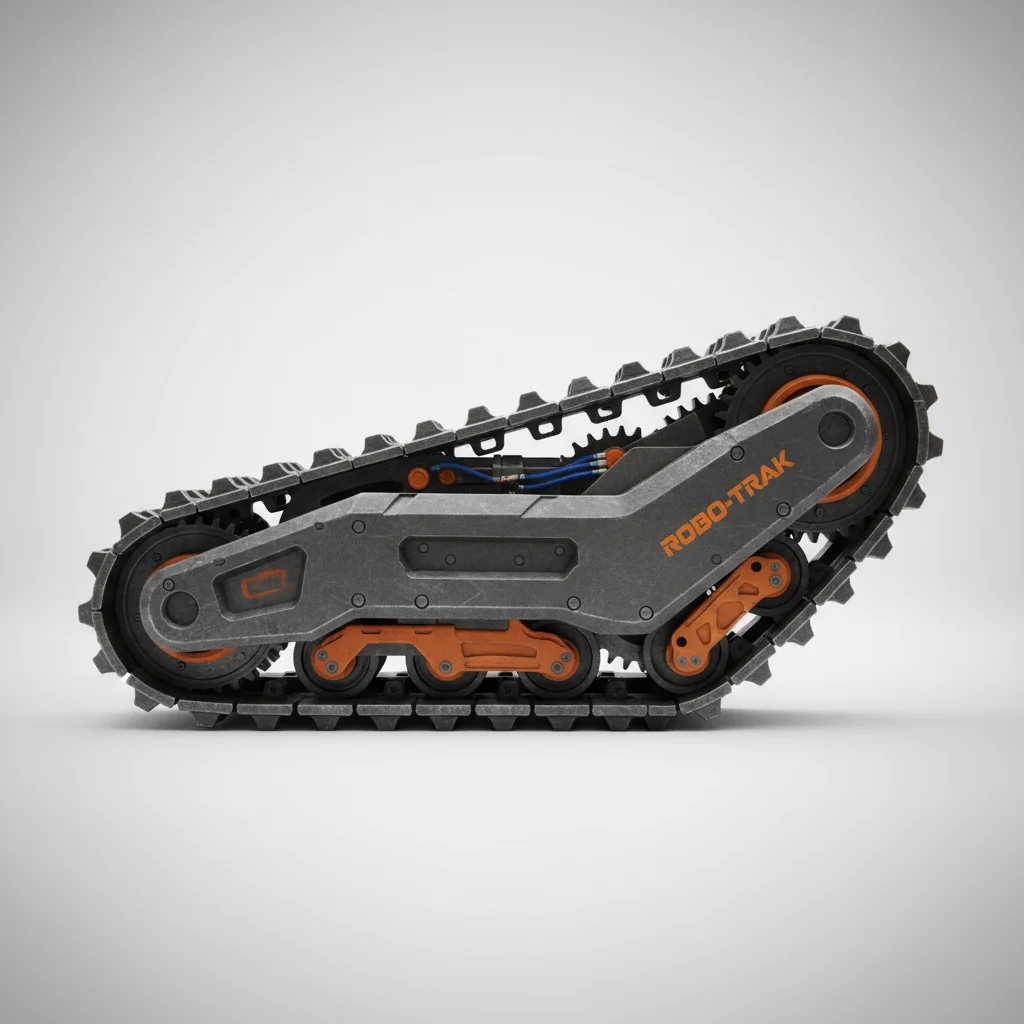
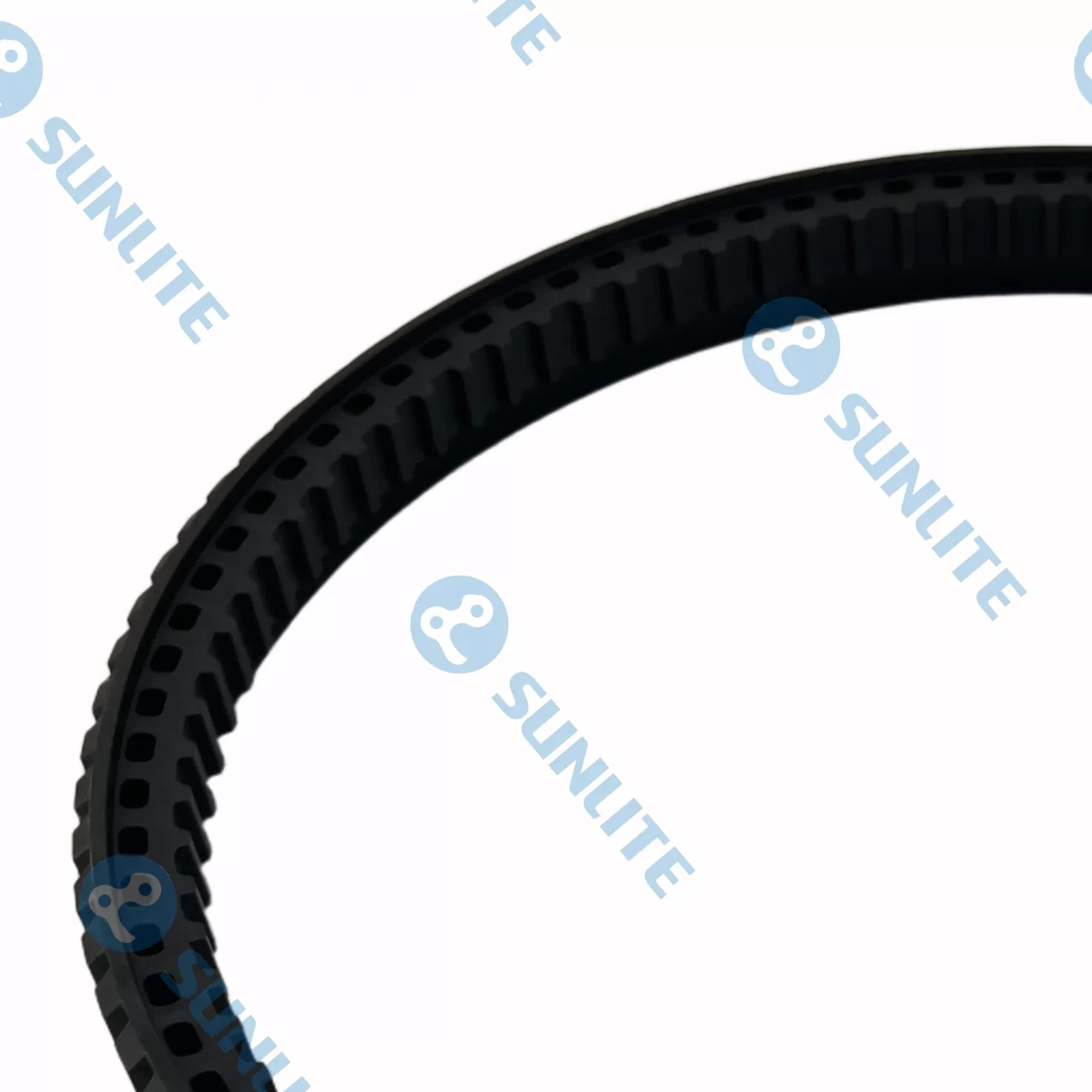
A lot of “all-terrain” tracks fall apart the minute you dunk them in a chlorinated pool or cycle them from a chilly morning to a warm pump room. I’ve spent enough time around inspection robots to know: materials matter. If you’re spec’ing a track for wet, corrosive, or confined spaces, this is where NBR-based designs shine. See [robot track, tracked inspection robot,rubber robot tracks, tank treads for robots, ] details and you’ll see what I mean.
What’s trending in tracked inspection
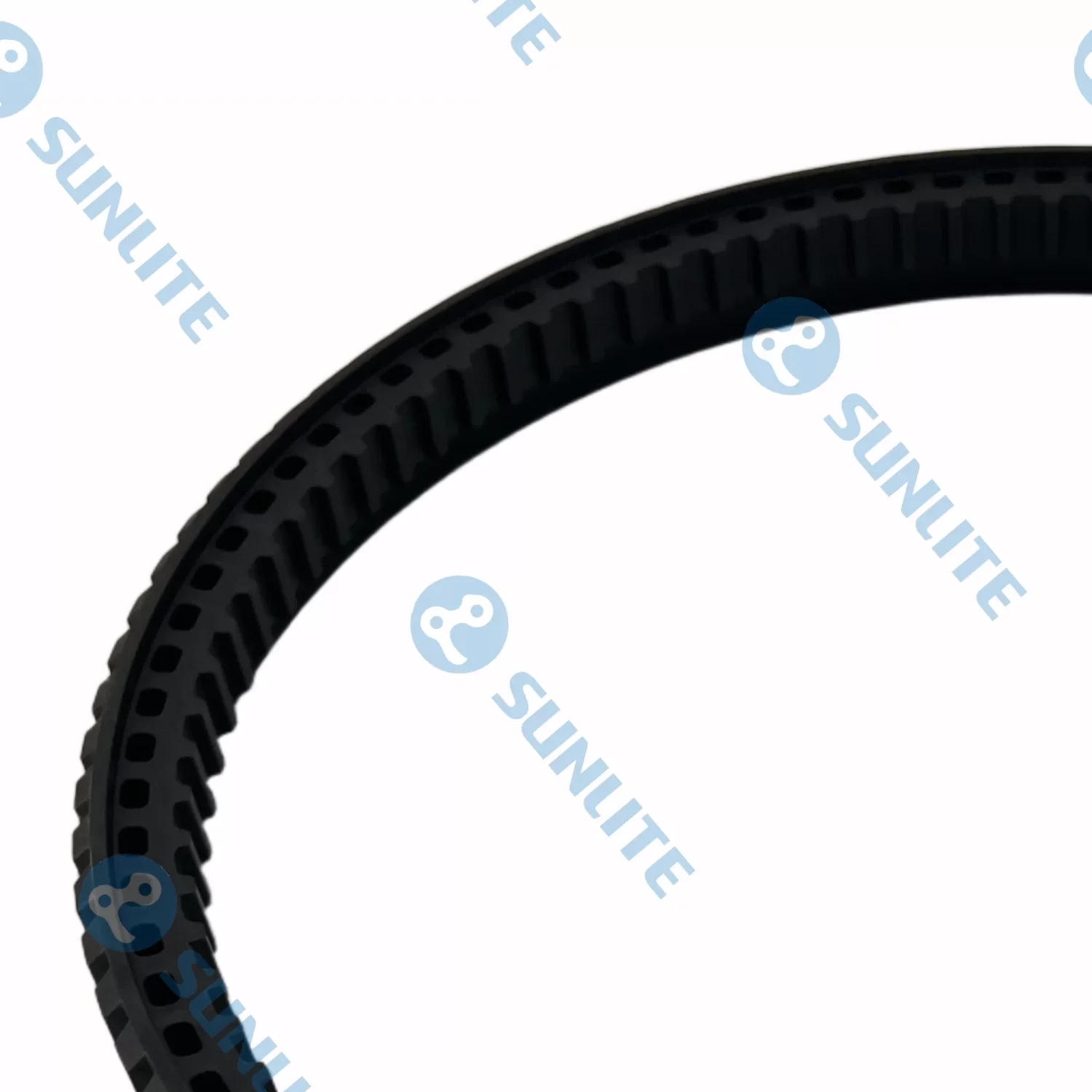
Two big shifts: underwater and high-chemistry work. Pool walls, desal plants, nuclear auxiliaries, and sludge basins demand tracks with high friction on slick tile/epoxy and real chemical stability. Many customers say they’ll accept a tiny weight penalty for durable traction and fewer field swaps. To be honest, that’s rational.
Product snapshot: Robot Drive Track (NBR)
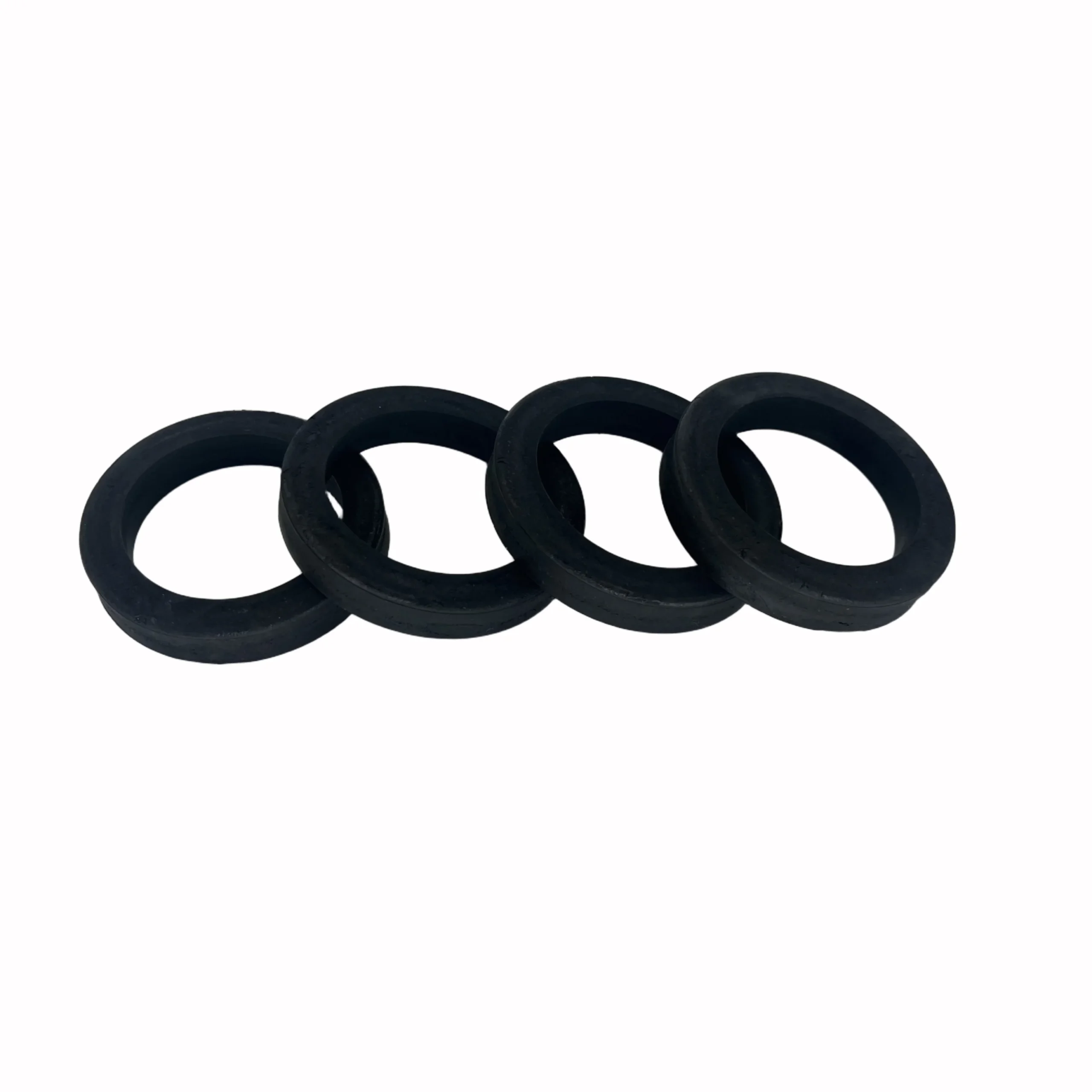
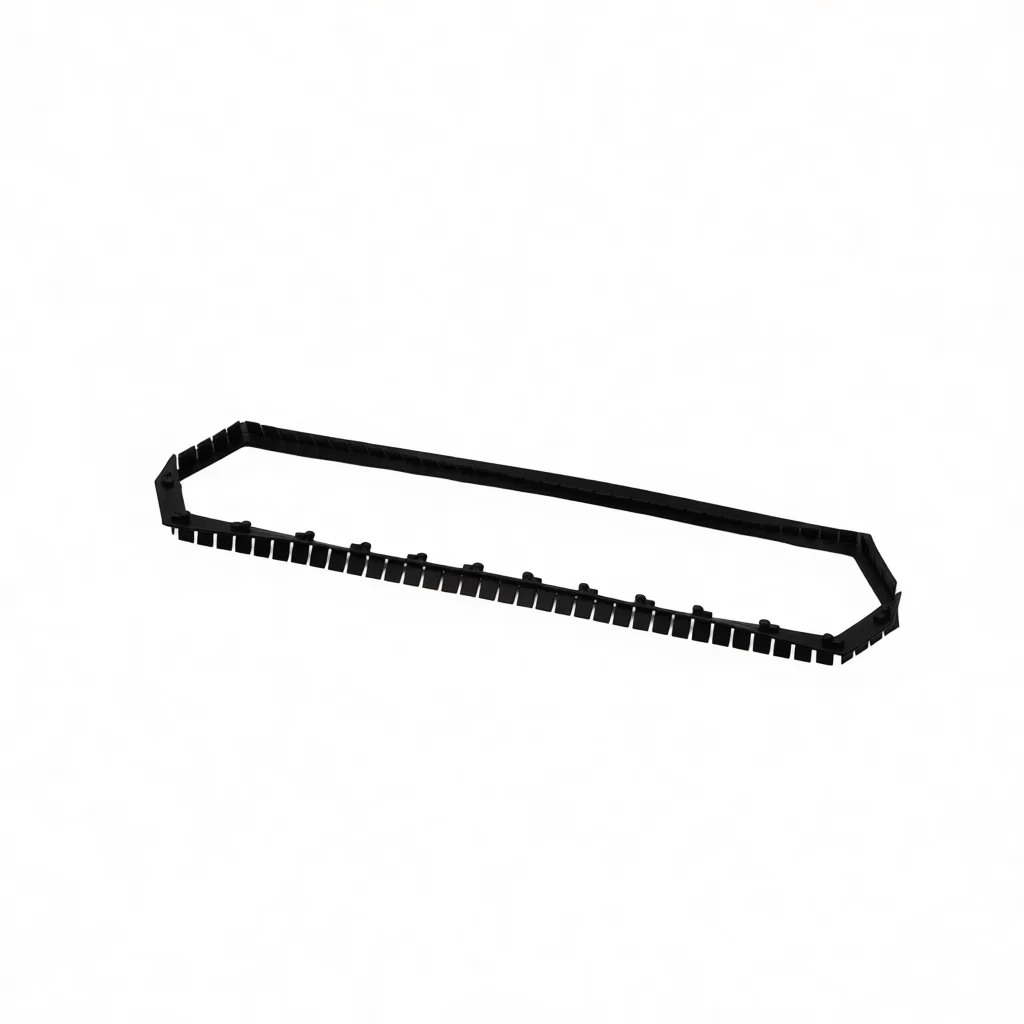
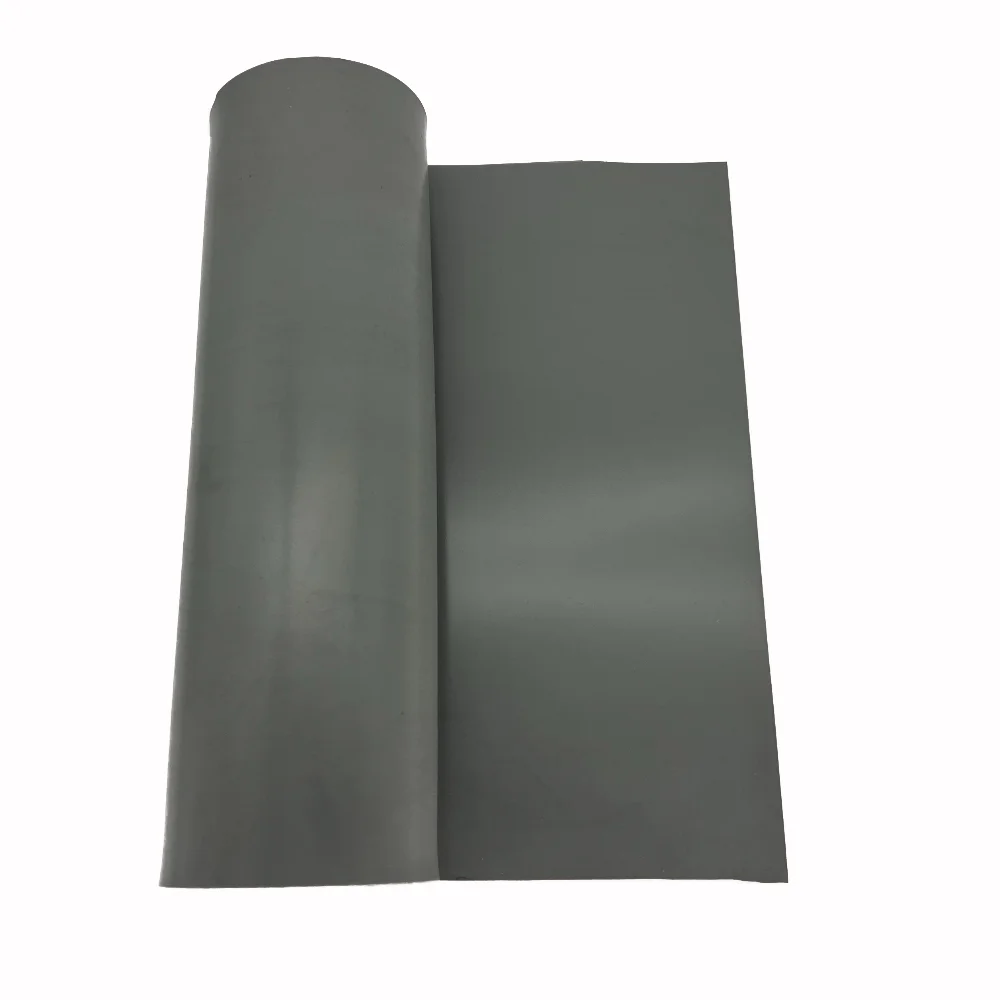
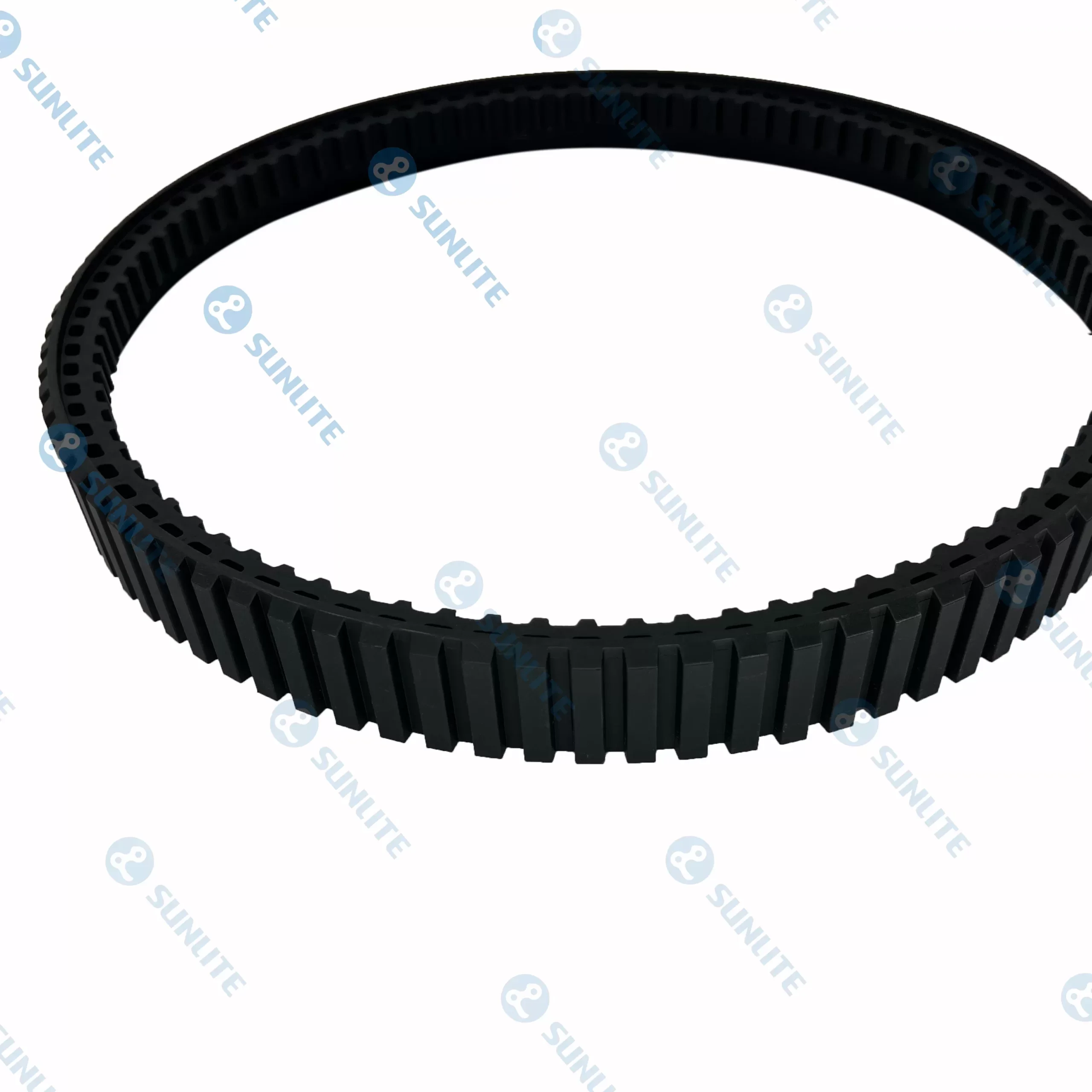
Material: NBR nitrile rubber formulated for chlorine, copper sulfate, flocculants, acids/alkalis, and sodium hypochlorite. Designed for underwater robots, pool wall climbers, submersible inspection rigs. UV/ozone resistant and built for strong adhesion to its carcass. Custom sizes available from drawings or samples—handy for teams juggling odd chassis geometries and wheelbase changes.
Spec | Typical Value (≈ / range) | Notes / Standard |
Base Material | NBR rubber | Oil/chemical resistant |
Hardness | ≈ 60–75 Shore A | ISO 868 real-world use may vary |
Service Temp | -20°C to 60°C | Thermal cycling: 6 cycles, within tolerance |
Chemical Immersion | ≥75% property retention; ≤15% volume change (30 days) | ASTM D471-guided testing |
UV Resistance | ≥75% retention after 168 h | ASTM G154 exposure |
Ozone Aging | No surface cracks (72 h) | ASTM D1149 |
Where it works (and why)
· Underwater structure inspection and pool maintenance
· Submarine pipeline and cable survey robots
· Sediment/sludge basins with abrasive fines
· Hazardous or confined spaces (low-slip, predictable grip)
· Nuclear facilities where UV/ozone exposure and chemicals coexist
In practice, traction on glazed tile is the make-or-break. The NBR compound’s friction and carcass adhesion solve the classic “peel and slip” failure. Actually, that’s what operators notice first.
Build process and QC flow
· Compounding: NBR + fillers/antioxidants + UV/ozone inhibitors
· Calendaring and reinforcement layup for tear resistance
· Molding and vulcanization; profile lugs formed for grip
· Adhesion checks (peel/ply tests), dimensional QC
· Chemical soak, UV, ozone, and thermal cycling verification
Service life varies, of course, but in chlorinated pools and light-abrasive sludge, teams report multi-season use with routine rinse-downs. Many robot track, tracked inspection robot,rubber robot tracks, tank treads for robots, customers say downtime drops mainly because the lugs don’t glaze over as quickly.
Vendor snapshot (what to ask)
Vendor | Material | Best For | Lead Time | Certs/Notes |
SunliteTek Robot Drive Track | NBR | Underwater, chlorine, UV/ozone | Custom, typically moderate | ISO 9001 mfg; RoHS on request |
Vendor B (Generic TPU Belt) | TPU | Dry floors, light moisture | Fast for standard sizes | Watch chlorine exposure |
Vendor C (PU + steel cords) | PU/Hybrid | Rugged ground traction | Varies with tooling | Corrosion strategy needed |
Customization and real-world notes
Send drawings/samples and specify wheel diameter, tooth pitch, and required lug geometry. If you’re comparing robot track, tracked inspection robot,rubber robot tracks, tank treads for robots, options from multiple robot track suppliers, ask for immersion and UV test reports and confirm adhesion test methods.
Quick case snippets
· Municipal pool bot: reported ≈30% fewer mid-season track swaps vs. prior TPU set.
· Nuclear auxiliary basin crawler: no ozone cracking seen after quarterly inspections.
Citations:
1. ASTM D471: Standard Test Method for Rubber Property—Effect of Liquids.
2. ASTM G154: UV Exposure of Nonmetallic Materials (Fluorescent UV Lamps).
3. ASTM D1149: Rubber Deterioration—Surface Ozone Cracking.
4. ISO 868: Plastics and Rubber—Shore Hardness Measurement.
5. IEC 60068-2-14: Environmental Testing—Change of Temperature (thermal cycling).
A lot of “all-terrain” tracks fall apart the minute you dunk them in a chlorinated pool or cycle them from a chilly morning to a warm pump room.