

 Select Language
I. The three elements of combustion and the mechanism of flame retardancy
All combustion requires combustible material, oxygen, and an ignition source (the fire triangle theory). Flame-retardant materials disrupt the combustion chain through the following mechanisms:
Cooling effect: Aluminium hydroxide decomposes and absorbs 600 J/g of heat (equivalent to 1 gram of material removing one-third of the heat from a cup of boiling water)
Gas-phase dilution: Nitrogen-based flame retardants release nitrogen when heated, reducing oxygen concentration below 15% (normal air contains 21% oxygen)
Carbon layer barrier: Expandable flame retardants form a dense carbon layer with a thermal conductivity of only 0.1 W/(m·K) (approximately 1/500th that of steel)
II. Breakthroughs in Halogen-Free Technology
Traditional bromine-based flame retardants are restricted by the EU RoHS due to the production of carcinogens such as dioxins. New solutions include:
Mineral-filled systems
Magnesium hydroxide: Decomposition temperature of 340°C, particularly suitable for high-temperature processing of plastics
Nano-kaolin: A 1% addition can increase the LOI (Limiting Oxygen Index) by 3 units
Polymer design
Intrinsically flame-retardant polymers such as polybenzimidazole (PBI) can withstand 500°C open flames without additives
III. Comparison of typical application scenarios
Field Requirements Standards Mainstream Material Solutions New Energy Vehicles GB38031-2020 Ceramicised silicone rubber High-rise buildings GB8624-2012 B1-grade graphite-modified polystyrene boards Spacecraft interiors NASA-STD-6001B polyimide aerogel
IV. Future Technical Challenges
Environmental Paradox: Degradation products of certain bio-based flame retardants may promote combustion
Cost Constraints: Phosphorus-based flame retardants are 2-3 times more expensive than bromine-based ones
Multi-Functional Integration: Developing composite materials that combine flame retardancy, sound insulation, and electromagnetic shielding
V. Three Core Advantages of Guangdong Xinli Technology's Halogen-Free Flame Retardant Materials
Outstanding Flame Retardancy
Certified to UL94 V0 grade (still compliant at 1.0mm thickness), meets the EU EN45545-2 HL3 railway fire safety standard, rapidly forms a carbonised layer to block oxygen upon exposure to fire, effectively suppressing melt droplets.
Outstanding Mechanical Properties
Tensile strength ≥ 10 MPa, elongation at break ≥ 300%, suitable for applications requiring repeated bending, such as cable sheaths and seals.
Electrical Insulation Assurance
Breakdown voltage ≥ 6 kV AC (27 times household voltage), volume resistivity ≥ 10¹² Ω, perfectly suited for harsh environments such as new energy vehicle battery packs and high-voltage electrical equipment.
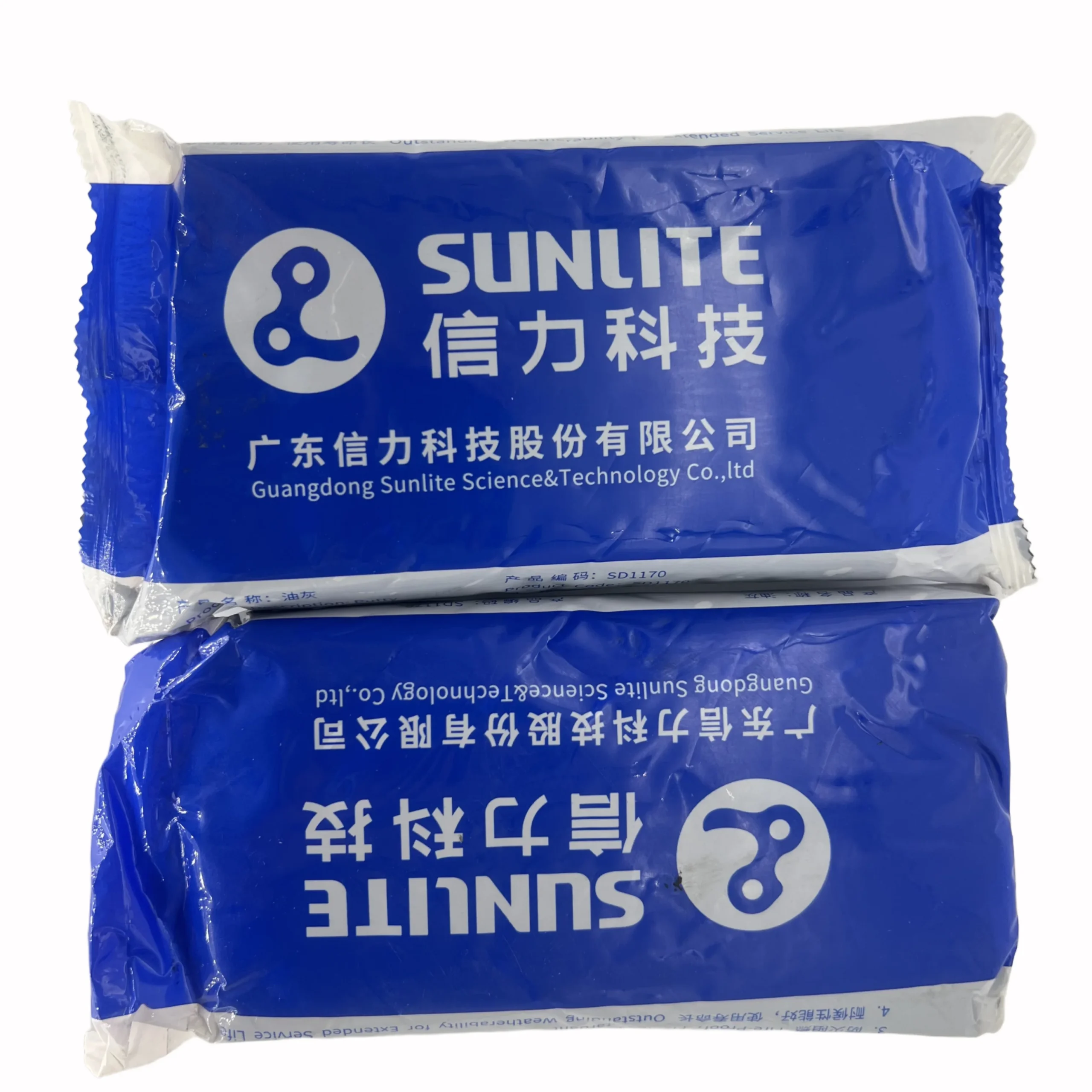
Why choose Sunlite ?
As a leading company in the domestic halogen-free flame-retardant materials industry, Sunlite uses nano-modification technology to balance the flame-retardant properties and mechanical performance of materials. Its products have been used by leading companies such as Huawei and CRRC, helping Chinese manufacturing upgrade to green and safe standards.
Check out our products(https://reurl.cc/x3Kv15)
All combustion requires combustible material, oxygen, and an ignition source (the fire triangle theory).